Here’s a 1500-word article exploring Hindi web series and their portrayal of Indian culture and society:
Hindi Web Series: Exploring Indian Culture and Society
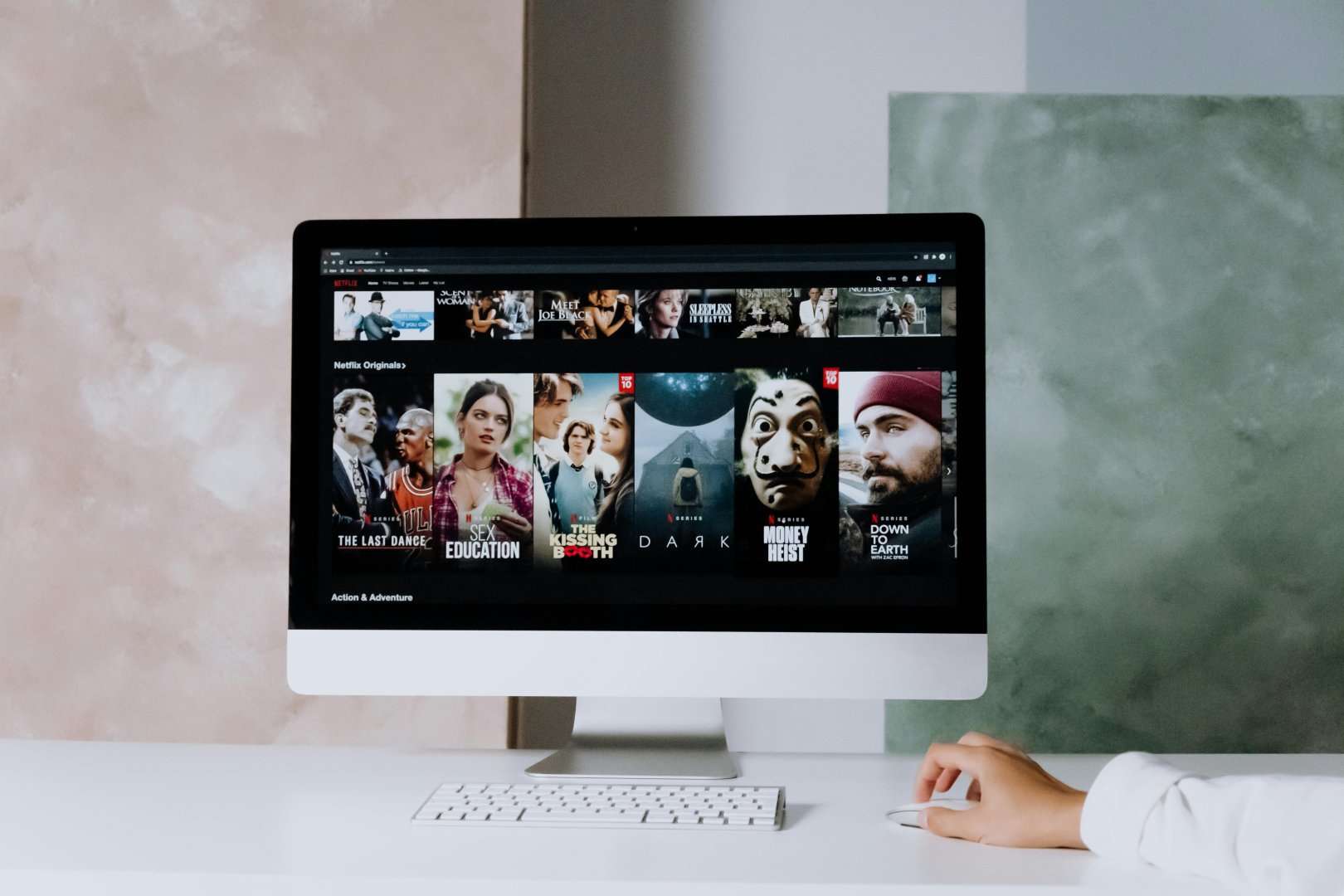
The rise of Over-The-Top (OTT) platforms in India has ushered in a golden age for Hindi web series. These digital narratives are not merely entertainment; they are powerful mirrors reflecting the diverse facets of Indian culture and society, often tackling subjects previously considered taboo or neglected by mainstream cinema. They delve into the complexities of family dynamics, social hierarchies, political landscapes, and personal struggles with a raw authenticity that resonates deeply with audiences. This article will explore how Hindi web series are shaping perceptions, challenging norms, and offering nuanced perspectives on the Indian experience.
Family and Relationships: A Modern Lens
The Indian family, traditionally depicted as a cohesive and harmonious unit, undergoes a significant reimagining in Hindi web series. Shows like Gullak (SonyLIV) offer a heartwarming and relatable portrayal of a middle-class family navigating everyday life with its joys and tribulations. It captures the essence of small-town India, showcasing the close-knit relationships, humorous squabbles, and unwavering support that characterize these families. The series avoids melodrama, instead focusing on the subtle nuances of familial bonds, making it universally appealing.

Conversely, other series delve into the darker aspects of family life. Delhi Crime (Netflix) explores the societal factors that contribute to heinous crimes, often highlighting the dysfunctional family structures that breed such violence. Made in Heaven (Amazon Prime Video) exposes the superficiality and hidden tensions within affluent Indian families, using extravagant wedding celebrations as a backdrop to reveal the complexities of arranged marriages, infidelity, and societal expectations. These series challenge the idealized image of the Indian family, presenting a more realistic and multifaceted picture.
Furthermore, Hindi web series are increasingly exploring unconventional relationships. Four More Shots Please! (Amazon Prime Video) follows the lives of four urban women navigating love, career, and friendship, challenging patriarchal norms and celebrating female empowerment. Romil & Jugal (ALTBalaji), though controversial, was one of the early attempts to depict a same-sex relationship in a relatable and engaging manner. These narratives contribute to a more inclusive representation of relationships, fostering greater understanding and acceptance of diverse lifestyles.
Social Issues and Political Commentary: Unflinching Narratives
Hindi web series are unafraid to tackle sensitive social issues and offer sharp political commentary. Sacred Games (Netflix), one of the first Hindi web series to gain international acclaim, weaves together mythology, crime, and political intrigue to expose the underbelly of Mumbai’s criminal world and the corruption that permeates the city’s power structures. The series uses symbolism and allegory to critique political ideologies and societal inequalities.
Paatal Lok (Amazon Prime Video) provides a gritty and realistic portrayal of the Indian criminal justice system and the deep-rooted caste-based discrimination that influences it. The series exposes the systemic corruption and police brutality that disproportionately affect marginalized communities. Through its compelling narrative and well-developed characters, Paatal Lok prompts viewers to confront uncomfortable truths about Indian society.
Aarya (Disney+ Hotstar) tackles the issue of drug trafficking and the challenges faced by women in patriarchal societies. The series portrays a strong female protagonist who is forced to navigate a dangerous world to protect her family, challenging traditional gender roles and highlighting the resilience of women in the face of adversity.
Leila (Netflix), though dystopian, offers a commentary on religious extremism and the dangers of societal control. The series depicts a future where a totalitarian regime enforces strict social segregation based on caste and religion, serving as a cautionary tale about the erosion of freedom and the importance of tolerance.
Regional Representation and Cultural Diversity: A Pan-Indian Canvas
Unlike mainstream Hindi cinema, which often focuses on narratives set in urban centers, Hindi web series are increasingly exploring stories from different regions of India, showcasing the country’s rich cultural diversity. Panchayat (Amazon Prime Video) offers a charming and insightful glimpse into rural life in Uttar Pradesh, depicting the challenges and opportunities faced by a young man working as a Panchayat secretary. The series celebrates the simplicity and authenticity of rural India, highlighting the importance of community and tradition.
Rangbaaz (ZEE5) is a crime thriller that explores the lives of gangsters in different regions of Uttar Pradesh, showcasing the local culture and dialects. The series provides a nuanced portrayal of these characters, exploring the factors that drive them to crime and the consequences of their actions.
Bard of Blood (Netflix), though not entirely successful critically, attempted to portray the complexities of cross-border relations and the challenges faced by Indian intelligence operatives in Pakistan. While the series received criticism for its simplistic portrayal of the conflict, it nonetheless attempted to address a sensitive and important issue.
The increasing representation of regional stories in Hindi web series is contributing to a more inclusive and representative portrayal of India. These narratives are helping to break down stereotypes and promote greater understanding and appreciation of the country’s diverse cultures.
Language and Authenticity: Capturing the Nuances of Indian Speech
Hindi web series are also notable for their use of authentic language and dialects. Unlike mainstream cinema, which often relies on standardized Hindi, these series incorporate regional dialects and slang, adding to the authenticity and realism of the narratives. Mirzapur (Amazon Prime Video), for example, uses the local dialect of Uttar Pradesh, giving the series a gritty and realistic feel.
The use of authentic language also allows for a more nuanced portrayal of characters and their social backgrounds. The way characters speak reveals their education, social class, and regional affiliations, adding depth and complexity to their personalities.
Furthermore, Hindi web series are increasingly incorporating English and other Indian languages into their dialogues, reflecting the multilingual reality of Indian society. This linguistic diversity adds to the authenticity and relatability of the narratives, making them more accessible to a wider audience.
The Impact on Indian Society: Fostering Dialogue and Challenging Norms
Hindi web series are not just entertainment; they are powerful tools for social commentary and cultural change. By tackling sensitive issues and challenging societal norms, these narratives are fostering dialogue and promoting greater understanding and acceptance of diverse perspectives.
The portrayal of strong female characters in series like Aarya and Four More Shots Please! is challenging traditional gender roles and empowering women to assert their rights and pursue their dreams. The depiction of unconventional relationships in series like Romil & Jugal is promoting greater acceptance of LGBTQ+ individuals and challenging homophobia and discrimination.
The exploration of social issues like caste-based discrimination in Paatal Lok and religious extremism in Leila is prompting viewers to confront uncomfortable truths about Indian society and to work towards creating a more just and equitable world.
Hindi web series are also playing a significant role in shaping perceptions of India abroad. The success of series like Sacred Games and Delhi Crime on international platforms has introduced Indian culture and society to a global audience, challenging stereotypes and promoting a more nuanced understanding of the country.
In conclusion, Hindi web series are transforming the landscape of Indian entertainment. By offering authentic and nuanced portrayals of Indian culture and society, these narratives are fostering dialogue, challenging norms, and shaping perceptions both at home and abroad. As the OTT platform continues to grow and evolve, Hindi web series are poised to play an even greater role in reflecting and shaping the Indian experience.