Hollywood Web Series: The Untold Stories Behind the Making Of
The digital landscape has irrevocably altered the entertainment industry. No longer solely reliant on traditional studios and broadcast networks, creators are finding fertile ground in the burgeoning world of web series. Hollywood, historically the gatekeeper of cinematic dreams, has cautiously, then enthusiastically, embraced this new frontier. This article delves into the untold stories behind the making of Hollywood web series, exploring the challenges, triumphs, and innovations that define this unique medium.
The Rise of Independent Voices: Breaking Free from Studio Constraints
One of the most compelling narratives surrounding Hollywood web series is the empowerment of independent voices. Traditionally, aspiring filmmakers and actors faced immense hurdles in securing funding, distribution, and creative control. Web series, however, offer a pathway to bypass these obstacles. Consider the case of “High Maintenance,” initially a Vimeo-based series created by Katja Blichfeld and Ben Sinclair. The series, centered around a marijuana deliveryman and his diverse clientele in New York City, gained a cult following for its authentic portrayal of urban life and its insightful character studies. Its success stemmed from its creators’ complete control over the narrative, allowing them to explore nuanced themes and unconventional storytelling techniques that might have been rejected by mainstream networks. HBO eventually picked up “High Maintenance,” validating the power of independent web series to attract a wider audience and demonstrating the potential for web series to serve as a launchpad for larger projects.
Similarly, Issa Rae’s “Awkward Black Girl” became a YouTube sensation, garnering millions of views and attracting the attention of HBO. Rae’s series, which humorously chronicled the life of a socially awkward black woman, resonated with audiences who felt underrepresented in mainstream media. The series’ success led to Rae’s creation of “Insecure” for HBO, solidifying her position as a leading voice in contemporary television. These examples highlight the transformative potential of web series to amplify marginalized voices and provide platforms for diverse storytelling.
The freedom afforded by web series also allows for experimentation with genre and format. “Burning Love,” a parody of dating reality shows like “The Bachelor,” features a star-studded cast including Ken Marino, Michael Cera, and Malin Akerman. Created by Erica Oyama and Jonathan Stern, the series embraces absurdity and satire, delivering sharp comedic commentary on the often-ridiculous conventions of reality television. The short-form episodes and online distribution allowed the creators to take risks and push boundaries in ways that might not have been possible on traditional networks.
Funding the Dream: Navigating the Financial Landscape
While web series offer greater creative control, securing funding remains a significant challenge. Unlike traditional television productions, web series often operate on shoestring budgets. Creators must be resourceful and innovative in finding ways to finance their projects.
Crowdfunding platforms like Kickstarter and Indiegogo have become essential tools for independent filmmakers. Many successful web series, including “Carmilla,” a lesbian vampire romance series based on the novella of the same name, were funded through crowdfunding campaigns. These platforms not only provide financial support but also foster a sense of community among creators and fans. Backers often receive perks and behind-the-scenes access, creating a deeper connection with the project and its creators.
Brand sponsorships are another increasingly popular source of funding for web series. Companies are recognizing the value of reaching niche audiences through online content. Web series like “Squaresville,” a quirky comedy about two best friends navigating high school, have secured sponsorships from brands that align with their target demographic. However, maintaining creative integrity while incorporating brand messaging can be a delicate balancing act. Creators must ensure that the sponsorships are integrated seamlessly into the narrative and do not compromise the authenticity of the series.
Government grants and film commissions also offer funding opportunities for web series. These programs often prioritize projects that promote cultural diversity and support local filmmakers. Securing these grants can be highly competitive, but they can provide crucial financial support for independent productions.
Production Challenges: From Guerilla Filmmaking to Professional Standards
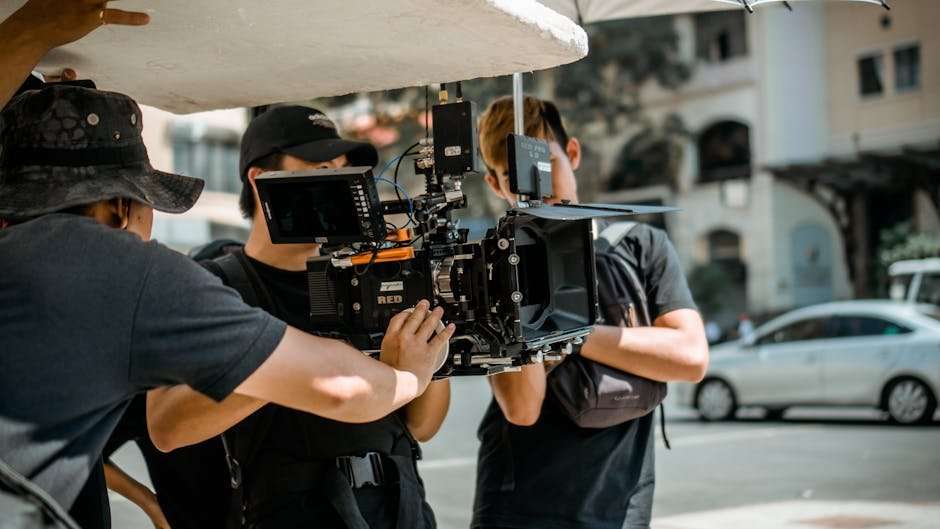
Producing a web series, especially on a limited budget, often requires a DIY approach. Creators must wear multiple hats, serving as writers, directors, producers, and even actors. This can be both challenging and rewarding, allowing for a high degree of creative control but also demanding a significant investment of time and energy.
Location scouting and securing permits can be particularly difficult for independent web series. Often, filmmakers resort to guerilla filmmaking techniques, shooting in public spaces without permits or relying on favors from friends and family to secure locations. While this can save money, it also carries the risk of legal repercussions.
Technical challenges are also common. Web series often rely on smaller crews and less sophisticated equipment than traditional television productions. This can impact the quality of the visuals and sound. However, advancements in technology have made it easier and more affordable to produce high-quality content on a budget. Affordable cameras, editing software, and sound recording equipment are now readily available, allowing independent filmmakers to create professional-looking web series.
Despite the challenges, many web series have achieved remarkable production values. “Video Game High School,” a science fiction action comedy series about a high school for video game players, raised over $270,000 on Kickstarter to fund its first season. The series features impressive visual effects and action sequences, demonstrating that it is possible to create a visually stunning web series on a relatively modest budget.
Building an Audience: The Power of Online Communities
In the crowded online landscape, building an audience for a web series is crucial for its success. Unlike traditional television, where networks handle marketing and promotion, web series creators are responsible for reaching their target audience.
Social media platforms like YouTube, Facebook, Twitter, and Instagram are essential tools for promoting web series. Creators use these platforms to share trailers, behind-the-scenes footage, and interact with fans. Building a strong social media presence can help to generate buzz and attract new viewers.
Online communities and forums are also important for building an audience. Reddit, Tumblr, and other online platforms provide spaces for fans to connect with each other and discuss their favorite web series. Creators can participate in these communities, answer questions, and engage with fans directly.
Collaborations with other YouTubers and online influencers can also help to expand a web series’ reach. By partnering with creators who have a large and engaged audience, web series can tap into new markets and attract new viewers.
Interactive storytelling and transmedia elements can also enhance audience engagement. Web series like “The Lizzie Bennet Diaries,” a modern adaptation of Jane Austen’s “Pride and Prejudice,” incorporated social media accounts for the characters, allowing viewers to interact with them in real-time. This created a more immersive and engaging experience for the audience.
The Evolution of Web Series: From Niche Content to Mainstream Recognition
Web series have come a long way since their early days as low-budget, amateur productions. Today, many web series are produced to professional standards and feature established actors and filmmakers. The line between web series and traditional television is becoming increasingly blurred.
Streaming services like Netflix, Amazon Prime Video, and Hulu are now actively acquiring and producing web series. This has provided web series creators with greater access to funding, distribution, and audience reach.
The rise of short-form video platforms like TikTok and Instagram Reels has also created new opportunities for web series creators. These platforms are ideal for creating bite-sized content that can be easily shared and consumed on mobile devices.
The recognition of web series at major awards shows like the Primetime Emmy Awards has further legitimized the medium. Several web series, including “Childrens Hospital” and “Between Two Ferns with Zach Galifianakis,” have won Emmy Awards, demonstrating the growing acceptance of web series as a legitimate form of entertainment.
The future of Hollywood web series is bright. As technology continues to evolve and online platforms continue to grow, web series will undoubtedly play an increasingly important role in the entertainment industry. They offer a platform for independent voices, a space for experimentation, and a direct connection with audiences. The untold stories behind the making of these series reveal a landscape of creativity, resilience, and innovation, shaping the future of storytelling in Hollywood and beyond.