The Rise of Bite-Sized Frights: Exploring the Landscape of Horror Web Series
The digital age has revolutionized entertainment, and horror, a genre traditionally dominated by feature films and novels, has found a fertile new ground in the realm of web series. These short-form, online productions offer a unique blend of accessibility, innovation, and raw, unfiltered creativity, providing audiences with concentrated doses of terror that can be consumed anytime, anywhere. This article delves into the captivating world of horror web series, examining their appeal, evolution, key players, and the unique storytelling techniques they employ to deliver potent scares in a compact format.
Accessibility and the Democratization of Horror:
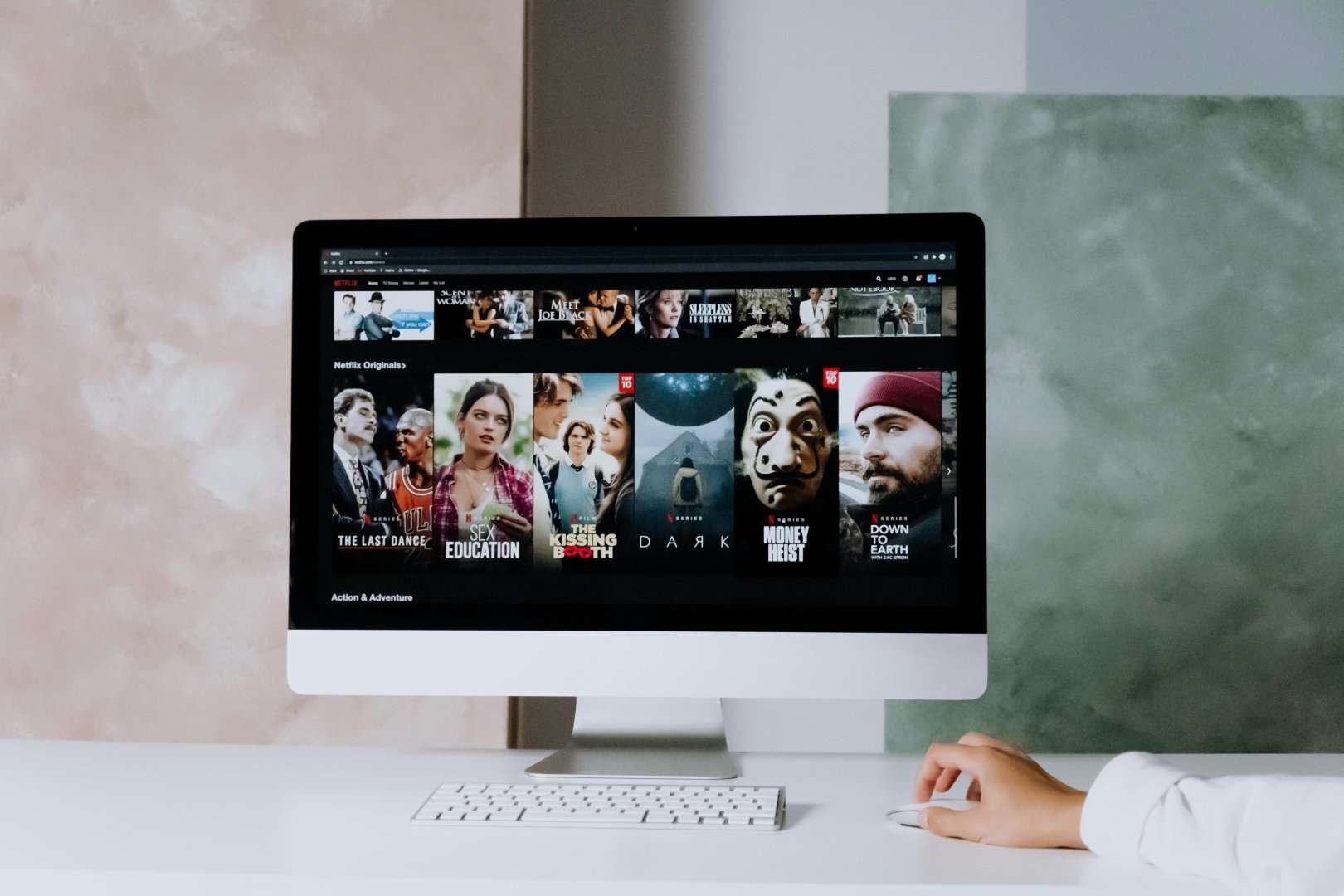
One of the primary drivers behind the surge in popularity of horror web series is their accessibility. Unlike traditional media, which often requires significant investment in time and money (movie tickets, streaming subscriptions focused on feature-length content), web series are often free to watch on platforms like YouTube, Vimeo, and dedicated horror streaming sites. This low barrier to entry allows a broader audience to discover and engage with the genre, particularly those who might be hesitant to commit to a full-length horror film.
Furthermore, the internet has democratized the creation process. Aspiring filmmakers, writers, and actors no longer need to navigate the complex and often impenetrable world of Hollywood studios. Web series provide a platform for independent creators to showcase their talent, experiment with new ideas, and build a dedicated following without the need for massive budgets or mainstream validation. This has led to a diverse and vibrant ecosystem of horror content, pushing the boundaries of the genre and offering fresh perspectives that might not otherwise find an outlet.
The Evolution of Horror Web Series: From Found Footage to Psychological Thrillers:
The evolution of horror web series mirrors the evolution of the horror genre itself. Early web series often relied heavily on found footage aesthetics, capitalizing on the inherent realism and immediacy of the format. Series like “Marble Hornets,” a slow-burn adaptation of the Slender Man mythos, gained a massive online following through its cryptic storytelling, unsettling atmosphere, and interactive elements. The series utilized ARG (Alternate Reality Game) techniques, blurring the lines between fiction and reality and engaging viewers in a collaborative effort to unravel the mystery.
As the web series format matured, creators began to experiment with more sophisticated storytelling techniques and production values. Psychological thrillers, anthology series, and even comedic horror emerged, showcasing the versatility of the medium. “Don’t Hug Me I’m Scared,” a British web series that initially appeared to be a children’s educational program, quickly devolved into a surreal and disturbing exploration of existential themes, gaining critical acclaim for its unique blend of puppetry, satire, and unsettling imagery.
The rise of streaming platforms like Shudder and Crypt TV has further legitimized the horror web series format, providing creators with increased funding and distribution opportunities. These platforms have actively sought out and promoted innovative horror content, contributing to the growth and diversification of the genre.
Key Players and Standout Series:
Several creators and series have played a pivotal role in shaping the landscape of horror web series. Here are a few notable examples:
-
Marble Hornets: As mentioned previously, “Marble Hornets” is a seminal example of the found footage horror web series. Its innovative use of ARG elements and its slow-burn approach to building tension made it a groundbreaking project that influenced countless subsequent series.
-
EverymanHYBRID: Another Slender Man-inspired series, “EverymanHYBRID,” took a more character-driven approach, focusing on the psychological toll that the mysterious entity takes on its victims. The series incorporated elements of mental illness and addiction, adding layers of complexity to the horror narrative.
-
Local 58: This analog horror series presents a chilling collection of simulated public service announcements and emergency broadcasts that slowly reveal a terrifying truth about the world. Its minimalist aesthetic and unsettling atmosphere make it a particularly effective example of the power of suggestion in horror.
-
Channel Zero: While technically an anthology television series, “Channel Zero” began as a Creepypasta adaptation. Its success paved the way for more Creepypasta stories and web series to be adapted into longer formats, demonstrating the potential for online horror to reach a wider audience.
-
Crypt TV: This platform has been instrumental in nurturing new horror talent and producing a vast library of original web series. Their focus on short, impactful stories and their diverse range of characters have made them a major player in the horror web series space.
-
Two Sentence Horror Stories: This anthology series, initially conceived as a collection of user-submitted horror stories, has gained a significant following for its concise and impactful narratives. Each episode tells a complete horror story in just a few minutes, proving that less can often be more.
Unique Storytelling Techniques in Horror Web Series:
Horror web series often employ unique storytelling techniques to maximize their impact within the constraints of the short-form format. These techniques include:
-
Atmosphere over Gore: Due to budgetary limitations and the need to create a sense of unease quickly, many web series prioritize atmosphere and suspense over graphic violence. This allows them to create a more psychological and unsettling experience for the viewer.
-
Found Footage and Mockumentary Styles: The found footage and mockumentary formats are particularly well-suited to web series, as they can be produced relatively cheaply and create a sense of realism and immediacy. These formats also allow for a greater degree of audience immersion, as viewers feel like they are witnessing events unfold in real-time.
-
Emphasis on Sound Design: Sound design plays a crucial role in horror, and web series often rely heavily on sound effects, music, and ambient noise to create a sense of dread and anticipation. The absence of sound can also be used effectively to create moments of tension and unease.
-
Jump Scares and Quick Cuts: While jump scares can be overused, they can be effective in small doses, particularly in the short-form format of web series. Quick cuts and jarring edits can also be used to create a sense of disorientation and unease.
-
Ambiguous Endings: Many horror web series leave their endings open to interpretation, allowing viewers to speculate and discuss the events that have transpired. This can create a lasting impression and encourage viewers to engage with the series on a deeper level.
-
Interactive Storytelling: Some web series incorporate interactive elements, allowing viewers to influence the narrative through choices or actions. This can create a more immersive and engaging experience, blurring the lines between viewer and participant.
The Future of Horror Web Series:
The future of horror web series looks bright. As technology continues to evolve and streaming platforms become more prevalent, the opportunities for creators to produce and distribute their work will only increase. The genre is likely to see further experimentation with new formats, storytelling techniques, and interactive elements.
The rise of virtual reality (VR) and augmented reality (AR) also presents exciting possibilities for horror web series. These technologies could allow viewers to experience horror in a more immersive and visceral way, blurring the lines between the real and the virtual. Imagine watching a horror web series in VR, where the monsters and ghosts appear to be right in front of you.
Furthermore, the increasing popularity of podcasts and audio dramas suggests that audio horror web series could also become a significant force in the genre. Audio horror can be particularly effective at creating a sense of unease and suspense, as it relies solely on sound to paint a picture in the listener’s mind.
In conclusion, horror web series have emerged as a dynamic and innovative force in the horror genre. Their accessibility, creative freedom, and unique storytelling techniques have allowed them to carve out a distinct niche in the entertainment landscape. As technology continues to evolve and the demand for horror content remains strong, the future of horror web series is sure to be filled with even more terrifying and imaginative creations. The democratization of horror has allowed for narratives to be more diverse and inclusive, and the short form allows for experimentation that might not be greenlit in traditional media. This provides an outlet for creators to explore niche themes and subgenres, ultimately enriching the horror landscape as a whole.