
Indian Web Series: Exploring Social Issues Through Storytelling
The rise of web series in India has ushered in a new era of storytelling, offering a platform for narratives that often remain unexplored in mainstream cinema and television. Free from the constraints of censorship and traditional audience expectations, Indian web series are fearlessly tackling complex social issues, sparking conversations, and challenging societal norms. This exploration of sensitive topics with nuance and authenticity has resonated deeply with audiences, solidifying the digital space as a powerful medium for social commentary and change.
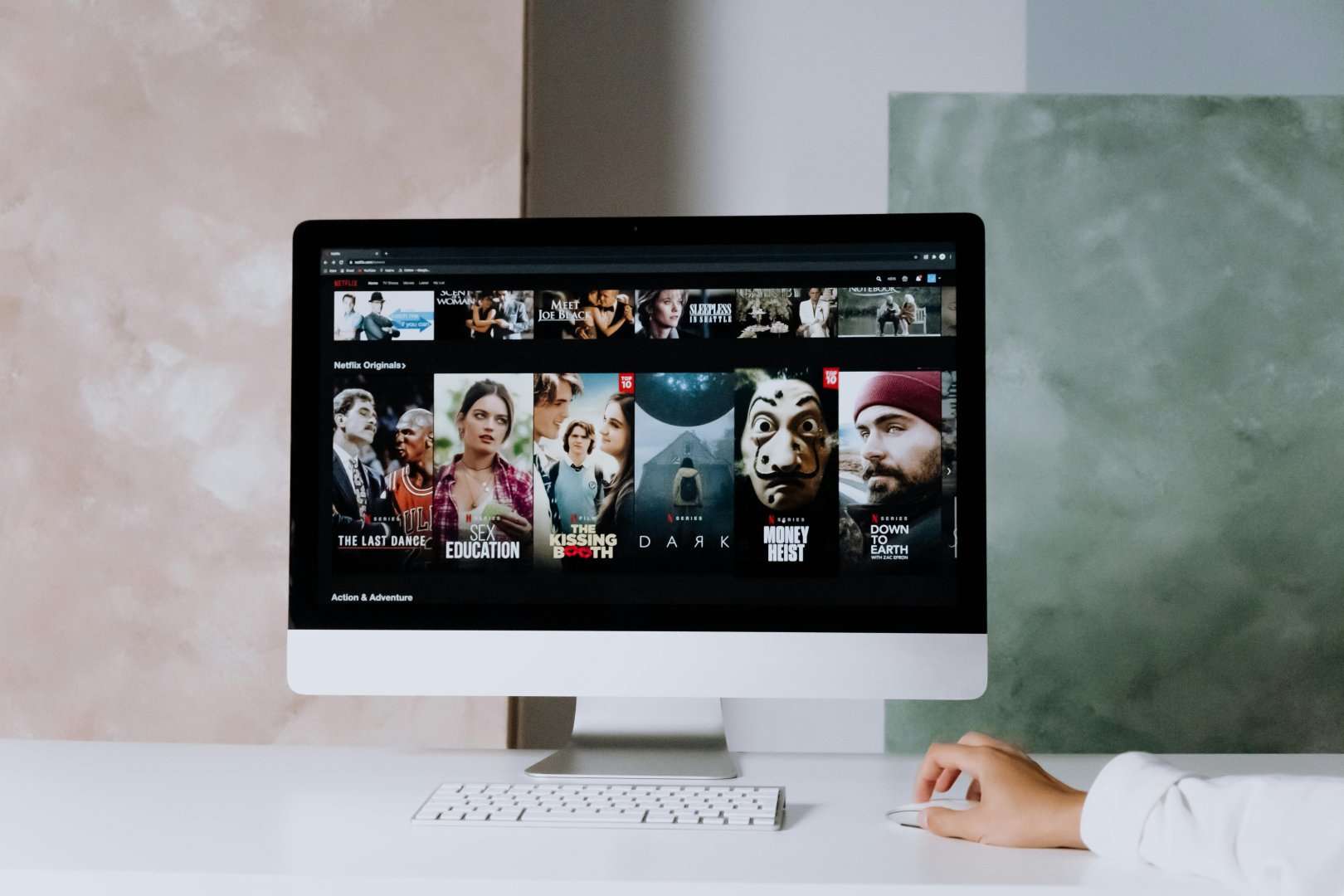
Caste Discrimination: A Lingering Shadow
Caste, a deeply entrenched social hierarchy, continues to plague India despite legal prohibitions. Several web series have bravely confronted this uncomfortable reality.
-
“Made in Heaven” (2019-Present): This series, set against the backdrop of lavish Delhi weddings, cleverly unveils the subtle and not-so-subtle ways caste prejudices manifest in modern India. The characters’ interactions, particularly those involving domestic staff and marginalized communities, expose the pervasive nature of caste-based discrimination. The series doesn’t shy away from depicting the power dynamics inherent in the system and its impact on individual lives.
-
“Paatal Lok” (2020): This neo-noir crime thriller delves into the underbelly of Indian society, exposing the systemic inequalities that perpetuate caste-based violence. The series explores the lives of marginalized individuals caught in the crosshairs of political and social forces, highlighting the brutal realities faced by those belonging to lower castes. The narrative underscores how caste continues to be a significant factor in determining one’s access to justice and opportunity.
-
“Aarya” (2020-Present): While not explicitly focused on caste, “Aarya” touches upon the issue through its portrayal of power structures and social hierarchies within a Rajasthani family involved in illegal businesses. The series subtly reveals how caste affiliations influence alliances and rivalries, highlighting the enduring relevance of caste in shaping social dynamics.
Gender Inequality and Patriarchy: Unmasking the Imbalance
Indian web series have become a crucial platform for addressing the pervasive issue of gender inequality and the suffocating grip of patriarchy.
-
“Four More Shots Please!” (2019-Present): This series revolves around the lives of four urban women navigating love, career, and societal expectations. It boldly tackles topics such as female sexuality, body image issues, and the challenges women face in patriarchal workplaces. While criticized by some for its portrayal of privilege, the series has undeniably sparked conversations about female empowerment and the need for greater gender equality.
-
“Delhi Crime” (2019): Based on the Nirbhaya gang rape case, “Delhi Crime” offers a harrowing portrayal of the systemic failures that contribute to violence against women. The series highlights the deep-seated misogyny within the police force and the societal apathy that often surrounds such crimes. It serves as a stark reminder of the urgent need for comprehensive reforms to ensure the safety and security of women.
-
“She” (2020-Present): This series explores the experiences of a female constable who goes undercover to bust a drug cartel. “She” delves into the complexities of female identity and sexuality in a patriarchal society. The protagonist’s journey of self-discovery challenges traditional notions of femininity and power, offering a nuanced perspective on the struggles women face in a male-dominated world.
-
“Gullak” (2019-Present): While seemingly a light-hearted family drama, “Gullak” subtly addresses gender roles and expectations within a middle-class Indian household. The series portrays the challenges faced by the female characters as they navigate societal pressures and strive for personal fulfillment. It offers a realistic and relatable depiction of the everyday sexism that women encounter in their daily lives.
Mental Health: Breaking the Stigma
Mental health is a topic that has long been shrouded in stigma in India. Web series are playing a vital role in breaking down these barriers and promoting open conversations about mental well-being.
-
“Little Things” (2016-2021): This slice-of-life series subtly addresses the importance of mental health through its portrayal of a young couple navigating the ups and downs of their relationship. The characters’ struggles with anxiety, stress, and self-doubt are depicted with sensitivity and realism, encouraging viewers to prioritize their own mental well-being.
-
“Permanent Roommates” (2014-2016): Although primarily a romantic comedy, “Permanent Roommates” touches upon the issue of anxiety and the pressures faced by young professionals in urban India. The characters’ anxieties about career, relationships, and societal expectations are portrayed with humor and empathy, making the topic relatable to a wider audience.
-
“What the Folks!” (2017-Present): This series explores the dynamics of a modern Indian family, including the challenges of intergenerational communication and the pressures of societal expectations. The series subtly addresses the importance of mental health by portraying characters who seek therapy and prioritize their emotional well-being.
LGBTQ+ Representation: Amplifying Marginalized Voices
Indian web series are increasingly providing a platform for LGBTQ+ stories, challenging societal prejudices and promoting greater understanding and acceptance.
-
“Made in Heaven” (2019-Present): The series features a gay protagonist, Karan, whose struggles with societal acceptance and self-acceptance are central to the narrative. “Made in Heaven” explores the complexities of being gay in India, including the challenges of navigating family expectations, workplace discrimination, and the lingering stigma surrounding same-sex relationships.
-
“Romil & Jugal” (2017): This series tells the story of two boys from different backgrounds who fall in love. “Romil & Jugal” challenges traditional notions of masculinity and explores the challenges faced by LGBTQ+ individuals in small-town India. The series promotes a message of love and acceptance, encouraging viewers to embrace diversity.
-
“The Other Love Story” (2016): This series is a pioneering portrayal of a lesbian relationship in 1990s Bangalore. “The Other Love Story” offers a nostalgic and heartwarming depiction of two women navigating their love for each other in a time when same-sex relationships were even more taboo. The series celebrates the resilience and courage of LGBTQ+ individuals who dared to defy societal norms.
Other Social Issues: Expanding the Narrative Landscape
Beyond the aforementioned issues, Indian web series are also tackling a range of other pressing social concerns.
-
“Kota Factory” (2019-Present): This series offers a realistic portrayal of the pressures faced by students preparing for competitive exams in Kota, Rajasthan. “Kota Factory” highlights the mental health challenges faced by students, the cutthroat competition, and the sacrifices they make in pursuit of their academic goals.
-
“TVF Pitchers” (2015): While primarily focused on entrepreneurship, “TVF Pitchers” also touches upon the challenges faced by young people in India, including unemployment, societal expectations, and the pressure to succeed.
-
“Dark 7 White” (2020): This political thriller explores themes of corruption, power, and social injustice within the Indian political system. “Dark 7 White” exposes the dark underbelly of politics and the lengths to which individuals will go to achieve their ambitions.
The Impact and Future of Socially Conscious Web Series
The impact of Indian web series in addressing social issues is undeniable. These series have sparked crucial conversations, challenged societal norms, and promoted greater understanding and empathy. By offering diverse perspectives and authentic portrayals, they have helped to break down stereotypes and create a more inclusive and equitable society.
The future of socially conscious web series in India is bright. As the digital landscape continues to evolve, web series will undoubtedly play an even greater role in shaping public opinion and driving social change. The increasing accessibility of online content and the growing demand for diverse and engaging narratives will further fuel the growth of this genre. With continued creativity and commitment to social justice, Indian web series have the potential to transform society and create a more just and equitable world. The use of vernacular languages in upcoming series further contributes to the increased reach of the platform.
![Telugu Web Series Review: [Series Name] - Is It Worth Watching?](https://webseriesdownload.website/wp-content/uploads/2026/02/pexels-photo-326514.jpeg)