The evolution of Korean web dramas is intrinsically linked to the rapid advancement of internet technology and the shifting consumption habits of younger generations. Traditional television dramas, while still popular, faced increasing competition from online platforms offering readily accessible, shorter-form content. This paradigm shift, coupled with the widespread adoption of smartphones and high-speed internet, created a fertile ground for the emergence of web dramas.
Early Korean web dramas, appearing in the late 2000s and early 2010s, were often low-budget productions experimenting with new narratives and formats. They served as a testing ground for aspiring actors, writers, and directors who sought to break into the entertainment industry without the constraints and financial burdens of traditional television. These initial forays, while sometimes amateurish, laid the groundwork for the sophisticated and commercially viable web dramas we see today.
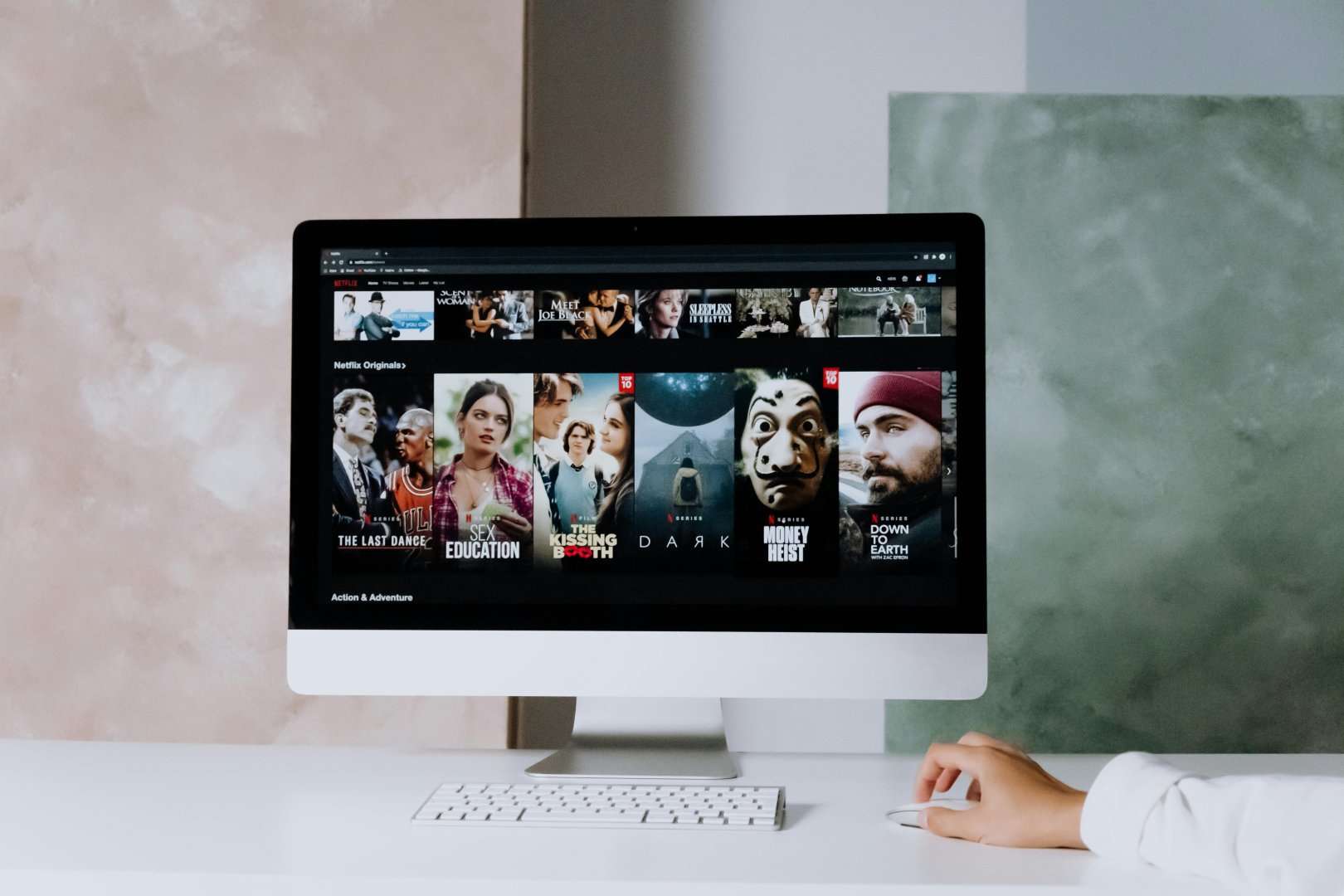
Key to their initial appeal was their accessibility. Platforms like Naver TV Cast and YouTube provided free and easy access to these dramas, bypassing the need for cable subscriptions or scheduled viewing times. This on-demand availability resonated strongly with younger audiences who preferred to consume content at their own pace and on their own devices. Furthermore, the shorter episode lengths, typically ranging from 5 to 20 minutes, catered to the attention spans and busy lifestyles of this demographic.
The rise of social media also played a crucial role in the initial success of web dramas. Platforms like Facebook and Twitter facilitated the viral spread of popular clips and scenes, generating buzz and attracting new viewers. This organic marketing, driven by audience engagement, proved to be a powerful tool for promoting web dramas with limited marketing budgets.
The early web dramas often focused on relatable themes and scenarios that resonated with young audiences, such as high school romance, friendship, and career aspirations. This focus on relatable narratives, combined with their accessibility and short format, contributed to their growing popularity and established them as a distinct form of entertainment in the Korean media landscape.

Korean web dramas distinguish themselves from traditional television dramas through several key characteristics, encompassing format, content, and target audience. These distinctions are crucial to understanding their unique appeal and their position within the broader Korean entertainment industry.
Format: The defining characteristic of web dramas is their shorter episode lengths. Unlike traditional dramas with episodes lasting 60-90 minutes, web drama episodes typically range from 5 to 20 minutes. This brevity allows for quicker consumption and caters to the increasingly short attention spans of modern viewers. The overall season length is also typically shorter, often consisting of 6 to 20 episodes, compared to the 16-episode standard for many traditional Korean dramas. This condensed format necessitates a faster pace and a more focused narrative.
Content: Web dramas often explore themes and genres that are less common in traditional television. While romance remains a popular genre, web dramas frequently delve into topics such as fantasy, science fiction, horror, and LGBTQ+ stories, often with a lighter and more experimental approach. They are also more likely to tackle social issues and explore unconventional relationships, reflecting the evolving values and perspectives of younger generations. The content is often tailored to resonate with specific online communities and fandoms.
Target Audience: The primary target audience for Korean web dramas is young adults, particularly those in their teens and twenties. This demographic is highly active online and seeks content that is relatable, engaging, and easily accessible. Web dramas often feature young actors and actresses who are popular among this age group, further enhancing their appeal. The marketing and promotion strategies for web dramas are also heavily focused on online platforms and social media, reflecting the target audience’s online habits.
Furthermore, web dramas often incorporate interactive elements, such as polls, quizzes, and behind-the-scenes content, to further engage their audience. This interactive approach fosters a sense of community and allows viewers to feel more connected to the drama and its creators. The focus on the target audience’s preferences and online behavior is a key factor in the success of Korean web dramas.
The Korean web drama ecosystem is shaped by a diverse range of platforms and production companies, each contributing to the growth and evolution of this unique entertainment form. Understanding these key players is essential for comprehending the dynamics of the industry.
Platforms: Several platforms play a crucial role in hosting and distributing Korean web dramas. Naver TV Cast (now Naver NOW.) was one of the earliest and most influential platforms, providing a free and easily accessible space for web dramas to reach a wide audience. YouTube has also become a major platform, hosting both independently produced web dramas and those produced by larger entertainment companies. Viki, a global streaming platform specializing in Asian dramas and movies, offers a wide selection of Korean web dramas with subtitles in multiple languages, expanding their reach to international audiences. Newer platforms such as KakaoTV and Seezn are also investing heavily in web drama production and distribution.
Production Companies: A variety of production companies are involved in creating Korean web dramas, ranging from small independent studios to large entertainment conglomerates. Playlist Global is a prominent production company known for its highly popular web dramas such as “A-Teen” and “Love Playlist.” These dramas have achieved significant success both domestically and internationally, establishing Playlist Global as a leader in the web drama industry. 72 Seconds is another notable production company known for its innovative and experimental web dramas, often featuring unique visual styles and unconventional narratives. Large entertainment companies such as CJ E&M and JTBC Studios are also increasingly involved in web drama production, leveraging their resources and expertise to create high-quality content.
The interplay between these platforms and production companies is crucial to the success of Korean web dramas. Platforms provide the distribution channels and audience reach, while production companies create the content that attracts viewers. The competition among platforms and production companies drives innovation and ensures a diverse range of web dramas are available to audiences. Furthermore, collaborations between platforms and production companies are becoming increasingly common, leading to the creation of high-profile web dramas with significant marketing budgets.
Several Korean web dramas have achieved significant popularity and had a notable impact on the entertainment industry. Examining these case studies provides valuable insights into the factors that contribute to their success and their influence on the broader media landscape.
A-Teen (2018): “A-Teen” is arguably one of the most successful Korean web dramas of all time. Produced by Playlist Global, it follows the lives of six high school students as they navigate friendship, love, and academic pressures. The drama’s relatable characters, engaging storyline, and catchy soundtrack resonated strongly with young audiences, propelling it to viral fame. “A-Teen” spawned a sequel, “A-Teen 2,” and launched the careers of several young actors, including Shin Ye-eun and Lee Na-eun. Its success demonstrated the potential of web dramas to reach a massive audience and create lasting cultural impact.
Love Playlist (2017-2019): Also produced by Playlist Global, “Love Playlist” is a romantic drama that explores the complexities of college relationships. The series features a diverse cast of characters and tackles relatable issues such as unrequited love, jealousy, and communication problems. “Love Playlist” gained a large following for its realistic portrayal of young love and its charming cast. The series ran for four seasons and became a cultural phenomenon, solidifying Playlist Global’s position as a leading web drama producer.
Extraordinary You (Webtoon Adaptation): While later adapted into a full-fledged television drama, “Extraordinary You” began as a popular webtoon. Its success highlights the growing trend of adapting webtoons into web dramas and television series. The story follows a high school student who discovers that she is a character in a comic book and attempts to change her predetermined fate. The drama’s unique premise, visually appealing aesthetics, and compelling characters attracted a large audience, paving the way for its successful television adaptation.
These case studies demonstrate that successful Korean web dramas often share several key characteristics: relatable characters, engaging storylines, high production values, and effective online marketing. They also highlight the potential of web dramas to launch the careers of young actors and create lasting cultural impact. The success of these dramas has inspired other production companies to invest in web drama production, further contributing to the growth and evolution of the industry.
The future of Korean web dramas appears bright, with several emerging trends and challenges shaping the industry’s trajectory. Understanding these factors is crucial for predicting the direction of web drama production and consumption in the years to come.
Increased Production Quality: As the web drama industry matures, production quality is steadily increasing. Production companies are investing more resources in casting, writing, directing, and visual effects, resulting in web dramas that are increasingly comparable to traditional television dramas in terms of production value. This trend is driven by the desire to attract larger audiences and compete with the growing number of streaming platforms offering high-quality content.
Collaboration with Traditional Media: The lines between web dramas and traditional television dramas are becoming increasingly blurred. Many web dramas are now being adapted into full-length television series, and vice versa. This collaboration between web drama producers and traditional television networks is creating new opportunities for both industries. It allows web dramas to reach a wider audience and provides traditional television networks with access to fresh content and younger viewers.
Global Expansion: Korean web dramas are gaining increasing popularity internationally, thanks to the widespread availability of subtitles and the growing interest in Korean culture. Streaming platforms like Viki and Netflix are playing a key role in distributing Korean web dramas to global audiences. This global expansion is creating new opportunities for Korean web drama producers to reach larger markets and generate more revenue.
Challenges: