The Rise of the Digital Stage: Understanding the Web Drama Phenomenon
The Korean Wave, or Hallyu, has long captivated global audiences with its K-pop music, films, and television dramas. However, a lesser-known yet equally potent force has quietly been reshaping the landscape of Korean entertainment: the web drama. These short-form, digitally-distributed dramas have carved a significant niche, attracting younger demographics and experimenting with narratives and formats that traditional broadcast television often avoids. Understanding their production and current trends requires examining their unique ecosystem.
Production Dynamics: Agility and Innovation
Web drama production differs significantly from the elaborate and often bureaucratic processes of traditional Korean television. Key distinctions lie in budget, format, casting, and distribution strategies.
-

Budget Constraints and Creative Solutions: Web dramas operate on significantly smaller budgets compared to their broadcast counterparts. This constraint necessitates creative problem-solving in all aspects of production. Location shoots are often minimized, favoring smaller sets or even leveraging existing locations cleverly. Visual effects are typically less elaborate, replaced by a greater emphasis on strong storytelling and engaging performances. This budget-consciousness also encourages the use of innovative filming techniques, such as handheld cameras and unconventional angles, to create a more intimate and relatable viewing experience.
-
Short-Form Format and Pacing: The defining characteristic of web dramas is their brevity. Episodes typically range from 5 to 20 minutes, and the entire series often spans only 6 to 20 episodes. This condensed format demands tight scripting and efficient storytelling. Subplots are streamlined, and narratives often focus on a central theme or conflict, resolved within the limited timeframe. The pacing is typically faster than traditional dramas, with less time devoted to establishing atmosphere or developing secondary characters. This quick pace keeps viewers engaged and encourages binge-watching, a key element of web drama consumption.
-
Casting Strategies: Emerging Talent and Idol Power: Web dramas serve as a crucial platform for emerging actors and actresses to gain exposure and hone their skills. Many established stars started their careers in web dramas, using them as a stepping stone to larger roles in broadcast television and film. The lower financial risk allows producers to take chances on less-known talent, fostering a vibrant ecosystem of rising stars. Furthermore, web dramas are frequently used as a vehicle for K-pop idols to expand their careers into acting. The established fanbases of these idols provide a built-in audience for the web dramas, guaranteeing a certain level of viewership and generating significant buzz on social media.
-
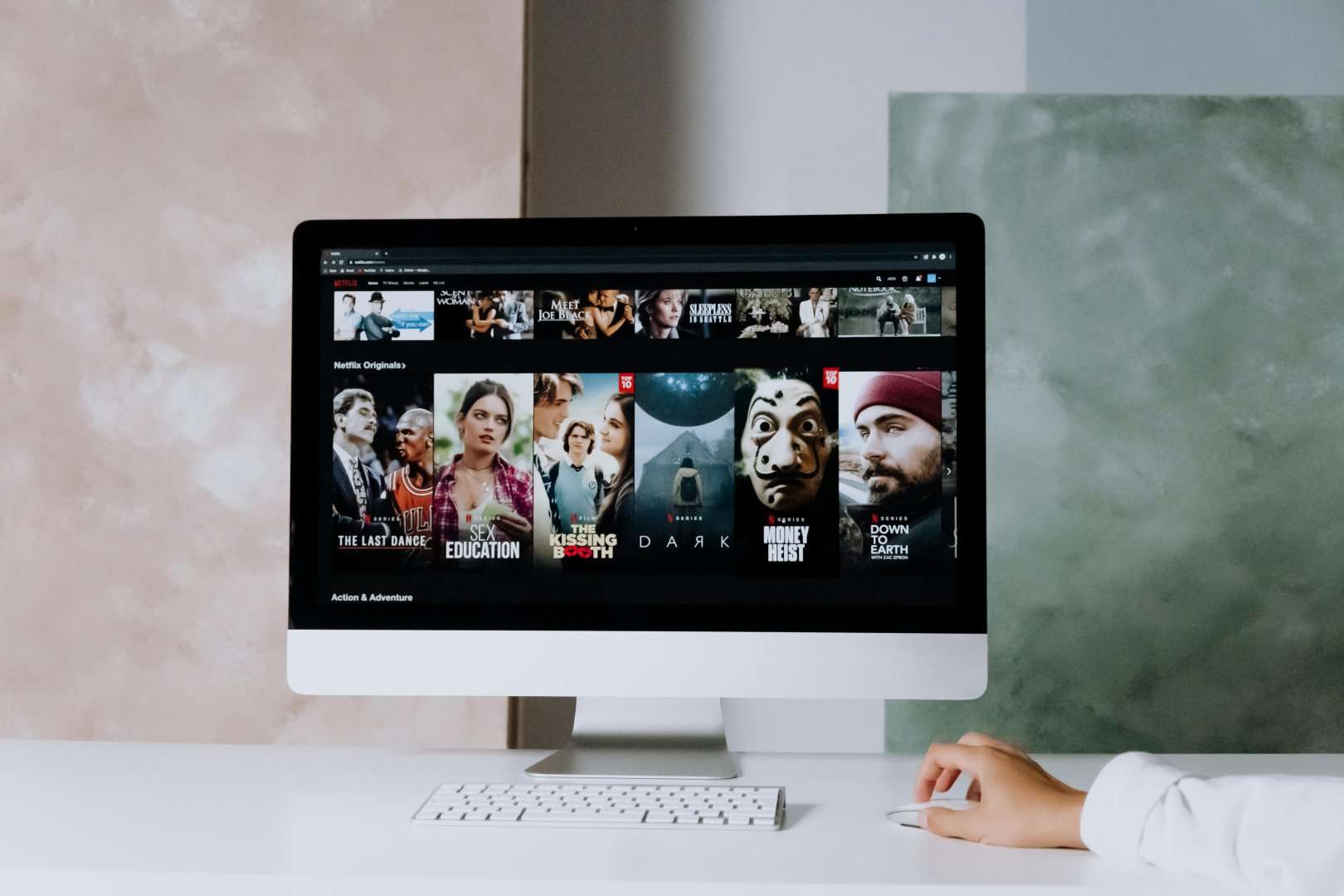
Distribution Channels: The Digital Frontier: Unlike traditional dramas that rely on broadcast networks, web dramas primarily thrive on digital platforms. YouTube, Naver TV, Viki, and other streaming services are the primary distribution channels. This digital distribution model offers several advantages. It allows for greater accessibility, reaching a global audience without the limitations of geographical boundaries or broadcast schedules. It also provides producers with valuable data on viewership patterns, allowing them to tailor future content based on audience preferences. The interactive nature of online platforms also encourages viewer engagement through comments, ratings, and social media sharing, creating a sense of community around the web dramas.
Themes and Trends: Reflecting the Zeitgeist
Web dramas, unencumbered by the constraints of traditional broadcasting, often explore themes and narratives that resonate with younger audiences and reflect contemporary societal concerns. Several key trends have emerged in recent years:
-
Romance and Coming-of-Age Stories: Romance remains a dominant genre in web dramas, but the portrayals are often more relatable and less idealized than those found in traditional dramas. These stories often focus on the challenges of young love, exploring themes of self-discovery, personal growth, and navigating the complexities of relationships. Common tropes include first love, campus romances, and stories about overcoming personal insecurities to find love. The focus is often on the emotional journey of the characters, rather than elaborate plot twists or dramatic conflicts.
-
Slice-of-Life Narratives and Everyday Struggles: Web dramas frequently depict the everyday lives and struggles of young people in Korea. These slice-of-life narratives explore themes of friendship, family, career aspirations, and the pressures of societal expectations. They often portray the mundane aspects of daily life, such as studying for exams, working part-time jobs, and dealing with difficult family dynamics. The relatability of these stories is a key factor in their popularity, as viewers can easily identify with the characters and their experiences.
-
Fantasy and Sci-Fi Elements: While romance and slice-of-life stories are prevalent, web dramas also embrace fantasy and sci-fi genres with increasing frequency. These dramas often explore themes of parallel universes, time travel, supernatural powers, and futuristic technologies. The lower budget constraints encourage creative storytelling and innovative visual effects, even if they are not as polished as those found in big-budget productions. These fantasy and sci-fi web dramas often appeal to viewers who are looking for something different from the typical romance or melodrama.
-
LGBTQ+ Representation and Social Issues: Web dramas have become a relatively safe space for exploring LGBTQ+ themes and addressing social issues that are often marginalized in mainstream media. While representation is still limited, web dramas have featured storylines about same-sex relationships, gender identity, and the challenges faced by LGBTQ+ individuals in Korean society. They also tackle other social issues such as bullying, mental health, and economic inequality. These dramas often aim to raise awareness and promote understanding, contributing to a more inclusive and tolerant society.
-
Interactive Storytelling and Gamification: Some web dramas are experimenting with interactive storytelling techniques, allowing viewers to influence the plot through choices they make during the viewing experience. This gamification of storytelling enhances viewer engagement and creates a more immersive experience. Viewers may be presented with different scenarios or character choices, and their decisions will determine the outcome of the story. This interactive format is particularly popular among younger audiences who are accustomed to interactive media and video games.
The Impact and Future of Web Dramas
The impact of Korean web dramas extends beyond mere entertainment. They have become a significant force in shaping popular culture, influencing trends in fashion, music, and language. They have also provided a valuable training ground for emerging talent and a platform for exploring diverse narratives.
-
Influence on Popular Culture: Web dramas often feature trendy fashion styles, catchy soundtracks, and popular slang, which quickly spread among young people in Korea and around the world. The popularity of these dramas can also boost the sales of related merchandise, such as clothing, accessories, and beauty products.
-
Talent Development and Career Advancement: As mentioned previously, web dramas provide a crucial platform for emerging actors, writers, and directors to hone their skills and gain exposure. Many established stars have credited web dramas with launching their careers.
-
Innovation in Storytelling and Production: The unique constraints and opportunities of web drama production have fostered innovation in storytelling and production techniques. The condensed format, reliance on digital platforms, and focus on younger audiences have pushed creators to experiment with new approaches and formats.
The future of Korean web dramas looks bright. As digital platforms continue to grow and evolve, web dramas are poised to become even more influential and innovative. The increasing demand for short-form content, the growing popularity of K-dramas worldwide, and the continued experimentation with new technologies and formats will ensure that web dramas remain a vibrant and dynamic force in the Korean entertainment industry. The continued exploration of diverse themes, the embracing of interactive storytelling, and the focus on relatable characters will continue to captivate audiences and solidify web dramas’ place in the global entertainment landscape.