The Rise of Rainbow Screens: LGBTQ+ Representation and Storytelling in Web Series
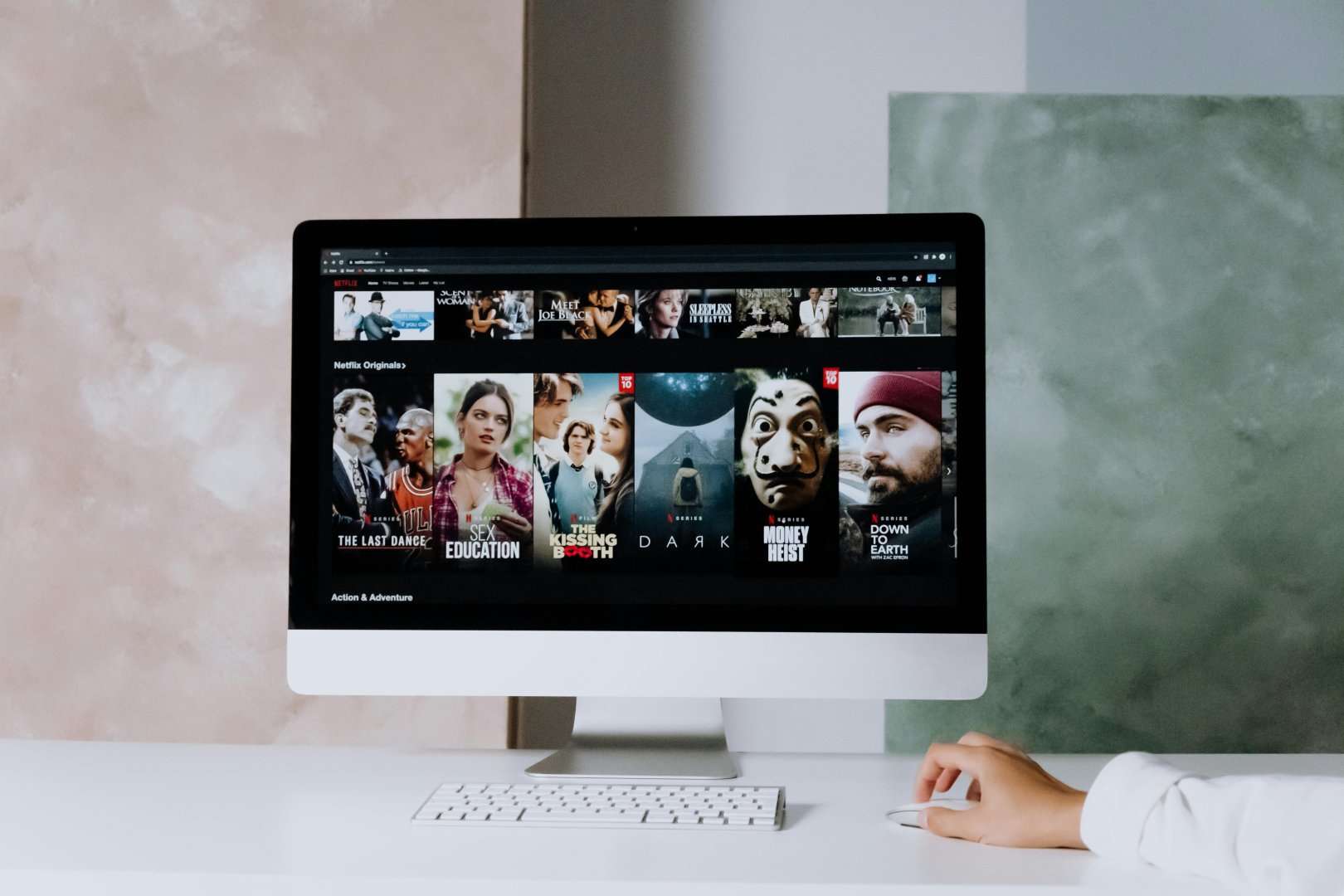
The digital landscape has irrevocably shifted the entertainment paradigm. No longer solely reliant on traditional television and film, audiences are increasingly turning to web series for their fix of compelling narratives. This shift has been particularly transformative for LGBTQ+ representation, offering a platform for stories that mainstream media often overlooks or sanitizes. Web series, with their lower barriers to entry and potential for niche audience targeting, have become a vibrant breeding ground for authentic, diverse, and groundbreaking LGBTQ+ storytelling.
Breaking Barriers: Accessibility and Creative Freedom
One of the most significant advantages of web series is their accessibility. Production costs are typically lower compared to traditional media, allowing independent creators to bypass gatekeepers and bring their visions to life. This financial flexibility empowers LGBTQ+ filmmakers and writers to tell stories that resonate with their communities without the pressure to conform to mainstream expectations or cater to a broader, potentially less receptive, audience.
The creative freedom afforded by the web series format is equally crucial. Creators are less constrained by network executives or studio mandates, allowing them to explore complex themes, nuanced characters, and unconventional narratives that might be deemed too risky or niche for traditional platforms. This freedom translates into more authentic and relatable representation, showcasing the diversity within the LGBTQ+ community and challenging harmful stereotypes.

Beyond Stereotypes: Nuance and Complexity in Character Portrayals
Historically, LGBTQ+ characters in mainstream media have often been relegated to supporting roles, serving as comic relief or tragic figures. Their identities were frequently defined solely by their sexuality or gender identity, neglecting the multifaceted nature of their personalities and experiences. Web series are actively dismantling these stereotypes by presenting LGBTQ+ characters as fully realized individuals with their own unique aspirations, flaws, and relationships.
For example, series like “Carmilla,” a Canadian web series adapting the gothic novella, subverts the “bury your gays” trope by presenting a compelling lesbian romance within a supernatural context. The characters are not defined solely by their sexuality; they are complex individuals navigating love, friendship, and existential threats, making their relationship feel organic and meaningful.
Similarly, series like “Her Story,” created by Angelica Ross and Jen Richards, focus on the experiences of trans women, highlighting the challenges they face in dating, employment, and social interactions. The series prioritizes authenticity by casting trans actors and writers, ensuring that the stories are told from a lived experience perspective. It moves beyond simplistic portrayals of gender transition to explore the nuanced complexities of identity, relationships, and societal acceptance.
Furthermore, web series are increasingly exploring the intersections of LGBTQ+ identity with other marginalized identities, such as race, ethnicity, disability, and socioeconomic status. This intersectional approach allows for a more comprehensive and nuanced understanding of the challenges and experiences faced by individuals who belong to multiple marginalized groups.
Diverse Narratives: Exploring the Spectrum of LGBTQ+ Experiences
The range of narratives explored in LGBTQ+ web series is vast and continuously expanding. From coming-of-age stories to romantic comedies, dramas to thrillers, web series are showcasing the diversity of LGBTQ+ experiences in all their complexity and beauty.
Many web series focus on the coming-out process, offering relatable and supportive narratives for young people grappling with their identities. These series often explore the challenges of navigating family relationships, peer pressure, and societal expectations, providing a sense of community and validation for viewers who may feel isolated or alone.
Other web series delve into the complexities of LGBTQ+ relationships, depicting the joys, challenges, and nuances of love and intimacy. These series often challenge traditional notions of romance and family, showcasing the diversity of LGBTQ+ relationships and the importance of acceptance and understanding.
Furthermore, web series are increasingly addressing important social and political issues affecting the LGBTQ+ community, such as discrimination, violence, and access to healthcare. These series serve as a powerful tool for raising awareness, promoting advocacy, and fostering dialogue about LGBTQ+ rights and equality.
Community Building: Fostering Connection and Dialogue
Beyond entertainment, LGBTQ+ web series are playing a vital role in building community and fostering connection among viewers. The comment sections and social media platforms associated with these series often become spaces for viewers to share their own experiences, connect with others who understand them, and engage in meaningful discussions about LGBTQ+ issues.
The interactive nature of web series allows creators to directly engage with their audiences, responding to comments, answering questions, and soliciting feedback. This direct interaction fosters a sense of community and ownership, empowering viewers to feel like active participants in the storytelling process.
Furthermore, many LGBTQ+ web series are created by and for LGBTQ+ individuals, fostering a sense of authenticity and representation that is often lacking in mainstream media. This sense of authenticity creates a safe and welcoming space for viewers to connect with characters and stories that reflect their own experiences.
Challenges and Opportunities: The Future of LGBTQ+ Web Series
Despite the significant progress made in LGBTQ+ representation in web series, challenges remain. Funding continues to be a major obstacle for many independent creators, limiting their ability to produce high-quality content and reach wider audiences.
Visibility is another key challenge. With the vast amount of content available online, it can be difficult for LGBTQ+ web series to stand out and reach their target audiences. Marketing and promotion are essential for increasing visibility, but these activities often require significant financial resources.
However, the future of LGBTQ+ web series is bright. As technology continues to evolve and online platforms become more accessible, the opportunities for creators to tell their stories and connect with audiences will only continue to grow.
One promising trend is the increasing recognition of LGBTQ+ web series by mainstream media outlets and awards organizations. This recognition helps to raise the profile of these series and attract new viewers.
Another positive development is the growing number of LGBTQ+ actors, writers, and directors who are using their platforms to advocate for greater representation and inclusion in the entertainment industry. Their voices and influence are helping to create a more equitable and diverse landscape for LGBTQ+ storytelling.
Ultimately, the success of LGBTQ+ web series hinges on continued support from viewers, creators, and industry stakeholders. By investing in these series, promoting their visibility, and advocating for greater representation, we can ensure that LGBTQ+ stories continue to be told, heard, and celebrated. The power of these narratives lies in their ability to connect, educate, and inspire, fostering a more inclusive and understanding world for all. They represent a powerful force in shaping cultural perceptions and promoting acceptance, proving that representation truly matters and storytelling, at its finest, can change the world, one episode at a time. The future of queer media is online, and it’s bursting with potential.