Nadia Vulvokov, a software engineer in New York City, finds herself trapped in a time loop, reliving her 36th birthday party only to repeatedly die. This dark comedy-drama, co-created by Natasha Lyonne, Leslye Headland, and Amy Poehler, deftly blends humor, existentialism, and psychological exploration. Lyonne’s performance is captivating as she navigates the increasingly bizarre and emotionally resonant circumstances.
The show’s strength lies in its intricate narrative structure and its exploration of trauma, addiction, and self-acceptance. Each loop reveals new details about Nadia’s past and the interconnectedness of her relationships. The supporting cast, particularly Charlie Barnett as Alan Zaveri, another individual trapped in a similar loop, adds depth and emotional complexity to the story.

“Russian Doll” isn’t just a time loop narrative; it’s a profound meditation on the choices we make and the impact they have on ourselves and others. The series is visually striking, with its vibrant New York City setting and its use of symbolism and recurring motifs. The soundtrack is also noteworthy, featuring a mix of classic and contemporary tracks that perfectly complement the show’s tone. Its second season, while different in structure, delves even deeper into familial trauma and the complexities of time travel.
This German science fiction thriller is a masterclass in intricate storytelling. Set in the fictional town of Winden, Germany, “Dark” follows the disappearance of two young children, which unravels the secrets of four interconnected families and exposes a sinister time-travel conspiracy spanning multiple generations.
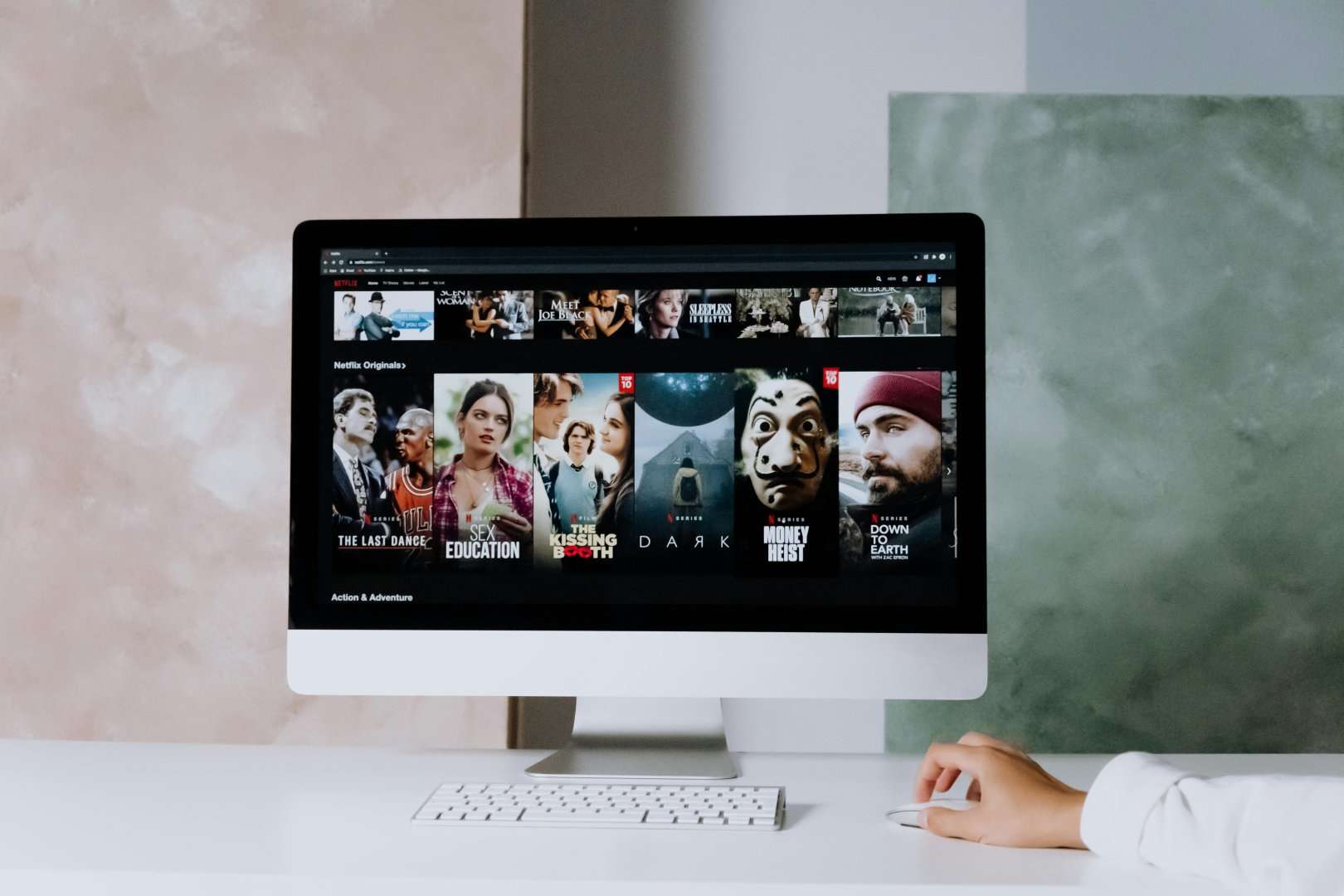
What sets “Dark” apart from other time-travel narratives is its meticulous attention to detail and its commitment to logical consistency. The show establishes clear rules for its time-travel mechanism and adheres to them rigorously, creating a believable and immersive world. The characters are complex and flawed, driven by their own desires and motivations, even when those motivations are in conflict with each other.
The series explores themes of fate, free will, and the cyclical nature of time. It challenges viewers to question their own understanding of causality and the interconnectedness of events. “Dark” is visually stunning, with its atmospheric cinematography and its use of the German landscape to create a sense of mystery and foreboding. The soundtrack is also haunting and evocative, adding to the show’s overall sense of unease. This is a show that demands your attention, but the rewards are well worth the effort.
“BoJack Horseman” is an animated sitcom that follows the life of a washed-up 1990s sitcom star, BoJack Horseman, as he navigates his struggles with depression, addiction, and the pursuit of happiness in Hollywood. While the show features anthropomorphic animals and plenty of absurdist humor, it also tackles serious and often uncomfortable topics with surprising depth and sensitivity.
BoJack is a deeply flawed and often unlikeable character, but his struggles are relatable and his journey towards self-awareness is ultimately compelling. The show explores the complexities of mental illness, the destructive nature of addiction, and the challenges of building meaningful relationships.
The supporting cast is equally well-developed, with characters like Diane Nguyen, Princess Carolyn, and Mr. Peanutbutter each grappling with their own personal demons. “BoJack Horseman” is not afraid to push boundaries and challenge viewers to confront uncomfortable truths about themselves and the world around them. The animation style is distinctive and visually appealing, and the voice acting is superb. While it’s a comedy, it’s also a deeply moving and thought-provoking exploration of the human condition.
“Undone” is a visually stunning and emotionally resonant animated series that explores themes of trauma, mental illness, and the nature of reality. Created by Raphael Bob-Waksberg and Kate Purdy (the minds behind “BoJack Horseman”), the show follows Alma Winograd-Diaz, a young woman who develops the ability to manipulate time and space after surviving a car accident.
Alma uses her newfound abilities to investigate the death of her father, Jacob, a brilliant physicist who died under mysterious circumstances. As Alma delves deeper into her father’s past, she begins to question her own sanity and the nature of her reality.
“Undone” is notable for its use of rotoscoping animation, a technique that involves tracing over live-action footage to create a unique and dreamlike visual style. The show’s animation perfectly captures the shifting and distorted perceptions of Alma as she navigates her altered reality. The series explores complex themes of grief, loss, and the search for meaning. It also raises questions about the reliability of memory and the nature of truth.
“The Boys” is a darkly comedic and ultra-violent superhero series that subverts the traditional superhero narrative. In a world where superheroes are corporate-owned celebrities who often abuse their powers, a group of vigilantes known as “The Boys” set out to expose the truth about “The Seven,” the world’s most powerful superhero team.
The show is a scathing satire of celebrity culture, corporate greed, and the corruption of power. It presents a cynical and often disturbing vision of what superheroes might be like in the real world. The Boys are not traditional heroes; they are flawed, morally ambiguous individuals who are willing to do whatever it takes to achieve their goals.
“The Boys” is not for the faint of heart. It features graphic violence, explicit content, and a generally cynical worldview. However, it is also a highly entertaining and thought-provoking series that challenges viewers to question their assumptions about superheroes and the nature of good and evil. The performances are excellent, and the writing is sharp and witty.
This short-lived but impactful series blends the awkwardness of adolescence with the discovery of burgeoning superpowers. Sydney Novak, a teenage girl grappling with the recent death of her father, discovers she has telekinetic abilities that manifest during moments of intense emotion.
“I Am Not Okay With This” perfectly captures the anxieties and uncertainties of being a teenager. Sydney’s struggles with grief, sexuality, and social isolation are relatable and authentic. The show’s supernatural elements add a layer of intrigue and suspense, as Sydney learns to control her powers and confronts the dangers they pose.
The series is visually stylish, with its retro aesthetic and its use of comic book-inspired visuals. The soundtrack is also excellent, featuring a mix of indie rock and alternative pop that perfectly complements the show’s tone. While it was unfortunately canceled after one season, “I Am Not Okay With This” left a lasting impression with its relatable characters, its engaging storyline, and its exploration of complex themes.
Based on the 2014 film of the same name, “What We Do in the Shadows” is a hilarious mockumentary series that follows the lives of four vampire roommates living in Staten Island. The series satirizes vampire lore and everyday life, creating a unique and consistently funny viewing experience.
Nandor the Relentless, Nadja, Laszlo, and Colin Robinson are all distinct and hilarious characters, each with their own quirks and eccentricities. The show’s humor is dry, witty, and often absurd, and the performances are consistently excellent.
“What We Do in the Shadows” is not just a comedy; it’s also a surprisingly insightful look at the dynamics of long-term relationships and the challenges of adapting to modern life. The series is constantly evolving and introducing new characters and storylines, keeping the humor fresh and engaging. It’s a perfect show for anyone who enjoys dark comedy, mockumentaries, or vampire stories with a twist.
“Love, Death & Robots” is an animated anthology series that explores a wide range of genres, including science fiction, fantasy, horror, and comedy. Each episode is a standalone story with its own unique animation style and narrative.
The series is known for its visually stunning animation, its diverse range of stories, and its mature themes. Episodes often explore complex ethical dilemmas, the nature of consciousness, and the potential dangers of technology.
“Love, Death & Robots” is not for the faint of heart. It features graphic violence, nudity, and mature themes. However, it is also a highly creative and thought-provoking series that showcases the versatility of animation as a storytelling medium. The anthology format allows viewers to sample a variety of genres and animation styles, making it a perfect choice for those looking for something different.
“Veep” is a sharp and hilarious political satire that follows the career of Selina Meyer, a cynical and ambitious Vice President who constantly struggles to maintain her power and influence. The series is known for its witty dialogue, its realistic portrayal of political maneuvering, and its ensemble cast of talented actors.
Julia Louis-Dreyfus delivers a tour-de-force performance as Selina Meyer, a character who is both deeply flawed and surprisingly relatable. The supporting cast, including Tony Hale, Anna Chlumsky, and Matt Walsh, is equally brilliant, each bringing their own unique comedic talents to the show.
“Veep” is not just a comedy; it’s also a biting commentary on the state of modern politics. The series exposes the absurdity and hypocrisy