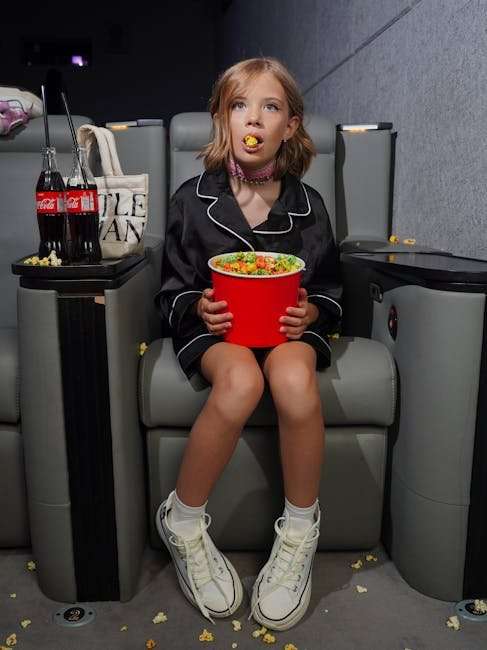
The Rise of OTT Web Series: A New Era of Storytelling
The entertainment landscape has undergone a seismic shift in the 21st century, largely driven by the proliferation of Over-The-Top (OTT) platforms. These platforms, delivering content directly to viewers via the internet, have spawned a new form of storytelling: the web series. Unlike traditional television, web series often benefit from fewer constraints, allowing for greater creative freedom, niche targeting, and a more direct relationship with audiences. This has resulted in a profound cultural impact, reshaping viewing habits, influencing social discourse, and fostering a more diverse and inclusive media environment.
Accessibility and Democratization of Content Creation
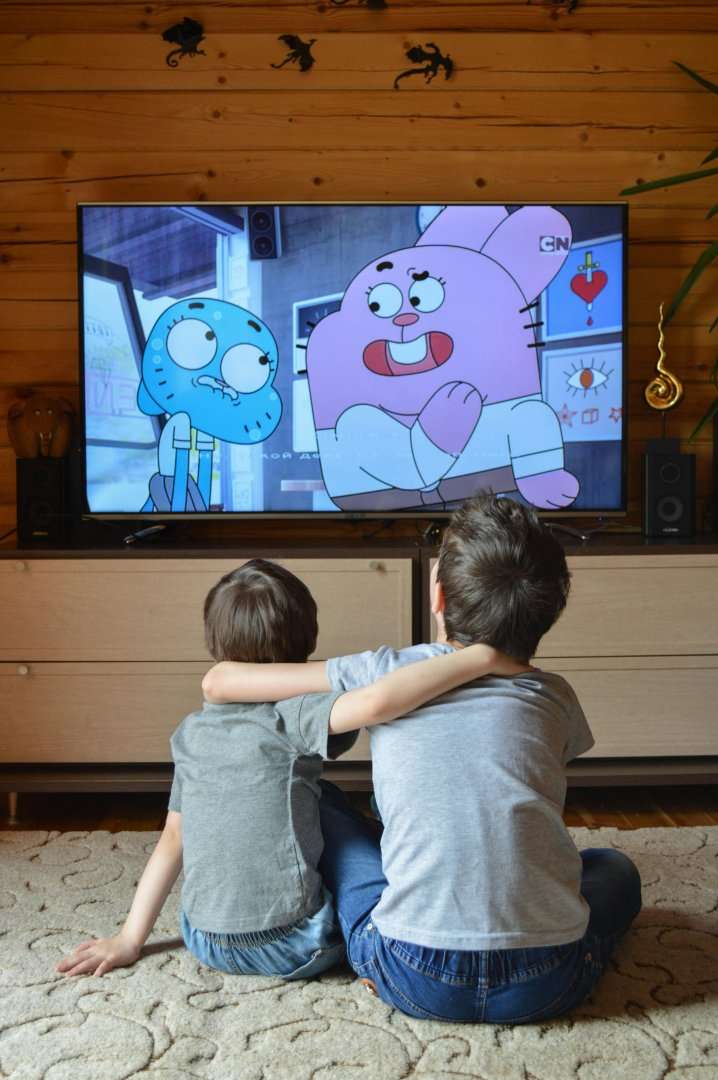
One of the most significant contributions of OTT platforms to the cultural landscape is the increased accessibility they provide, both for creators and consumers. Traditional television production often requires substantial financial investment and navigating complex gatekeeping mechanisms. OTT platforms, on the other hand, have lowered the barriers to entry, enabling independent filmmakers, writers, and actors to create and distribute their work to a global audience. This democratization of content creation has led to a surge in diverse voices and perspectives, offering narratives that are often underrepresented in mainstream media.
Platforms like YouTube, Vimeo, and more recently, streaming giants like Netflix, Amazon Prime Video, and Disney+, have provided avenues for creators to bypass traditional studios and connect directly with their audience. This has empowered marginalized communities, allowing them to tell their stories on their own terms, challenging established norms and promoting greater understanding and empathy. The rise of web series has, therefore, contributed to a more inclusive and representative media landscape, reflecting the diverse realities of the global population.
Niche Audiences and Hyper-Targeted Content
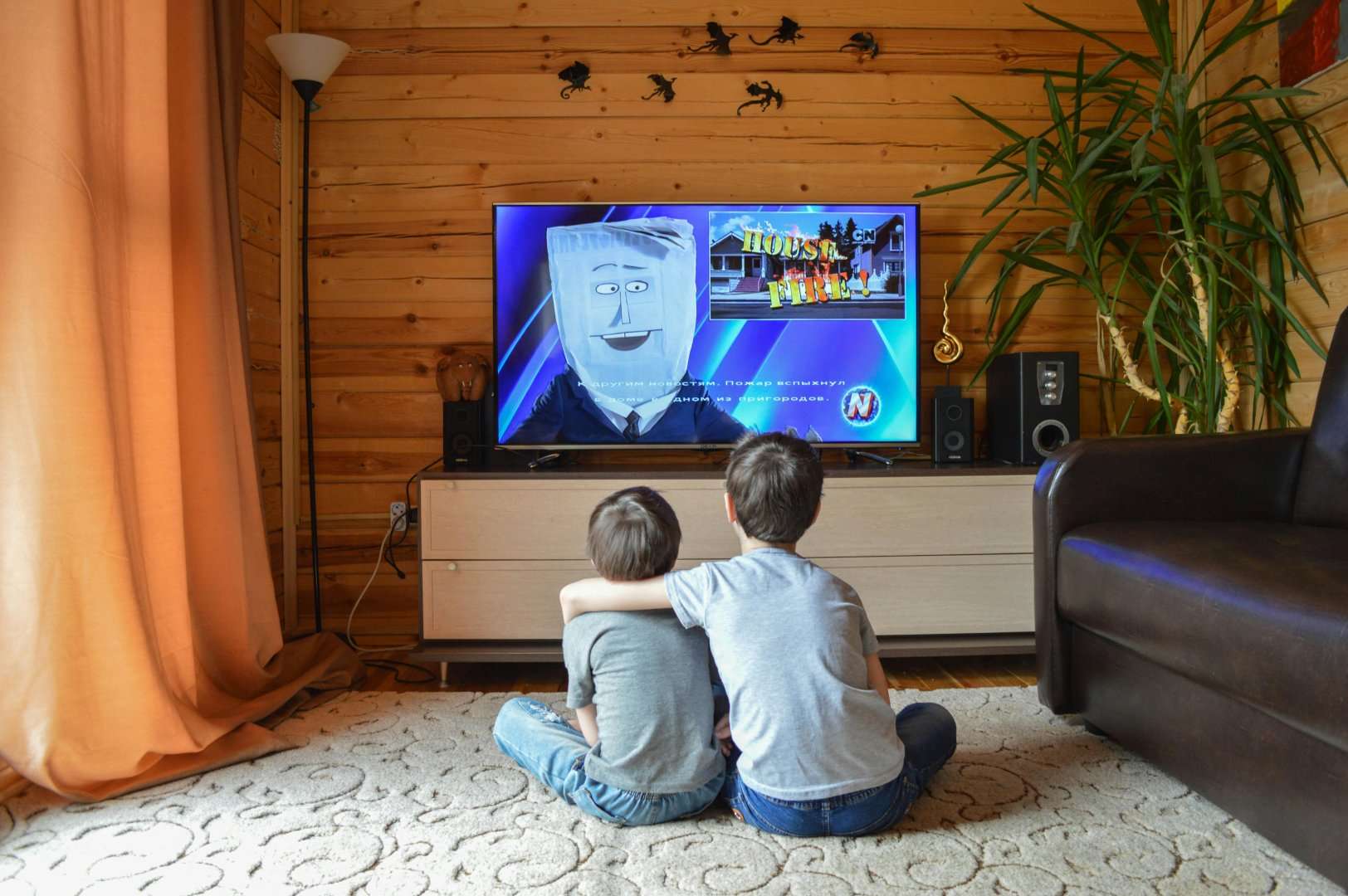
Traditional television programming aims for broad appeal, often catering to the lowest common denominator in an effort to maximize viewership. OTT platforms, however, thrive on niche audiences. The subscription-based model allows them to cater to specific interests and demographics, creating hyper-targeted content that resonates deeply with particular groups. This has led to the emergence of web series catering to a wide range of subcultures, hobbies, and identities, from science fiction and fantasy to LGBTQ+ stories and historical dramas.
The ability to target specific audiences has several cultural implications. First, it allows for the exploration of complex and nuanced themes that might be deemed too risky or controversial for mainstream television. Second, it fosters a sense of community among viewers who share similar interests and values. Online forums, social media groups, and fan communities dedicated to specific web series provide spaces for viewers to connect, discuss, and analyze the content they consume, creating a vibrant and engaged audience. Third, it allows for the development of more authentic and relatable characters, reflecting the diverse experiences and perspectives of these niche audiences.
Creative Freedom and Experimentation
OTT platforms often grant creators greater creative freedom than traditional television networks. This freedom extends to various aspects of production, including narrative structure, character development, and visual style. Web series often experiment with unconventional storytelling techniques, breaking away from the rigid formulas of traditional television. They may embrace nonlinear narratives, ambiguous endings, and complex character arcs, challenging viewers to engage with the content on a deeper level.
The absence of strict censorship guidelines on some platforms also allows for the exploration of sensitive and controversial topics that might be deemed taboo in mainstream media. Web series have tackled issues such as mental health, addiction, sexuality, and political corruption with greater honesty and nuance, sparking important conversations and challenging societal norms. This creative freedom has not only led to more innovative and thought-provoking content but has also pushed the boundaries of what is considered acceptable in popular culture.
Binge-Watching and Shifting Viewing Habits
The availability of entire seasons of web series at once has revolutionized viewing habits. The phenomenon of binge-watching, consuming multiple episodes in a single sitting, has become increasingly common, driven by the convenience and accessibility of OTT platforms. This shift in viewing behavior has several cultural implications.
First, it allows for a more immersive and engaging viewing experience. Viewers can become deeply invested in the characters and storylines, experiencing the narrative arc in its entirety without the interruptions of weekly scheduling. Second, it fosters a sense of shared experience among viewers who binge-watch the same series. Online discussions and social media interactions often revolve around spoiler-free conversations, creating a sense of anticipation and excitement as viewers collectively experience the unfolding narrative. Third, it has altered the way stories are structured. Web series are often designed with binge-watching in mind, employing cliffhangers, plot twists, and character reveals to keep viewers engaged and motivated to watch the next episode.
Globalization of Content and Cultural Exchange
OTT platforms have facilitated the globalization of content, making web series from around the world accessible to a global audience. This has led to increased cultural exchange and a greater understanding of different perspectives and experiences. Web series from countries like South Korea, Spain, and India have gained international recognition, breaking down cultural barriers and introducing viewers to new languages, customs, and traditions.
The globalization of content has also influenced the production of web series. Creators are increasingly aware of the global audience and are incorporating diverse cultural elements into their narratives to appeal to a wider range of viewers. This has led to a more cosmopolitan and interconnected media landscape, fostering a greater sense of global citizenship.
Social Impact and Advocacy
Web series have the potential to be powerful tools for social impact and advocacy. By addressing important social issues and promoting positive messages, they can raise awareness, challenge stereotypes, and inspire action. Many web series have tackled topics such as climate change, social justice, and human rights, using their platform to amplify the voices of marginalized communities and advocate for change.
The interactive nature of OTT platforms also allows for direct engagement with viewers, enabling them to participate in campaigns, sign petitions, and donate to causes related to the issues portrayed in the series. This has transformed web series from passive entertainment into active agents of social change, empowering viewers to become more informed and engaged citizens. Furthermore, the ease of sharing and distributing web series clips on social media platforms amplifies their reach and impact, extending their influence beyond the confines of the OTT platform.
Influence on Traditional Media
The success of OTT web series has not gone unnoticed by traditional media outlets. Television networks and film studios are increasingly incorporating elements of web series into their own productions, adopting similar storytelling techniques, targeting niche audiences, and embracing greater creative freedom. The rise of streaming services owned by traditional media giants, such as HBO Max and Paramount+, demonstrates the growing recognition of the importance of OTT platforms in the future of entertainment.
Furthermore, many actors, writers, and directors who gained recognition through web series have gone on to work on mainstream television shows and films, blurring the lines between the two mediums. This cross-pollination of talent and ideas has enriched the overall quality and diversity of content available to viewers, creating a more dynamic and innovative media landscape.
The Future of Web Series: Trends and Predictions
The future of web series is likely to be shaped by several key trends. First, the continued growth of OTT platforms will provide even greater opportunities for creators to produce and distribute their work. Second, advancements in technology, such as virtual reality and augmented reality, will create new immersive and interactive viewing experiences. Third, the increasing demand for diverse and inclusive content will drive the creation of more web series that reflect the realities of underrepresented communities.
Furthermore, the convergence of gaming and web series is likely to become more prominent, with interactive narratives and game-like elements incorporated into the viewing experience. This could lead to the emergence of entirely new forms of entertainment that blur the lines between storytelling and gameplay. The ongoing evolution of technology and the ever-changing preferences of viewers will continue to shape the landscape of web series, ensuring that they remain a dynamic and influential force in the cultural landscape. The integration of AI in content creation and personalized recommendations will also play a significant role in shaping the future of web series, offering more tailored and engaging experiences for viewers.