Psychological Korean Horror Web Series: Mind-Bending Scares That Linger
Korean horror, renowned for its atmospheric dread and emphasis on psychological torment, has found a fertile new ground in the realm of web series. Unlike their feature-film counterparts, these shorter-form narratives often delve deeper into character psychology, explore complex social issues, and utilize innovative storytelling techniques, resulting in scares that resonate long after the episode ends. This exploration dissects the key elements that contribute to the chilling success of psychological Korean horror web series, examining notable examples and analyzing the cultural nuances that underpin their effectiveness.
The Anatomy of Psychological Terror: Beyond Jump Scares
The defining characteristic of psychological horror lies in its departure from cheap jump scares and reliance on building a sense of unease, dread, and existential fear. Korean web series excel in this art form, meticulously crafting narratives that slowly unravel the protagonists’ sanity and expose the darkness lurking beneath the surface of everyday life. This is achieved through several key methods:
-

Ambiguity and Unreliable Narrators: The audience is often left questioning the reality presented, unsure whether the events unfolding are real, imagined, or the product of a fractured psyche. This ambiguity creates a constant state of anxiety and forces viewers to actively engage with the narrative, interpreting clues and forming their own conclusions. Unreliable narrators, characters whose perceptions are distorted by trauma, mental illness, or supernatural forces, further complicate the truth, blurring the lines between objective reality and subjective experience.
-
Exploration of Trauma and Mental Health: Many series delve into the psychological scars left by past trauma, exploring themes of abuse, loss, and social isolation. Characters grapple with repressed memories, hallucinations, and nightmares, blurring the lines between the past and present. This focus on mental health not only adds depth to the characters but also allows the series to explore the societal stigma surrounding mental illness in South Korea, adding a layer of social commentary to the horror.
-
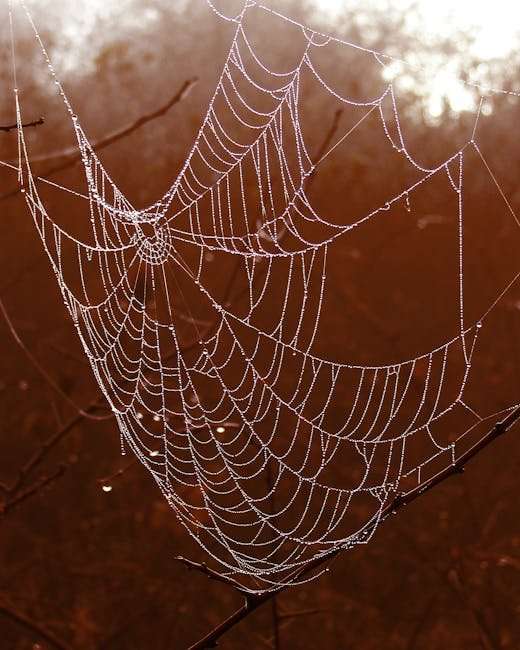
Symbolism and Metaphor: Psychological horror often employs symbolism and metaphor to represent deeper, more abstract fears. Recurring images, motifs, and dream sequences can hold multiple layers of meaning, reflecting the characters’ inner turmoil and the underlying themes of the series. For example, a recurring image of a spider could symbolize feelings of entrapment, manipulation, or a fear of the unknown.
-
Atmospheric Dread and Slow Burn: Unlike traditional horror that relies on immediate scares, psychological horror thrives on building a sense of unease through atmosphere, sound design, and visual cues. Slow pacing allows the tension to simmer, gradually escalating the feeling of dread until it reaches a fever pitch. This slow-burn approach is particularly effective in web series, where each episode can contribute to the overall sense of unease.
-
Social Commentary: Many Korean psychological horror web series subtly address social issues prevalent in South Korean society, such as the pressure to conform, the competitive nature of the education system, and the isolation of modern life. By embedding these social critiques within the horror narrative, the series create a sense of unease that resonates with viewers on a personal level.
Case Studies: Diving into Specific Series
Several Korean web series exemplify the power of psychological horror. Analyzing these examples reveals the diverse approaches used to create lasting scares:
-
“Strangers from Hell” (타인은 지옥이다): This series, based on a popular webtoon, follows a young man who moves into a dilapidated apartment building in Seoul, only to find himself surrounded by increasingly bizarre and unsettling neighbors. The series masterfully builds tension through atmosphere and unsettling character interactions, slowly revealing the dark secrets hidden within the building. The protagonist’s mental state deteriorates as he becomes increasingly paranoid and isolated, blurring the lines between reality and hallucination. The series explores themes of social alienation, the dehumanizing effects of urban life, and the potential for ordinary people to commit horrific acts. The unsettling sound design and claustrophobic cinematography contribute to the overall sense of dread, making “Strangers from Hell” a prime example of psychological horror.
-
“Sweet Home” (스위트홈): While featuring monster horror elements, “Sweet Home” also delves deeply into the psychological impact of the apocalypse on its characters. Trapped in an apartment building amidst a monster outbreak, the residents are forced to confront their inner demons and make difficult choices in order to survive. The series explores themes of isolation, redemption, and the nature of humanity, questioning what it means to be human in the face of unimaginable horror. The characters’ backstories and motivations are explored in detail, adding emotional weight to their struggles and making their fates all the more impactful. The series also examines the psychological toll of trauma and the ways in which individuals cope with extreme stress.
-
“Kingdom” (킹덤): While primarily a historical zombie thriller, “Kingdom” incorporates elements of psychological horror through its exploration of political corruption, social inequality, and the psychological impact of widespread famine and disease. The series depicts a society on the brink of collapse, where desperation and fear drive people to commit unspeakable acts. The political machinations and power struggles add a layer of psychological tension to the zombie outbreak, highlighting the human capacity for cruelty and the fragility of social order. The series also explores the psychological toll of leadership and the burden of responsibility in times of crisis.
-
“The Guest” (손 the guest): This series blends exorcism rituals with psychological suspense, following a psychic, a priest, and a detective as they investigate a series of bizarre crimes linked to a powerful demonic entity. The series explores themes of trauma, guilt, and the power of belief, delving into the psychological impact of possession on both the victims and those trying to help them. The series also explores the complex relationship between faith and reason, questioning the limits of human understanding in the face of the supernatural. The disturbing imagery and unsettling sound design contribute to the overall sense of dread, making “The Guest” a chilling exploration of the dark side of the human psyche.
Cultural Nuances: The Korean Context
The effectiveness of psychological Korean horror web series is deeply rooted in the cultural context of South Korea. Several key cultural factors contribute to the unique flavor of these narratives:
-
Han (한): The concept of “Han,” a complex emotion encompassing grief, resentment, and a sense of unresolved suffering, is a recurring theme in Korean culture and often manifests in horror narratives. Characters haunted by past traumas and injustices embody this sense of “Han,” creating a sense of pervasive sadness and unease. This cultural understanding of collective sorrow adds a layer of emotional depth to the horror.
-
Shamanism and Folk Beliefs: Traditional Korean shamanism and folk beliefs play a significant role in many horror stories. Beliefs in spirits, ghosts, and curses are often incorporated into the narrative, creating a sense of unease and suggesting the presence of forces beyond human comprehension. These supernatural elements are often used to symbolize deeper psychological anxieties and societal fears.
-
Confucianism and Social Hierarchy: The emphasis on social hierarchy and conformity in Confucianism can also contribute to the psychological tension in these series. The pressure to meet societal expectations, the fear of social ostracism, and the consequences of violating social norms can create a breeding ground for anxiety and paranoia. The series often explore the dark side of these social structures, highlighting the potential for abuse and exploitation.
-
The Rapid Pace of Modernization: South Korea’s rapid modernization and economic growth have led to significant social changes, including increased competition, social isolation, and a sense of alienation. These factors can contribute to feelings of anxiety and insecurity, which are often reflected in the themes explored in psychological horror web series. The series often depict characters struggling to adapt to the pressures of modern life, highlighting the psychological toll of these changes.
The Future of Psychological Korean Horror Web Series
The popularity of psychological Korean horror web series is likely to continue to grow as streaming platforms expand their global reach and audiences increasingly seek out sophisticated and thought-provoking content. The genre’s ability to blend chilling scares with social commentary and complex character development makes it particularly appealing to a discerning audience. As technology advances, web series will continue to push the boundaries of storytelling, exploring new ways to immerse viewers in the psychological landscape of fear. The future promises even more innovative and unsettling narratives that will linger in the minds of viewers long after the credits roll. The increasing accessibility of web series also allows for greater experimentation with form and content, paving the way for new and unique voices to emerge within the genre. This is particularly important in South Korea, where independent filmmakers and writers are increasingly turning to web series as a platform for their work.