
The Streaming Revolution: A Deep Dive into the Rise of OTT Web Series
The entertainment landscape has undergone a seismic shift in the 21st century, largely fueled by the proliferation of Over-The-Top (OTT) platforms and their flagship content: web series. Moving beyond the confines of traditional television broadcasting, OTT services deliver content directly to viewers via the internet, bypassing cable providers and offering unprecedented control and choice. This revolution, driven by technological advancements, evolving consumer preferences, and innovative storytelling, has irrevocably altered how we consume and interact with media.
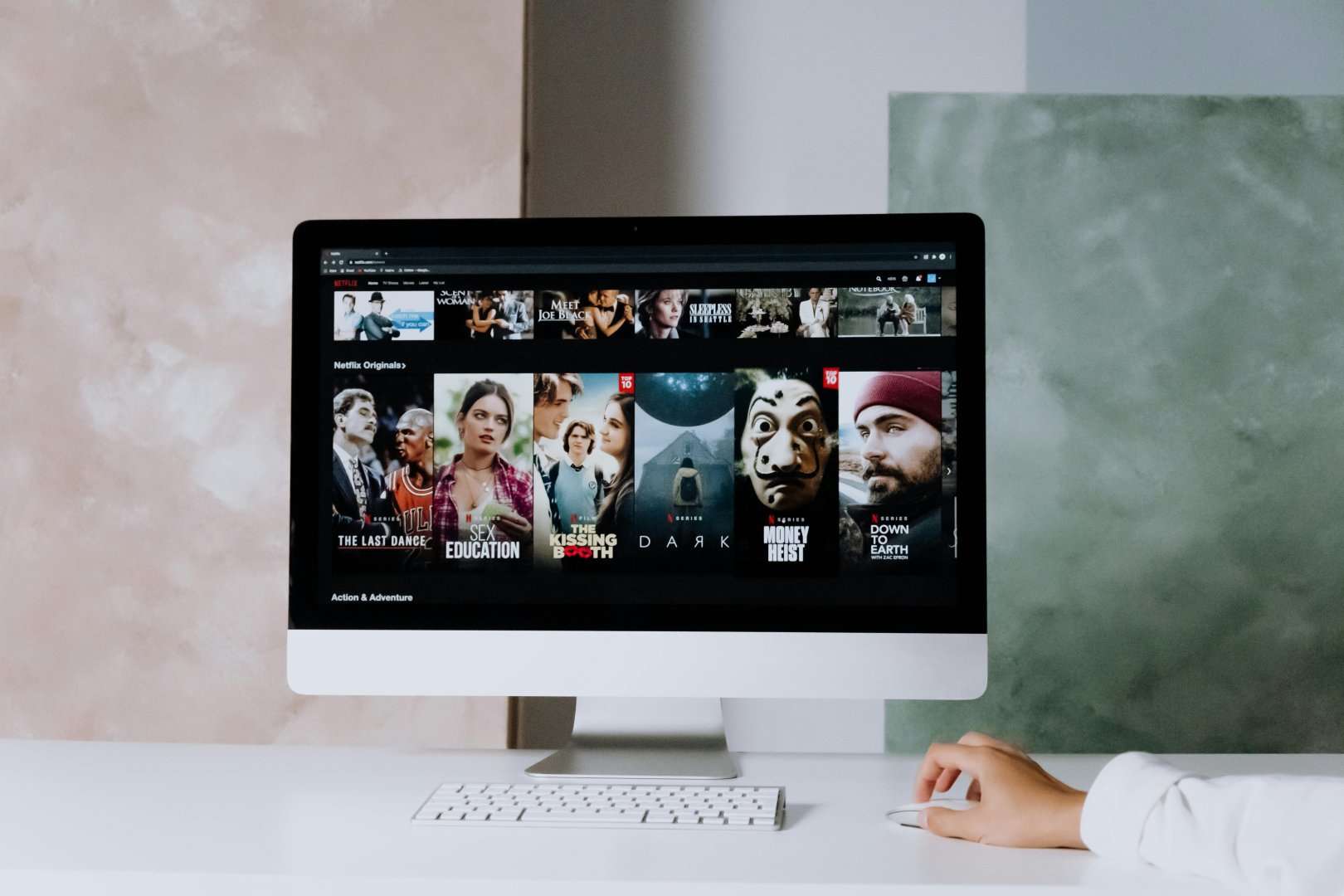
The Technological Foundation: Bandwidth and Accessibility
The bedrock of the OTT revolution lies in the exponential growth of internet bandwidth and accessibility. The widespread availability of broadband internet, coupled with the increasing affordability of smartphones, tablets, and smart TVs, has created a fertile ground for OTT platforms to flourish. High-speed internet enables seamless streaming of high-definition video content, eliminating buffering issues and enhancing the viewing experience. Mobile devices, in particular, have democratized access to entertainment, allowing viewers to consume content anytime, anywhere. This ubiquitous connectivity has empowered consumers to break free from the constraints of scheduled programming and embrace on-demand entertainment.
Changing Consumer Habits: On-Demand and Personalized Entertainment

Traditional television broadcasting, with its rigid schedules and limited choices, is increasingly out of sync with the demands of the modern consumer. Viewers today crave flexibility, control, and personalized experiences. OTT platforms cater to these desires by offering vast libraries of content available on-demand. Subscribers can choose what they want to watch, when they want to watch it, and on which device they want to watch it. This level of control is a significant departure from the passive viewing experience offered by traditional television, and it’s a key driver of OTT’s popularity.
Furthermore, OTT platforms leverage data analytics to personalize content recommendations. By tracking viewing habits and preferences, these platforms can suggest shows and movies that are likely to appeal to individual users, enhancing engagement and fostering loyalty. This personalized approach creates a more satisfying and relevant viewing experience, further solidifying OTT’s position as the preferred entertainment medium.
The Appeal of Web Series: Narrative Freedom and Niche Content
Web series, the primary content format on OTT platforms, have carved out a unique niche in the entertainment industry. Unlike traditional television shows, which are often constrained by network regulations and audience expectations, web series enjoy greater creative freedom. This freedom allows creators to experiment with new storytelling techniques, explore unconventional themes, and cater to niche audiences.
The absence of rigid broadcast schedules and episode length restrictions allows for more flexible narrative structures. Web series can tell stories that are too complex or too unconventional for traditional television. They can also delve into genres and themes that are often overlooked by mainstream media, such as LGBTQ+ narratives, independent films, and experimental art. This freedom has attracted a diverse range of creators and audiences, contributing to the vibrant and innovative landscape of OTT content.
Moreover, web series often target specific demographics or interests, catering to niche audiences that are underserved by traditional media. This focus on niche content allows OTT platforms to build strong communities around their programming, fostering a sense of belonging and loyalty among viewers. This targeted approach is a significant advantage over traditional television, which often aims for the broadest possible audience.
The Business Model: Subscription vs. Advertising
OTT platforms employ various business models to monetize their content. The two most common models are subscription-based video on demand (SVOD) and advertising-based video on demand (AVOD).
SVOD platforms, such as Netflix, Amazon Prime Video, and Disney+, charge a monthly subscription fee for access to their entire library of content. This model provides a predictable revenue stream and allows platforms to invest heavily in original programming. However, SVOD platforms face the challenge of attracting and retaining subscribers in an increasingly competitive market.
AVOD platforms, such as YouTube and Tubi, offer content for free, generating revenue through advertising. This model makes content accessible to a wider audience, but it also relies on advertising revenue, which can be volatile. AVOD platforms must carefully balance the user experience with the need to generate revenue, ensuring that advertising does not become too intrusive or disruptive.
Hybrid models, which combine elements of both SVOD and AVOD, are also emerging. These models offer a mix of subscription-based and ad-supported content, allowing users to choose the option that best suits their needs.
The Impact on Traditional Media: Disruption and Transformation
The rise of OTT platforms has had a profound impact on traditional media, disrupting established business models and forcing traditional players to adapt. Cable television subscriptions are declining as viewers cut the cord and switch to OTT services. Movie theaters are facing increased competition from streaming platforms, which offer a more convenient and affordable viewing experience.
Traditional media companies are responding to this disruption by launching their own OTT platforms and investing in original content. Disney+, HBO Max, and Paramount+ are all examples of traditional media companies that have successfully entered the OTT market. These platforms leverage their existing libraries of content and their established brands to attract subscribers.
The competition between traditional and OTT media is intensifying, leading to a greater focus on quality content and innovative distribution strategies. This competition is ultimately benefiting consumers, who now have more choices than ever before.
The Global Reach: International Expansion and Localization
OTT platforms are rapidly expanding their reach beyond domestic markets, targeting international audiences with localized content. This international expansion is driven by the growing demand for entertainment in emerging markets and the increasing availability of high-speed internet in these regions.
OTT platforms are adapting their content to suit the tastes and preferences of local audiences. This includes dubbing and subtitling content in local languages, producing original content in local languages, and acquiring rights to local content. This localization strategy is crucial for success in international markets.
The global expansion of OTT platforms is creating new opportunities for creators and actors from around the world. It is also fostering a greater understanding and appreciation of different cultures and perspectives.
The Future of OTT: Innovation and Consolidation
The OTT landscape is constantly evolving, with new technologies and business models emerging all the time. The future of OTT is likely to be characterized by continued innovation and consolidation.
Technological advancements, such as 5G and virtual reality, will further enhance the viewing experience. 5G will enable faster and more reliable streaming on mobile devices, while virtual reality will create immersive and interactive entertainment experiences.
The OTT market is becoming increasingly crowded, with numerous platforms competing for subscribers. This competition is likely to lead to consolidation, with smaller platforms being acquired by larger players.
The future of OTT is bright, with continued growth and innovation expected in the years to come. OTT platforms are poised to become the dominant force in the entertainment industry, shaping how we consume and interact with media for generations to come. The rise of web series is not merely a trend; it’s a fundamental shift in the power dynamics of entertainment, placing viewers firmly in control and opening doors for unprecedented creative expression.