
The entertainment landscape has undergone a seismic shift in recent years, with traditional television gradually ceding ground to a new, more agile, and increasingly dominant force: the web series. No longer relegated to the fringes of amateur filmmaking, online shows have evolved into sophisticated, high-quality productions that rival – and often surpass – their broadcast counterparts in terms of creativity, audience engagement, and cultural impact. This rise is fueled by a confluence of factors, including evolving consumer habits, the democratization of content creation, and the unique advantages offered by online platforms.
The Digital Native Audience and Shifting Consumption Habits
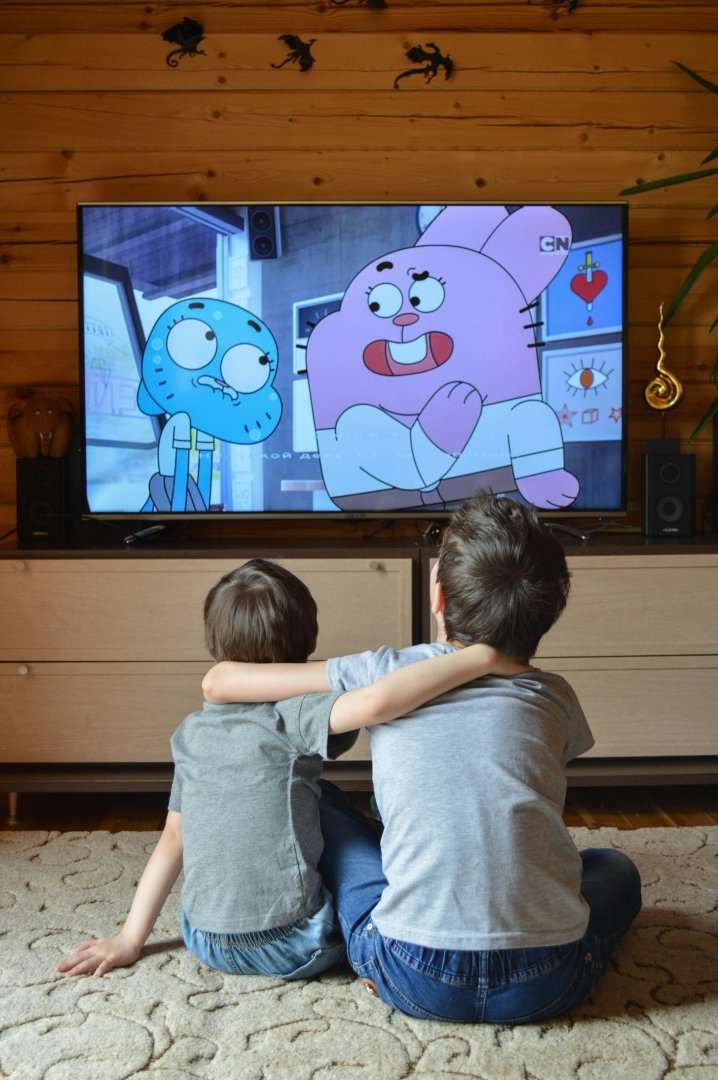
At the heart of the web series revolution lies the changing viewing habits of the modern audience, particularly the digital native generations (Millennials and Gen Z). These demographics have grown up immersed in the internet, accustomed to on-demand content, personalized experiences, and mobile accessibility. They are less tethered to traditional broadcast schedules and linear programming, preferring the freedom to choose what they watch, when they watch it, and on what device they watch it.
This shift in consumption patterns has eroded the dominance of traditional television. Viewers are increasingly turning to streaming platforms like YouTube, Vimeo, Netflix, Amazon Prime Video, and Hulu, which offer a vast library of content, including a burgeoning collection of web series. The ability to binge-watch entire seasons, pause and resume playback at will, and watch content on smartphones, tablets, and laptops has proven irresistible to a generation that values convenience and control.
Furthermore, the rise of social media has amplified the impact of web series. Viewers can easily share their favorite episodes, discuss plotlines, and connect with creators and other fans online. This creates a sense of community and fosters a deeper engagement with the content than traditional television often allows. The viral potential of online content also means that web series can reach a global audience far more quickly and effectively than traditional broadcast shows.

Democratization of Content Creation: Empowering Independent Filmmakers
The internet has democratized content creation, breaking down the barriers to entry that once restricted access to the entertainment industry. Aspiring filmmakers, writers, and actors no longer need the backing of a major studio or network to bring their visions to life. With relatively affordable equipment, readily available online resources, and platforms like YouTube and Vimeo to host their work, they can create and distribute their own web series.
This democratization has led to an explosion of creativity and innovation in the online space. Web series are often more experimental and risk-taking than traditional television shows, exploring niche genres, tackling controversial topics, and showcasing diverse perspectives that are often underrepresented in mainstream media. The freedom to experiment without the constraints of network censorship or commercial pressures has allowed web series creators to push boundaries and develop truly original content.
The rise of crowdfunding platforms like Kickstarter and Indiegogo has further empowered independent filmmakers. These platforms allow creators to solicit funding directly from their audience, bypassing the traditional gatekeepers of the entertainment industry. This not only provides financial support but also fosters a sense of ownership and investment among viewers, who become active participants in the creative process.
The Advantages of Online Platforms: Engagement, Interactivity, and Data Analytics
Online platforms offer several unique advantages that contribute to the success of web series. One key advantage is the ability to engage directly with the audience. Creators can interact with viewers through comments sections, social media, and live Q&A sessions, gathering feedback, building a community, and fostering a sense of loyalty. This direct interaction is invaluable for understanding audience preferences and tailoring future content accordingly.
Another advantage is the potential for interactivity. Some web series incorporate interactive elements, allowing viewers to influence the plot or characters through online polls, choose-your-own-adventure formats, or live events. This immersive experience can significantly enhance engagement and create a deeper connection between viewers and the content.
Furthermore, online platforms provide creators with access to valuable data analytics. They can track viewership numbers, demographics, engagement metrics, and audience behavior, providing insights into what works and what doesn’t. This data-driven approach allows creators to optimize their content, target their audience more effectively, and improve the overall viewing experience.
Niche Audiences and Hyper-Targeted Content
Web series thrive on niche audiences. While traditional television aims for broad appeal to maximize viewership, web series can cater to specific interests and demographics. This allows creators to develop highly targeted content that resonates deeply with a particular group of viewers.
For example, there are web series dedicated to gaming, anime, cosplay, LGBTQ+ issues, science fiction, fantasy, horror, and countless other niche genres. This hyper-targeting allows creators to build loyal fan bases and generate significant revenue through advertising, merchandise, and subscriptions.
The ability to cater to niche audiences also allows web series to explore themes and perspectives that are often marginalized in mainstream media. This creates opportunities for diverse voices and stories to be heard, fostering a more inclusive and representative entertainment landscape.
The Evolution of Production Quality and Professionalism
In the early days of web series, production quality was often amateurish, with low budgets, shaky camera work, and subpar acting. However, as the medium has matured, production values have steadily increased. Many web series now boast professional-grade cinematography, sound design, editing, and acting.
This evolution is driven by several factors, including the increasing availability of affordable filmmaking equipment, the growing pool of talented professionals seeking opportunities in the online space, and the increasing competition for viewers’ attention. Web series creators are investing more time and resources into production to create high-quality content that can compete with traditional television shows.
Furthermore, the rise of online film schools and workshops has provided aspiring filmmakers with the skills and knowledge they need to create professional-grade web series. These educational resources have helped to raise the overall quality of online content and attract a wider audience.
Monetization Strategies: Beyond Traditional Advertising
While advertising remains a common monetization strategy for web series, creators are increasingly exploring alternative revenue streams. These include sponsorships, product placement, merchandise sales, crowdfunding, subscription models, and licensing deals.
Sponsorships and product placement can provide significant funding for web series, allowing creators to maintain creative control while generating revenue. Merchandise sales, such as t-shirts, posters, and figurines, can also be a lucrative source of income, particularly for web series with a dedicated fan base.
Crowdfunding platforms like Patreon allow viewers to support their favorite web series creators directly through recurring donations. This provides a stable source of income and fosters a deeper connection between creators and their audience.
Subscription models, such as those offered by Vimeo On Demand and other platforms, allow viewers to pay a monthly or annual fee to access exclusive content, ad-free viewing, and other perks. This can be a sustainable revenue stream for web series with a large and engaged audience.
Licensing deals, such as those with streaming platforms or television networks, can provide significant revenue for web series creators, allowing them to reach a wider audience and expand their brand.
The Future of Entertainment: Web Series as a Dominant Force
The rise of web series is not merely a passing fad but a fundamental shift in the entertainment landscape. As technology continues to evolve and consumer habits continue to change, online shows are poised to become an even more dominant force in the years to come.
The accessibility, affordability, and flexibility of online platforms will continue to empower independent filmmakers and creators to bring their visions to life. The ability to engage directly with the audience, cater to niche interests, and experiment with innovative formats will further fuel the growth of the web series industry.
While traditional television will likely continue to exist in some form, it will increasingly need to adapt to the changing demands of the modern audience. The future of entertainment is likely to be a hybrid model, with web series and traditional television coexisting and competing for viewers’ attention. However, the momentum is clearly on the side of web series, which are poised to continue their ascent as the dominant form of entertainment in the digital age.