Uncut Webseries vs. Traditional Shows: A Deep Dive into Production, Distribution, and Audience Engagement
The landscape of visual storytelling has undergone a seismic shift in recent years, largely fueled by the internet. While traditional television shows still hold considerable sway, the rise of web series, particularly those embracing an “uncut” aesthetic, has carved out a significant and increasingly influential niche. Understanding the fundamental differences between these two formats requires a comprehensive examination of their production processes, distribution models, creative freedoms, and audience engagement strategies.
Production: Constraints, Budgets, and Creative Control
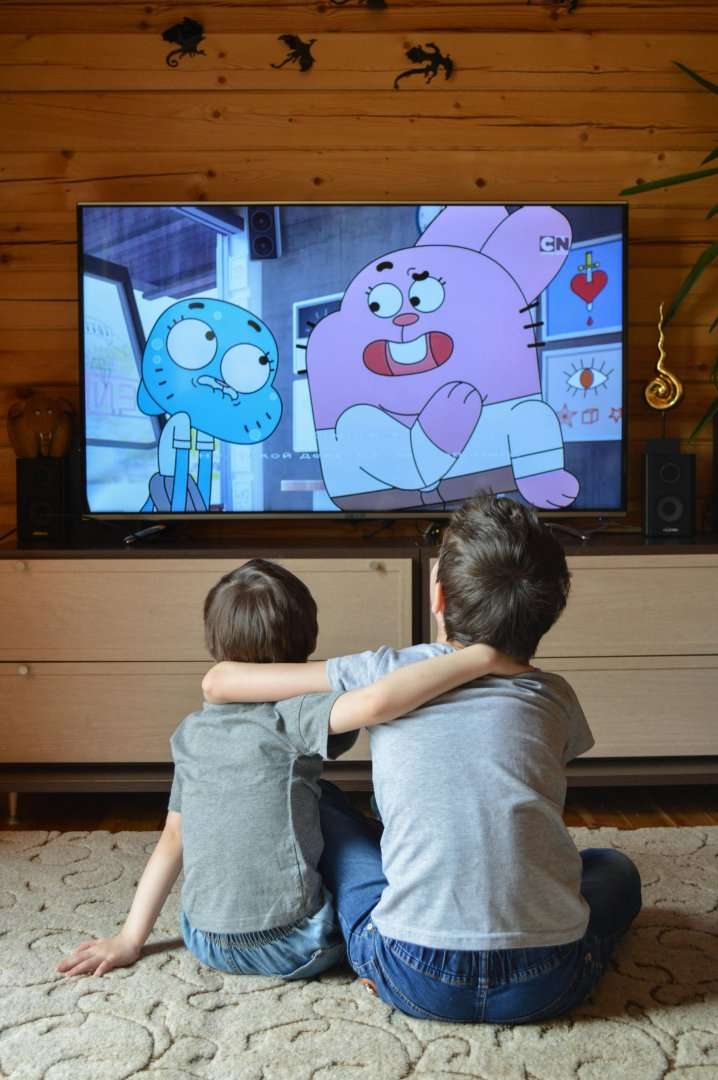
The most immediately apparent difference lies in the production process itself. Traditional television shows, especially those broadcast on major networks or cable channels, are typically characterized by substantial budgets, hierarchical production structures, and stringent quality control measures. These budgets often encompass elaborate sets, professional equipment, experienced crews, and established actors. The production pipeline is meticulously planned, adhering to strict timelines and requiring multiple layers of approval, from network executives to showrunners and individual episode directors. This structured approach, while ensuring a certain level of polish and technical proficiency, can also stifle creative experimentation and lead to compromises in the original vision.
In contrast, uncut web series often operate on significantly tighter budgets, frequently relying on independent funding, crowdfunding campaigns, or personal investment. This budgetary constraint necessitates a more resourceful and agile approach to production. Filmmakers often wear multiple hats, handling writing, directing, editing, and even acting duties themselves. The equipment used may be less sophisticated, and the production values might not reach the same level as those of a traditional show. However, this limitation can also foster innovation and creativity. The lack of external pressure and oversight allows for greater artistic freedom and the ability to take risks that would be unthinkable within the confines of a network-driven production. The “uncut” moniker often signifies a raw, unpolished aesthetic that prioritizes authenticity and immediacy over technical perfection. This can translate to longer takes, improvisational dialogue, and a more intimate connection with the subject matter.
Distribution: Gatekeepers vs. Democratization
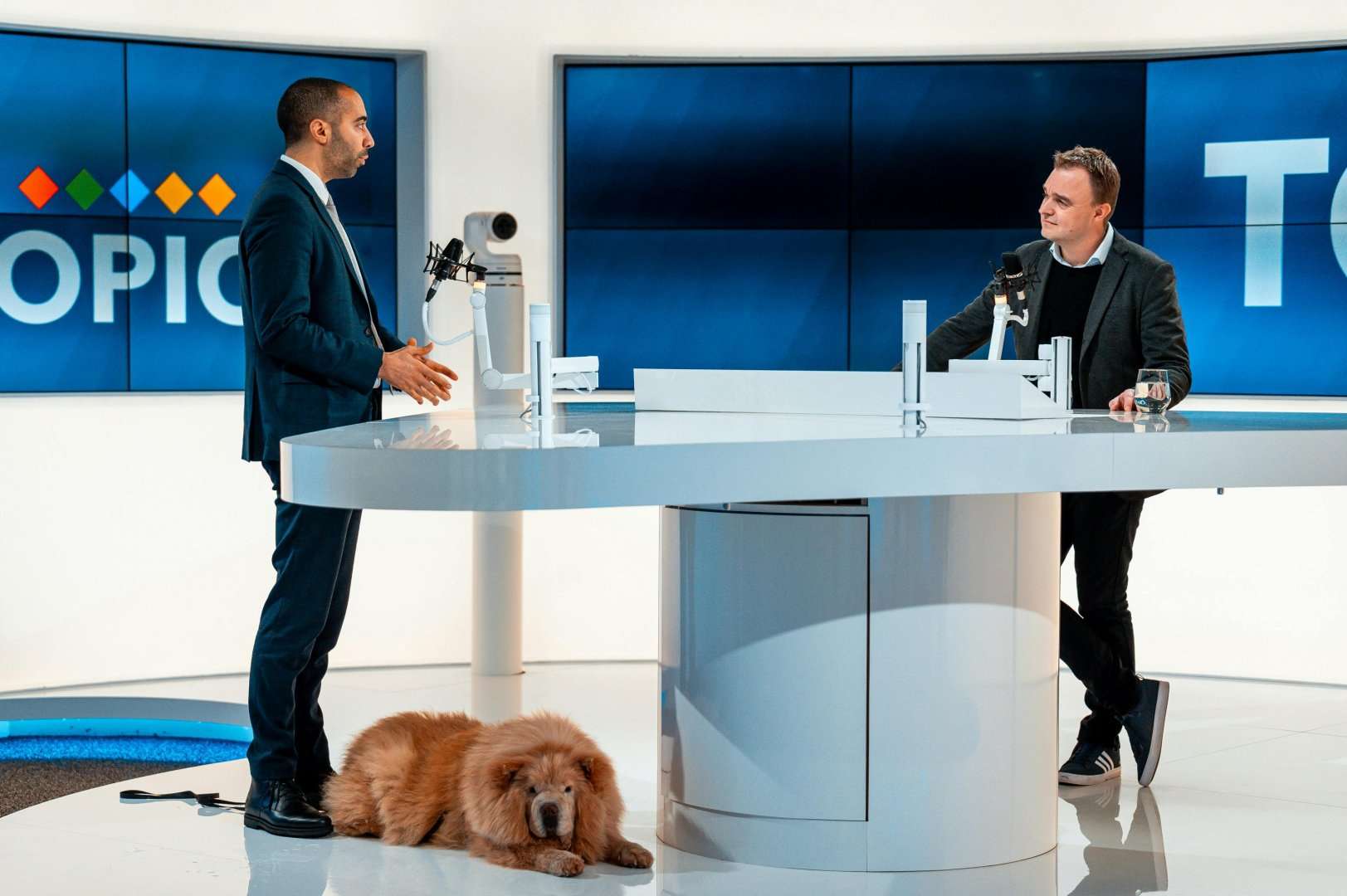
The distribution channels represent another crucial point of divergence. Traditional television shows are primarily distributed through established broadcast networks, cable channels, and streaming platforms that have historically acted as gatekeepers, controlling access to audiences. Securing a spot on these platforms requires navigating a complex network of agents, producers, and network executives, often involving lengthy pitches and pilot episodes. The distribution rights are typically retained by the network or studio, limiting the creator’s control over how and where their work is viewed.
Web series, on the other hand, benefit from the democratization of the internet. Platforms like YouTube, Vimeo, and dedicated web series portals offer creators direct access to a global audience, bypassing the traditional gatekeepers. This allows for a much more direct and unfiltered relationship between creators and viewers. Creators retain ownership of their content and have greater control over its distribution and monetization. While generating revenue from web series can be challenging, the ability to bypass traditional distribution channels opens up alternative avenues, such as advertising revenue, crowdfunding, merchandise sales, and direct donations from fans. The “uncut” nature of web series distribution also extends to the release schedule. Unlike the rigid weekly or seasonal release patterns of traditional television, web series creators have the flexibility to release episodes at their own pace, experimenting with different formats and engaging with their audience in real-time.
Creative Freedom: Censorship, Genre, and Representation
The creative constraints imposed on traditional television shows are often dictated by network standards and practices, aiming to appeal to a broad demographic and avoid controversial content that might alienate advertisers or viewers. This can lead to censorship of certain themes, language, or depictions of violence and sexuality. While cable channels have historically offered slightly more leeway, even they are subject to certain limitations. Genre conventions are also often strictly adhered to, with networks favoring established formulas and predictable storylines.
Uncut web series, liberated from these constraints, offer a platform for creators to explore niche genres, tackle taboo subjects, and experiment with unconventional narratives. The absence of censorship allows for greater authenticity and a more honest portrayal of diverse experiences. This freedom extends to casting and representation. Web series often provide opportunities for marginalized voices and underrepresented communities to tell their own stories, challenging the homogeneity that can sometimes characterize traditional television. The “uncut” approach allows for a more unfiltered and nuanced exploration of complex social issues, fostering dialogue and promoting inclusivity. The willingness to push boundaries and defy expectations is a defining characteristic of many successful uncut web series.
Audience Engagement: Passive Consumption vs. Active Participation
The relationship between creators and audiences differs significantly between traditional television and uncut web series. Traditional television viewing is often a passive experience, with viewers consuming content in a linear fashion, with limited opportunities for direct interaction with the creators. While social media has provided a platform for discussion and commentary, the relationship remains largely one-way, with the network controlling the narrative and directing the conversation.
Web series, on the other hand, foster a much more active and participatory relationship with their audience. Creators often engage directly with viewers through social media, live streams, and online forums, soliciting feedback, answering questions, and building a community around their work. This direct interaction allows for a more collaborative and responsive creative process, with creators incorporating audience input into future episodes. The “uncut” nature of web series engagement also extends to the format itself. Many web series incorporate interactive elements, such as choose-your-own-adventure storylines or live Q&A sessions with the creators. This blurring of the lines between creator and audience fosters a sense of ownership and investment, leading to a more loyal and engaged fanbase. The ability to build a community around their work is a key advantage for web series creators.
Monetization Strategies: Advertising, Subscriptions, and Beyond
The monetization models employed by traditional television and uncut web series differ significantly. Traditional television relies heavily on advertising revenue, with networks selling airtime to advertisers based on viewership numbers. Subscription fees from cable and streaming services also contribute significantly to the revenue stream. The focus is on attracting a broad audience to maximize advertising revenue.
Uncut web series, lacking the reach and resources of traditional television, often rely on a more diversified approach to monetization. Advertising revenue from platforms like YouTube can provide a steady stream of income, but it is often insufficient to cover production costs. Crowdfunding campaigns, such as Kickstarter and Indiegogo, allow creators to solicit direct donations from fans to fund specific projects. Merchandise sales, such as t-shirts, posters, and other branded items, can also generate revenue and strengthen the connection with the fanbase. Subscription models, such as Patreon, allow fans to support creators on a recurring basis in exchange for exclusive content or perks. Direct donations through platforms like PayPal or Ko-fi provide another avenue for fans to show their appreciation. The “uncut” approach to monetization often involves experimenting with different models and adapting to the evolving landscape of online content creation. The ability to build a loyal fanbase that is willing to support their work is crucial for the sustainability of uncut web series.
Long-Term Sustainability: Challenges and Opportunities
While uncut web series offer numerous advantages in terms of creative freedom and audience engagement, they also face significant challenges in terms of long-term sustainability. The lack of consistent funding and the difficulty of generating significant revenue can make it challenging to maintain a consistent production schedule and attract top talent. The reliance on volunteer labor and personal investment can also lead to burnout and attrition.
However, the future of uncut web series is bright. As the internet continues to evolve and new platforms emerge, creators will have access to even more tools and resources to produce and distribute their work. The growing recognition of web series as a legitimate form of entertainment is also attracting more attention from investors and advertisers. The ability to build a loyal fanbase and engage directly with viewers provides a strong foundation for long-term success. The “uncut” spirit of innovation and experimentation will continue to drive the evolution of web series, pushing the boundaries of visual storytelling and challenging the dominance of traditional television. The democratization of content creation empowers independent creators to tell their stories and connect with audiences around the world.