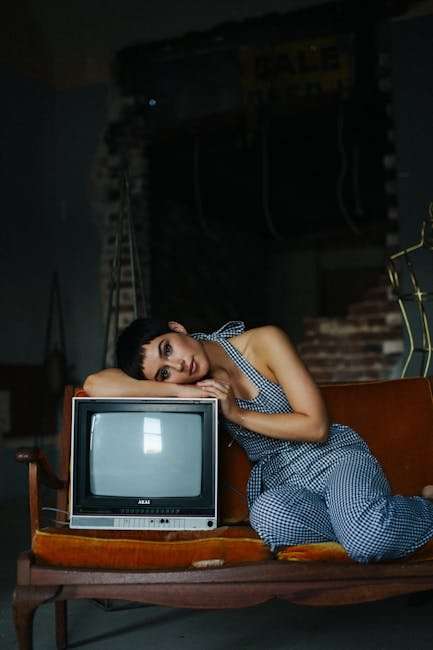
Web Series Cinematography: Visual Storytelling Online
The rise of web series has revolutionized the landscape of visual storytelling. No longer confined by the constraints of traditional television or film, creators have found a fertile ground for experimentation and innovation. Central to the success of any web series is its cinematography – the art and science of capturing moving images. This article delves into the intricate world of web series cinematography, exploring its unique challenges, stylistic trends, technical considerations, and its crucial role in crafting compelling narratives online.
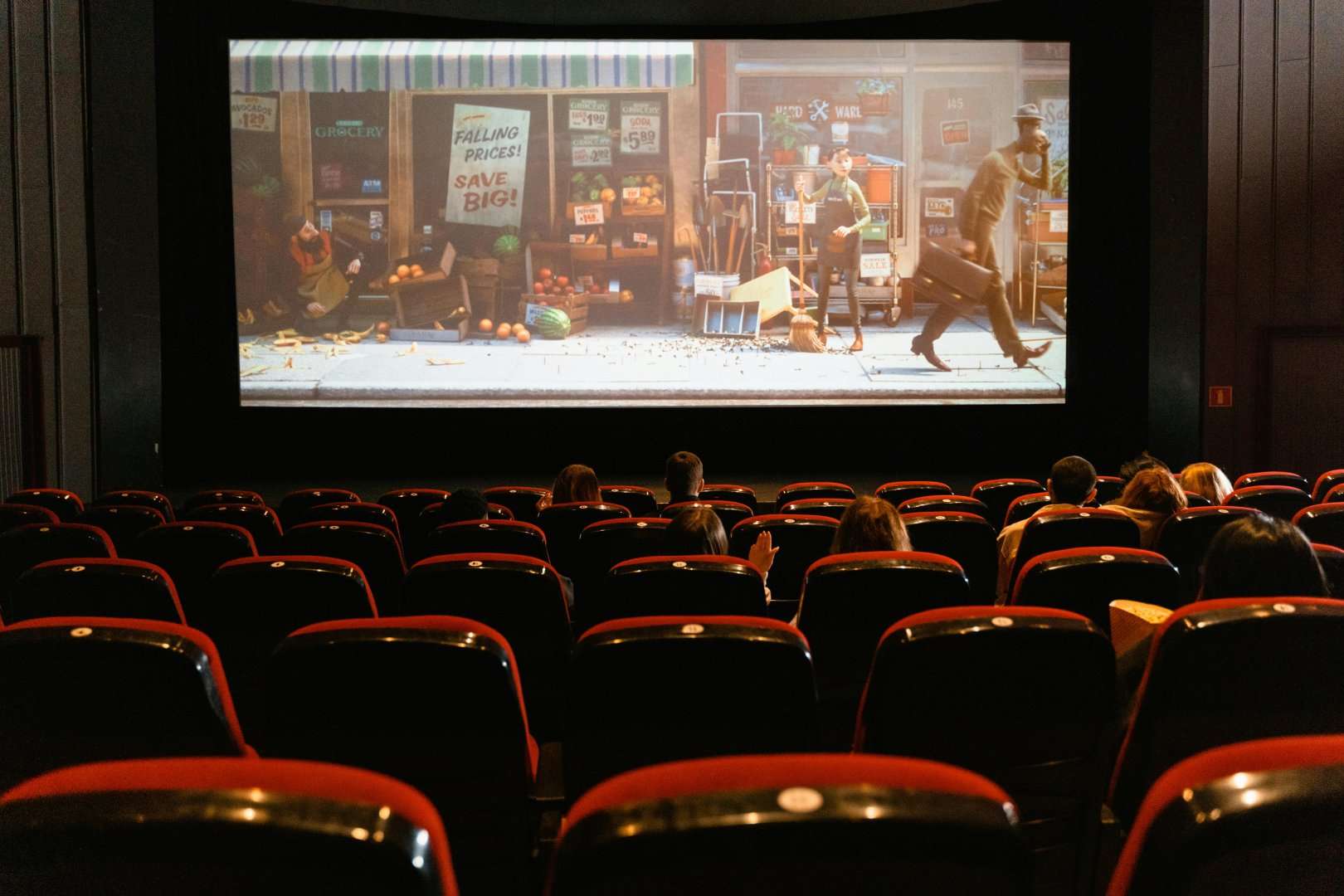
Understanding the Unique Challenges of Web Series Cinematography:
Web series operate within a distinct ecosystem compared to their cinematic or televised counterparts. Budget limitations, shorter production schedules, and a diverse range of distribution platforms necessitate a resourceful and adaptable approach to cinematography.
- Budget Constraints: Often operating on shoestring budgets, web series cinematographers must be masters of efficiency and creativity. This often translates to leveraging natural light, utilizing available locations effectively, and employing cost-effective equipment. They must prioritize key visual elements that contribute most significantly to the story, making judicious choices about lighting, camera movement, and visual effects.
- Shorter Production Schedules: Time is a precious commodity on web series sets. Cinematographers need to be adept at pre-production planning, meticulous shot listing, and efficient on-set execution. Collaboration with the director and other crew members is paramount to maximizing productivity and achieving the desired visual aesthetic within the limited timeframe.
- Diverse Distribution Platforms: Web series are consumed on a wide array of devices, from smartphones and tablets to laptops and smart TVs. Cinematographers must consider the varying screen sizes and resolutions when composing shots, ensuring that the visual information remains clear and impactful across all platforms. This often involves avoiding overly complex compositions and prioritizing close-ups and medium shots that translate well to smaller screens.
- Audience Attention Span: Web series often compete for viewers’ attention amidst a sea of online content. Cinematographers can play a vital role in capturing and maintaining audience engagement through visually compelling storytelling. This might involve employing dynamic camera movements, striking compositions, and a distinct visual style that sets the series apart from the competition.
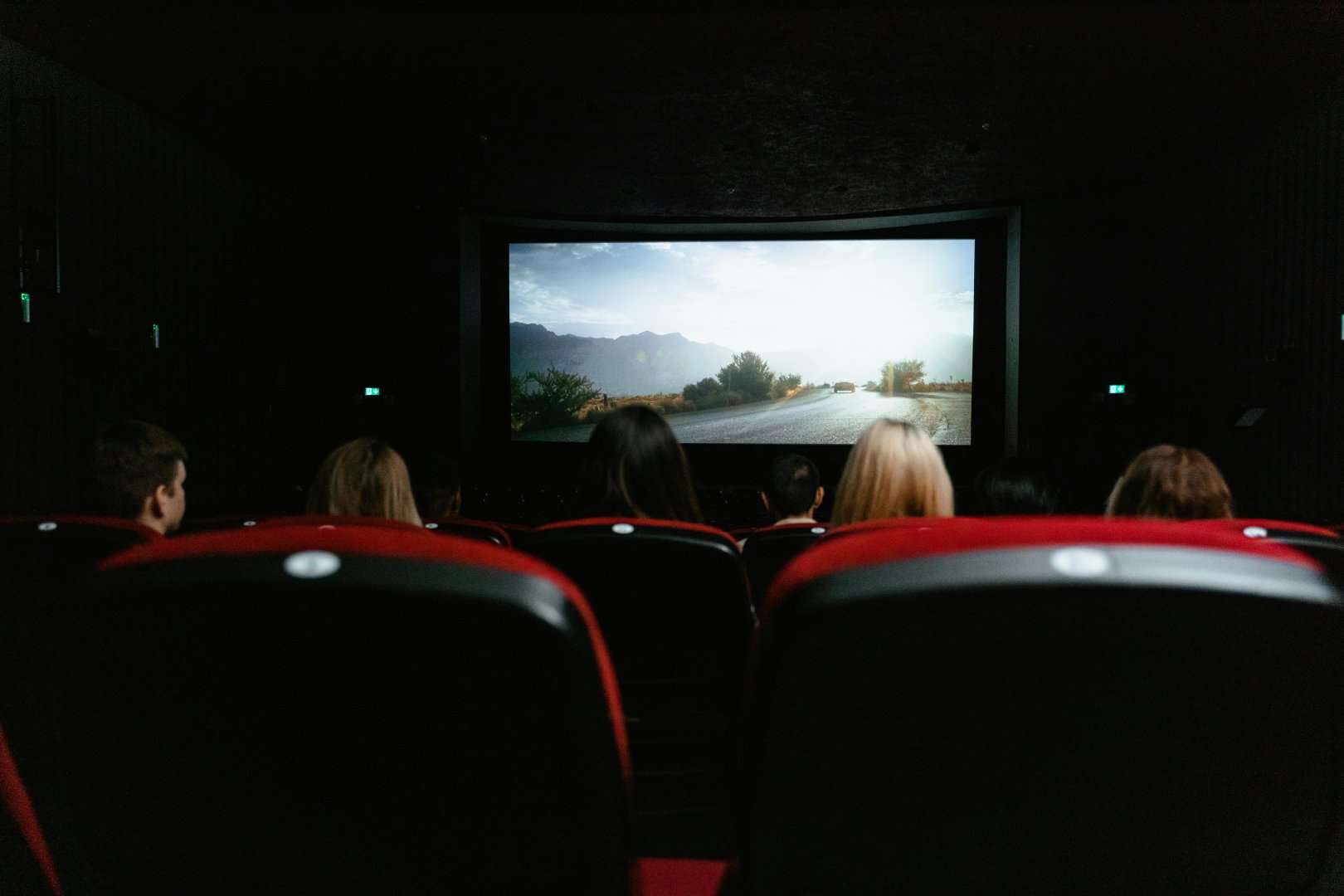
Stylistic Trends Shaping Web Series Visuals:
Web series cinematography is characterized by its diverse range of styles, often reflecting the experimental and independent nature of the medium. However, certain trends have emerged as particularly influential:
- Documentary Realism: Many web series embrace a raw and authentic aesthetic, often drawing inspiration from documentary filmmaking. This style typically features natural lighting, handheld camera work, and a focus on capturing genuine moments. The intention is to create a sense of immediacy and intimacy, drawing viewers into the world of the characters. Examples include series that explore social issues or follow the lives of ordinary people.
- Cinematic Ambition: Some web series strive for a more polished and cinematic look, emulating the visual language of feature films. This style often involves elaborate lighting setups, sophisticated camera movements, and a heightened sense of visual drama. These series often aim to elevate the production value and create a more immersive viewing experience.
- Genre-Specific Aesthetics: The visual style of a web series is often heavily influenced by its genre. Comedy series might employ bright, cheerful lighting and dynamic camera movements to enhance the comedic timing. Horror series might utilize dark, moody lighting and unsettling compositions to create suspense and fear. Science fiction series might incorporate futuristic visual effects and stylized color grading to create a sense of otherworldly wonder.
- Minimalist Aesthetics: In contrast to overly elaborate productions, some web series embrace a minimalist approach to cinematography. This style often features simple compositions, limited camera movement, and a focus on capturing the essence of the story with minimal visual distractions. This approach can be particularly effective for character-driven narratives or series that explore introspective themes.
- Vertical Video Storytelling: With the increasing popularity of mobile viewing, some web series are experimenting with vertical video formats. This requires a fundamental rethinking of composition and framing, as the traditional horizontal aspect ratio is replaced with a vertical one. Cinematographers must adapt their techniques to create visually engaging content that is optimized for mobile devices.
Technical Considerations for Web Series Cinematography:
Choosing the right equipment and mastering technical skills are essential for web series cinematographers. The specific requirements will vary depending on the budget, style, and scope of the project.
- Camera Selection: While high-end cinema cameras can deliver exceptional image quality, they are often beyond the reach of web series budgets. Affordable options like mirrorless cameras and DSLRs offer a compelling balance of performance and cost-effectiveness. These cameras are capable of capturing high-resolution video with excellent dynamic range and color accuracy.
- Lens Choices: Lenses play a crucial role in shaping the visual style of a web series. Prime lenses (fixed focal length) offer superior image quality and wider apertures, allowing for shallow depth of field and more creative control over focus. Zoom lenses provide greater flexibility in framing and composition but may compromise slightly on image quality and aperture.
- Lighting Techniques: Effective lighting is essential for creating a visually appealing and professional-looking web series. Natural light can be a valuable resource, but it is often unpredictable and difficult to control. Artificial lighting can be used to supplement natural light, create specific moods, and enhance the overall visual aesthetic. LED panels and softboxes are popular choices for web series due to their affordability, versatility, and energy efficiency.
- Sound Recording: While cinematography focuses on the visual aspects, audio quality is equally important for creating an immersive viewing experience. Cinematographers should collaborate closely with the sound recordist to ensure that dialogue is clear and audible, and that ambient sounds are captured effectively.
- Color Grading: Color grading is the process of adjusting the color and tone of the footage in post-production. It can be used to enhance the visual style of a web series, create a specific mood, and ensure consistency across different shots. Color grading software like DaVinci Resolve and Adobe Premiere Pro offer a wide range of tools for manipulating the color and tone of video footage.
- Framing and Composition: Understanding the principles of framing and composition is crucial for creating visually engaging shots. The rule of thirds, leading lines, and negative space are just a few of the techniques that cinematographers can use to create balanced and visually appealing compositions.
- Camera Movement: Camera movement can be used to add dynamism and energy to a web series. Smooth and controlled camera movements can be achieved using tripods, dollies, and gimbals. Handheld camera work can create a sense of immediacy and realism.
The Cinematographer’s Role in Visual Storytelling:
The cinematographer is not merely a technician who operates the camera; they are a key collaborator in the storytelling process. Their artistic vision and technical expertise can significantly impact the way the audience perceives the characters, the setting, and the overall narrative.
- Visualizing the Script: The cinematographer works closely with the director to interpret the script and develop a visual strategy that supports the story. This involves discussing the overall tone, mood, and visual style of the series.
- Creating Atmosphere: Lighting, color, and composition can be used to create a specific atmosphere that enhances the emotional impact of the story. For example, dark and moody lighting can create a sense of suspense, while bright and cheerful lighting can create a sense of joy.
- Guiding the Viewer’s Eye: The cinematographer can use visual techniques to guide the viewer’s eye and focus their attention on specific elements within the frame. This can be achieved through selective focus, framing, and composition.
- Developing Character Through Visuals: The cinematographer can use visual cues to reveal character traits and motivations. For example, a character who is confident and assertive might be framed in a strong and powerful way, while a character who is insecure and vulnerable might be framed in a more subtle and understated way.
- Collaborating with the Production Team: The cinematographer works closely with other members of the production team, including the director, production designer, costume designer, and editor, to ensure that the visual elements of the series are cohesive and consistent.
In conclusion, web series cinematography is a dynamic and evolving field that presents unique challenges and opportunities for visual storytellers. By embracing creativity, resourcefulness, and a deep understanding of visual language, cinematographers can play a vital role in crafting compelling narratives that captivate audiences online.