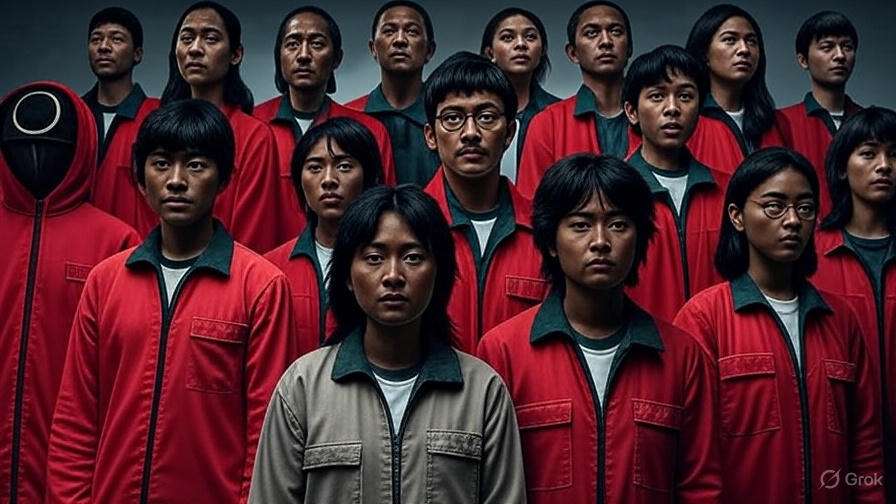
Web Series Hollywood: When Dreams Turn into Nightmares
Hollywood, the glittering epicenter of the entertainment industry, has long been a magnet for dreamers. Aspiring actors, writers, directors, and producers flock to Los Angeles, fueled by the hope of making it big. The rise of web series, with their lower barriers to entry and potential for viral success, initially seemed to democratize this dream. But the reality of Web Series Hollywood often paints a vastly different picture, one where ambition clashes with harsh realities, and dreams can quickly transform into nightmares.

The Allure of Accessibility: A Double-Edged Sword
The internet, particularly platforms like YouTube, Vimeo, and more recently, streaming services experimenting with short-form content, offered a seemingly level playing field. Unlike traditional Hollywood gatekeepers, these platforms allowed anyone with a camera, a script, and an internet connection to create and distribute their work. This accessibility fueled a boom in web series production, attracting a diverse range of talent and perspectives.
However, this very accessibility became a double-edged sword. The sheer volume of content uploaded daily created an overwhelming noise, making it exponentially harder to stand out. The democratization of creation didn’t necessarily translate to democratization of viewership or, more importantly, profitability. Aspiring creators found themselves competing not only with other independent web series but also with established studios and influencers vying for audience attention.

The Funding Famine: Starving for Support
One of the most significant challenges facing web series creators is funding. While the initial cost of production might be lower compared to traditional film or television, creating a high-quality web series still requires significant investment. Equipment, location permits, actors, crew, and marketing all contribute to the financial burden.
Many creators resort to bootstrapping, relying on personal savings, loans from friends and family, or crowdfunding platforms like Kickstarter and Indiegogo. While crowdfunding can be a viable option, it’s a demanding process that requires significant time and effort to build a campaign, create compelling content, and actively engage with potential backers. Even successful crowdfunding campaigns often fall short of covering the full cost of production, leaving creators to shoulder the remaining expenses.
Furthermore, securing advertising revenue or sponsorships for web series can be incredibly challenging. Brands are often hesitant to invest in unproven content, particularly in a fragmented digital landscape where audience attention is fleeting. Without sustainable funding models, many web series are forced to cut corners, compromising production quality and ultimately hindering their chances of success.
The Exploitation Vortex: A Breeding Ground for Abuse
The desperation to “make it” in Hollywood, coupled with the lack of regulation in the web series space, can create a breeding ground for exploitation. Aspiring actors, writers, and crew members are often willing to work for little to no pay, hoping to gain experience and exposure. Unscrupulous producers can take advantage of this vulnerability, offering promises of future compensation or career advancement that never materialize.
Stories of unpaid labor, grueling work schedules, and abusive working conditions are not uncommon in Web Series Hollywood. Many creators operate on a shoestring budget, leading to unsafe sets, inadequate equipment, and a lack of proper insurance. The pressure to deliver results, often fueled by the creator’s own anxieties about failure, can lead to burnout and mental health issues for everyone involved.
The lack of union representation in most web series productions further exacerbates the problem. Actors and crew members lack the protection and advocacy that unions provide, leaving them vulnerable to exploitation and abuse. This can create a toxic environment where talent is undervalued, creativity is stifled, and dreams are ultimately crushed.
The Marketing Maze: Lost in the Algorithm
Creating a compelling web series is only half the battle. The other half is getting it seen. In the vast expanse of the internet, even the most brilliantly conceived and executed web series can disappear without a trace if it’s not effectively marketed.
Traditional marketing strategies, such as television commercials and print ads, are often beyond the reach of independent web series creators. They must rely on digital marketing tactics, including social media promotion, search engine optimization (SEO), and influencer marketing.
However, navigating the ever-changing algorithms of social media platforms can be a daunting task. What works today might be obsolete tomorrow. Building a loyal audience requires consistent effort, engaging content, and a deep understanding of the target demographic. Many creators find themselves spending more time on marketing than on actual content creation, leading to burnout and creative exhaustion.
Furthermore, the competition for audience attention is fierce. Web series are vying for eyeballs not only with other independent creators but also with established media companies, viral videos, and countless other forms of online entertainment. Standing out in this crowded landscape requires a unique selling proposition, a compelling story, and a strong marketing strategy.
The Creative Compromise: Selling Your Soul for Views
The pressure to attract viewers and generate revenue can lead to creative compromises. Creators might feel compelled to cater to popular trends, sacrificing their artistic vision in the pursuit of clicks and likes. The desire to go viral can lead to the creation of sensationalized or exploitative content that lacks substance and originality.
The constant feedback loop of online metrics can also be detrimental to creativity. Creators might become overly focused on pleasing their audience, losing sight of their own artistic goals. The fear of negative reviews or low viewership can stifle experimentation and innovation, leading to a homogenization of content.
The pressure to monetize their work can also lead to ethical dilemmas. Creators might find themselves partnering with brands or advertisers whose values conflict with their own. The need to generate revenue can compromise their artistic integrity and ultimately alienate their audience.
The Burnout Blizzard: A Mental Health Crisis
The relentless pressure, financial insecurity, and creative compromises inherent in Web Series Hollywood can take a heavy toll on mental health. Creators often work long hours, juggling multiple roles and responsibilities. The constant stress of managing finances, marketing their work, and dealing with the demands of their audience can lead to burnout, anxiety, and depression.
The lack of a stable support system can further exacerbate these issues. Many creators work in isolation, lacking the guidance and mentorship that is essential for navigating the challenges of the entertainment industry. The fear of failure can lead to self-doubt and imposter syndrome, further undermining their confidence and motivation.
The online world, while offering opportunities for connection and collaboration, can also be a breeding ground for negativity and criticism. Creators are often subjected to online harassment, hate speech, and unfair reviews, which can have a devastating impact on their mental health.
The Legal Labyrinth: Navigating Copyright and Contracts
The legal aspects of web series production can be complex and confusing, particularly for independent creators who lack the resources to hire experienced lawyers. Copyright infringement, contract disputes, and intellectual property rights are just some of the legal challenges that creators might face.
Protecting their intellectual property is crucial for web series creators. They need to ensure that their scripts, characters, and other original content are properly copyrighted to prevent unauthorized use or distribution. However, navigating the complexities of copyright law can be daunting, particularly for those unfamiliar with legal jargon and procedures.
Contract disputes are also a common occurrence in Web Series Hollywood. Actors, writers, and crew members might find themselves in disagreements over compensation, credit, or ownership rights. Without clear and legally binding contracts, these disputes can escalate quickly, leading to costly and time-consuming litigation.
The Illusion of Opportunity: A Harsh Dose of Reality
While Web Series Hollywood offers opportunities for emerging talent to showcase their work and gain exposure, it’s important to recognize the harsh realities that lie beneath the surface. The promise of instant fame and fortune is often an illusion, masking the challenges of funding, marketing, and navigating the complex legal and ethical landscape.
The road to success in Web Series Hollywood is paved with hard work, dedication, and a healthy dose of realism. Creators who are prepared to face the challenges and embrace the grind are more likely to survive and thrive in this competitive environment. It’s crucial to approach Web Series Hollywood with a clear understanding of the risks and rewards, and to prioritize mental health and ethical practices above all else. The dream may be attainable, but it requires more than just talent; it demands resilience, resourcefulness, and a unwavering commitment to one’s craft.