Web Series Platforms: Where to Watch the Best Online Shows
The Rise of Web Series: A Paradigm Shift in Entertainment
The entertainment landscape has undergone a dramatic transformation in recent years, largely fueled by the explosion of web series. No longer confined to traditional television networks, creators now have a direct pipeline to audiences through various online platforms. This democratization of content creation has led to a surge in diverse, innovative, and niche programming that caters to a wider spectrum of tastes than ever before. From low-budget independent productions to high-quality shows backed by major studios, web series offer a compelling alternative to traditional television, attracting viewers with their unique narratives, shorter formats, and accessibility.
Navigating the Web Series Universe: A Platform Breakdown
The sheer volume of web series available can be overwhelming. To help navigate this complex landscape, this article provides a detailed overview of the major platforms hosting web series, highlighting their strengths, content offerings, and pricing models.

1. YouTube: The Open-Source Entertainment Hub
YouTube remains the undisputed king of online video, and its role in the web series ecosystem is undeniable. It’s a free and accessible platform that allows anyone to upload content, making it a breeding ground for independent creators and emerging talent.
- Content Diversity: YouTube boasts an unparalleled range of web series, spanning genres from comedy and drama to animation, science fiction, and educational content. You can find everything from amateur productions to professionally produced series with substantial budgets.
- Accessibility and Cost: The primary advantage of YouTube is its free access. However, viewers often encounter advertisements, which can be disruptive. YouTube Premium offers an ad-free experience and offline viewing capabilities.
- Notable Web Series: “High Maintenance” (later acquired by HBO), “Video Game High School,” “Carmilla,” “The Guild,” “Epic Rap Battles of History,” and countless animated series.
- Monetization: Creators monetize their content through advertising revenue (AdSense), channel memberships, merchandise sales, and sponsorships. This incentivizes the production of new content.
- Discovery: YouTube’s algorithm plays a crucial role in content discovery. While it can be effective in surfacing relevant videos, it can also be unpredictable. Using relevant keywords in titles and descriptions is essential for creators.
2. Vimeo: A Haven for Independent Filmmakers
Vimeo distinguishes itself from YouTube by focusing on high-quality content and fostering a supportive community for independent filmmakers. While it may not have the same reach as YouTube, Vimeo is a preferred platform for creators who prioritize artistic expression and visual quality.
- Content Quality: Vimeo is known for hosting visually stunning and artistically ambitious web series. The platform emphasizes quality over quantity, attracting creators who are dedicated to their craft.
- Community and Support: Vimeo fosters a strong sense of community among filmmakers, offering tools for collaboration, feedback, and promotion.
- Notable Web Series: “Whatever This Is,” “The Outs,” “Blank on Blank,” and numerous short films that often function as web series pilots.
- Monetization: Vimeo offers various monetization options, including Vimeo On Demand, which allows creators to sell their content directly to viewers.
- Subscription Services: Vimeo offers subscription plans that provide creators with more storage, bandwidth, and advanced features.
- Curated Content: Vimeo’s staff curates a selection of exceptional videos, highlighting the best works on the platform.
3. Amazon Prime Video: A Streaming Giant with Original Web Series
Amazon Prime Video has become a major player in the streaming wars, investing heavily in original content, including a growing library of web series. Its subscription-based model and global reach make it a significant platform for both creators and viewers.
- Original Content: Amazon Prime Video boasts a diverse slate of original web series, spanning genres like comedy, drama, science fiction, and fantasy. These series often feature high production values and well-known actors.
- Subscription Model: Access to Amazon Prime Video requires a Prime membership, which offers a range of benefits beyond streaming, including free shipping and access to other Amazon services.
- Notable Web Series: “The Marvelous Mrs. Maisel,” “Fleabag” (originally a web series), “Transparent,” “Mozart in the Jungle,” “Good Omens,” “The Boys,” and “Undone.”
- Global Reach: Amazon Prime Video is available in numerous countries, making it a global platform for web series distribution.
- Marketing and Promotion: Amazon provides significant marketing and promotional support for its original web series, helping them reach a wider audience.
- Accessibility Features: Amazon Prime Video offers various accessibility features, such as subtitles and audio descriptions, making its content accessible to a wider range of viewers.
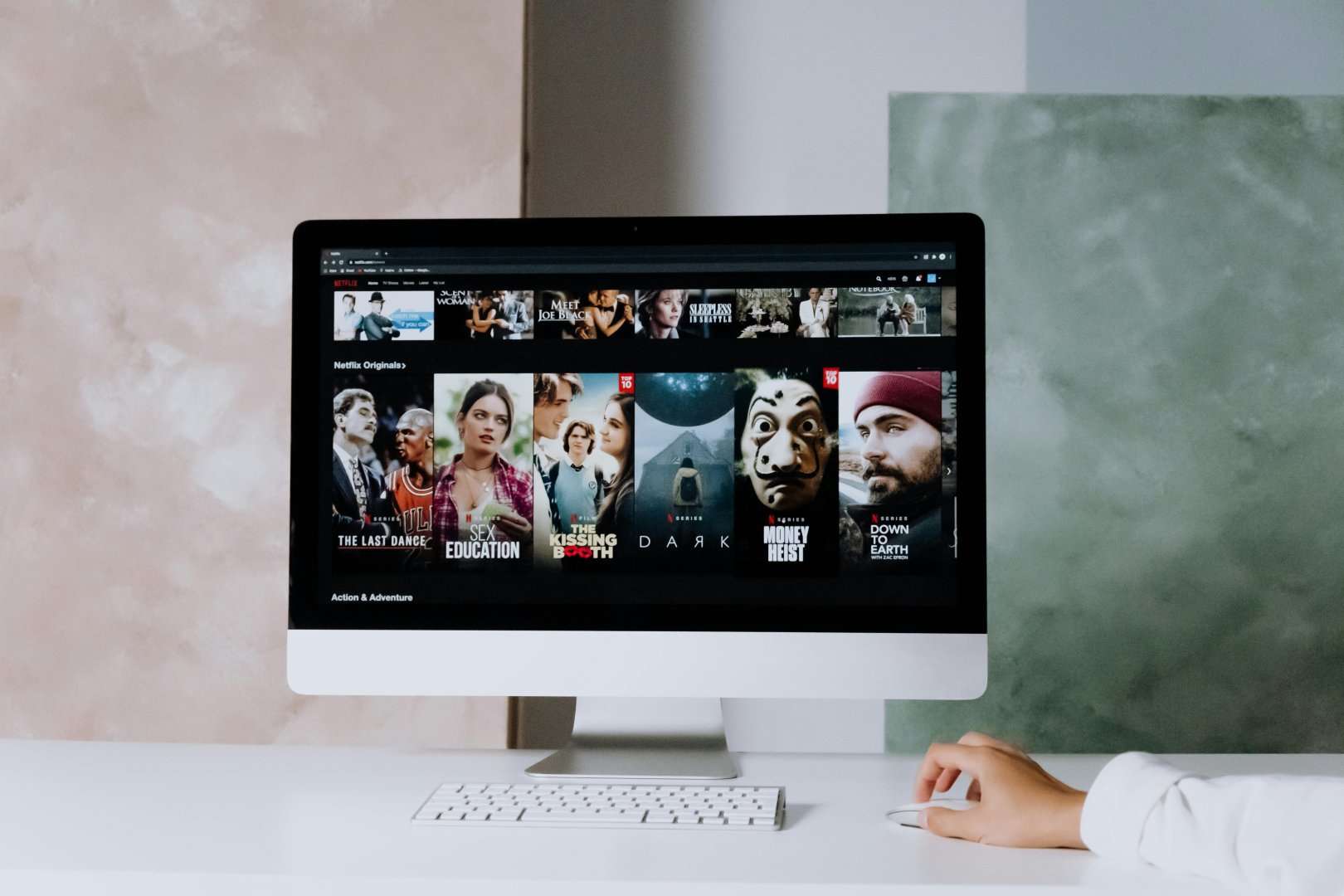
4. Netflix: The King of Streaming with a Diverse Web Series Offering
Netflix has revolutionized the entertainment industry with its streaming model and its commitment to original content. While primarily known for its feature films and television series, Netflix also offers a growing selection of web series, often acquiring existing series or producing its own.
- Original Content: Netflix has invested heavily in original web series, spanning a wide range of genres and targeting diverse audiences.
- Subscription Model: Access to Netflix requires a monthly subscription, which provides unlimited access to its entire library of content.
- Notable Web Series: “Unbreakable Kimmy Schmidt,” “Atypical,” “Sex Education,” “Master of None,” “Russian Doll,” “Special,” and various anime series.
- Data-Driven Decisions: Netflix uses data analytics to inform its content decisions, identifying trends and preferences to create series that appeal to its subscribers.
- Global Distribution: Netflix has a global reach, making its web series accessible to viewers around the world.
- User Experience: Netflix offers a user-friendly interface and personalized recommendations, making it easy for viewers to discover new web series.
5. Facebook Watch: Social Media Meets Video Streaming
Facebook Watch is Facebook’s video platform, offering a mix of original and user-generated content. While it hasn’t achieved the same level of success as YouTube or Netflix, Facebook Watch has the potential to become a significant player in the web series landscape, leveraging Facebook’s vast user base and social networking capabilities.
- Content Diversity: Facebook Watch hosts a wide range of web series, including comedies, dramas, reality shows, and news programs.
- Social Integration: Facebook Watch is deeply integrated with Facebook, allowing viewers to share videos, comment on them, and connect with other fans.
- Monetization: Creators can monetize their content through advertising revenue and brand partnerships.
- Notable Web Series: “Sorry for Your Loss,” “Human Discoveries,” “Five Points,” and various reality series.
- Audience Engagement: Facebook Watch offers tools for creators to engage with their audience, such as live Q&A sessions and interactive polls.
- Reach and Distribution: Facebook’s massive user base provides creators with a potentially vast audience for their web series.
6. Independent Websites and Platforms: Niche Content and Direct Creator-Fan Relationships
Beyond the major platforms, numerous independent websites and platforms host web series, often focusing on niche genres or catering to specific audiences. These platforms allow creators to maintain greater control over their content and build direct relationships with their fans.
- Content Specialization: Independent platforms often specialize in specific genres, such as horror, science fiction, or animation.
- Creator Control: Creators have greater control over their content, including distribution, monetization, and branding.
- Direct Fan Interaction: Independent platforms facilitate direct interaction between creators and their fans, fostering a sense of community and loyalty.
- Examples: Crunchyroll (anime), Shudder (horror), and various individual creator websites.
- Monetization Strategies: Creators may use a variety of monetization strategies, including crowdfunding, Patreon, merchandise sales, and direct subscriptions.
- Challenges: Independent platforms often face challenges in terms of discoverability and marketing, requiring creators to actively promote their work.
7. Mobile-First Platforms: Short-Form Content for On-the-Go Viewing
Platforms like Quibi (now defunct, but its content was acquired by Roku) and Snapchat Discover focused on short-form video content designed for mobile devices. While Quibi failed to gain traction, the concept of mobile-first web series remains relevant.
- Short-Form Content: These platforms specialize in short-form videos, typically ranging from a few minutes to 10 minutes in length.
- Mobile Optimization: Content is optimized for viewing on mobile devices, with vertical video formats and interactive features.
- Target Audience: These platforms often target younger audiences who consume content primarily on their smartphones.
- Examples: Snapchat Discover, TikTok (while primarily known for user-generated content, it also hosts short-form web series).
- Monetization: Monetization strategies include advertising, sponsorships, and in-app purchases.
- Future Trends: The trend of mobile-first web series is likely to continue, with platforms like TikTok and Instagram Reels becoming increasingly important channels for content creation and distribution.
Factors to Consider When Choosing a Platform
When deciding where to watch web series, consider the following factors:
- Content Preference: What genres and types of web series are you interested in?
- Budget: Are you willing to pay for a subscription service, or are you looking for free content?
- Accessibility: Is the platform available in your region and on your preferred devices?
- User Experience: Do you find the platform easy to navigate and use?
![[Actor/Actress Name]'s Best Japanese Web Series Roles](https://webseriesdownload.website/wp-content/uploads/2026/02/pexels-photo-34757792.jpeg)