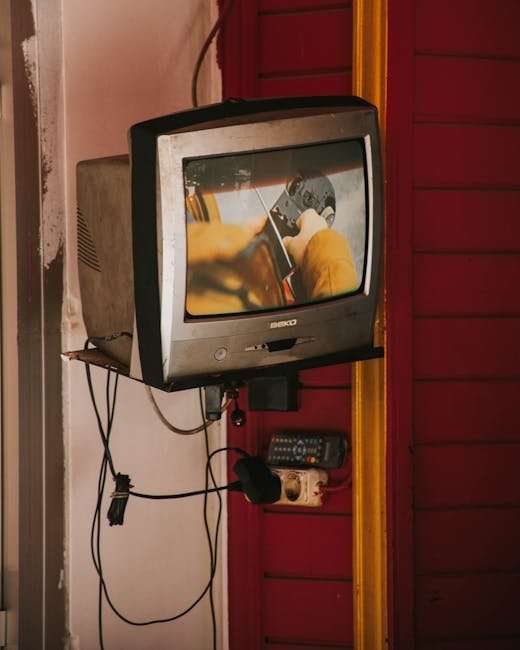
The landscape of entertainment consumption has undergone a dramatic transformation in the 21st century. For decades, traditional television, with its scheduled programming and network control, reigned supreme. However, the advent of the internet and the rise of streaming platforms have ushered in a new era dominated by web series. This shift isn’t merely a change in distribution methods; it represents a fundamental evolution in storytelling, content creation, and audience engagement. Understanding the nuances of this evolving dynamic is crucial for anyone involved in the entertainment industry, from creators and distributors to viewers and advertisers.
Accessibility and Democratization of Content Creation:

Traditional television production is notoriously exclusive, guarded by gatekeepers like network executives and studio heads. Aspiring filmmakers and storytellers often face insurmountable hurdles in getting their projects greenlit and distributed. Web series, on the other hand, offer a significantly more accessible and democratic platform. The barriers to entry are considerably lower, requiring less capital and fewer layers of approval.
This democratization empowers independent creators to bypass traditional channels and connect directly with audiences. Platforms like YouTube, Vimeo, and dedicated web series sites provide readily available tools and infrastructure for uploading, distributing, and monetizing content. This allows for a greater diversity of voices and perspectives, reflecting a broader range of cultural experiences and pushing the boundaries of storytelling in ways that traditional television often avoids.
Creative Freedom and Niche Programming:

The rigid structure of traditional television, driven by advertising revenue and broad audience appeal, often necessitates formulaic narratives and predictable content. Web series, freed from these constraints, enjoy greater creative freedom. Creators can experiment with unconventional formats, explore niche genres, and delve into complex themes that might be deemed too risky or unconventional for mainstream television.
This freedom extends to the length and structure of episodes. Unlike the standardized episode lengths of traditional TV, web series can vary significantly, ranging from short-form micro-episodes to longer, more cinematic narratives. This flexibility allows creators to tailor the pacing and structure of their stories to suit the specific needs of the narrative, resulting in a more engaging and immersive viewing experience.
Audience Engagement and Community Building:
Traditional television viewing is often a passive experience. Viewers tune in at a specific time, watch the program, and then move on. Web series, however, foster a more active and engaged relationship with the audience. The interactive nature of the internet allows viewers to connect with creators and other fans through social media, online forums, and comment sections.
This direct interaction provides creators with valuable feedback, allowing them to refine their storytelling and adapt to audience preferences in real-time. It also fosters a sense of community among viewers, who can share their thoughts, theories, and fan creations. This sense of community can be a powerful driver of viewership and loyalty, creating a dedicated fan base that actively promotes the series.
Monetization Strategies: Beyond Traditional Advertising:
Traditional television relies heavily on advertising revenue, which often dictates the content and format of programming. Web series, while sometimes incorporating advertising, have access to a wider range of monetization strategies. These include:
- Crowdfunding: Platforms like Kickstarter and Indiegogo allow creators to raise funds directly from their audience, fostering a sense of ownership and investment in the project.
- Subscription Models: Streaming platforms like Netflix and Amazon Prime Video offer subscription-based access to a vast library of content, including original web series.
- Merchandise: Web series can generate revenue through the sale of merchandise, such as t-shirts, posters, and other fan collectibles.
- Brand Integration: Creators can partner with brands to integrate their products or services into the narrative, providing a more subtle and engaging form of advertising.
- Direct Sales: Creators can sell episodes or seasons of their web series directly to viewers through platforms like Vimeo On Demand.
This diversification of revenue streams provides web series creators with greater financial independence and allows them to focus on creating high-quality content without being solely beholden to the demands of advertisers.
The Rise of Streaming Platforms and the Blurring of Lines:
The emergence of streaming platforms like Netflix, Amazon Prime Video, Hulu, and Disney+ has further blurred the lines between web series and traditional television. These platforms invest heavily in original content, often blurring the distinction between traditional TV shows and high-budget web series.
Many streaming services started by acquiring or commissioning web series, recognizing their potential to attract and retain subscribers. This has led to a significant increase in the production value and quality of web series, with many now boasting budgets and production values comparable to traditional television shows.
Advantages of Web Series:
- Flexibility: Web series have greater flexibility in terms of episode length, format, and content.
- Accessibility: Web series are more accessible to creators and viewers alike.
- Creative Freedom: Web series creators enjoy greater creative freedom than their counterparts in traditional television.
- Audience Engagement: Web series foster a more active and engaged relationship with the audience.
- Diverse Monetization: Web series have access to a wider range of monetization strategies.
- Global Reach: Web series can reach a global audience through the internet.
- Niche Content: Web series can cater to niche audiences that are underserved by traditional television.
Challenges of Web Series:
- Funding: Securing funding can be a challenge for web series creators.
- Marketing: Marketing and promoting a web series can be difficult, especially with limited resources.
- Discoverability: Getting a web series discovered amidst the vast amount of online content can be a challenge.
- Monetization: Generating sufficient revenue to sustain a web series can be difficult.
- Competition: The web series landscape is highly competitive.
- Production Quality: Maintaining high production quality can be challenging with limited resources.
The Future of Storytelling:
The future of storytelling is likely to be a hybrid model, combining the best aspects of both web series and traditional television. Streaming platforms will continue to play a dominant role, blurring the lines between the two formats and providing a platform for creators to reach a global audience.
Web series will continue to offer a valuable platform for independent creators to experiment with new formats and explore niche genres. The democratization of content creation will continue to empower diverse voices and perspectives, enriching the landscape of entertainment.
Traditional television will need to adapt to the changing landscape by embracing new technologies and experimenting with different formats. Networks will need to focus on creating high-quality, engaging content that can compete with the vast array of options available to viewers online.
Ultimately, the future of storytelling will be driven by audience demand. Viewers are increasingly seeking out content that is authentic, engaging, and relevant to their lives. Creators who can deliver on these demands will be the ones who succeed in the evolving landscape of entertainment.
SEO Keywords: Web series, traditional television, streaming platforms, storytelling, content creation, audience engagement, democratization of content, creative freedom, niche programming, monetization strategies, independent film, online video, digital entertainment, future of television, video on demand, online series, digital storytelling, short form content, web video, independent creators.