Web Series vs. TV Series: What’s the Difference?
The entertainment landscape has undergone a seismic shift, particularly in the realm of serialized storytelling. Once dominated by traditional television, the field now includes a formidable competitor: the web series. While both mediums deliver narrative arcs in episodic formats, significant distinctions exist in their production, distribution, audience engagement, and overall impact. Understanding these differences is crucial for creators, viewers, and industry professionals alike.
Production and Budget:
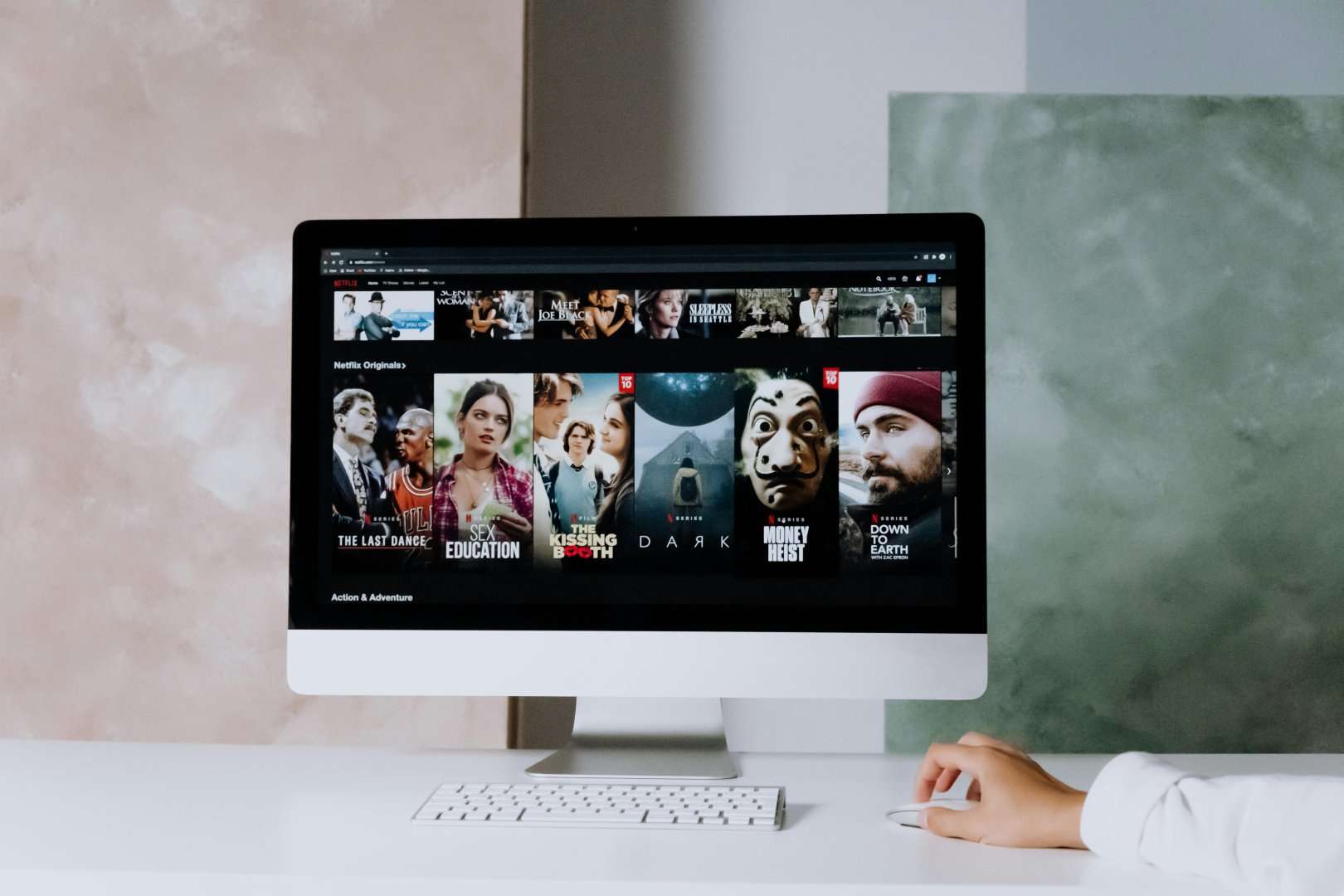
One of the most glaring discrepancies lies in the scale of production and associated budgets. TV series, especially those produced by major networks or streaming giants like Netflix, HBO, or Amazon Prime Video, often command vast resources. This translates into high-quality cinematography, elaborate sets, sophisticated special effects, and the employment of established actors and seasoned crews. The financial backing allows for meticulous pre-production planning, extensive post-production editing, and comprehensive marketing campaigns.
Web series, in contrast, typically operate on significantly tighter budgets. Often, they are independently produced by aspiring filmmakers, small production companies, or even individual creators. This necessitates resourcefulness and creativity. Filmmakers may rely on crowdfunding platforms, sponsorships, or personal investments to finance their projects. The limited budget often impacts the technical aspects of production, potentially resulting in simpler sets, less elaborate special effects, and the utilization of emerging or unknown talent. However, the constraints can also foster innovation and a unique aesthetic that differentiates web series from their television counterparts. The focus shifts from sheer spectacle to compelling storytelling and character development, often prioritizing authenticity and relatability over visual grandeur.

Distribution Channels:
The method of distribution is a defining characteristic that separates web series from TV series. TV series traditionally rely on broadcast networks (like ABC, CBS, NBC) or cable channels (like HBO, AMC, FX) to reach their audience. These networks have established programming schedules and distribution agreements, allowing them to broadcast content to a wide demographic. More recently, streaming services have emerged as major players in TV series distribution, offering on-demand access to a vast library of content.
Web series, as the name suggests, are primarily distributed online. Platforms like YouTube, Vimeo, Facebook Watch, and dedicated web series platforms serve as the primary channels for reaching viewers. This online distribution model offers several advantages. First, it provides creators with direct control over their content and its accessibility. They can bypass traditional gatekeepers and reach a global audience without relying on intermediaries. Second, it allows for greater flexibility in release schedules. Episodes can be released weekly, daily, or even all at once, depending on the creator’s strategy. Third, it fosters a more direct relationship between creators and their audience, enabling them to engage in real-time feedback and build a loyal following.
Audience Demographics and Engagement:
The audience demographics and engagement patterns differ significantly between web series and TV series. TV series typically aim for a broad audience appeal, attempting to capture a large segment of the population. Networks and streaming services invest heavily in market research to understand audience preferences and tailor their content accordingly. This often results in shows that cater to mainstream tastes and adhere to established genre conventions.
Web series, on the other hand, often cater to niche audiences. The online distribution model allows creators to target specific demographics with highly specialized content. This can lead to the development of web series focused on specific interests, hobbies, or subcultures. The direct interaction between creators and viewers fosters a strong sense of community. Web series viewers are often more engaged with the content, actively participating in online discussions, sharing fan theories, and creating fan art. This level of engagement can be a valuable asset for creators, providing them with valuable feedback and helping them to build a loyal fanbase.
Content Format and Structure:
The format and structure of web series and TV series also differ. TV series typically adhere to standardized episode lengths, often ranging from 22 minutes for sitcoms to 45 minutes for dramas. This standardization is driven by the constraints of broadcast schedules and advertising breaks. TV series also often follow a traditional narrative structure, with clear beginnings, middles, and ends to each episode, as well as overarching storylines that develop over multiple seasons.
Web series offer greater flexibility in terms of episode length and narrative structure. Episodes can range from a few minutes to over an hour, depending on the creator’s vision and the needs of the story. This flexibility allows for more experimentation with form and content. Web series can also embrace unconventional narrative structures, such as nonlinear storytelling, interactive narratives, or episodic anthology formats. The lack of rigid constraints allows creators to push boundaries and explore new creative possibilities.
Monetization Strategies:
The monetization strategies employed by web series and TV series differ significantly. TV series rely primarily on advertising revenue and subscription fees to generate income. Networks sell advertising slots during broadcasts, while streaming services charge users a monthly subscription fee for access to their content library. Licensing and syndication deals also contribute to the revenue stream.
Web series creators employ a variety of monetization strategies, often relying on a combination of approaches. Advertising revenue from platforms like YouTube is a common source of income, although the payout rates can be relatively low. Crowdfunding platforms like Kickstarter and Indiegogo allow creators to solicit donations from their fans. Sponsorships and brand integrations can also provide financial support. Some web series creators sell merchandise, such as t-shirts, posters, or DVDs, to generate revenue. Others offer premium content or exclusive access to their fans through subscription services like Patreon. The monetization landscape for web series is constantly evolving, and creators are continually exploring new ways to generate income and sustain their projects.
Creative Control and Artistic Freedom:
Web series offer creators a greater degree of creative control and artistic freedom compared to TV series. In the traditional television ecosystem, creators often have to navigate the demands of network executives, studio producers, and marketing teams. This can result in compromises and limitations on their artistic vision.
Web series creators, on the other hand, typically retain full control over their projects. They can make their own creative decisions without having to answer to external stakeholders. This allows for greater experimentation and risk-taking. Web series creators can explore unconventional themes, challenge social norms, and push the boundaries of storytelling without fear of censorship or interference. This artistic freedom is a major draw for many creators, allowing them to express their unique perspectives and connect with audiences on a deeper level.
Professional Opportunities and Career Advancement:
While TV series offer established career paths and opportunities for professional advancement, web series can serve as a valuable stepping stone for aspiring filmmakers and actors. Working on a TV series provides exposure to a professional production environment, allowing individuals to hone their skills and build their resumes. The high budgets and production values associated with TV series can also lead to greater recognition and opportunities for career advancement.
Web series, however, offer a more accessible entry point into the entertainment industry. Aspiring filmmakers can use web series as a platform to showcase their talents, build their portfolios, and gain experience in all aspects of production. Actors can use web series as an opportunity to develop their skills, gain exposure, and build a following. The success of a web series can lead to opportunities in traditional television, film, or other media. Many successful filmmakers and actors have launched their careers through web series, demonstrating the potential of this medium as a launching pad for talent.
Impact on the Entertainment Industry:
Web series have had a significant impact on the entertainment industry, challenging traditional models of production, distribution, and consumption. They have democratized the filmmaking process, empowering independent creators to bypass traditional gatekeepers and reach audiences directly. They have fostered a culture of experimentation and innovation, pushing the boundaries of storytelling and challenging established genre conventions. They have also created new opportunities for talent, providing a platform for emerging filmmakers and actors to showcase their skills and build their careers.
The rise of web series has forced traditional television networks and streaming services to adapt to the changing landscape. Many networks have launched their own web series divisions, recognizing the potential of this medium to reach new audiences and develop new talent. Streaming services have also embraced web series, acquiring successful independent productions and commissioning original content. The line between web series and TV series is becoming increasingly blurred, as the two mediums continue to converge and influence each other. The future of entertainment is likely to be a hybrid model, where traditional television and web series coexist and complement each other, offering viewers a diverse range of content and experiences.
Accessibility and Global Reach:
Web series inherently possess greater accessibility and global reach compared to traditional TV series, primarily due to their online distribution. TV series, while increasingly available on streaming platforms, often face geographical restrictions and licensing agreements that limit their availability in certain regions. Broadcast television is even more constrained, relying on terrestrial or cable networks that are limited to specific territories.
Web series, conversely, are typically available globally via platforms like YouTube and Vimeo. This unrestricted access allows creators to reach a worldwide audience, transcending geographical boundaries and cultural differences. This accessibility is particularly advantageous for creators from underrepresented regions or those producing content that caters to niche international audiences. The potential for global reach significantly expands the audience base and increases the opportunity for monetization and recognition. Furthermore, the ease of accessibility encourages wider viewership and fosters a more diverse and inclusive entertainment landscape. The ability to subtitle or dub web series into multiple languages further enhances their global appeal and accessibility, solidifying their position as a truly global medium.