
The entertainment landscape has undergone a dramatic transformation in recent years, blurring the lines between traditional television and the burgeoning world of web series. While both mediums deliver compelling narratives and captivating characters, significant distinctions exist in their production, distribution, format, and audience engagement. Understanding these differences is crucial for both content creators and viewers seeking to navigate the ever-expanding realm of visual storytelling.
Production and Budget: A Tale of Two Worlds

One of the most significant disparities lies in the production scale and budget allocation. Traditional TV shows, particularly those broadcast on major networks or cable channels, often operate with substantial financial backing. This allows for high-profile actors, elaborate sets, sophisticated special effects, and extensive post-production work. The sheer cost of producing a single episode of a network drama can easily reach millions of dollars. This financial muscle enables a polished, often visually stunning product.
Web series, on the other hand, typically function with significantly smaller budgets. Many are independently produced, relying on crowdfunding, personal investment, or grants. This budgetary constraint often necessitates creative solutions and a resourceful approach to filmmaking. While some web series have secured larger funding through streaming platforms or brand sponsorships, the average web series operates on a fraction of the budget allocated to a traditional TV show. This financial reality often translates to simpler sets, less-known actors, and a more DIY aesthetic. However, this limitation can also foster ingenuity and a unique artistic vision, forcing creators to prioritize compelling storytelling and character development over visual spectacle.
Distribution: From Broadcast to Broadband
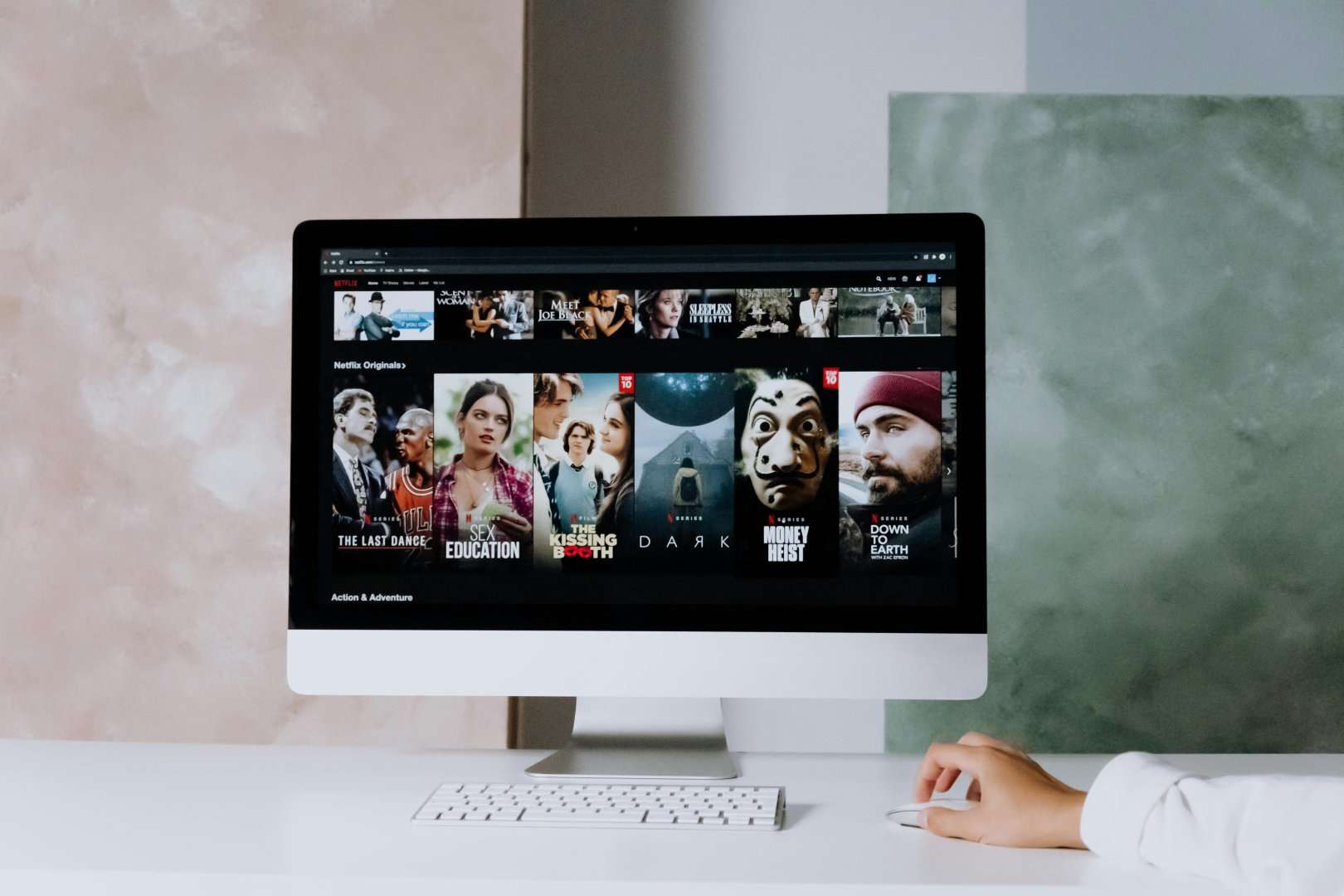
The method of distribution represents another key divergence. TV shows traditionally rely on broadcast networks or cable channels to reach their audience. Viewers tune in at a designated time to watch episodes, often adhering to a weekly schedule. This model provides a structured viewing experience but also limits viewer control over when and where they consume the content.
Web series leverage the power of the internet for distribution. They are primarily hosted on online video platforms like YouTube, Vimeo, or dedicated streaming services. This digital distribution model offers unparalleled accessibility and flexibility. Viewers can watch episodes anytime, anywhere, on a variety of devices. The on-demand nature of web series empowers viewers to binge-watch entire seasons or consume episodes at their own pace. Furthermore, the internet allows for direct engagement between creators and their audience through comments, social media, and online forums. This immediate feedback loop can significantly influence the direction of the series and foster a strong sense of community.
Format and Episode Length: Brevity vs. Expansion
The format and episode length also differ considerably. TV shows typically adhere to standardized episode lengths, ranging from 22 minutes for comedies to 42 minutes for dramas (excluding commercials). These formats are dictated by network programming schedules and advertising slots. Seasons are often longer, typically consisting of 10 to 24 episodes, allowing for more extensive character arcs and complex storylines.
Web series, in contrast, enjoy greater freedom in terms of episode length and overall structure. Episodes can range from a few minutes to over an hour, depending on the narrative requirements and the creator’s vision. This flexibility allows for experimentation with different formats and storytelling techniques. Web series seasons are often shorter than traditional TV seasons, sometimes consisting of only a handful of episodes. This brevity can be advantageous, allowing creators to maintain a tight focus on the core narrative and avoid filler content. The shorter format also encourages experimentation and allows for quicker turnaround times between seasons.
Content and Genre: Niche Appeal vs. Broad Appeal
The content and genre of web series often differ from those of mainstream TV shows. TV networks typically prioritize content with broad appeal, aiming to attract a large and diverse audience. This often results in a focus on familiar genres, such as sitcoms, crime dramas, and reality TV. While TV shows can explore complex themes and tackle social issues, they are often constrained by the need to maintain a certain level of audience accessibility.
Web series, on the other hand, often cater to niche audiences and explore more specialized genres. The lower barrier to entry and the freedom from network oversight allow creators to experiment with unconventional narratives and address topics that might be considered too risky or niche for mainstream television. Web series can delve into genres like science fiction, fantasy, horror, LGBTQ+ stories, and experimental art films with greater freedom and authenticity. This niche focus allows for the creation of highly targeted content that resonates deeply with specific audiences. The internet’s global reach also enables web series to connect with viewers from around the world who share similar interests.
Audience Engagement: Direct Interaction vs. Passive Consumption
The level of audience engagement represents a significant difference between web series and TV shows. Traditional TV viewing is often a more passive experience. Viewers watch episodes as they are broadcast and may engage in limited discussions with friends or family. While social media has enabled some level of online interaction, the connection between creators and viewers remains relatively limited.
Web series, however, foster a much more direct and interactive relationship between creators and their audience. Online platforms allow for immediate feedback through comments, reviews, and social media interactions. Creators can directly respond to viewer comments, answer questions, and even incorporate audience suggestions into future episodes. This level of engagement can create a strong sense of community around a web series and foster a loyal fan base. Furthermore, web series creators often utilize crowdfunding platforms to directly involve their audience in the production process. This direct financial support can create a sense of ownership and investment among viewers, further strengthening the bond between creators and their audience.
Accessibility and Convenience: The On-Demand Advantage
The accessibility and convenience of web series are undeniable advantages over traditional TV. Viewers can access web series on a wide range of devices, including computers, smartphones, tablets, and smart TVs. The on-demand nature of web series allows viewers to watch episodes at their own convenience, fitting them into their busy schedules. This flexibility contrasts sharply with the rigid scheduling of traditional TV broadcasts.
Furthermore, many web series are available for free on platforms like YouTube and Vimeo, making them accessible to viewers regardless of their financial situation. While some web series are hosted on subscription-based streaming services, the cost is often lower than traditional cable TV packages. The combination of accessibility, convenience, and affordability makes web series an attractive alternative to traditional television for many viewers.
Discoverability: Navigating the Digital Landscape
While the internet offers unparalleled reach for web series, discoverability can be a significant challenge. With millions of videos uploaded to online platforms every day, it can be difficult for a web series to stand out from the crowd. Creators must actively promote their work through social media, online communities, and film festivals to attract viewers.
Search engine optimization (SEO) plays a crucial role in improving the discoverability of web series. By using relevant keywords in titles, descriptions, and tags, creators can increase the chances of their series appearing in search results. Collaborating with other creators and participating in online communities can also help to expand the reach of a web series.
Monetization: Finding Sustainable Funding
Monetizing web series remains a significant challenge for many creators. While some web series have achieved financial success through advertising revenue, sponsorships, or subscription models, many struggle to generate enough income to sustain their production.
Crowdfunding has become a popular method for funding web series. Platforms like Kickstarter and Indiegogo allow creators to solicit donations from their audience in exchange for rewards, such as early access to episodes, merchandise, or even cameo appearances in the series. Product placement and brand integration can also provide a source of revenue for web series.
The Future of Entertainment: Convergence and Evolution
The lines between web series and TV shows are becoming increasingly blurred as the entertainment industry evolves. Streaming services like Netflix, Amazon Prime Video, and Hulu have embraced both traditional TV formats and original web series, blurring the distinction between the two mediums. Many successful web series have been adapted into TV shows, demonstrating the potential for online content to transition to mainstream television.
The future of entertainment likely lies in a convergence of these two formats. As technology continues to evolve and viewing habits change, the traditional boundaries between TV and the web will continue to erode. Creators will increasingly leverage the strengths of both mediums to create compelling and engaging content for a global audience. The focus will shift from the distribution platform to the quality of the storytelling and the ability to connect with viewers on a deeper level. The rise of interactive storytelling and virtual reality will further transform the entertainment landscape, creating new opportunities for creators to engage with their audience in innovative ways. The key to success will be adaptability, creativity, and a willingness to embrace the ever-changing dynamics of the digital age.