Indian Web Series: A Comparative Analysis with Global Content
The digital entertainment landscape has undergone a seismic shift in recent years, with web series emerging as a dominant force. India, with its burgeoning internet penetration and a youthful, digitally savvy population, has enthusiastically embraced this format. While Indian web series are increasingly gaining popularity, a comparative analysis with global content reveals distinct characteristics, strengths, and areas for improvement. This article delves into various aspects of Indian web series, juxtaposing them against international counterparts to understand their unique position in the global entertainment ecosystem.
Production Quality and Technical Aspects:
Globally, web series, particularly those produced by streaming giants like Netflix, Amazon Prime Video, and HBO Max, often boast high production values rivalling traditional television and even cinematic releases. These productions benefit from substantial budgets, allowing for elaborate sets, cutting-edge visual effects, and high-quality cinematography. Series like “The Crown,” “Stranger Things,” and “Game of Thrones” (though technically a television series, its influence on web series production is undeniable) set benchmarks for visual storytelling and technical prowess.
In contrast, Indian web series, while showing significant improvement, often operate on comparatively smaller budgets. This can manifest in less polished visuals, simpler set designs, and a greater reliance on practical effects. However, Indian creators have demonstrated remarkable ingenuity in maximizing their resources. Series like “Sacred Games,” “Mirzapur,” and “Delhi Crime” have been praised for their gritty realism and effective use of location shooting, compensating for budgetary constraints through compelling narratives and strong performances. The focus on authentic storytelling and relatable characters often outweighs the need for extravagant visual spectacles.

Furthermore, global productions frequently employ advanced post-production techniques, including color grading, sound design, and visual effects, to enhance the viewing experience. Indian web series are catching up in this area, with a growing emphasis on technical finesse. However, the consistency of quality across all productions remains a challenge, and independent creators often face significant hurdles in accessing high-end post-production facilities.
Content and Narrative Styles:
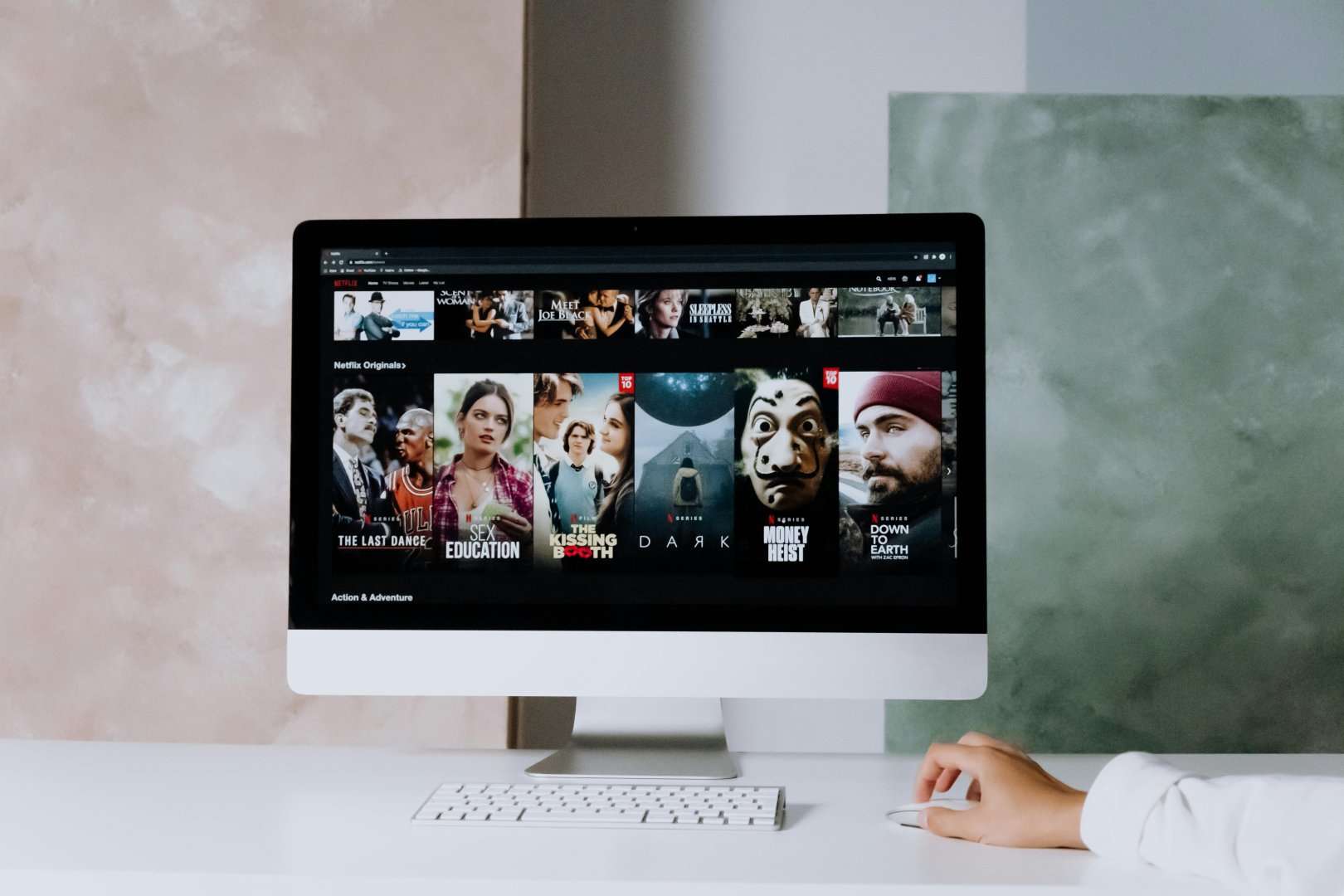
One of the most significant differences lies in the content and narrative styles prevalent in Indian and global web series. Global content often explores a wider range of themes and genres, pushing boundaries in terms of subject matter, sexuality, and violence. Series like “Euphoria,” “Sex Education,” and “The Boys” delve into complex social issues and taboo topics with unflinching honesty. This willingness to explore controversial themes has contributed to the global appeal of these shows.
Indian web series, while gradually becoming more daring, are still often constrained by cultural sensitivities and censorship regulations. However, they excel in portraying relatable stories rooted in Indian society and culture. Series like “Kota Factory,” “Panchayat,” and “Gullak” resonate deeply with Indian audiences because they depict everyday life, familial relationships, and the challenges faced by ordinary people. These shows often employ humor and satire to address social issues, offering a nuanced and relatable perspective.
Moreover, global productions often experiment with unconventional narrative structures, such as non-linear storytelling and anthology formats. Indian web series are increasingly adopting these techniques, but the traditional episodic format remains dominant. The focus on character development and emotional depth is a common thread across both Indian and global content. However, Indian series often prioritize relatability and emotional resonance over purely plot-driven narratives.
Genre Representation and Innovation:
Globally, web series have revolutionized genre representation, offering a diverse range of options from science fiction and fantasy to historical dramas and true crime documentaries. Series like “The Mandalorian,” “The Witcher,” and “Chernobyl” have captivated audiences with their immersive world-building, compelling characters, and high production values.
Indian web series are also diversifying their genre offerings, but certain genres, such as crime thrillers and dramas, are particularly popular. Series like “Sacred Games,” “Mirzapur,” and “Asur” have redefined the Indian crime thriller genre, blending elements of mythology, politics, and social commentary. However, other genres, such as science fiction and fantasy, are still relatively underrepresented.
Innovation in genre blending is also a key trend in global web series. Shows like “Russian Doll,” which combines elements of comedy, drama, and science fiction, demonstrate the creative potential of genre experimentation. Indian creators are also exploring genre blending, but there is still room for greater innovation and originality in this area.
Acting and Performance:
Both Indian and global web series benefit from talented actors who bring depth and authenticity to their roles. Global productions often feature established Hollywood stars, which can contribute to their international appeal. However, the focus is increasingly shifting towards casting diverse and talented actors who may not be as widely known.
Indian web series have provided a platform for both established actors and emerging talents to showcase their skills. Actors like Saif Ali Khan, Nawazuddin Siddiqui, and Pankaj Tripathi have delivered memorable performances in Indian web series, demonstrating their versatility and range. Furthermore, Indian web series have also introduced a new generation of talented actors, such as Jitendra Kumar, Sumeet Vyas, and Mithila Palkar, who have gained a significant following.
The acting styles in Indian and global web series can also differ. Global productions often emphasize naturalistic acting and nuanced performances. Indian web series, while also embracing naturalism, sometimes incorporate elements of theatricality and melodrama, particularly in emotional scenes. This can be attributed to the influence of Indian cinema and television, which have traditionally favored more expressive acting styles.
Cultural Context and Representation:
One of the most significant differences between Indian and global web series lies in their cultural context and representation. Global productions often reflect the cultural values and perspectives of Western societies. While efforts are being made to increase diversity and representation, the dominant narratives still often reflect Western experiences.
Indian web series, on the other hand, offer a unique window into Indian culture, society, and values. They portray the complexities of Indian family life, social hierarchies, and religious beliefs. Series like “Little Things” and “Made in Heaven” explore the challenges and aspirations of modern Indian couples, while series like “A Suitable Boy” offer a glimpse into India’s rich history and cultural heritage.
However, Indian web series also face criticism for perpetuating certain stereotypes and biases. Issues such as caste discrimination, religious intolerance, and gender inequality are often depicted, but the representation can sometimes be problematic. It is crucial for Indian creators to address these issues with sensitivity and nuance, ensuring that their portrayals are accurate and responsible.
Distribution and Accessibility:
Global web series are typically distributed through streaming platforms like Netflix, Amazon Prime Video, and Disney+, which have a global reach. This allows these series to be easily accessible to audiences worldwide. However, subscription fees and internet access can still be barriers for some viewers.
Indian web series are also primarily distributed through streaming platforms, both international and local. Platforms like Zee5, ALTBalaji, and MX Player cater specifically to Indian audiences, offering a wide range of content in various Indian languages. However, piracy remains a significant challenge for the Indian web series industry, as many viewers resort to illegal downloads and streaming.
Furthermore, the availability of subtitles and dubbing can also impact the accessibility of web series. Global productions often offer subtitles and dubbing in multiple languages, making them accessible to a wider audience. Indian web series are increasingly offering subtitles in English and other languages, but there is still room for improvement in this area.
Impact and Influence:
Global web series have had a significant impact on the entertainment industry, influencing trends in storytelling, production, and distribution. They have also sparked important conversations about social issues and cultural representation.
Indian web series are also making a significant impact on the Indian entertainment landscape. They have provided a platform for new voices and perspectives, challenging traditional norms and conventions. They have also created new opportunities for actors, writers, and directors, contributing to the growth of the Indian entertainment industry.
The influence of Indian web series is also extending beyond India, with some series gaining international recognition and acclaim. This is helping to promote Indian culture and storytelling to a global audience.
In conclusion, Indian web series have carved a unique niche in the global entertainment landscape. While they may not always match the production values of their international counterparts, they excel in portraying relatable stories rooted in Indian culture and society. As the Indian web series industry continues to evolve, it is crucial for creators to focus on quality storytelling, innovative genre blending, and responsible representation to further enhance their global appeal and impact. The future of Indian web series is bright, with the potential to become a major force in the global entertainment industry.