The Indian entertainment landscape has undergone a seismic shift, primarily fueled by the proliferation of affordable mobile data and the subsequent rise of Over-The-Top (OTT) streaming platforms. Before the digital revolution, television and cinema held a near-monopoly over entertainment consumption. Viewers were largely limited to content dictated by established broadcasting networks and production houses, often catering to a homogenous, mass audience.
The advent of platforms like Netflix, Amazon Prime Video, Disney+ Hotstar, Zee5, ALTBalaji, and SonyLIV, among others, shattered this established order. These platforms offered a diverse range of content, often bypassing the traditional gatekeepers of television and film. This democratization empowered independent filmmakers, writers, and actors, providing them with avenues to showcase their talent and reach audiences directly.
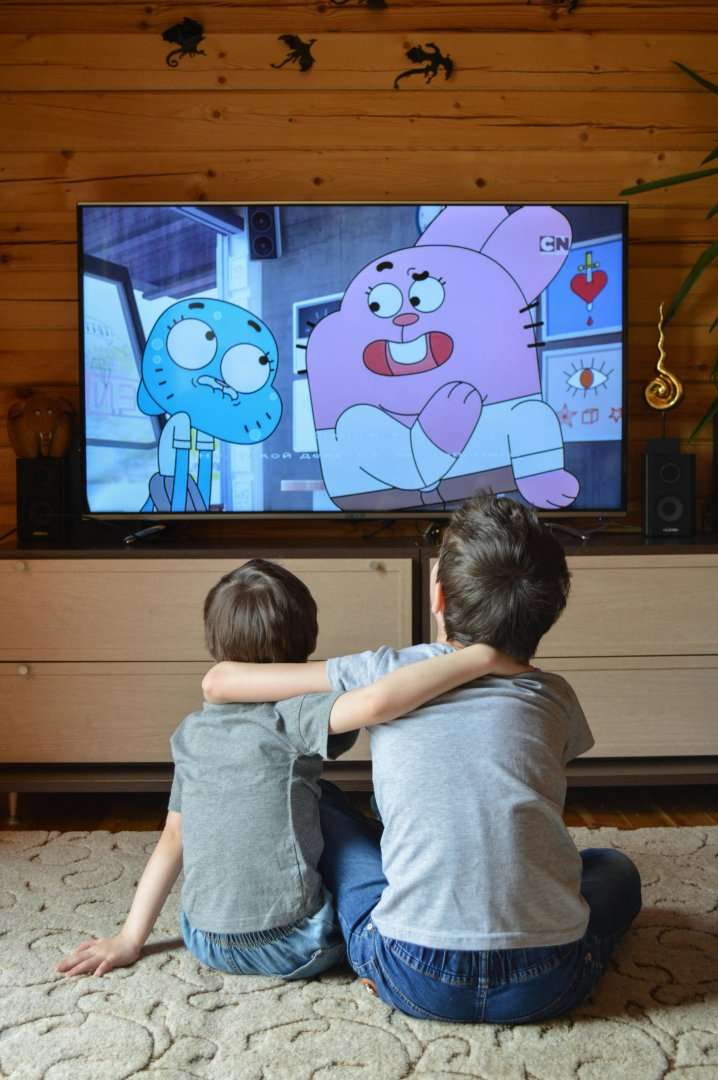
The accessibility of these platforms, coupled with the convenience of on-demand viewing, proved to be a winning formula. Consumers were no longer bound by fixed schedules or geographical limitations. They could curate their own viewing experiences, choosing from a vast library of content available at their fingertips. This shift in consumption patterns directly influenced the type of content being produced.
Genre Exploration and Niche Audience Targeting
One of the most significant contributions of Indian web series has been their willingness to explore genres and themes largely ignored by mainstream cinema and television. While traditional media often shied away from controversial or nuanced subjects, web series embraced them with open arms. This resulted in a surge of content that catered to niche audiences with specific interests.
Crime thrillers, for instance, found a strong foothold in the web series format. Shows like “Sacred Games” (Netflix), “Mirzapur” (Amazon Prime Video), and “Paatal Lok” (Amazon Prime Video) captivated audiences with their gritty realism, complex characters, and intricate plotlines. These series delved into the underbelly of Indian society, exploring themes of corruption, violence, and social injustice in a way that mainstream media often avoided.
Similarly, the romantic comedy genre was revitalized by web series. Shows like “Little Things” (Netflix), “Permanent Roommates” (TVF Play), and “Mismatched” (Netflix) offered relatable stories about modern relationships, capturing the anxieties and aspirations of young urban Indians. These series often featured nuanced characters and realistic portrayals of love, friendship, and career aspirations.
Furthermore, web series have provided a platform for exploring LGBTQ+ narratives. Shows like “Made in Heaven” (Amazon Prime Video) and “Four More Shots Please!” (Amazon Prime Video) have featured characters from the LGBTQ+ community, portraying their experiences with sensitivity and authenticity. These narratives have contributed to greater visibility and understanding of LGBTQ+ issues in Indian society.
The willingness to experiment with different genres and themes has allowed Indian web series to cater to a diverse range of audiences, attracting viewers who were previously underserved by traditional media. This has broadened the scope of Indian entertainment, making it more inclusive and representative of the country’s diverse population.
Character-Driven Narratives and Realistic Storytelling
Another key factor contributing to the success of Indian web series is their focus on character-driven narratives and realistic storytelling. Unlike mainstream cinema, which often prioritizes spectacle and star power, web series tend to prioritize character development and emotional depth. This allows viewers to connect with the characters on a more personal level, investing in their journeys and empathizing with their struggles.
Many successful web series feature flawed and relatable characters who grapple with everyday problems. These characters are not always heroic or morally upright; they are often complex and contradictory, making them feel more human and believable. This realism resonates with audiences who are tired of the idealized portrayals often found in mainstream media.
The storytelling in web series is also often more nuanced and realistic than in traditional media. Web series have the time and space to develop complex plotlines and explore multiple perspectives. This allows for a more in-depth examination of social issues and personal relationships. The use of realistic dialogue and believable scenarios further enhances the authenticity of the storytelling.
The emphasis on character-driven narratives and realistic storytelling has allowed Indian web series to create a more intimate and engaging viewing experience. Viewers are drawn into the lives of the characters, becoming invested in their destinies and empathizing with their struggles. This has fostered a loyal fanbase for many web series, contributing to their long-term success.
Breaking the Stranglehold of Bollywood and Regional Cinema Dominance
Before the advent of web series, the Indian entertainment industry was largely dominated by Bollywood and regional cinema. These established industries controlled the distribution channels and dictated the types of stories that were told. Web series have disrupted this established order, providing a platform for independent filmmakers and actors to showcase their talent and reach audiences directly.
Web series have also challenged the dominance of star power in the Indian entertainment industry. While established Bollywood actors have started to appear in web series, many successful series feature relatively unknown actors who have gained recognition for their performances. This has created opportunities for new talent to emerge and challenge the established hierarchy.
Furthermore, web series have helped to bridge the gap between Bollywood and regional cinema. Many web series are produced in regional languages, catering to specific linguistic communities. This has allowed regional filmmakers and actors to reach a wider audience, promoting cultural diversity and linguistic inclusivity.
The rise of web series has created a more level playing field in the Indian entertainment industry, providing opportunities for independent filmmakers, actors, and writers to compete with established players. This has fostered creativity and innovation, leading to a more diverse and vibrant entertainment landscape.
Impact on Traditional Media and Future Trends
The success of Indian web series has had a significant impact on traditional media, forcing television and cinema to adapt to the changing preferences of audiences. Television networks have started to experiment with different formats and genres, while filmmakers have become more willing to take risks and explore unconventional themes.
The lines between traditional media and web series are becoming increasingly blurred. Many established Bollywood actors and filmmakers are now involved in web series productions, recognizing the potential of the format. Similarly, many successful web series have been adapted into feature films, demonstrating the crossover appeal of the content.
Looking ahead, the future of Indian web series looks bright. The market is expected to continue to grow, driven by increasing internet penetration and the growing demand for high-quality, original content. We can expect to see more experimentation with different genres and formats, as well as a greater focus on regional content and international collaborations.
The rise of interactive storytelling and virtual reality (VR) could also have a significant impact on the future of web series. These technologies offer new ways to engage with audiences and create immersive viewing experiences. As the Indian entertainment landscape continues to evolve, web series are likely to play an increasingly important role in shaping the future of storytelling.
SEO Keywords: Indian web series, OTT platforms, streaming services, digital entertainment, Indian entertainment industry, Bollywood, regional cinema, content creation, genre exploration, niche audiences, character-driven narratives, realistic storytelling, Indian streaming, Netflix India, Amazon Prime Video India, Disney+ Hotstar, Zee5, ALTBalaji, SonyLIV, Indian web series trends, impact of web series, future of Indian entertainment, Indian web series review, best Indian web series, popular Indian web series, Indian web series actors, Indian web series directors, Indian web series writers, online streaming India.