The Rise of Indie Web Series: A New Frontier for Filmmaking
The internet has democratized content creation, and nowhere is this more evident than in the flourishing world of indie web series. These short-form, episodic narratives, produced outside the traditional studio system, offer independent filmmakers a platform to showcase their talent, experiment with storytelling, and connect directly with audiences. This article delves into the multifaceted landscape of indie web series, exploring their significance, production challenges, distribution strategies, monetization models, and the impact they have on the broader film industry.
Defining the Indie Web Series Landscape
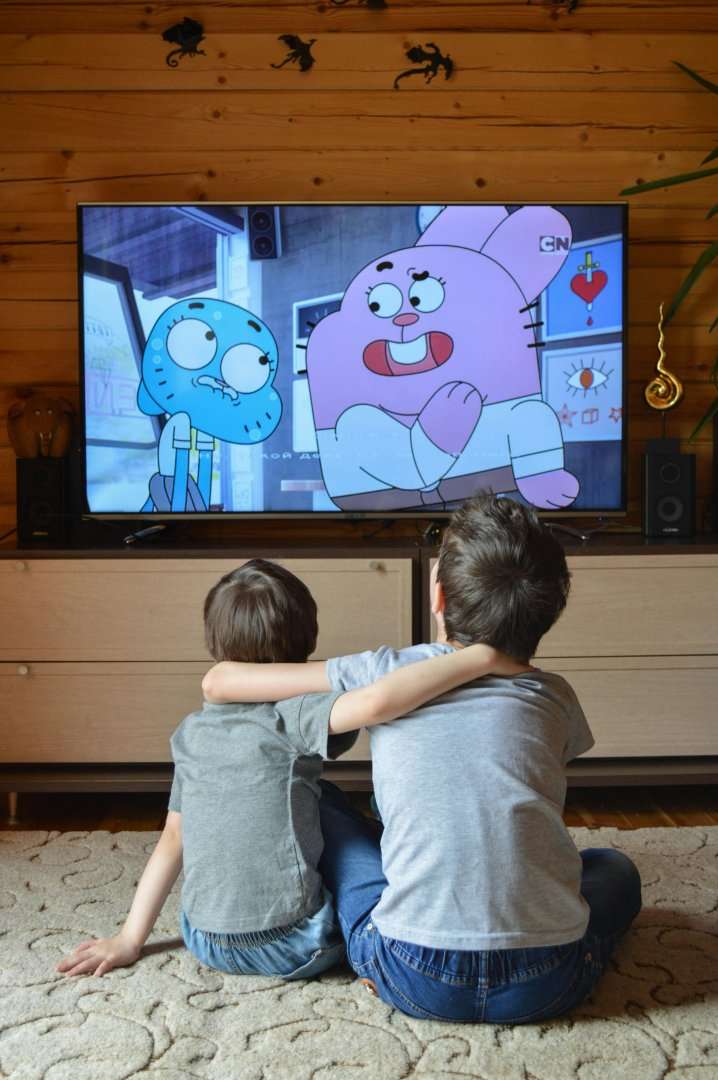
An indie web series is fundamentally characterized by its independent production. This means it’s primarily funded, created, and distributed outside the established networks of major studios and television broadcasters. The scale can range from shoestring budgets fueled by passion and volunteer labor to more ambitious projects supported by crowdfunding, grants, or small production companies. What unites them is the spirit of autonomy and the freedom to explore niche genres, unconventional formats, and diverse perspectives often overlooked by mainstream media.
Unlike traditional television, web series typically embrace shorter episode lengths, often ranging from 2 to 20 minutes. This brevity caters to the attention spans of online viewers and allows for easier consumption on mobile devices. The episodic nature, however, remains crucial, building anticipation and encouraging viewers to return for subsequent installments.
Why Indie Web Series Matter: Creative Freedom and Accessibility
The significance of indie web series extends beyond mere entertainment. They provide a vital space for:
- Creative Experimentation: Unburdened by the constraints of network executives and market research, indie filmmakers can take risks, explore unconventional narratives, and push the boundaries of storytelling. This freedom fosters innovation and allows for the development of unique voices.
- Diversity and Representation: Indie web series often champion stories and characters that are marginalized or underrepresented in mainstream media. They provide a platform for diverse voices to be heard, promoting inclusivity and challenging societal norms.
- Talent Discovery: The web series format serves as a proving ground for emerging filmmakers, actors, writers, and other creatives. It allows them to build a portfolio, gain experience, and attract the attention of industry professionals.
- Direct Audience Engagement: Unlike traditional television, web series creators can interact directly with their audience through social media, online forums, and live events. This direct feedback loop allows for a more intimate connection and can inform future creative decisions.
- Accessibility for Viewers: Most indie web series are available for free online, making them accessible to a global audience regardless of geographical location or socioeconomic status. This democratization of content consumption is a key advantage of the format.
Production Challenges and Creative Solutions
While the freedom of indie filmmaking is appealing, it also presents significant challenges:
- Limited Budgets: Securing funding is often the biggest hurdle. Indie filmmakers rely on a variety of sources, including personal savings, crowdfunding campaigns (Kickstarter, Indiegogo), grants from film organizations, and small investments from independent production companies.
- Resource Constraints: Limited budgets translate to limited resources. Filmmakers often wear multiple hats, handling writing, directing, editing, and even acting roles themselves. This requires resourcefulness and a willingness to learn new skills.
- Technical Expertise: Achieving professional-quality production values on a limited budget requires technical expertise. Filmmakers must be proficient in cinematography, sound design, editing, and visual effects.
- Finding and Managing Talent: Attracting and retaining talented actors and crew members can be difficult when budgets are tight. Indie filmmakers often rely on volunteer labor or offer deferred payment agreements.
- Time Management: Balancing the demands of filmmaking with other responsibilities (such as full-time jobs) requires exceptional time management skills.
To overcome these challenges, indie filmmakers often employ creative solutions:
- Guerilla Filmmaking: Shooting in public locations without permits, utilizing natural lighting, and employing minimalist set designs are common tactics.
- DIY Production: Building sets, creating props, and designing costumes themselves can significantly reduce costs.
- Leveraging Social Media: Utilizing social media platforms to promote the series, build an audience, and solicit feedback is crucial.
- Collaborative Filmmaking: Working with other indie filmmakers to share resources, expertise, and talent can be mutually beneficial.
- Embracing Limitations: Rather than trying to emulate the production values of Hollywood blockbusters, successful indie filmmakers often embrace their limitations and use them to their advantage, creating a unique aesthetic.
Distribution Strategies in the Digital Age
The internet offers a plethora of distribution options for indie web series:
- YouTube: The most popular platform for web series, offering a vast audience and monetization opportunities through ad revenue.
- Vimeo: A platform known for its high-quality video streaming and focus on independent filmmaking.
- Dedicated Web Series Platforms: Sites like Seed&Spark, DUST, and Blackpills (now defunct, but a historical example) specialize in showcasing web series and often offer revenue-sharing models.
- Social Media Platforms: Distributing episodes or trailers on platforms like Facebook, Instagram, and TikTok can reach a wider audience.
- Personal Websites: Creating a dedicated website for the series allows filmmakers to maintain control over their content and brand.
- Film Festivals: Submitting the series to film festivals can generate buzz, attract industry attention, and secure distribution deals.
Effective distribution requires a strategic approach:
- Target Audience Identification: Understanding the target audience and tailoring the distribution strategy accordingly is crucial.
- Platform Optimization: Optimizing the series for each platform (e.g., using relevant keywords on YouTube) can improve visibility.
- Social Media Promotion: Actively promoting the series on social media, engaging with fans, and running targeted ads can drive traffic.
- Cross-Promotion: Collaborating with other web series creators to cross-promote each other’s work can expand the audience reach.
- Community Building: Fostering a community around the series by interacting with fans and creating exclusive content can increase engagement and loyalty.
Monetization Models for Indie Web Series
Generating revenue from indie web series can be challenging, but several monetization models exist:
- Ad Revenue (YouTube AdSense): Earning revenue from advertisements displayed before, during, or after the series episodes.
- Crowdfunding (Patreon, Kickstarter): Soliciting donations from fans to support the production of future episodes or seasons.
- Merchandise Sales: Selling merchandise related to the series, such as t-shirts, posters, and DVDs.
- Sponsorships: Partnering with brands to integrate their products or services into the series.
- Subscription Services: Offering exclusive content or early access to episodes in exchange for a monthly subscription fee.
- Licensing and Distribution Deals: Selling the rights to the series to streaming services or television networks.
- Film Festival Awards: Winning awards at film festivals can attract funding and distribution opportunities.
A diversified approach to monetization is often the most effective, combining multiple revenue streams to ensure the long-term sustainability of the project.
The Impact on the Broader Film Industry
Indie web series are not just a niche phenomenon; they are having a significant impact on the broader film industry:
- Talent Pipeline: Web series are serving as a training ground for emerging filmmakers, actors, and writers, providing them with the experience and exposure they need to break into the industry.
- Innovation in Storytelling: The freedom of the web series format is fostering innovation in storytelling, with filmmakers experimenting with new genres, formats, and narrative structures.
- Audience Engagement: Web series are demonstrating the power of direct audience engagement, allowing filmmakers to connect with their fans in a more meaningful way.
- Democratization of Content Creation: Web series are empowering independent filmmakers to create and distribute their work without the need for traditional gatekeepers.
- Influence on Mainstream Media: The success of some web series has led to their adaptation into television shows or feature films, blurring the lines between indie and mainstream media.
In conclusion, indie web series represent a dynamic and evolving landscape within the film industry. They offer independent filmmakers a platform to express their creativity, connect with audiences, and challenge the status quo. As technology continues to evolve and new distribution channels emerge, the future of indie web series looks bright, promising even greater opportunities for independent filmmakers to thrive.