Netflix Web Series: Behind-the-Scenes Secrets You Didn’t Know
The Crown: More Than Just a Tiara and a Throne
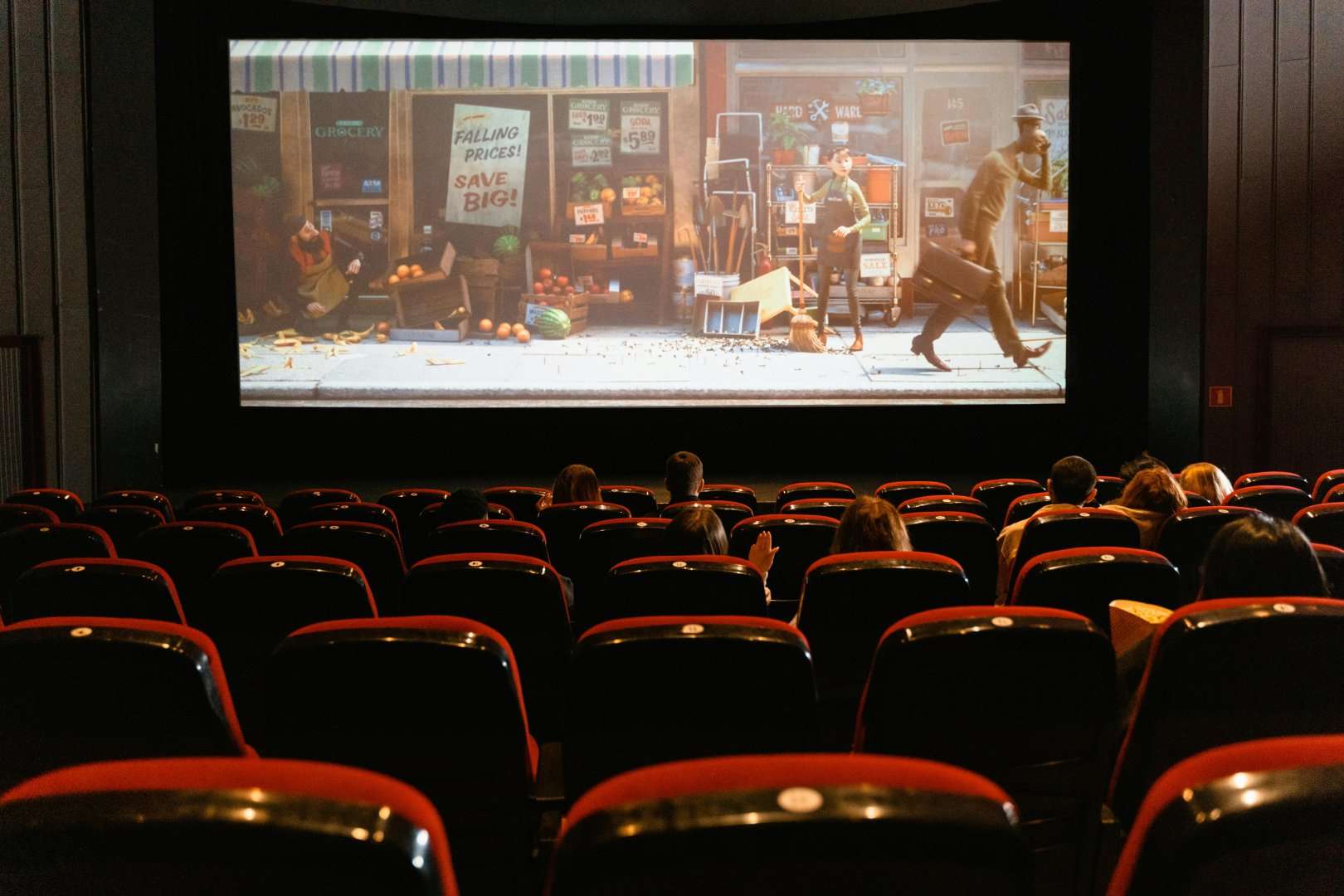
Netflix’s “The Crown” is a historical drama that has captivated audiences worldwide with its meticulous recreation of the British monarchy’s history. However, the glittering facade hides a wealth of behind-the-scenes secrets.
-
Casting Calamity and Creative Solutions: Finding actors to embody such iconic figures is no easy feat. The show famously recasts its leads every two seasons to reflect the aging process. This presented a unique challenge: finding actors who not only resembled their predecessors but could also convincingly portray the same character at a different stage of life. For instance, Olivia Colman was chosen to succeed Claire Foy as Queen Elizabeth II, bringing a different, more mature interpretation to the role. The casting directors meticulously studied mannerisms, vocal patterns, and even subtle facial expressions to ensure a seamless transition for the audience.

-
Royal Research Rigor: The show’s historical accuracy is paramount. A team of researchers works tirelessly to pore over historical documents, biographies, and newsreels to ensure authenticity. However, the show also takes creative liberties, filling in gaps in the historical record with educated guesses and dramatic interpretations. This has led to some controversy, with some critics arguing that the show occasionally sacrifices historical accuracy for the sake of a compelling narrative. The production team maintains that they strive for accuracy but acknowledge the need for dramatic license to create engaging television.
-
Costume Creation: A Royal Wardrobe Worth Millions: The costumes in “The Crown” are nothing short of spectacular. Each garment is meticulously crafted to reflect the fashion trends of the era and the personal style of the character wearing it. The production team often recreates iconic outfits worn by the royal family, using the same fabrics and techniques as the original designers. This level of detail comes at a price. The costume budget for each season is reportedly in the millions of dollars, making “The Crown” one of the most expensive television shows ever produced.
-
Location, Location, Location (and a Little Bit of CGI): While “The Crown” aims for authenticity, filming within actual royal residences is often impossible due to security concerns and logistical challenges. As a result, the production team relies heavily on location scouting and CGI to recreate the look and feel of Buckingham Palace, Windsor Castle, and other royal landmarks. Several stately homes throughout the UK stand in for royal residences, and CGI is used to add details such as the London skyline or the vastness of the palace grounds.
-
Royal Approval (or Lack Thereof): The royal family has never officially commented on “The Crown,” but various sources have revealed their private opinions. Some members of the family are reportedly amused by the show, while others are less enthusiastic. Prince William, for example, is rumored to be uncomfortable with the show’s portrayal of his parents’ marriage. Despite the lack of official endorsement, the show has undoubtedly sparked renewed interest in the British monarchy and its history.
Stranger Things: Nostalgia, Monsters, and a Whole Lot of Waffles
“Stranger Things” tapped into a collective nostalgia for the 1980s, blending science fiction, horror, and coming-of-age themes into a pop culture phenomenon.
-
The Duffer Brothers’ Inspiration: The Duffer Brothers, the creators of “Stranger Things,” drew inspiration from a wide range of sources, including the works of Steven Spielberg, Stephen King, and John Carpenter. They initially pitched the show as a remake of Stephen King’s “It,” but Netflix encouraged them to develop their own original story. The result was a show that feels both familiar and fresh, capturing the spirit of 1980s genre cinema while forging its own unique identity.
-
Casting the Kids: A Nationwide Search: Casting the young actors was crucial to the success of “Stranger Things.” The Duffer Brothers held a nationwide casting call, searching for kids who could embody the spirit of the 1980s and deliver authentic performances. Millie Bobby Brown, who plays Eleven, stood out with her raw talent and emotional depth. The other young actors, including Finn Wolfhard, Gaten Matarazzo, Caleb McLaughlin, and Noah Schnapp, also impressed the creators with their natural chemistry and acting abilities.
-
Practical Effects Over CGI: A Deliberate Choice: “Stranger Things” relies heavily on practical effects to create its monsters and otherworldly environments. The Duffer Brothers wanted to capture the look and feel of 1980s horror films, which often used practical effects to create a sense of realism and terror. The Demogorgon, for example, was brought to life using a combination of prosthetics, puppetry, and a suit actor. While CGI is used to enhance some of the effects, the emphasis on practical effects gives the show a tangible and visceral quality.
-
The Upside Down: A World of Decay and Danger: The Upside Down, the alternate dimension in “Stranger Things,” is a dark and decaying version of Hawkins, Indiana. The production team created the Upside Down using a combination of practical sets, CGI, and atmospheric effects. The set was designed to feel claustrophobic and unsettling, with hanging vines, spores, and a perpetual layer of dust. The sound design also plays a crucial role in creating the atmosphere of the Upside Down, with eerie drones, guttural roars, and unsettling whispers.
-
Eleven’s Powers: Telekinesis and Training: Eleven’s telekinetic abilities are a key element of “Stranger Things.” Millie Bobby Brown worked with a movement coach to develop the physical language of Eleven’s powers. The coach helped her to create specific gestures and movements that conveyed the effort and concentration required to use her abilities. The visual effects team also played a role in bringing Eleven’s powers to life, using CGI to create the telekinetic effects and the psychic visions.
Bridgerton: Regency Romance with a Modern Twist
“Bridgerton” brought Regency-era romance to the forefront with its diverse cast, vibrant costumes, and soapy storylines.
-
Shonda Rhimes’ Touch: A Proven Formula: “Bridgerton” is produced by Shonda Rhimes’ production company, Shondaland. Rhimes is known for creating popular and addictive television shows, such as “Grey’s Anatomy” and “Scandal.” “Bridgerton” follows a similar formula, blending romance, drama, and social commentary into a crowd-pleasing package. Rhimes’ involvement ensured a high production value and a focus on character development and engaging storylines.
-
Color-Conscious Casting: Challenging Conventions: “Bridgerton” features a diverse cast, with actors of color playing prominent roles in the Regency-era aristocracy. This color-conscious casting challenged the traditional depiction of Regency England, which often featured predominantly white casts. The decision to cast actors of color was a deliberate choice by the producers, who wanted to create a more inclusive and representative portrayal of the era.
-
Costumes That Pop: A Regency Fashion Revolution: The costumes in “Bridgerton” are a feast for the eyes. The costume designers took inspiration from Regency-era fashion but also incorporated modern elements, such as bold colors and unconventional silhouettes. The result is a visually stunning and vibrant wardrobe that reflects the personalities of the characters. The costumes also play a role in the show’s storytelling, with each outfit conveying information about the character’s social status, personality, and emotional state.
-
Location Filming: Bath and Beyond: “Bridgerton” was filmed on location in Bath, England, and at various stately homes throughout the UK. Bath’s Georgian architecture provided the perfect backdrop for the show’s Regency setting. The production team also used CGI to enhance the locations and create the illusion of a bustling London society. The use of real locations added to the show’s authenticity and visual appeal.
-
Intimacy Coordination: Ensuring Comfort and Respect: “Bridgerton” features several intimate scenes, and the production team employed an intimacy coordinator to ensure the comfort and safety of the actors. The intimacy coordinator worked with the actors and directors to choreograph the scenes and establish clear boundaries. This helped to create a safe and respectful environment for the actors to perform their roles.
Squid Game: A Deadly Game of Survival
“Squid Game” became a global phenomenon, captivating audiences with its dark themes, suspenseful plot, and social commentary.
-
Years in Development: A Passion Project: “Squid Game” was written and directed by Hwang Dong-hyuk, who conceived the idea for the show in 2008. However, he struggled to find funding for the project, as many studios considered the premise too violent and unconventional. It wasn’t until Netflix picked up the show in 2019 that it finally came to fruition.
-
Simple Games, Complex Themes: The games in “Squid Game” are based on traditional Korean children’s games, such as Red Light, Green Light and Dalgona candy carving. However, the games take on a sinister and deadly twist in the show, as the contestants are forced to compete for their lives. The simplicity of the games highlights the show’s complex themes of social inequality, desperation, and the lengths people will go to for survival.
-
The Iconic Tracksuits: A Symbol of Conformity: The green tracksuits worn by the contestants in “Squid Game” have become a symbol of the show. The tracksuits are designed to strip the contestants of their individuality and create a sense of uniformity. The number assigned to each contestant further emphasizes their anonymity and dehumanization.
-
Set Design: Visual Storytelling: The set design in “Squid Game

![Netflix Web Series: The Making of [Show Title]](https://webseriesdownload.website/wp-content/uploads/2026/03/pexels-photo-33411709.jpeg)