Paul Thompson’s “Stalkers” surprises with more than just slasher thrills; it’s a dark and heartfelt story of obsession, stigma, and survival.
No time to read? Click the button below to listen to this post.

MORBID MINI: Stalkers starts like a sleazy Lifetime thriller and ends with a blood-soaked bang. Paul Thompson delivers a messy, pulpy, and surprisingly heartfelt horror-thriller about stigma, obsession, and survival, anchored by Olivia Stadler’s raw, captivating performance.
One of the unexpected joys of being a critic is discovering films I might never have chosen for myself—and sometimes even sticking with movies I might have walked away from. Often, that patience pays off. Paul Thompson’s Stalkers is a perfect example: a film that opens like a midnight slasher, morphs into a sleazy Lifetime-style thriller, and then evolves into a layered drama with something sharp to say about objectification, judgment, and survival.
By the end, it’s a blood-soaked character piece with more depth than its B-movie surface suggests.
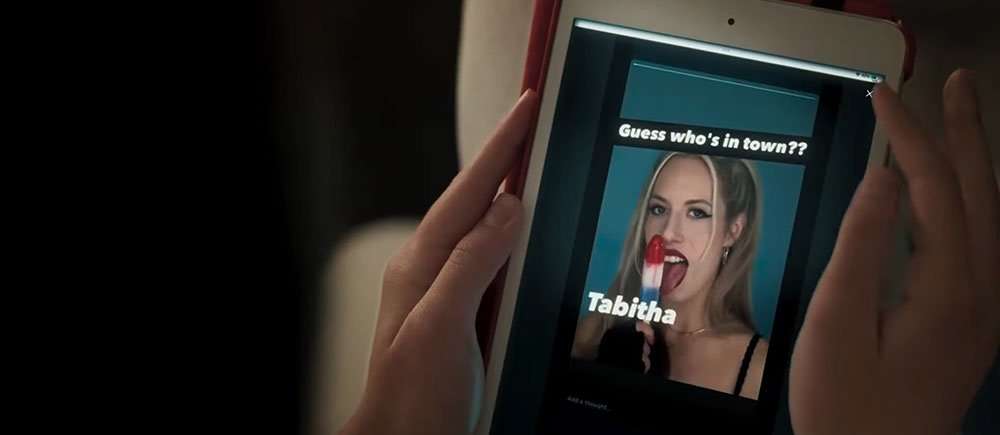
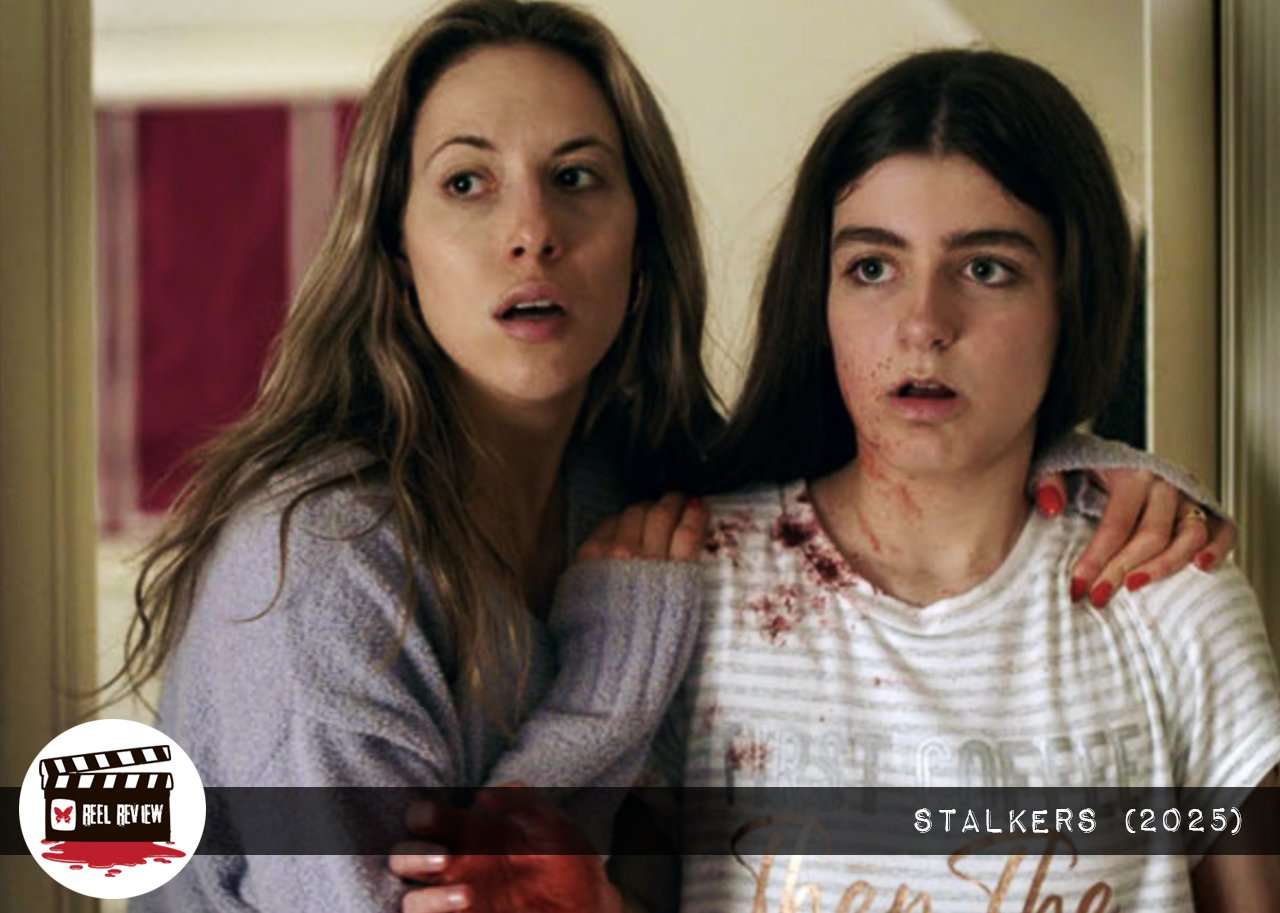
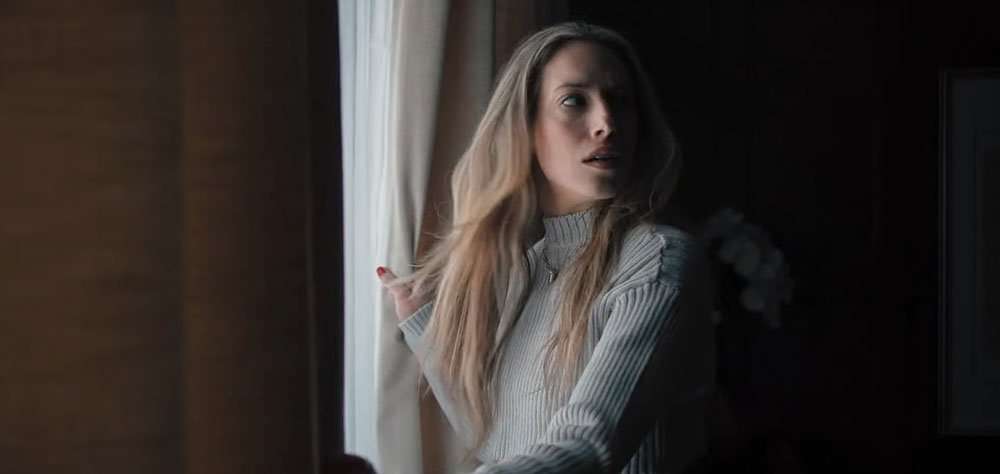
After a riveting opening kill sequence, the film introduces us to Tabitha Swan, better known in her hometown as Kate Swanson (Olivia Stadler), a burned-out porn star desperate for a reset.
Her life takes a sharp turn when she receives a call from an old classmate turned social worker, Justine (Allisha Pelletier). Justine has devastating news: the daughter Kate gave up as a teenager, Charlotte (Scarlett DiCaro), has just lost both her adoptive parents in a brutal double homicide. At twelve years old, Charlotte risks entering the system—unless Kate steps up.
At first reluctant, Kate soon realizes this may be her one chance to start over.
But returning to her Michigan hometown means reopening old wounds.

Her religious parents disowned her long ago, and her reputation as a former adult star follows her everywhere. Even in mundane spaces like grocery stores or minimum-wage cashier jobs, she’s met with a mix of disgust, fetishization, and cruelty.
That lingering stigma—her porn past weaponized against her—becomes one of the film’s most effective gut punches.
Things look up when wealthy old classmate Mike (Abbas Wahab) offers Kate a cushy housesitting gig in his mansion, allowing her and Charlotte to escape their roach-infested motel. But Stalkers thrives in tension and red flags: Justine warns Kate that Mike is dangerous, while Mike insists Justine can’t be trusted.
Meanwhile, a misogynistic jock (Sam Wexler) and his insecure girlfriend (Hannah Mae Beatty) circle Kate like vultures, their obsession with her porn persona escalating into cruelty and harassment.
This setup could easily have veered into exploitation, but Thompson keeps the focus squarely on Kate’s humanity. Stadler’s performance is heartfelt and aching; she makes Kate someone we root for, even when her past threatens to destroy her present. The bond between Kate and Charlotte grows tenderly and authentically, giving the story an emotional center that elevates it above trash-thriller territory.
That’s not to say Stalkers plays it entirely straight.
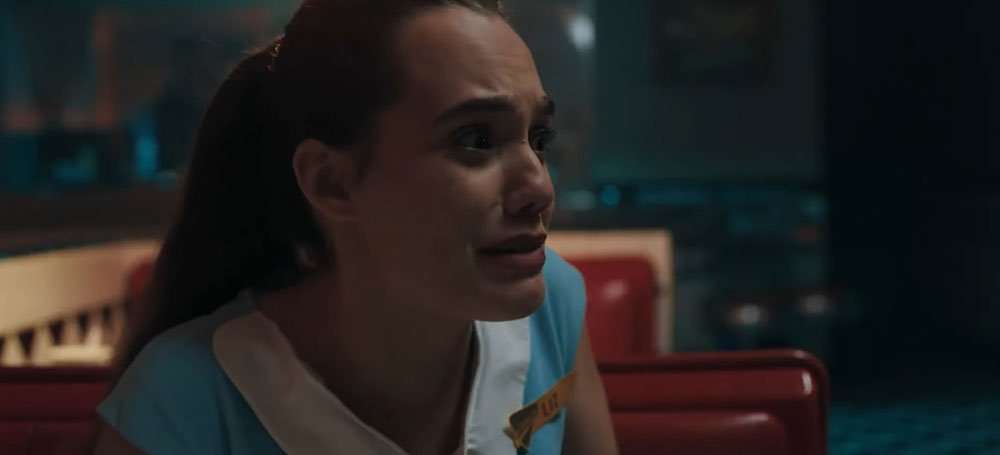
This is still a genre film, and patience is required; the horror elements don’t fully erupt until the final act. But when they do? The film transforms into a savage slasher with gruesome, cathartic kills that will make fans grin.
Without spoiling too much, the film takes a subversive look at the nature of obsession, moving past simple desire to explore the various ways in which Kate has impacted those around her, and how her life has been shaped by her own choices and the choices of others.
This is a film where red herrings abound because most people in Kate’s life cannot be fully trusted; it’s the foundation for her tragedy, forcing her into a life of exploitation and uncertainty where no one seems to have her back.The mystery of the film lies in just who is the biggest threat to our heroine.
When it’s all said and done, what lingers isn’t just the bloodletting. It’s the way STALKERS subverts expectations.
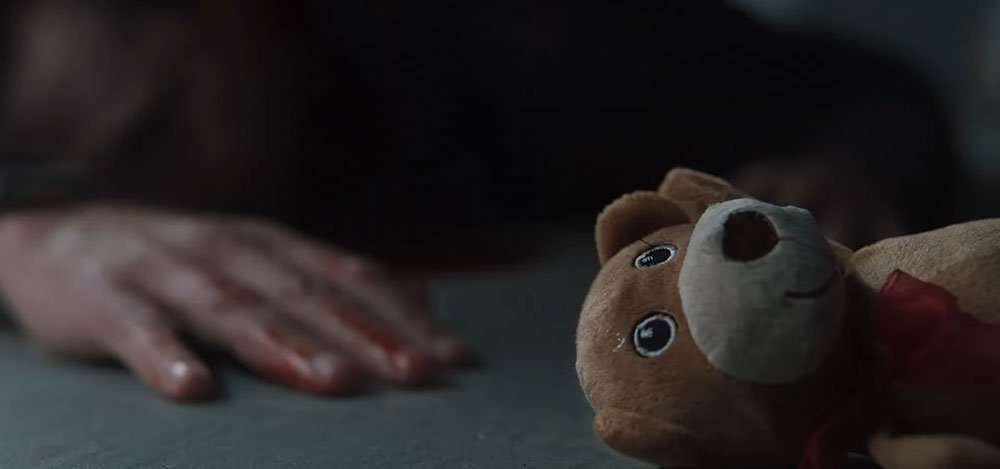
We, like the characters, may judge Kate when she first arrives onscreen, but the film peels back those assumptions and confronts us with the consequences of stigma.It also isn’t afraid to show how women, too, can be complicit in patriarchal cruelty—competing, undermining, or betraying one another in a system designed to pit them against each other.
By the time the credits roll, Stalkers has pulled off a rare balancing act.
It’s a pulpy, slashery B-movie, yes, but it’s also an exploration of trauma, redemption, and the danger of obsession. The kills are deliciously gnarly, the female characters complex, and the final act more satisfying than expected.
It may not be arthouse, but it’s smart, surprising, and compulsively watchable.
Overall Rating (Out of 5 Butterflies): 3.5