Web series, a rapidly evolving form of digital entertainment, present unique challenges and opportunities for editors. Unlike traditional television or film, web series often operate with limited budgets, shorter runtimes, and a direct connection to their audience. This necessitates a distinct editing approach that prioritizes pacing, engagement, and the ability to captivate viewers within a condensed timeframe. The editor becomes a crucial architect of the viewing experience, shaping the narrative flow and ensuring viewers return for subsequent episodes.
Understanding the Web Series Landscape:
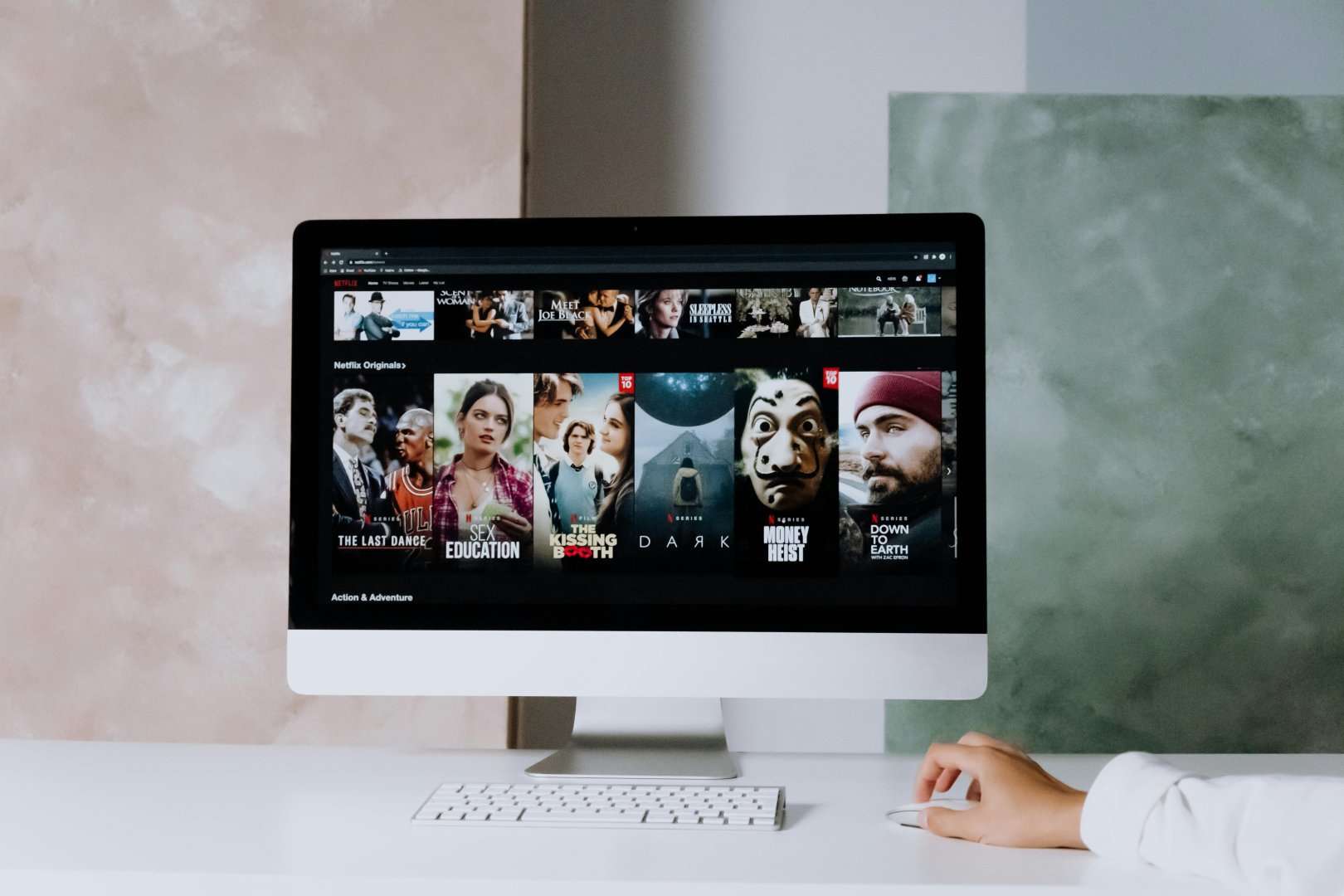
Before diving into the technical aspects, it’s crucial to understand the context in which web series exist. They thrive on platforms like YouTube, Vimeo, and dedicated streaming services, each with its own audience demographics and consumption habits. Understanding these nuances is paramount for effective editing.
-
Platform Specifics: YouTube, for instance, favors shorter, punchier content with a strong emphasis on visual appeal and immediate gratification. Vimeo, on the other hand, often hosts more artistic and experimental series, allowing for slower pacing and a focus on visual storytelling.
-
Audience Expectations: Web series viewers often have shorter attention spans and are easily distracted. This demands an editing style that’s dynamic, engaging, and avoids unnecessary exposition or slow-moving scenes.
-
Budget Constraints: Many web series operate on shoestring budgets. Editors often need to be resourceful, finding creative solutions to overcome technical limitations and production shortcomings. This might involve leveraging stock footage, sound effects, or innovative editing techniques to enhance the production value.
Pacing: The Rhythmic Heartbeat of a Web Series:
Pacing refers to the speed and rhythm at which a story unfolds. In web series editing, pacing is paramount for maintaining viewer interest. A well-paced web series keeps the audience engaged without feeling rushed or overwhelming.
-
Fast-Paced Editing: Fast pacing is characterized by short shot durations, dynamic camera movements, and a rapid succession of events. This approach is ideal for action-oriented series, comedies, or content aimed at younger audiences. Techniques like jump cuts, speed ramps, and quick transitions can contribute to a sense of urgency and excitement. However, overuse can lead to viewer fatigue and a lack of emotional connection.
-
Slow-Paced Editing: Slow pacing involves longer shot durations, deliberate camera movements, and a more contemplative narrative style. This approach is suitable for dramas, mysteries, or series that prioritize character development and atmosphere. Slow pacing allows viewers to absorb the nuances of the story and connect with the characters on a deeper level. However, it risks losing viewers if not executed carefully.
-
Varying the Pace: The most effective web series editing often involves a combination of fast and slow pacing. Varying the pace keeps the audience engaged and prevents monotony. Fast-paced sequences can be used to build tension or excitement, while slower-paced scenes can provide moments of reflection or character development. The key is to find a balance that suits the genre and target audience.
-
Strategic Use of Cutaways and Inserts: Cutaways (shots that cut away from the main action to show something else) and inserts (shots that show a detail within the scene) can be powerful tools for controlling pacing. A well-placed cutaway can create suspense, provide context, or add humor. Inserts can highlight important details or emphasize character reactions.
Engagement: Capturing and Retaining Viewer Attention:
Engagement refers to the ability of a web series to capture and retain viewer attention. In the crowded digital landscape, it’s crucial to create content that stands out and keeps viewers coming back for more. Editing plays a vital role in fostering engagement.
-
Strong Opening Hooks: The first few seconds of a web series episode are critical for grabbing viewer attention. Editors should prioritize showcasing the most compelling visuals and intriguing plot points in the opening sequence. A strong opening hook can entice viewers to watch the entire episode.
-
Cliffhangers and Teasers: Cliffhangers are a classic technique for creating suspense and encouraging viewers to watch the next episode. Editors can strategically cut scenes at moments of high tension or uncertainty, leaving the audience wanting more. Teasers, which preview upcoming events, can also be effective in generating excitement.
-
Character Development and Emotional Connection: Viewers are more likely to engage with a web series if they connect with the characters on an emotional level. Editors can use close-ups, reaction shots, and carefully selected dialogue to reveal character traits and motivations. Music and sound design can also enhance emotional impact.
-
Visual Storytelling: Web series often rely heavily on visual storytelling. Editors should be skilled at using visuals to convey information, create atmosphere, and enhance the narrative. This might involve using dynamic camera angles, creative transitions, or visual effects.
-
Sound Design and Music: Sound design and music are essential elements of web series editing. A well-crafted soundtrack can enhance the mood, create suspense, and emphasize emotional moments. Editors should work closely with sound designers and composers to create a cohesive and impactful audio experience.
-
Transitions: Smooth and Purposeful: Transitions between scenes should be smooth and purposeful. Avoid jarring or distracting transitions that disrupt the flow of the narrative. Common transition techniques include cuts, dissolves, fades, and wipes. The choice of transition should depend on the context of the scene and the desired effect.
-
Color Grading and Visual Effects: Color grading and visual effects can enhance the overall visual appeal of a web series. Color grading can create a specific mood or atmosphere, while visual effects can add excitement and spectacle. However, it’s important to use these techniques sparingly and avoid overdoing it.
Technical Considerations:
Beyond the creative aspects, web series editors must also be proficient in the technical aspects of editing.
-
Editing Software: Familiarity with industry-standard editing software such as Adobe Premiere Pro, Final Cut Pro, or DaVinci Resolve is essential. Each software offers a range of tools and features for editing, color grading, and visual effects.
-
File Formats and Codecs: Understanding different file formats and codecs is crucial for ensuring optimal playback quality and compatibility across various platforms. Editors should be familiar with formats such as MP4, MOV, and ProRes, and codecs such as H.264 and H.265.
-
Resolution and Aspect Ratio: Web series are typically distributed online, so it’s important to optimize the resolution and aspect ratio for online viewing. Common resolutions include 1080p (1920×1080) and 4K (3840×2160). Common aspect ratios include 16:9 and 2.39:1.
-
Audio Mixing and Mastering: Audio mixing and mastering are essential for ensuring clear and balanced sound. Editors should be able to adjust audio levels, remove unwanted noise, and create a professional-sounding mix.
-
Collaboration and Communication: Web series editing often involves collaborating with other members of the production team, including the director, cinematographer, and sound designer. Effective communication is essential for ensuring a smooth and efficient workflow.
Best Practices for Web Series Editing:
-
Know Your Audience: Tailor your editing style to the specific audience you’re trying to reach. Consider their age, interests, and viewing habits.
-
Embrace Experimentation: Web series offer a unique opportunity to experiment with different editing techniques. Don’t be afraid to try new things and push the boundaries of creativity.
-
Get Feedback: Share your edits with others and solicit feedback. Fresh eyes can often spot things you might have missed.
-
Stay Up-to-Date: The world of web series is constantly evolving. Stay up-to-date on the latest trends and technologies.
-
Prioritize Storytelling: At the end of the day, the most important thing is to tell a compelling story. Let the story guide your editing decisions.
-
Optimize for Mobile Viewing: A significant portion of web series viewers watch on mobile devices. Ensure your edits are optimized for smaller screens.
-
Consider SEO: Optimize your video titles, descriptions, and tags to improve search engine visibility.
The Web Series Editor: A Storyteller’s Ally:
The web series editor is more than just a technician; they are a storyteller’s ally. They shape the raw footage into a compelling narrative, crafting the pacing, enhancing the engagement, and ultimately determining the success of the series. By understanding the unique challenges and opportunities of the web series landscape, editors can play a vital role in bringing these stories to life and captivating audiences worldwide. They are the unsung heroes, weaving together visuals and audio to create a seamless and unforgettable viewing experience. The editor’s craft is a blend of technical skill, creative vision, and a deep understanding of the art of storytelling, making them an indispensable part of the web series ecosystem.