
The landscape of visual storytelling has undergone a dramatic transformation in recent years, largely fueled by the rise of digital platforms and the proliferation of content creation tools. This evolution has blurred the lines between traditional television shows and web series, leading many to wonder about the fundamental differences that still exist. While both formats aim to entertain and engage audiences, their production, distribution, consumption, and financial models often differ significantly. Understanding these distinctions is crucial for creators, viewers, and industry professionals alike.
Production & Budget:

One of the most significant differences lies in the production scale and budget allocated to each format. TV shows, particularly those produced by major networks or streaming services, typically benefit from substantial financial backing. This allows for higher production values, including elaborate sets, professional equipment, experienced crew members, and often, established actors. The result is a polished aesthetic and a level of technical sophistication that is often difficult to achieve on a smaller budget.
Web series, on the other hand, are often produced with significantly lower budgets. This can range from shoestring operations funded by crowdfunding or personal savings to slightly more robust independent productions. Consequently, web series creators often rely on resourcefulness, improvisation, and collaboration to bring their visions to life. This often translates to simpler sets, less experienced crews, and the use of readily available resources. While lower budgets can sometimes limit the scope and visual polish of a web series, they also foster creativity and innovation. The constraints often force creators to focus on compelling storytelling, strong performances, and innovative approaches to filmmaking.
Distribution & Platform:
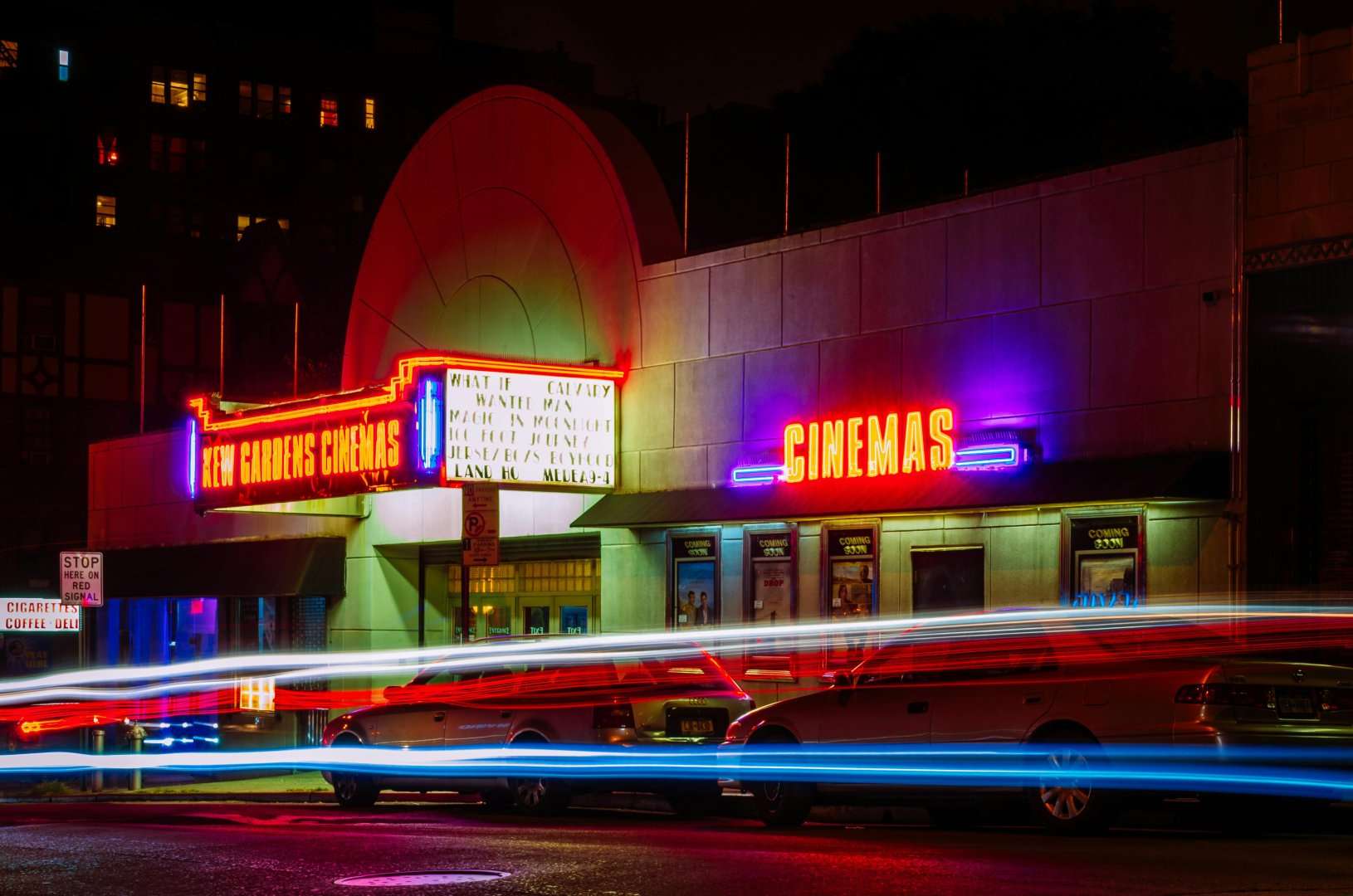
Traditionally, TV shows were distributed through broadcast networks (like ABC, CBS, NBC) or cable channels (like HBO, FX, AMC). This meant adhering to strict programming schedules, relying on advertising revenue, and targeting a broad demographic. The distribution model was largely controlled by the networks, giving them significant power over content creation and viewership.
Web series leverage the power of the internet for distribution. Platforms like YouTube, Vimeo, Facebook Watch, and dedicated web series platforms offer creators direct access to audiences worldwide. This bypasses the traditional gatekeepers of the television industry and allows creators to build their own communities around their work. The online distribution model offers greater flexibility in terms of content length, release schedule, and audience targeting. Web series creators can experiment with niche genres and cater to specific interests without the constraints of network programming. The ability to directly engage with viewers through comments, social media, and live streams also fosters a stronger sense of community and provides valuable feedback for future content.
Content Length & Format:
TV shows typically adhere to standardized episode lengths, often dictated by advertising slots and network programming schedules. A network sitcom might run for 22 minutes (excluding commercials), while a drama might be 42-48 minutes. Seasons are usually structured with a predetermined number of episodes, allowing for narrative arcs to develop over a longer period.
Web series, by contrast, are often characterized by shorter episode lengths and more flexible formats. Episodes can range from a few minutes to upwards of 20 minutes, depending on the creator’s vision and budget. The shorter format allows for quick consumption and is well-suited to the online viewing habits of many viewers. Web series creators also have more freedom to experiment with different narrative structures and episode formats. They might opt for a series of interconnected short films, a mockumentary-style vlog, or a serialized drama with cliffhangers at the end of each episode.
Audience & Demographics:
TV shows, particularly those broadcast on major networks, often aim for a broad audience appeal. This means catering to a wide range of demographics and avoiding content that might be considered too niche or controversial. The goal is to maximize viewership and attract advertisers who are looking to reach a diverse audience.
Web series, on the other hand, can be more targeted in their audience approach. Creators can focus on specific demographics, interests, or subcultures without the pressure to appeal to a mass audience. This allows for more specialized content and the exploration of themes and topics that might not be considered commercially viable for traditional television. The ability to cultivate a dedicated fanbase around a niche web series can be incredibly rewarding for creators and can lead to strong community engagement and support.
Monetization & Funding:
TV shows generate revenue through a variety of channels, including advertising sales, subscription fees (for cable and streaming services), and syndication rights. The financial model is often complex and involves multiple stakeholders, including networks, studios, and advertisers.
Web series monetization is often a more challenging endeavor. While some web series creators have successfully monetized their content through advertising revenue (via platforms like YouTube), subscription models (via platforms like Patreon), or merchandise sales, many rely on alternative funding sources. These can include crowdfunding campaigns (on platforms like Kickstarter and Indiegogo), grants from film organizations, sponsorships from brands, or personal investments. The lack of a guaranteed revenue stream can make it difficult for web series creators to sustain their work and produce content on a consistent basis. However, the rise of platforms like Patreon and the increasing willingness of brands to sponsor web series are creating new opportunities for monetization.
Creative Control & Ownership:
In the traditional television industry, creative control often resides with the network or studio that funds the production. Writers, directors, and actors may have limited input into the overall direction of the show, particularly if they are not also producers. The network or studio typically owns the intellectual property rights to the show, giving them the power to make decisions about its future.
Web series creators often retain greater creative control and ownership over their work. Because they are often self-funded or independently produced, they have more autonomy in terms of content creation, distribution, and monetization. This allows them to express their artistic vision without the constraints of network or studio interference. The ability to own the intellectual property rights to their web series can also be a significant asset, allowing them to explore future opportunities for expansion, adaptation, or licensing.
Production Value vs. Authenticity:
While TV shows often prioritize high production values and visual polish, web series often place a greater emphasis on authenticity and relatable storytelling. The lower budget constraints of web series can sometimes be seen as an advantage, forcing creators to focus on the core elements of storytelling and character development. The raw, unfiltered aesthetic of some web series can also resonate with audiences who are tired of the slick, over-produced look of traditional television.
The rise of “found footage” and mockumentary styles in web series demonstrates the appeal of authenticity. These formats often embrace imperfections and limitations, creating a sense of realism and immediacy that can be incredibly engaging. The focus on relatable characters and authentic situations can also help web series creators connect with audiences on a deeper level, fostering a sense of community and shared experience.
Accessibility & Discoverability:
TV shows are generally accessible through traditional television sets, cable subscriptions, or streaming services. Discoverability can be challenging, as viewers often rely on network promotions, word-of-mouth, or online reviews to find new shows.
Web series are readily accessible to anyone with an internet connection. However, discoverability can be a significant hurdle. With millions of videos uploaded to platforms like YouTube every day, it can be difficult for a web series to stand out from the crowd. Creators often rely on social media marketing, search engine optimization (SEO), and collaborations with other creators to increase their visibility. Participating in web series festivals and submitting their work to online directories can also help to raise awareness and attract new viewers.
Professionalism vs. Amateurism:
Traditionally, TV shows have been associated with a high degree of professionalism, involving experienced crews, established actors, and rigorous quality control. Web series, on the other hand, have often been perceived as more amateurish, with creators learning on the job and embracing a DIY approach.
However, the lines between professionalism and amateurism are becoming increasingly blurred. Many web series creators are highly skilled and experienced filmmakers who are choosing to work independently rather than within the traditional television system. The rise of affordable filmmaking equipment and the availability of online resources have also empowered aspiring creators to produce high-quality web series on a limited budget. As the web series industry matures, the level of professionalism is likely to continue to rise.
Future Trends:
The future of visual storytelling is likely to see even greater convergence between TV shows and web series. Streaming services are increasingly blurring the lines between the two formats, producing high-quality web series with budgets and production values that rival those of traditional television. Web series creators are also finding new ways to monetize their content and build sustainable careers in the digital space.
The rise of interactive storytelling and virtual reality (VR) is also likely to have a significant impact on both TV shows and web series. These emerging technologies offer new possibilities for immersive and engaging storytelling experiences. As the digital landscape continues to evolve, the distinctions between TV shows and web series will likely become even more fluid, creating a dynamic and exciting future for visual entertainment.