Picture Credit: Netflix / Sabrina Mahfouz
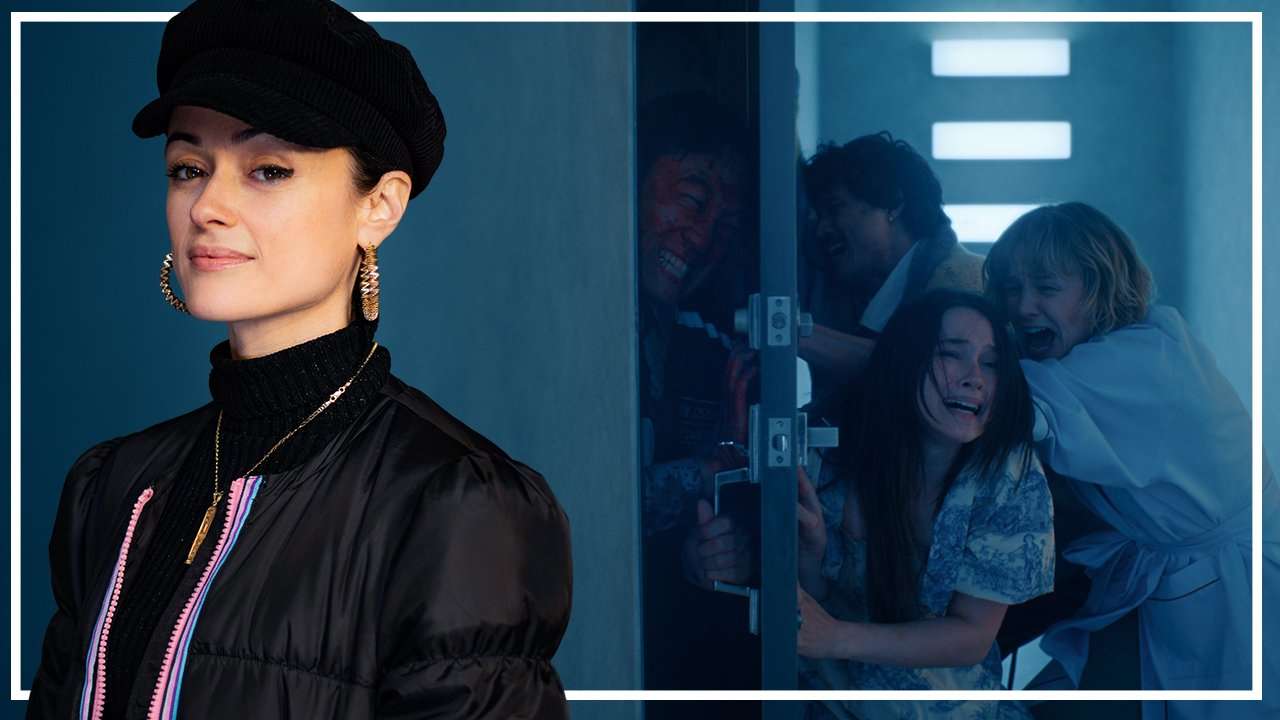
Books, theater, television, and poetry – Sabrina Mahfouz wears many hats. Not to mention producing, which she did for season two of Lee Sung Jin’s acclaimed drama Beef. For the latest chapter of the series, Mahfouz joined the writers’ room and dug into the show’s themes of self-deception, actions and consequences.
Mahfouz is a “writer’s writer.” As she makes clear, her vast body of work is a product of simply surviving as an artist, but nowadays, she can’t imagine not working on more than one project. Coming off Beef, she’s worked with Danny Boyle on You Are Here – which will debut in May in London. Additionally, she’s working on a children’s series for BBC Studios.
As Mahfouz told What’s On Netflix in an interview about Beef and her career: “Always trying to write a film, always trying to write a novel, always writing. And let’s not forget the emails. Always writing emails.”
When you started working on Beef, where were you at in your career? How did it come along at the right time?
At that time, I’d moved to LA about eight months previous. I’d decided that when I’d made the move to LA, that TV was where I was going to focus my energies for the next few years. The creators and the people with the vision that I respected were doing their work out here. I was definitely in a TV mindset, but I was still working on theater scripts and had just written a nonfiction book, so I was still in a world of writing bits and pieces like essays.
Beef came at just the right time because I had been in multiple rooms by that point. I’d watched the first season before it came out when they sent them to you early, and I was completely blown away and felt that everything that I’d always wanted to do in theater and other forms of pushing the boundaries of what that particular medium could be, it was doing that in the 30-minute episodes. I’d been so viscerally moved by it in all the ways, in entertainment ways, in emotional ways and in artistic ways.
I was super excited about learning how that came to be and be part of that, bringing that to life again. And then it also was the worst time ever, because literally the day after we all met, the first day of the writers’ room was the strike. I’d just got my dream TV job. Then the next day I was like, well, you won’t be going to it for a while.
It’s easy to look back now and feel that it was obvious that it would be how long it was. As someone who was not familiar with that process of striking, it felt like this could literally be years and I don’t have any idea how to live in a city where I’m not from. I have no support system here without being able to work. So, at that point, I then had to go back to the UK. It was the best and the worst timing, in a way.
With the WGA strike, obviously that spoke to issues with class and capitalism. After the strike, did certain thoughts and feelings around that period of time bleed into Beef?
I think after that amount of time of not being able to work, everyone went in with extra energy of wanting to get everything done and to dive into this world straightaway. Sometimes people are just going from job to job, so you can feel there’s been no refresher period for people, but everybody definitely had the refresher period.
And then we were also uncertain because we didn’t know exactly what the story was going to be at that point. So just uncertainty was something that we were probably more comfortable with had we not having had the strike, to be honest, because it was like, yeah, there’s no guarantees about anything anywhere, so that’s fine. We’ll just keep going until we find the right thing.
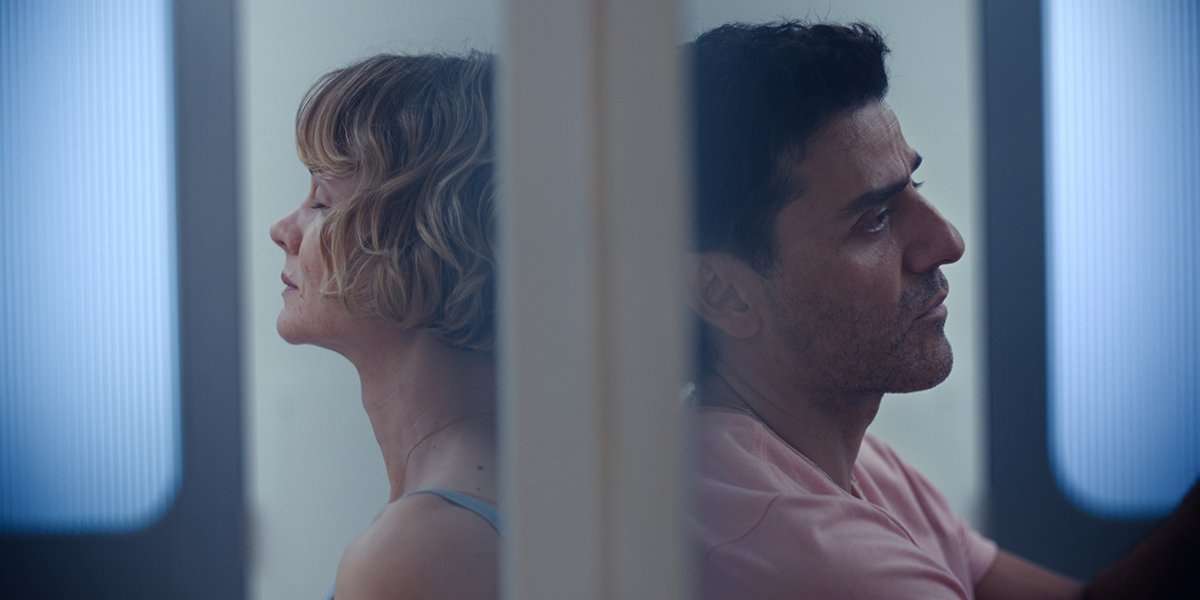
Beef. (L to R) Carey Mulligan as Lindsay Crane-Martin, Oscar Isaac as Josh Martin in episode 208 of Beef. Cr. Courtesy of Netflix © 2026
When you came back to the show, you and the writers, you probably had plenty of thoughts on conflict and chaos then to dig into, right?
A lot of conflicts and chaos. I think it was the conflicts and chaos being slightly more internal. Not that the first season wasn’t internal, but just those more subtle things, that employer-employee relationship, and the kind of compromises that everyone’s making all the time and how those frustrations are building up. Yeah, it probably all played a part in what we’d just come out of, although it didn’t feel conscious at that point that that’s what was happening. But looking back, and you pointing it out, I realized that, oh yeah, there are a few elements there that probably did come from having just experienced that time of uncertainty with careers and employment.
What are some of the themes in Beef that really speak to you? What were some character conflicts that you found rich to write?
I always love anything that’s about somebody trying hard to keep the image of themselves alive to themselves. Obviously to other people as well, but a character who’s going to extreme lengths to keep their identity that they’ve invested so much into. If they fail and if they don’t manage to keep themselves alive in the way that they have built themselves up to be, they will actually literally die – even though they wouldn’t. It’s that metaphorical fight for their existence that I’m always interested in. The moment where they obviously realize that that’s what they’re doing is so satisfying to watch.
It is so satisfying the amount of character flaws on the show. Is it just catnip for all the writers? You don’t have to worry about likability, just issues.
Well, in this particular process, those things came up with a story attached. Some rooms you would do a deep dive into the character and think of all those things in the way that you’ve just said. But in this room, those flaws and finding out who a character was, it related to the action that was going to happen in the actual story. Oh, here’s a scenario, this character that we don’t know anything about yet, this is what I can picture them doing. How did they react? What’s their response? It was finding their flaws as we were going along building the story, partly, I think.
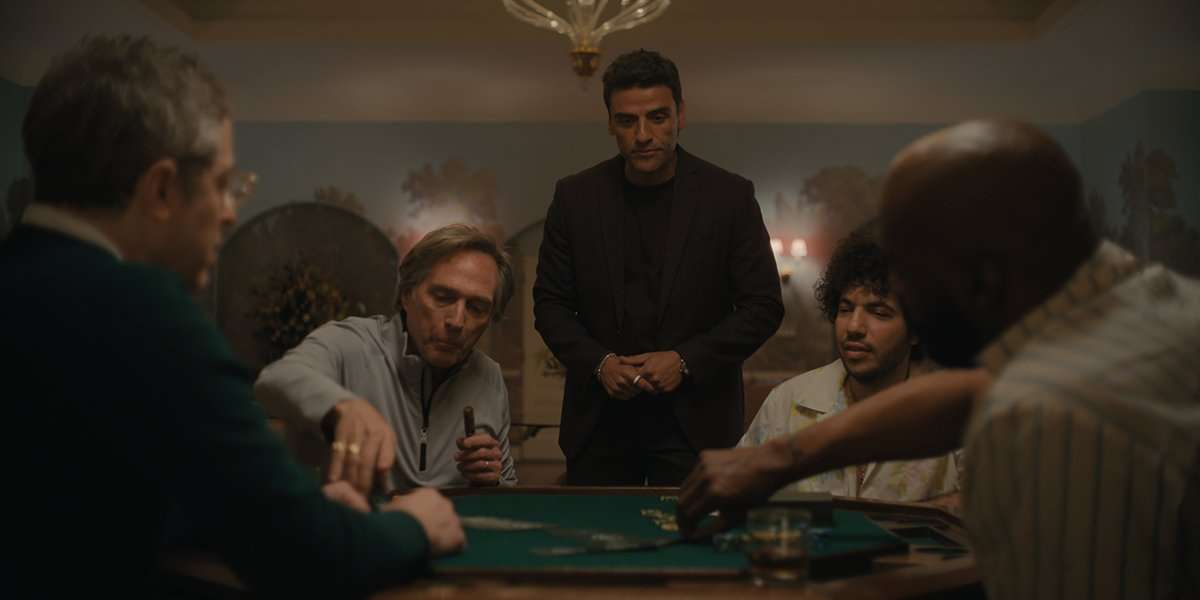
Beef. (L to R) William Fichtner as Troy, Oscar Isaac as Josh Martin, Benny Blanco as self, Baron Davis as self in episode 202 of Beef. Cr. Courtesy of Netflix © 2026
With Beef, there is almost endless conflict. When you’re writing about these couples, whenever they’re arguing, what do you want to see in that drama? What makes for good arguments on Beef?
I always try to think of somebody that I know that would completely disagree with me. I love arguing. If I hadn’t been a writer, I would’ve liked to have been a lawyer. I think there’s lots of writers who either have been lawyers or the other way around. It does seem to be part and parcel of that mindset. Part of that is always wanting to look at things from all different sides, but wanting to interrogate your own reasons for thinking something.
I like nuance in conflict. I don’t think it has to be completely opposing extremities of beliefs or ideologies. Every single person sees everything so differently. There’s so much breadth of perspective in people who are seemingly very similar that I find those differences more interesting. When people can still get on with each other in other ways whilst we know that they have these simmering conflicts going on about various things, I also like that rather than straight out, “I never want to speak to you.” I like keeping it going, seeing how much you can disagree with someone before you don’t want to talk to them anymore.
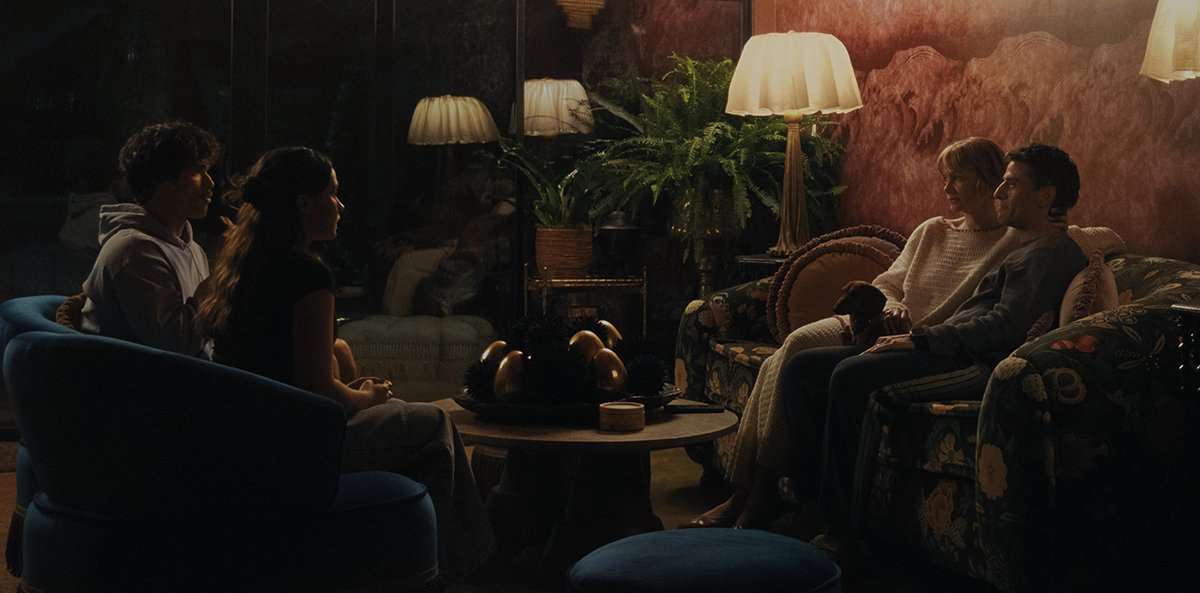
Beef. (L to R) Charles Melton as Austin Davis, Cailee Spaeny as Ashley Miller, Carey Mulligan as Lindsay Crane-Martin, Oscar Isaac as Josh Martin in episode 202 of Beef. Cr. Courtesy of Netflix © 2026
What about writing couples? What nuances are you looking for there?
I always tend to go for ones that are actually quite similar in terms of background and have a lot of shared sensibilities. I know that’s not necessarily the case with the main married couple in Beef, but I think the younger married couple, initially it feels like they’ve got a lot in common. They’re completely on the same wavelength, and then, it’s discovering that there are these differences in how they see things.
That’s exciting to me, because it’s more unexpected. It’s more surprising to recognize that every single person is looking at every single detail of decision-making and everything around them differently to you. Making a scenario where those tiny nuances appear and are picked up on is fun. How does this person suddenly understand that they are not on the same page when it comes to this?
But it’s not going to be an argument – it’s a recognition of, “Oh, right, we’re not aligned there. I’m going to save that for later.” It might add up to something or it might not. It might be fine. But being able to seed those things in and build them up to something that becomes significant, that’s a satisfying way to write conflict.
Growing up, the library made a big impact on you and set you on this path as a writer. Given the budget cuts happening in the U.S. for libraries, I just wanted to ask, what do libraries mean to you?
Without libraries, I definitely would not have gotten into storytelling. It was the place where I discovered all the different kinds of ways that stories can be told. It was just a place full of books for everyone’s taste. I was able to find what is out there and understand what is appealing to a whole range of people and be immersed in the actual world. Even though you’re going in there to be immersed in fiction, it actually is connecting you to the real world in a way that I’m not sure I can think of any other space that, for me, has been as crucial in terms of fostering connections with the world as a whole and, obviously, the written word.
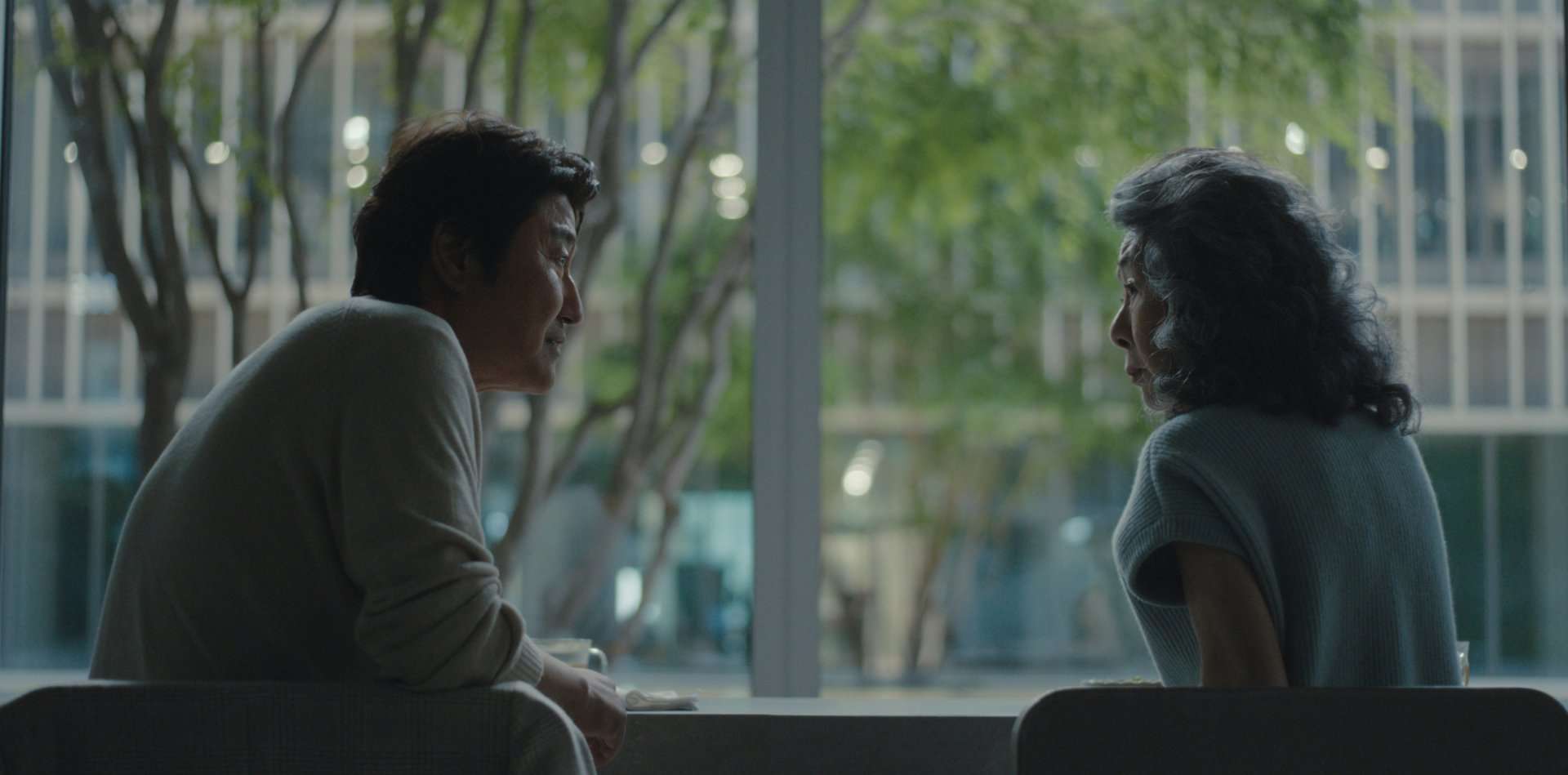
Beef. (L to R) Song Kang-ho as Dr. Kim, Youn Yuh-jung as Chairwoman Park in episode 203 of Beef. Cr. Courtesy of Netflix © 2026