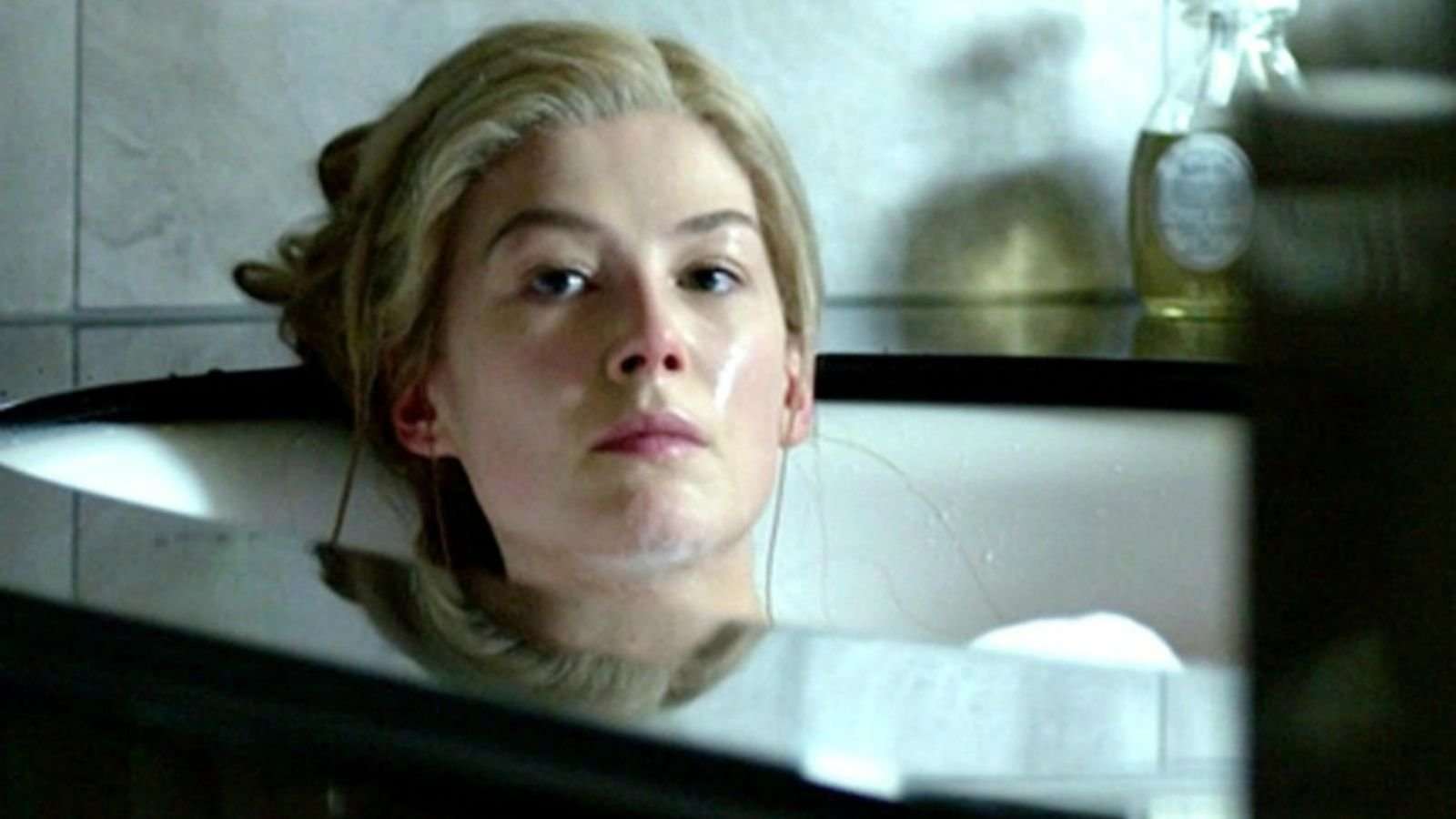
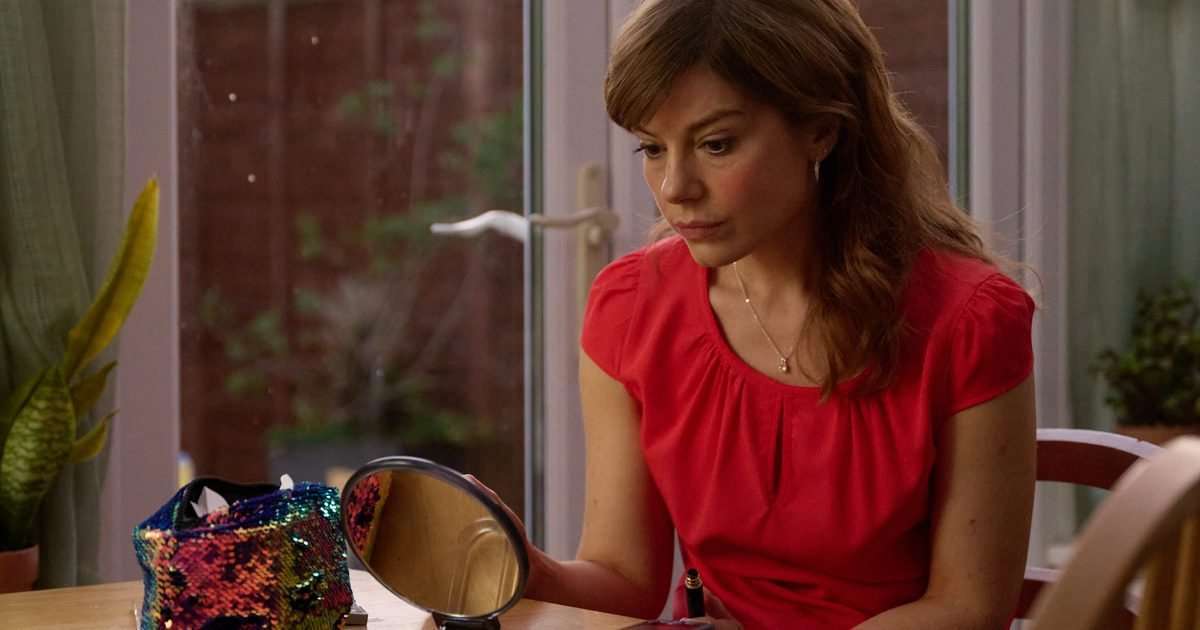
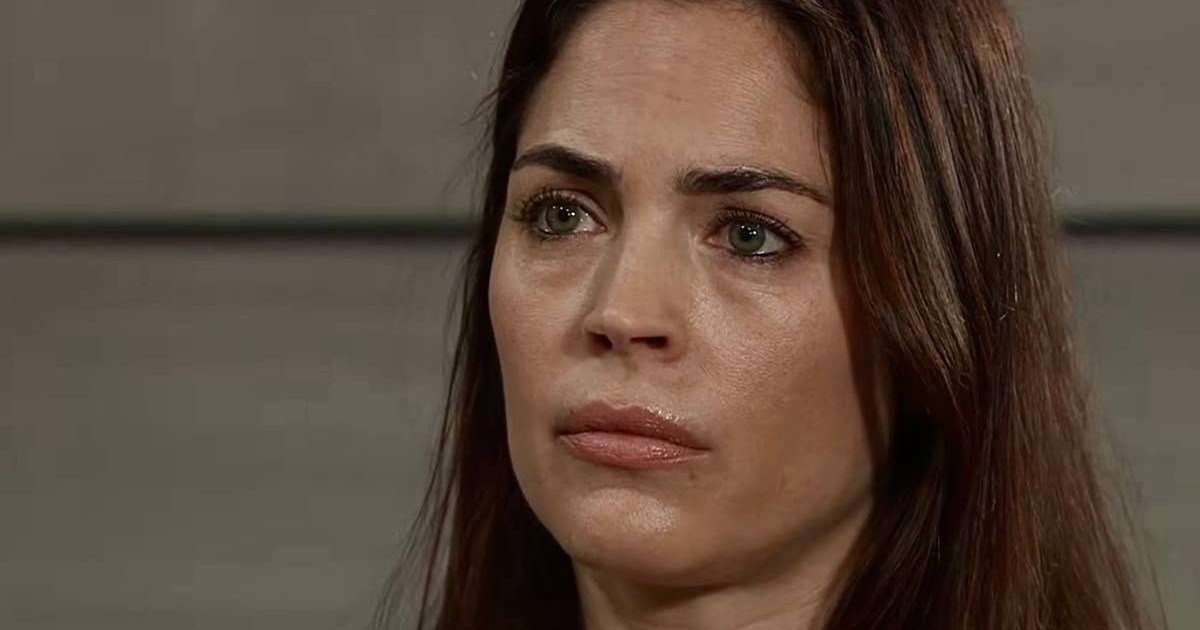
“The Serpent’s Skin” blends body horror, queer romance, and DIY chaos into something raw, messy, and unforgettable.
No time to read? Click the button below to listen to this post.

MORBID MINI: Tailor-made for viewers who prefer mood and atmosphere over a rigid plot, The Serpent’s Skin sheds convention in favor of something raw, intimate, and defiantly punk-rock. Essential for those seeking out authentic trans representation in horror.
At just 21, Alice Maio Mackay has carved out a lane that feels entirely her own: scrappy, transgressive, and emotionally unfiltered. The Serpent’s Skin is equal parts occult coming-of-age, queer romance, and body horror fever trip.
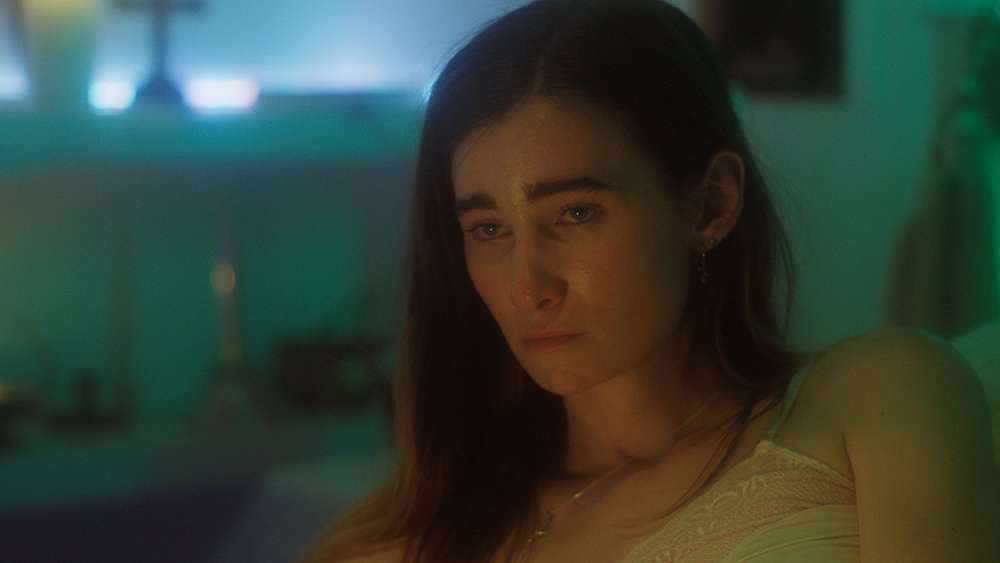
The story follows Anna (a soulful, grounding turn from Alexandra McVicker), a young trans woman who escapes her suffocating hometown for Adelaide, only to discover that reinvention comes with a cost—and, in this case, a psychic awakening.
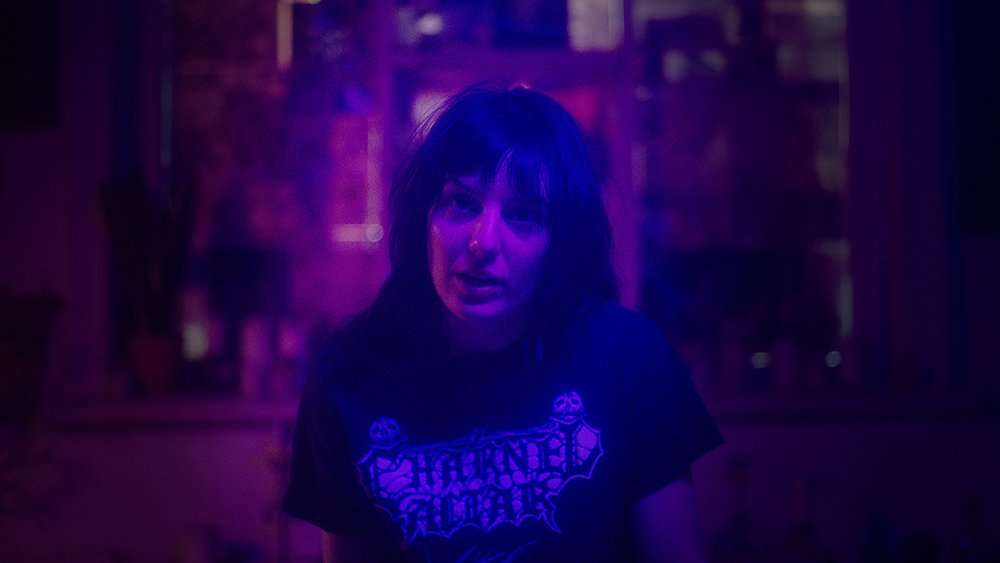
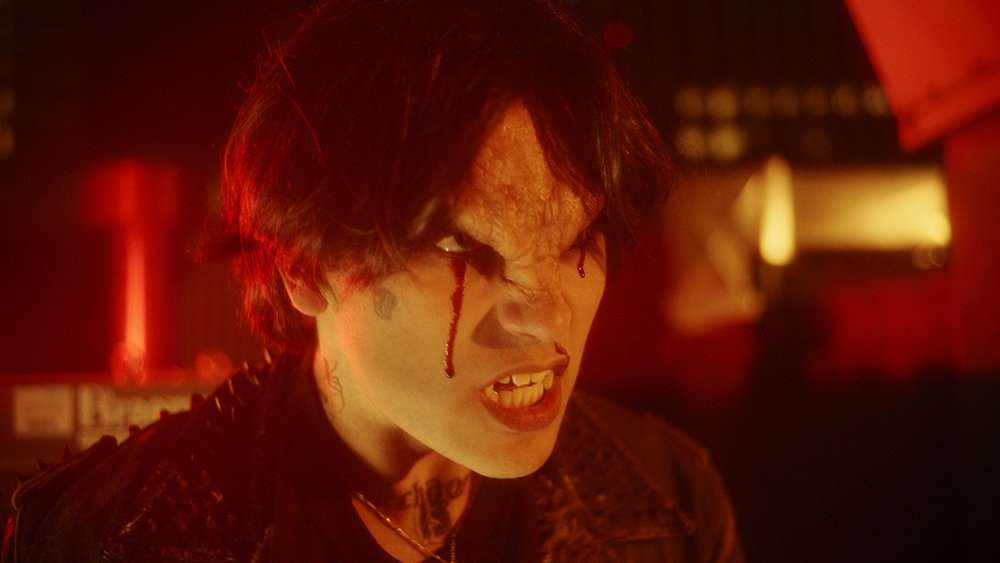
She finds a connection in Gen (Avalon Fast, all edge and vulnerability), a goth tattoo artist whose presence feels like a gravitational force. Their relationship becomes the film’s emotional anchor, and crucially, its source of power.
That choice alone sets the film apart.
Where so much horror still defaults to queer suffering as spectacle, The Serpent’s Skin reframes intimacy as alchemy. For Anna and Gen, their bond isn’t a liability; it’s the spell.
The horror creeps in slowly. A cursed tattoo infects Anna’s neighbor, Danny, turning him into something parasitic and increasingly grotesque.
From there, Mackay leans into a distinctly Cronenbergian space.
Think Scanners by way of bedroom punk cinema.
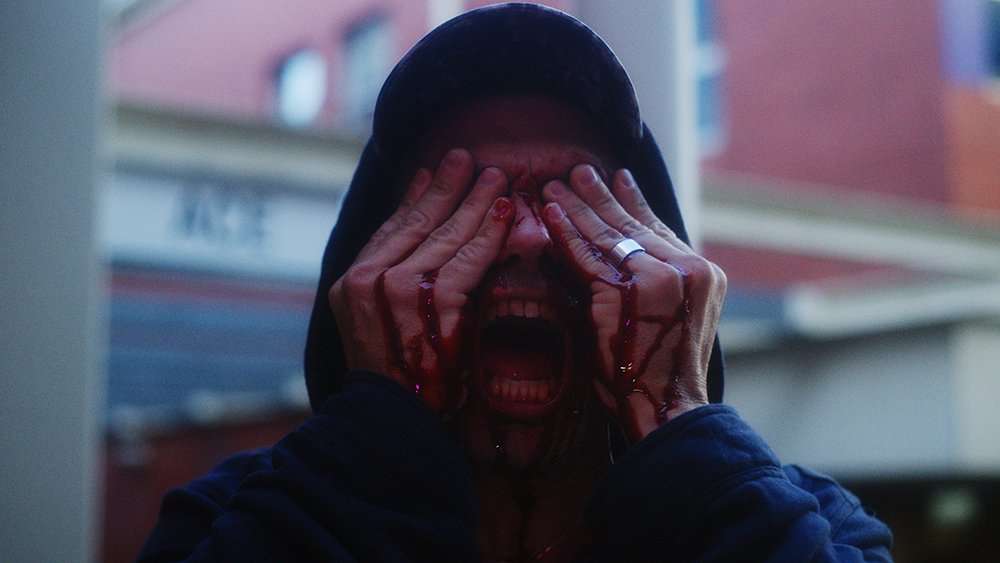
The imagery is tactile and grimy in the best way. Popping veins, shedding skin, psychic ruptures.
It’s an intentionally messy affair, elevated by its intent: a gorgeous, grotesque metaphor for the trans experience.This isn’t body horror for shock value. It’s reclamation.
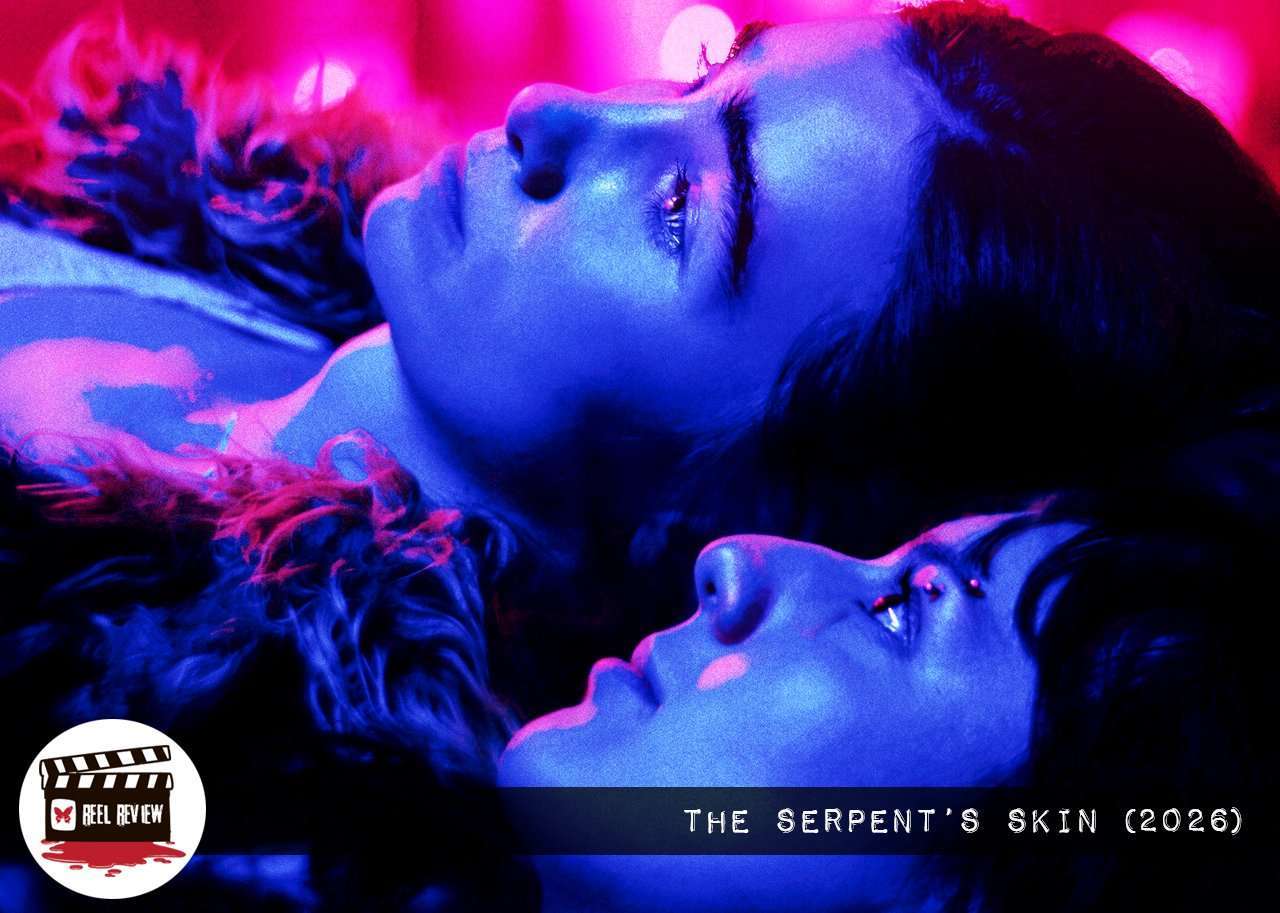
Visually, the collaboration between Mackay, cinematographer Aaron Schuppan, and editor Vera Drew (The People’s Joker) is the film’s greatest strength. Neon-drenched interiors, grainy textures, and lo-fi practical effects create a tactile world that feels lived-in and volatile.
Feeling somewhat like a spiritual cousin to the brilliant I Saw the TV Glow, it’s a hazy 90s love letter and DIY fever dream filtered through a trans-punk lens.
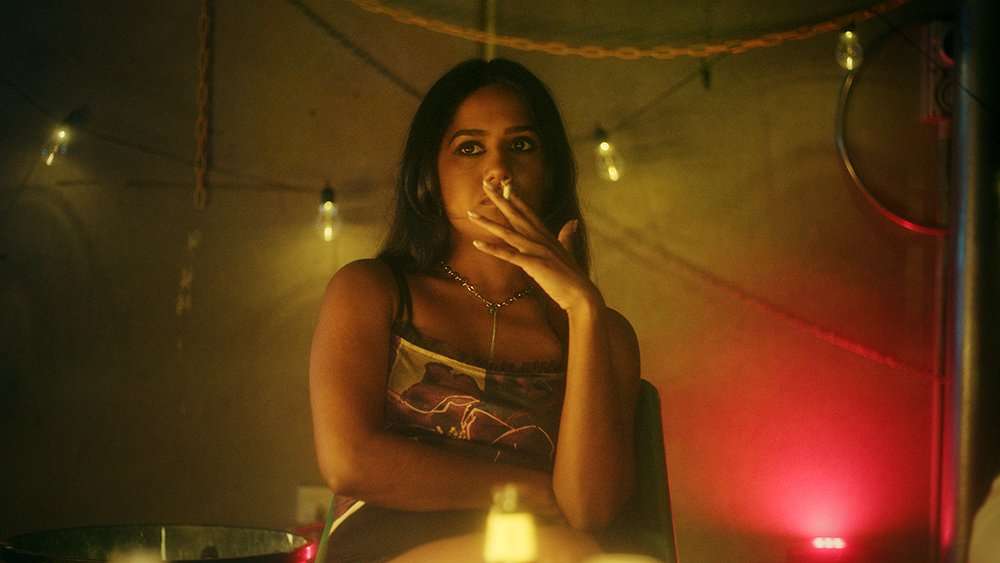
Like the “Teen Apocalypse” films of Gregg Araki (The Doom Generation, Nowhere), this is a vibes-first experience marked by hyper-stylization and emotional storytelling.
Another highlight is the film’s exploration of found family and community, in all its beauty and chaos. It’s not idealized. It’s messy, fragile, and occasionally toxic. But it’s real, and that sincerity gives the film its depth, capturing that precarious feeling of finally finding your people and worrying that it might not last.
The Serpent’s Skin isn’t interested in accessibility.
It doesn’t smooth its edges or explain its rules. It asks you to meet it halfway.
If you can surrender to its rhythm, its aesthetic, and its emotional wavelength, you’ll be rewarded with something rare: a deeply personal and distinctly original horror film that’s completely uninterested in compromise.
To fully fall under the film’s hypnotic spell, you must be ready to overlook its microbudget seams. It’s not perfect. The pacing can drift. The dialogue is heightened, sometimes clunky. The narrative occasionally feels like it’s discovering itself in real time.
But Mackay isn’t chasing perfection; she’s chasing truth.
After making waves on the festival circuit, the film arrives on VOD with a siren call for the outsiders, the weirdos, those looking for their tribe, and those still figuring out how to exist in their own skin.
If that’s you, this one might hit harder than you expect.
Overall Rating (Out of 5 Butterflies): 4