This article first appeared in Radio Times magazine.
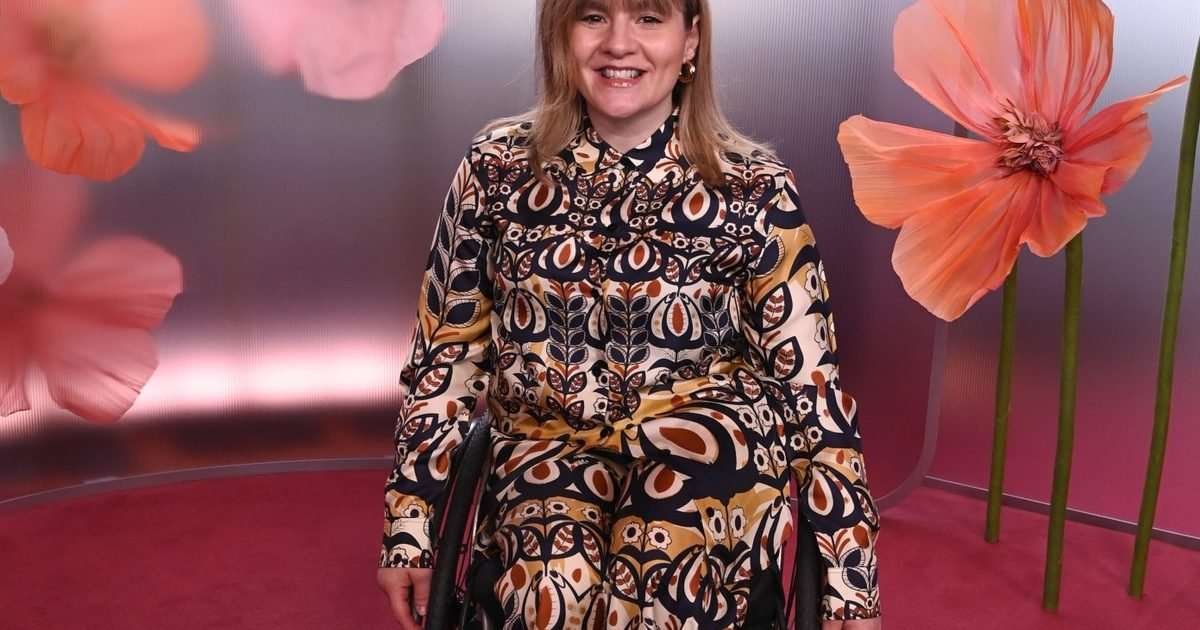
Upon reflection, as far as her career is concerned, Ruth Madeley has no doubt about it. “I was born under a lucky star. I was lucky to meet who I did that got me into a position at the right place and the right time. Luck got me through the door.”
You could think of Madeley’s door as metaphorical, but there was also a real door – in the depths of the BBC where she, as an aspiring writer, had gone for work experience. Only the door led to an acting audition, which wasn’t the work she was there to experience. But, with some encouragement, Madeley went for the audition and got the part.
The rest – a best actress BAFTA nomination for Don’t Take My Baby (2015), a lead role in Russell T Davies’s Years and Years in 2019, her own episode of Who Do You Think You Are? earlier this month – is history. (Playing the lead in the new BBC One thriller The Rapture is the near-future so we’ll get to that imminently).
Want to see this content?
This page contains content provided by YouTube. We ask for your permission before anything is loaded, as YouTube may use cookies and other technologies. To view this content, choose ‘Accept and continue’ to allow YouTube and its required purposes.
At this juncture, Madeley, 38, would like to point out that, “Luck may have got me through the door but it didn’t keep me in the room. My hard work kept me in the room and in the industry.” But she quickly adds, “If I’m honest, for every single job I go on, I’m always like, ‘I’m so lucky.’ I genuinely feel really grateful that I’m doing what I love for a living.”
Lucky star or not, Madeley has always been determined. She’s had to be. Born with spina bifida, Madeley developed scoliosis in her childhood. “I was a lot more mobile as a child – I used crutches in primary school and didn’t use a wheelchair full-time until after one of my first surgeries. My disability has changed a lot as I’ve grown older. My pain has changed. It’s ever evolving. You learn a lot about yourself.”
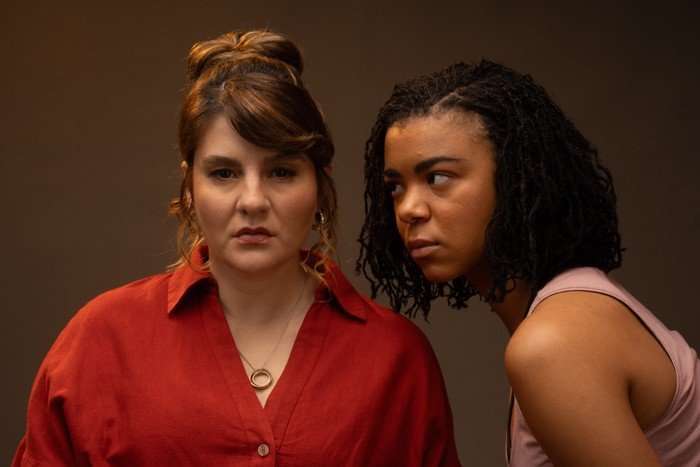
Chief among Madeley’s learnings: she’ll always be stubborn. “Don’t tell me I can’t do something because I will and I’ll invite you to watch and ask you to take a picture,” she says.
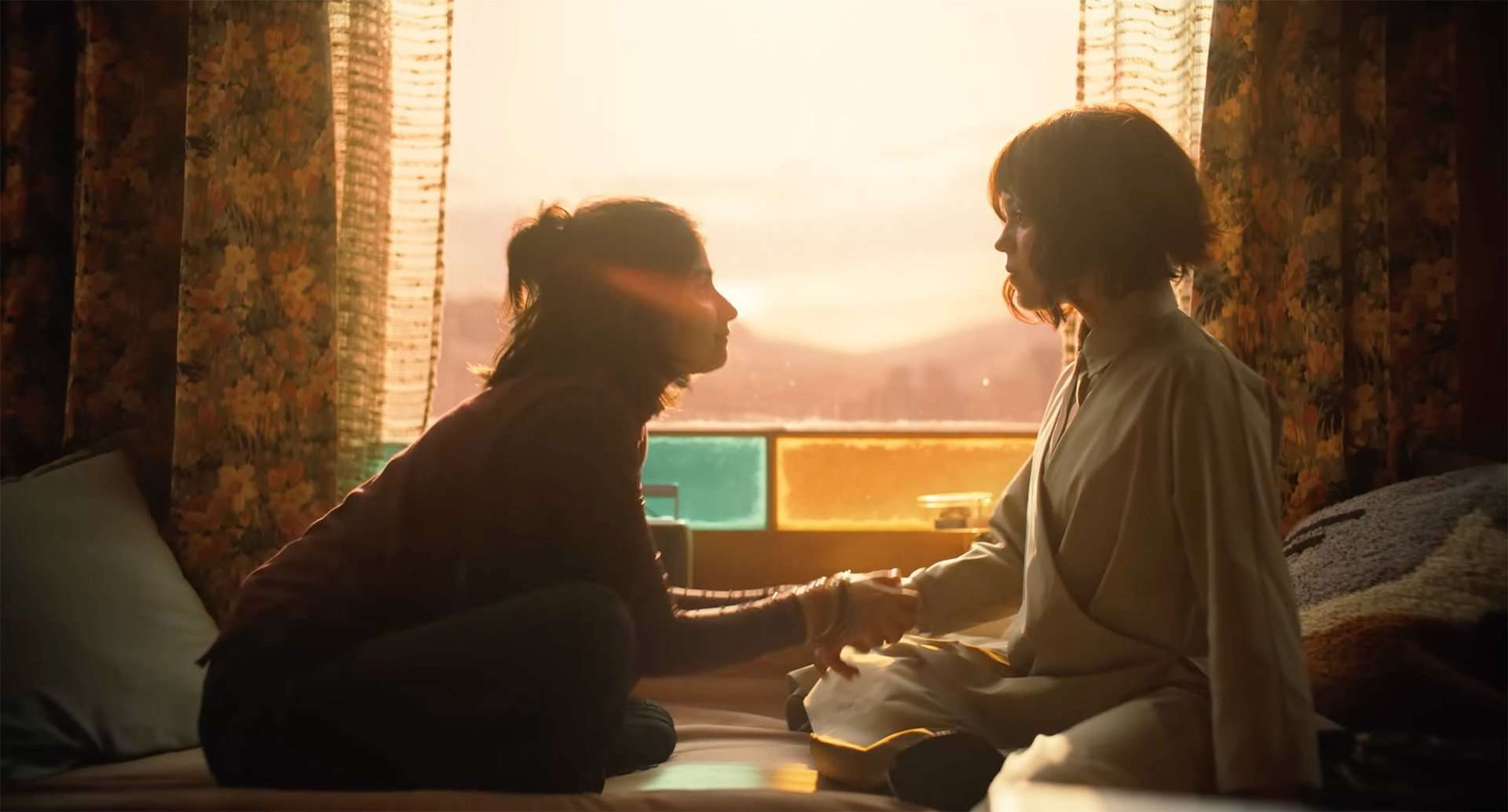
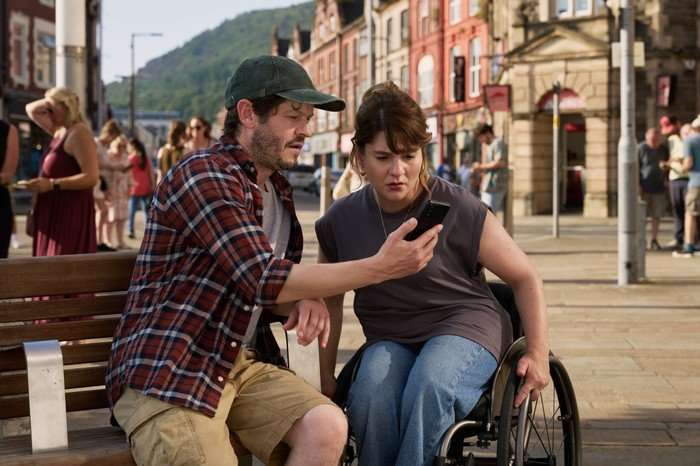
Consequently, leading a TV series has always been on Madeley’s “list of aims” and one she achieves with The Rapture. She plays psychologist Dr Gabs Fox, who starts a new job at a psychiatric hospital following a car crash that leaves her paralysed. She’s assigned a patient, 17-year-old matricide Bethany Krall (India Amarteifio). Only Bethany maintains her innocence. For the most part, Gabs maintains her clinical detachment until she learns of Bethany’s visions…
Twisty, compelling and timely, the show is set during a heatwave with the spectre of climate crisis looming. It’s about faith, trust and truth. What it’s not about is Gabs’s disability. What does Madeley hope viewers take away from it? “I would love people to take away the idea that a disabled actor can lead a story that isn’t disability-specific. Just having that character and all of her complexities is enough for people to think differently.”
That being the case, the thriller is a departure for Madeley. As sincere as she is when she says that it’s a huge privilege to play disability rights campaigners such as Barbara Lisicki (in Then Met Alan, 2022) and Judy Heumann (in Being Heumann, coming soon to Apple TV), there is, I suggest, a distinct downside to landing such parts – as there is embodying characters like Doctor Who’s Shirley Anne Bingham. People expect so much from her – not least a spokesperson for her people. That feels like a lot of pressure.
“In the first half of my career, I really felt the weight of that because I had to do everything right,” she admits. “I wanted to be perfect, I didn’t want to say the wrong thing. But I’ve learnt to give myself a bit more grace. I am an expert in my own disability, I am not an expert in anybody else’s, and I have to keep reminding myself that.
“Of course it’s a privilege to be asked to represent your community, but I also do try and be kind to myself – because I don’t always get it right and that’s OK. I just keep learning and listening. That’s why more disabled voices are needed in the industry because my experience is different than the next person’s.”
Want to see this content?
This page contains content provided by Google reCAPTCHA. We ask for your permission before anything is loaded, as Google reCAPTCHA may use cookies and other technologies. To view this content, choose ‘Accept and continue’ to allow Google reCAPTCHA and its required purposes.
As part of her drive to give herself a break, Madeley is also working on how she views success and failure. “I have a tendency to think of things in those terms and I have to talk myself out of it. Especially as a disabled person, you feel you have to be the best so that younger people can see it’s possible. But I’ve had to get better at protecting my mental health in that regard – at not calling it a failure but calling it a plot twist.”
Between her lucky star and list of aims, plot twists and extensions of grace, Madeley says, “I love life and I just want to do all of it. And I’m sure I can. I’m an incurable optimist.”
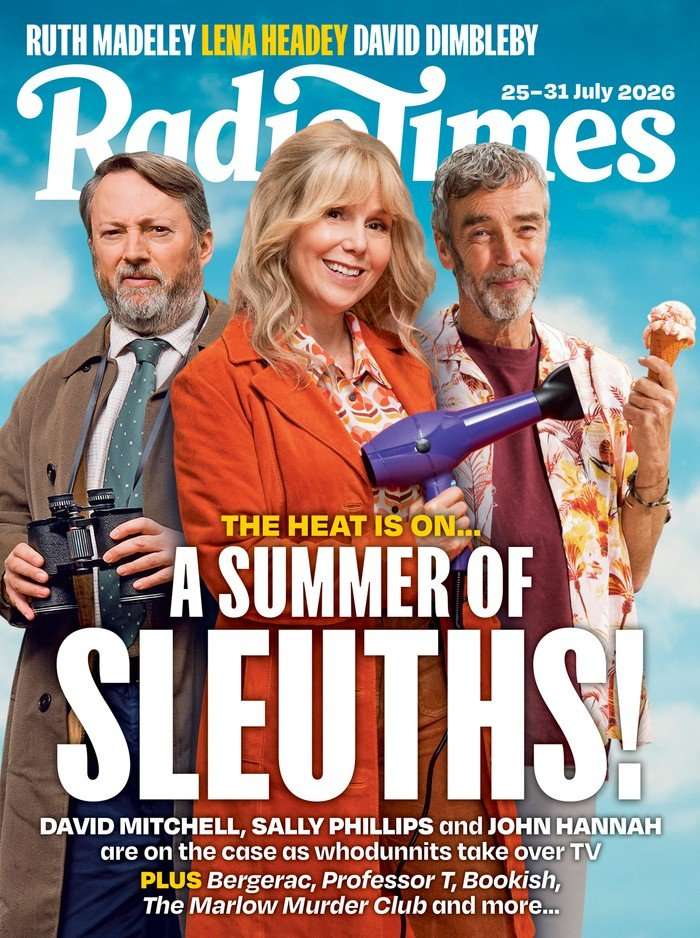
The latest issue of Radio Times is out now – subscribe here.
Check out more of our Drama coverage or visit our TV Guide and Streaming Guide to find out what’s on. For more TV recommendations and reviews, listen to The Radio Times Podcast.