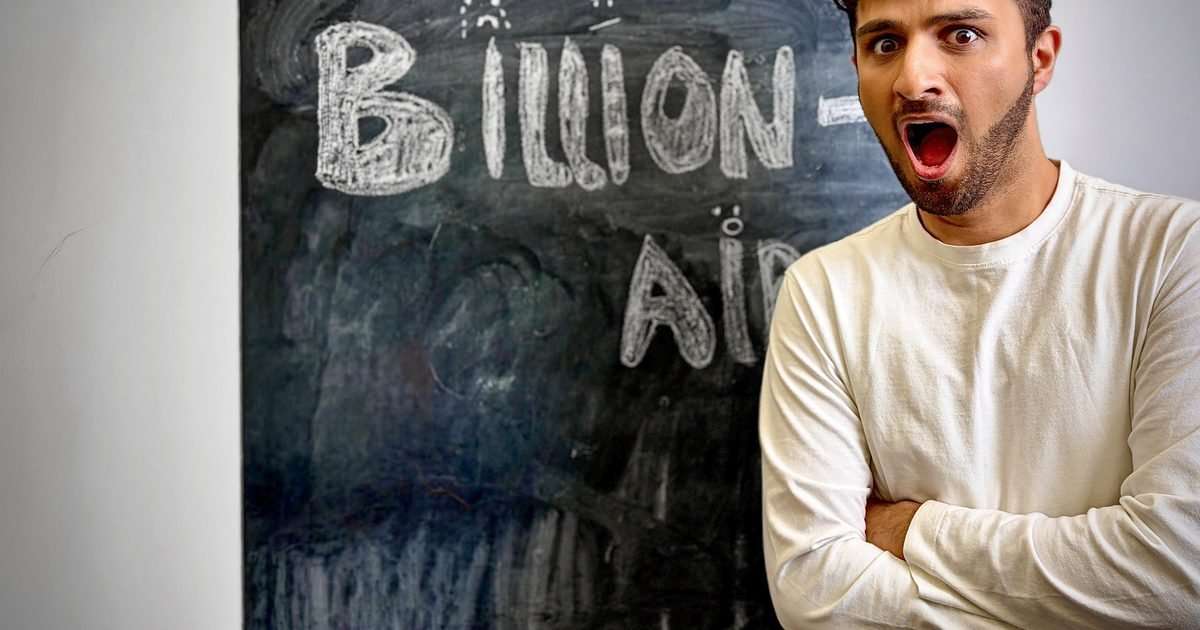
This article first appeared in Radio Times magazine.
I’m a trained chemistry teacher from Blackburn in Lancashire and there is very little chance that I, or anyone like me, will become fantastically wealthy. I don’t mind that – what I do mind is the hold billionaires have on our culture.
That’s why I make TikTok videos parodying the lifestyles being flaunted online of the super-rich. I’ve amassed five million followers across my socials with my satirical take on the uber wealthy and their extravagant purchases – luxury ice-cubes, anyone?
But this is a serious issue. Right now, I would argue that nothing matters more than wealth inequality.
Elon Musk became the first dollar trillionaire last month although his wealth later fell to a mere $957 billion. The gap between the richest and the poorest is one of the most urgent problems that we face as a society.
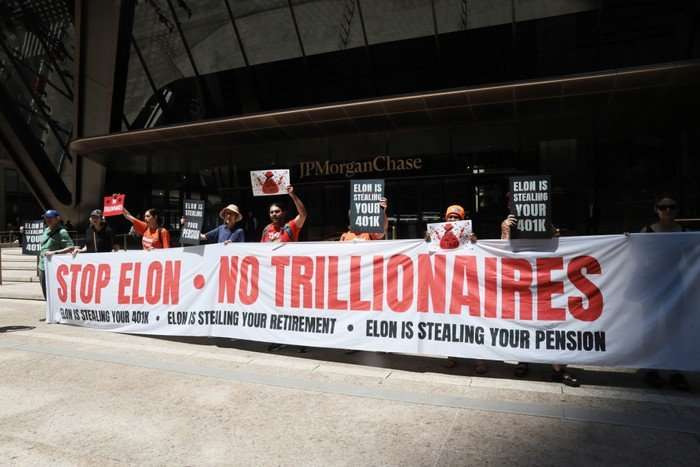
And the extent of that gap is illustrated by the rise of billionaires, the subject of my first television documentary, Shabaz Asks: Are Billionaires Bad?
There are roughly 3,500 billionaires in the world and between them, they have as much money as 60 per cent of the entire world population, which equates to around 4.7 billion people. More than that, they have immense power over our lives and our future. The course of war, climate change, space travel and the spread of AI, all this is influenced by a small group of very rich people. They control much of the media and have the ear of prime ministers and presidents. Even if they don’t get their way, the idea that someone has access to the people that lead us just because they are rich is deeply undemocratic. Who voted for the billionaires?
Meanwhile, extreme wealth inequality shatters the illusion of a fair society. If a billionaire spent a thousand dollars a day it would take 2,700 years before he or she ran out of money. In Blackburn there are people who get by on a few pounds a day. Ordinary people were told if they worked hard, they would earn money and have good lives. But for too many, no matter how hard they work, they’ll never own their own homes or pay off their debts. This extreme wealth inequality creates a void in lives and there are social influencers who are ready to fill it.
Online, thousands of people follow the wealth influencers I parody, aspiring to the lifestyle of the extremely rich without questioning how such a lifestyle is possible. I’m convinced that you cannot join the ranks of the super-rich without, somewhere along the way, doing something morally corrupt or, as is often the case, inheriting most of your riches in the first place. Do we really want that to be our idea of success?
Want to see this content?
This page contains content provided by Google reCAPTCHA. We ask for your permission before anything is loaded, as Google reCAPTCHA may use cookies and other technologies. To view this content, choose ‘Accept and continue’ to allow Google reCAPTCHA and its required purposes.
As I was making this BBC Three documentary I went to a shop for the super-rich in London where people were buying handbags for £16,000. One special edition Hermès Birkin bag was priced at £190,000. Outside, not far from the shop, a man was sleeping rough in the streets. No one can be happy for a country to be this way; for extreme wealth and extreme poverty to exist like this side by side.
We all want to fix that and there are ways to do it. A wealth tax of even two per cent on the super-rich could, if spent wisely, make life better for millions of British people and fix many of the problems in our towns and cities. Yet one economics correspondent tells me in the documentary that we will all be poorer as a result of such a tax as billionaires will simply leave the country.
This kind of fear mongering is not new; there have always been people telling us that change isn’t possible. Is this how we want to live, being held to ransom by the super-rich? I suggest we call their bluff.
Shabaz Asks: Are Billionaires Bad? is on Tuesday 28 July at 9pm BBC Three. Catch up via iPlayer
The latest issue of Radio Times is out now – subscribe here.
Check out more of our Documentaries coverage or visit our TV Guide and Streaming Guide to find out what’s on. For more TV recommendations and reviews, listen to The Radio Times Podcast.