For years, Bollywood followed a familiar promotional blueprint. Months of interviews, reality show appearances, city tours and social media campaigns would culminate in release day. Once the film hit theatres, the marketing machine would slow down, leaving the box office largely in the hands of audience word of mouth.

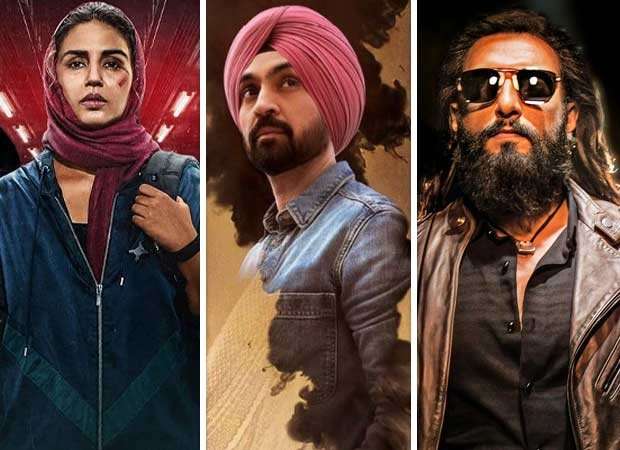
The new box office playbook? Why Bollywood stars are taking their films to audiences even after release
That formula appears to be changing.
An interesting trend is emerging where promotions are no longer ending with a film‘s release. They are evolving alongside its theatrical run. Instead of moving on to the next project, actors are stepping back into cinemas, travelling across cities and meeting audiences who are discovering the film through word of mouth.
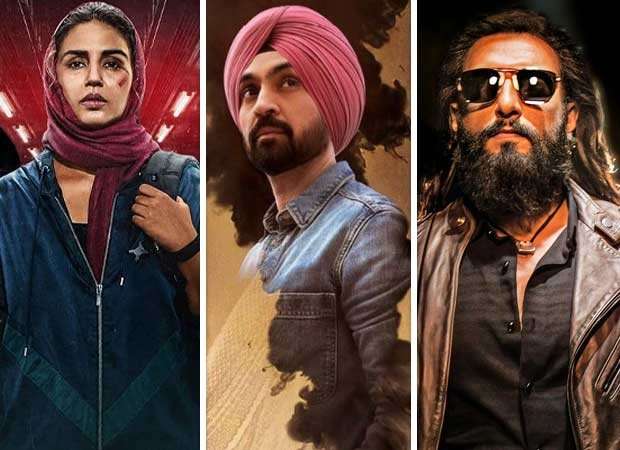
Few recent campaigns illustrate this better than Huma Qureshi and Saqib Saleem’s promotional journey for Baby Do Die Do. Rather than restricting their city visits to the pre-release window, the duo has continued travelling across the country, interacting with moviegoers in Ahmedabad, Srinagar, Delhi, Kolkata, Bengaluru, Hyderabad, Pune, Raipur, Dehradun and Jaipur. The objective is refreshingly simple: thank audiences, encourage undecided viewers and reinforce the theatrical experience while the film is still playing on the big screen.
It’s a strategy that acknowledges an important reality of today’s box office. Not every successful film is built on a blockbuster opening weekend. Some films find their audience gradually, driven by recommendations rather than marketing blitzes. In such cases, remaining visible after release can be just as valuable as the promotions leading up to it.
The approach also mirrors the grassroots promotional philosophy embraced by Imtiaz Ali during the campaign for Main Vaapas Aaunga. Rather than relying solely on conventional media interactions, the focus shifted towards connecting with audiences where the film mattered most in cinemas and through direct engagement. As the film’s word of mouth gathered momentum, those interactions helped strengthen its theatrical run.
Baby Do Die Do appears to be following a similar path. Positive audience response has given the film a solid foundation, while the continued city visits have ensured that conversations around the film haven’t faded after opening weekend. Every theatre visit, audience interaction and surprise appearance creates fresh social media content, local media coverage and, most importantly, reminds people that the film is still playing in cinemas.
This is perhaps the biggest lesson Bollywood is beginning to embrace. Marketing doesn’t necessarily end when the first-day collections are announced. For content-driven films especially, the second and third weekends are increasingly becoming the real battleground, and sustained audience engagement can make the difference between an average theatrical run and a genuine box office success.
If this model continues to deliver results, post-release city tours could soon become a regular part of Bollywood’s marketing playbook. Because in today’s theatrical landscape, the most valuable audience isn’t always the one waiting on Friday morning. It’s the one convinced by a friend’s recommendation a week later.
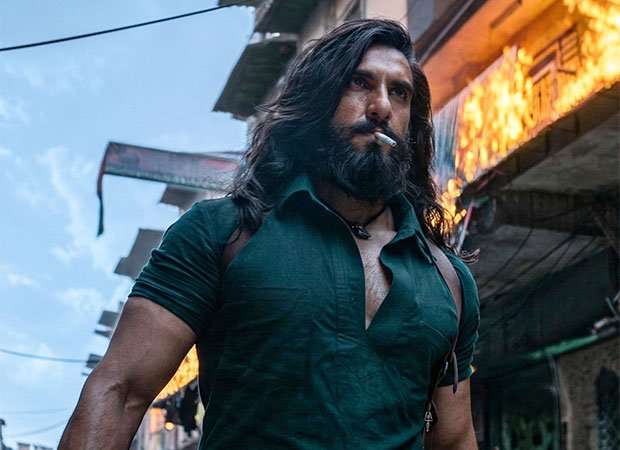
Veteran trade analyst Taran Adarsh believes that the job of a film’s team shouldn’t end with its release. “I feel the job of an actor or producer or filmmaker doesn’t end at just releasing the film and saying ‘bye bye’,” he said. “They have laboured on it and given two or three years of their lives to that film. They have devoted so much time, energy and money, of course. So, how can they just cut off on Friday when the film releases? So, a lot of people go out and support a film post-release, which is a great thing because I feel a film needs to be nurtured even after release. The competition is so fierce today. At the same time, you need to keep informing the people that your film is playing in theatres. There are so many things on social media that you get distracted with. And if the film is good, why not go all out? Don’t disown the film on Friday itself.”
He pointed out there are also instances where the public becomes the brand ambassador of your film. “Like in the case of Dhurandhar, there was minimal promotion before release and post-release, there was no promotion at all. But people became the brand ambassadors and took it forward. When the word-of-mouth comes into play, everything else takes a backseat. I am so glad that the actors, producers and directors go beyond the release date and promote the film as that’s a very important step,” he said.
Trade veteran Atul Mohan gave an example of Main Vaapas Aaunga, which was benefitted with post-release promotions the most. “Now, the marketing is no longer limited to the weekend,” he said. “These days, the makers plan to do 75% promotions till the day of the film’s release and the remaining 25% later. An apt example today is Main Vaapas Aaunga. The film took only Rs. 1 crore opening. But then director Imtiaz Ali went on a theatre spree and met the audience, which was a different way of promotions. He kept the film relevant even after release. Then people kept going and it eventually did well. This film is an example of ‘Slow and steady wins the race’. One shouldn’t abandon the film on Friday. Now, you need to keep the film alive for longer, so that there is discussion among the audience. There should be awareness about the release of a film. People’s memory is short, so they need to do this.”
BOLLYWOOD NEWS – LIVE UPDATES
Catch us for latest Bollywood News, New Bollywood Movies update, Box office collection, New Movies Release , Bollywood News Hindi, Entertainment News, Bollywood Live News Today & Upcoming Movies 2026 and stay updated with latest hindi movies only on Bollywood Hungama.