It’s a trip back to the swinging 60s for these essential films from 1966…
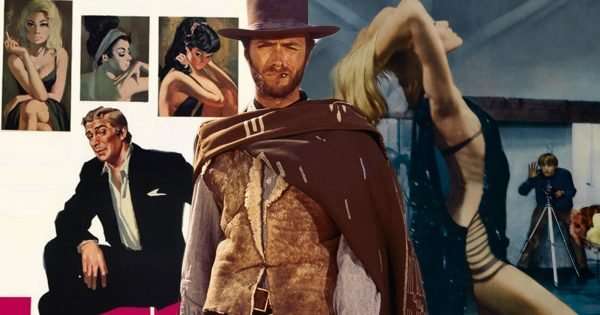
1966 has a lot of relevance for English football lovers, with that year marking England’s first (and thus far only) World Cup trophy. Remember back to the halcyon days of Euro 96 and England’s big anthem going into it, Three Lions (from Baddiel, Skinner and the Lightning Seeds)? A line says, “30 years of hurt.” Well, it’s now 60 years of hurt for soccer fans. What’s this got to do with the price of apples, I hear you say? Nothing, but there’s a World Cup on the horizon, so it came to mind.
But 1966 wasn’t just about the England National team’s finest hour. No, it was also a year filled with incredible cinema in a period of notable transition pretty much across the cinematic world. Hollywood was coming to the end of an age, beginning to push more boundaries in censorship, and the New Hollywood era was just a few years away. Japan was shifting away from Samurai movies and the type of minimalist cinema the late Ozu was famous for, to push some weird, wonderful, experimental arthouse cinema. British cinema was in the beginnings of the kitchen sink and a more neo-realism inspired approach over the melodrama that had preceded, whilst occasionally toying with conventions and a focus on more complicated (and flawed) characters. Other nations were appreciating a loosened grip on censorship. Here are the essential films of 1966….
Andrei Rublev
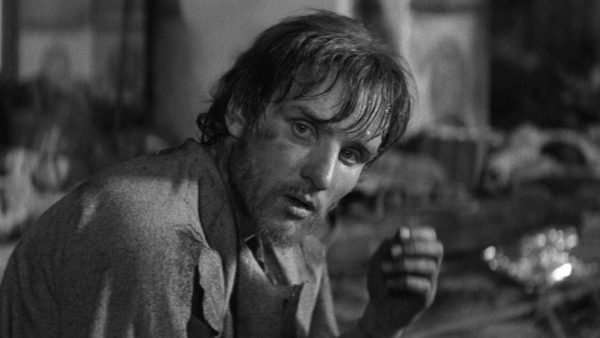
Russian auteur Andrei Tarkovsky’s auspicious full-feature debut, Ivan’s Childhood, was a lithe, ethereal, and affecting war movie. It remains his most “accessible.” As far as sophomore efforts go, Andrei Rublev, an epic, arthouse, and creatively untethered biopic, was quite something. Three hours (and change) at Tarkovsky’s patient pace but filled with stunning imagery, philosophical dialogue, and flights of dreamy magical realism. Who the hell makes a grandiose historical arthouse epic? Yes, Andrei Tarkovsky.
Whilst the film does require an attentive viewer, the incredible visuals draw you in from the off, and the hidden depths reward repeat viewings. For many, like most of Tarkovsky’s works, the experience can be transcendental.
The Good, The Bad, and The Ugly
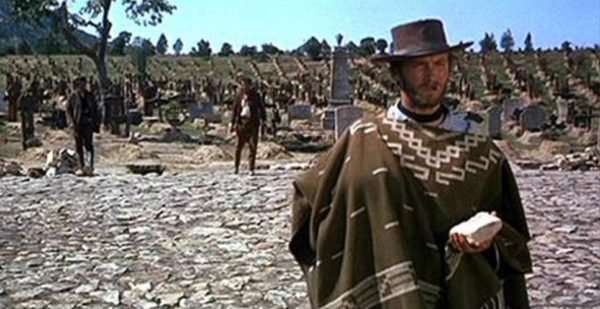
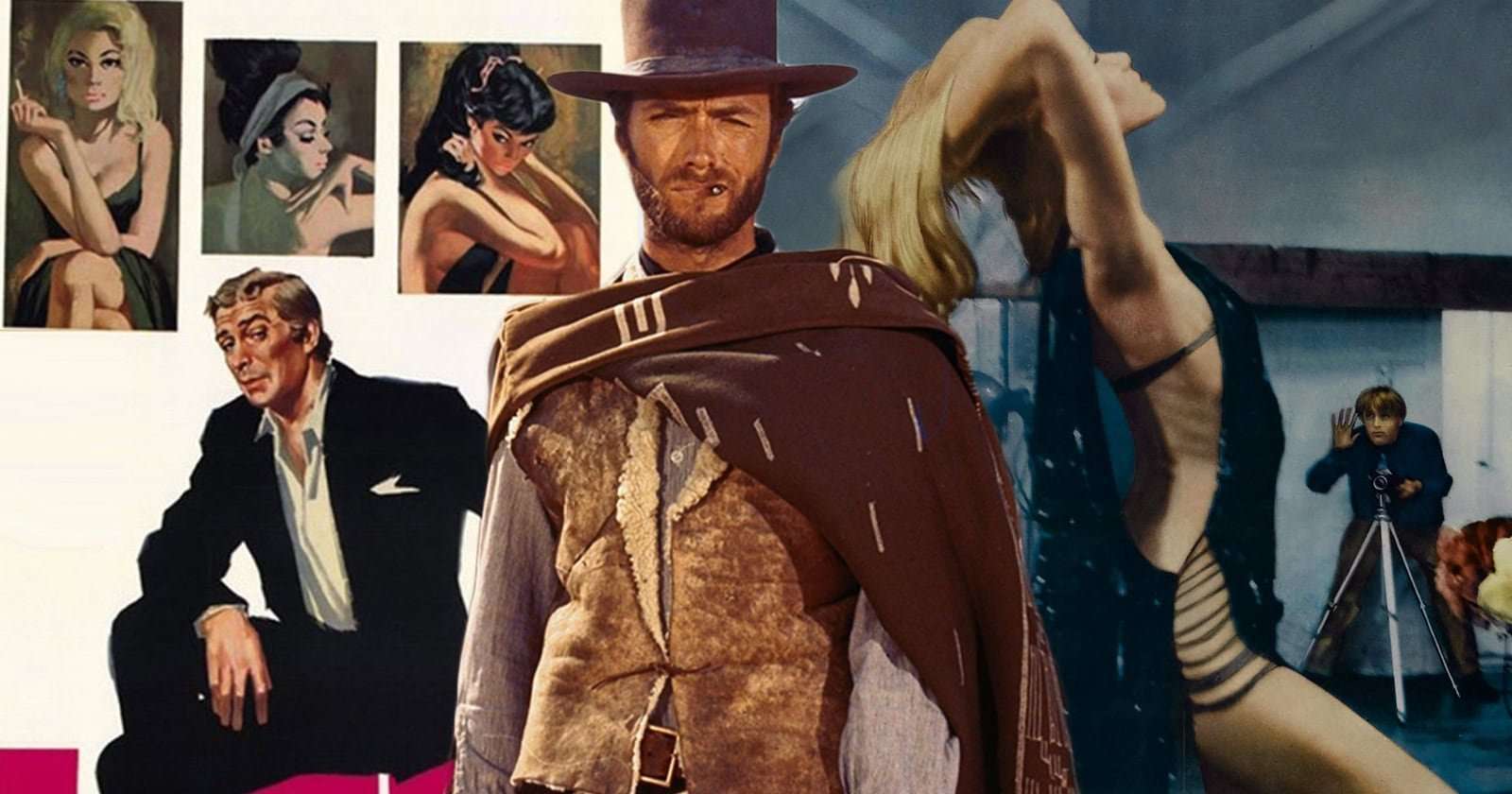
Sergio Leone’s trilogy-closing classic, The Good, The Bad, and The Ugly, is probably the great Spaghetti Western maestro’s most iconic work. The film features some of the images that most defined Clint Eastwood’s peak as a hero of the Western genre. Leone’s stunning frames pop with colour and are given perfect accompaniment by Ennio Morricone’s legendary music.
Few Westerns are as good, and one that manages to hit par with it, Once Upon A Time in the West, from 1968, was also crafted by Leone. Here, though, Eastwood does stoicism better than anyone, with great foes in Lee Van Cleef and Eli Wallach. It all builds to one of the great Western finales.
Alfie
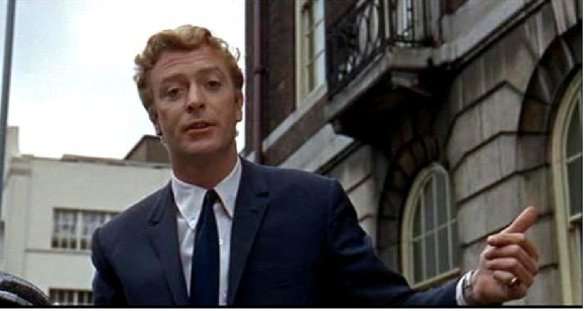
Bill Naughton adapted his stage play for the big screen, with Lewis Gilbert directing. Alfie has Michael Caine in absolutely iconic form as the titular working-class Casanova. Alfie became infamous for its fourth wall-breaking affable rogue, and Caine plays it pitch-perfect. He’s a narcissistic womaniser who demands no sympathy, yet still remains unshakably likeable.
The film is also made during an interesting moment in history, with gender dynamics beginning to change, and Alfie’s misogyny and Playboy antics starting to show up as outdated. As such, the film remains somewhat prescient, particularly in the era of the manosphere. The writing is incredible, the score is great, and the supporting cast also gives Caine brilliant backing.
Blow Up
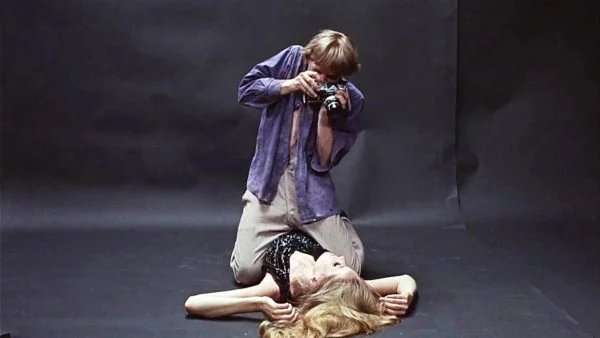
Michelangelo Antonioni was most famous outside of Italy for his alienation trilogy, L’Avventura, La Notte, and L’Eclisse. He then made Blow Up, his first English-language film. Made and set in the swinging 60s, with David Hemmings as a fashion photographer living it up in the 60s excesses, but who starts to believe he may have captured a murder in one of his snaps.
The paranoia-laced mystery thriller is stylish, glamorous, and gorgeous to look at, providing plenty of inspiration for paranoia thriller filmmakers in the 70s and beyond (notably Brian De Palma). It’s not Antonioni’s best or as deceptively complex as L’Avventura (for example), but it’s probably his most mainstream work, which still holds plenty of idiosyncrasies.
Persona
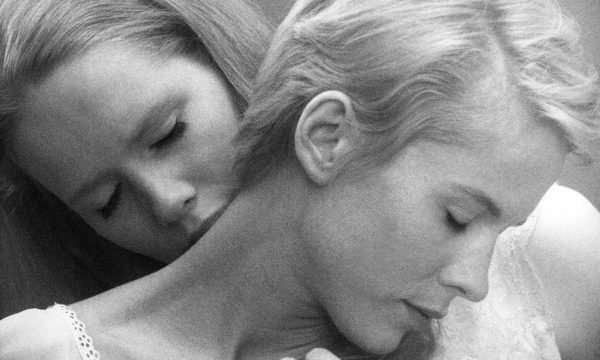
Ingmar Bergman’s ability to switch between tones and genres, whilst always retaining deeply complex psychological drama, marks him as one of the all-time greats. His visual craft was incredible, able to create and capture unforgettable images. What Bergman also did was create a stable of frequent, reliable collaborators he knew could adeptly convey his work without words. Esoteric films based on show and not tell require actors capable of that.
Two of those Bergman stalwarts, Bibi Andersson and Liv Ullmann, star together in Persona, a dark and fascinating psychological drama with an actress (Ullmann) who won’t speak after an incident on stage, who stays at a retreat with a nurse (Andersson). Largely a chamber piece, with the two characters, Bergman conjures incredible visuals in stark black and white, filled with labyrinthine ideas and a slow merging between the characters.
Seconds
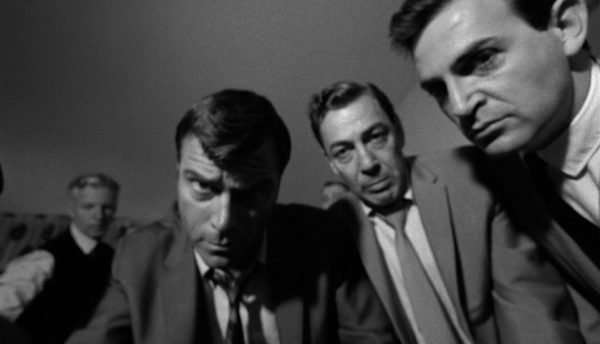
It wasn’t just Bergman making strange and disturbing psychological movies about identity, with incredible black and white visuals in 1966. John Frankenheimer’s Seconds was a film that took decades to really find the legacy it deserved. It did get nominated for the Palme d’Or at Cannes; however, that doesn’t often come hand in hand with mainstream success, as was the case with Frankenheimer’s low-budget movie.
The film’s style and striking frames (it was Oscar-nominated for its jaw-dropping cinematography), along with its increasingly unsettling thrills, made it ahead of its time in many regards, and as such, it has dated well. It feels fresh, whilst Rock Hudson dips his toes into waters that feel different from his oeuvre, providing star power along with one of his most interesting performances.
The Battle of Algiers
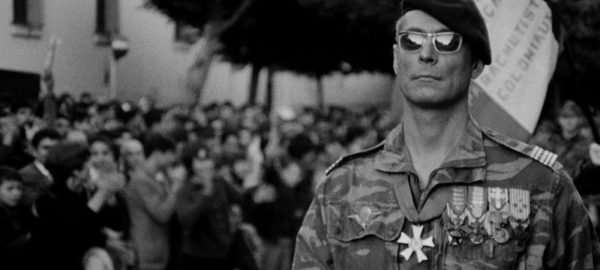
War films were experiencing an indifferent period in Hollywood, with the genre feeling like it had passed a peak, and coming before a largely Nam-focused period the following decade. Yet in Europe, there were plenty that were able to feel bold and invigorating, whilst still adequately capturing the horrors of war. The Battle for Algiers was one such.
Gillo Pontocorvo’s film is famous for its visceral documentary-style footage. The film feels immediate, earthy, and gritty, and it envelopes you pretty quickly. It’s not without dramatic flourish, though, which comes more from the accompanying score by Ennio Morricone, who reminds you that this is cinema.
Tokyo Drifter
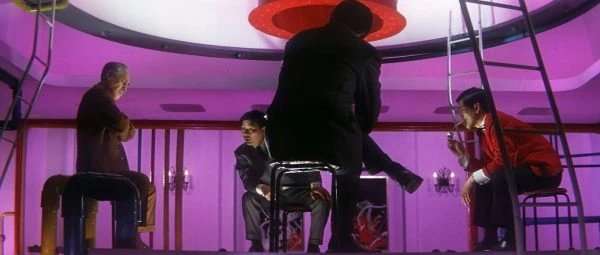
Creative caution to the wind with a drifting approach to narrative comes in the shape of Tokyo Drifter. It’s poppy. pulpy and jumps off the screen with bold colours and avant-garde sets. Coming during a boom in Japanese gangster cinema, it proved to be a creatively emboldening film that inspired many that came after, and likewise, several generations of filmmakers across the world. It screams being a film that has probably seeped into some of Tarantino’s frames.
Tetsuya Watabi is great as a former Yakuza hitman attempting to break out of the world, only to be tracked by killers. Director Seijun Suzuki’s freestyling whimsy keeps this one as evocative as it is logically evasive.
Daisies
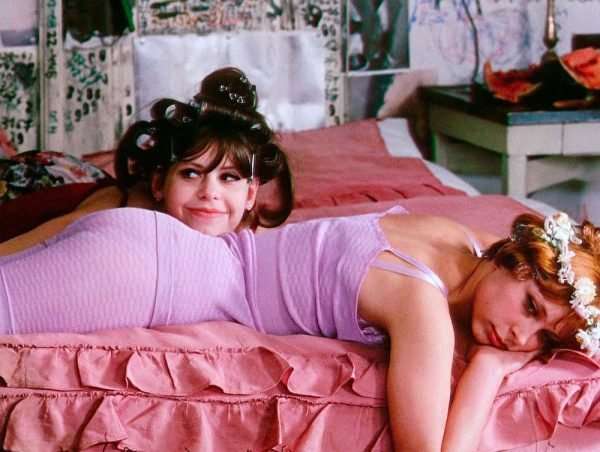
A key cornerstone in the Czech New Wave, Daisies is an absurd, anarchic, and wry satire that, among other things, poked fun at communist regimes. As such, it was banned for years in its home nation before inevitably becoming a point of pride in a more creatively free society.
This one isn’t made to make sense, with its two protagonists, Ivan Karbanova and Jitka Cerhova, infectious as the two girls who prank and rebel against a spoiled society by becoming incredibly spoiled themselves. Vera Chytilova’s film is a candy coloured explosion of frames richly filled to the brim.
Cul-de-Sac
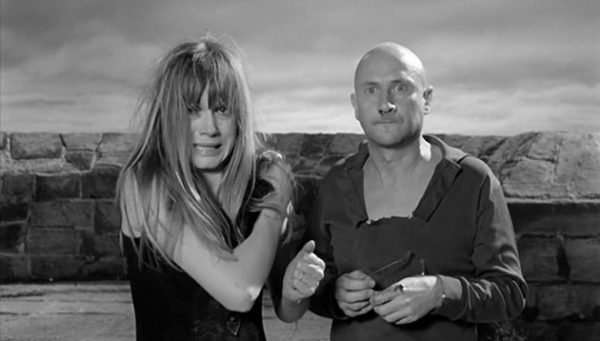
Roman Polanski’s dark and quirky psychological thriller stars Donald Pleasence and Françoise Dorléac as a couple with an off-kilter relationship, who run afoul of escaped criminals who hold them hostage in their remote castle.
Polanski’s early works were notable for their creatively expressive approaches to very intimate and minimalist plots. Be it the more restrained Knife in the Water, or the more avant-garde and at times experimental Repulsion, Polanski was making a name for himself with small-scale, but fiercely imaginative thrillers. Cul-de-sac is great and a perfect example of taking a left-field approach to a simple thriller setup.
What’s your favourite film from 1966? Let us know on our social channels @FlickeringMyth…
Tom Jolliffe