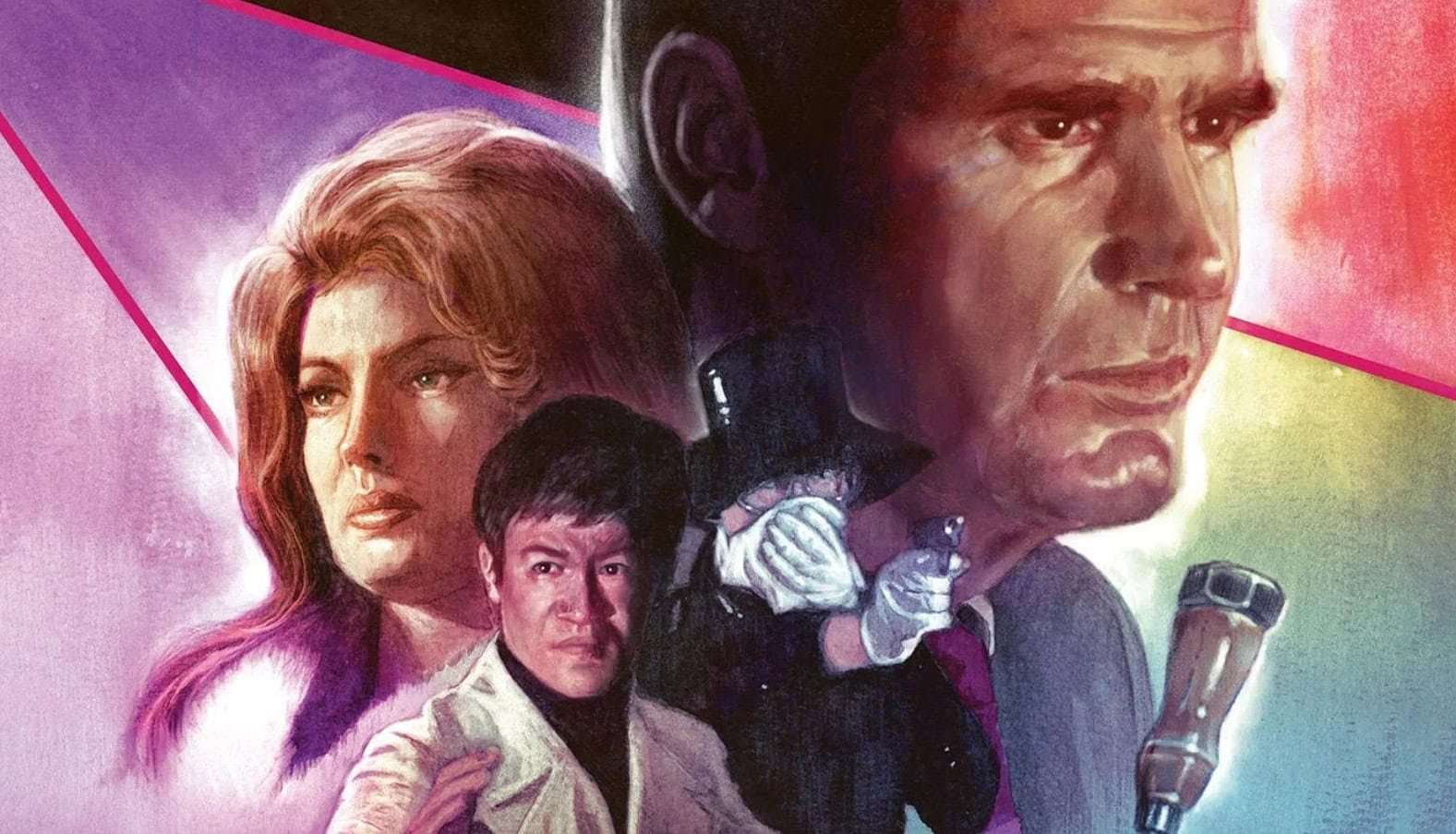
Marlowe, 1969.

Directed by Paul Bogart.
Starring James Garner, Gayle Hunnicutt, Carroll O’Connor, Jackie Coogan, Bruce Lee, William Daniels, and Sharon Farrell.
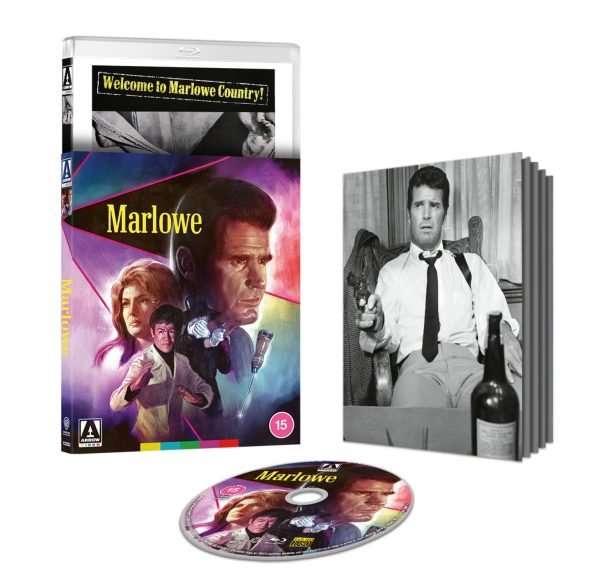
SYNOPSIS:
A young woman from Kansas hires LA private detective Philip Marlowe to find her missing brother.
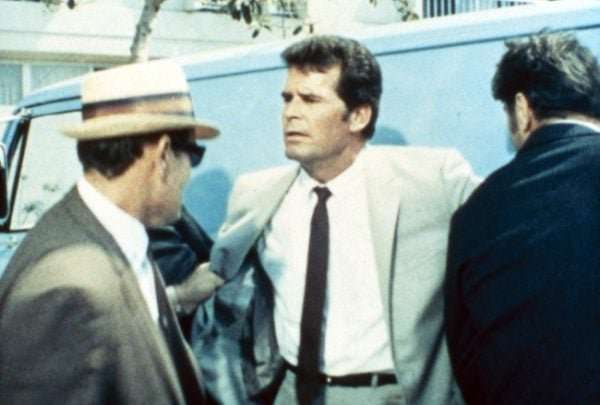
To anyone unfamiliar with the Philip Marlowe character, he is the creation of author Raymond Chandler from the 1930s/40s and pretty much the template for film noir detective stories ever since. The most famous portrayal of the detective was by Humphrey Bogart in 1944s Murder, My Sweet and The Big Sleep from 1946, but over the years many adaptations have taken the character from his 1940s setting and moved him into contemporary times, and 1969’s Marlowe is one of them.
In this one, LA-based private detective Philip Marlowe (James Garner) is hired by Kansas woman Orfamay Quest (Sharon Farrell) to find her missing brother. After questioning the manager of a run-down hotel where hippies hang out, Marlowe meets shifty resident Grant W. Hicks (Jackie Coogan) who tells him that the man he is searching for is long gone, but upon leaving the hotel Marlowe discovers the corpse of the hotel manager with an ice pick stuck in his neck, which leads the detective into the murky underworld of gangsters, strippers, actresses, TV executives and erudite henchmen with martial arts skills.
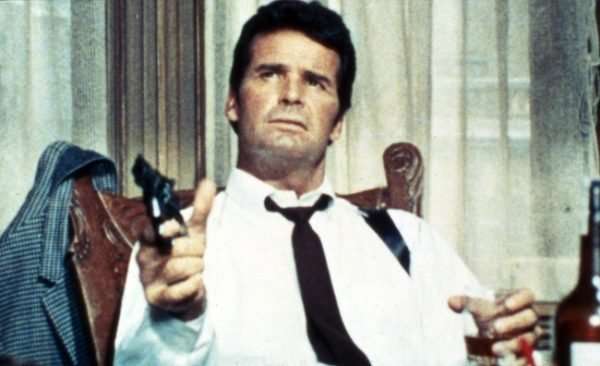
Based on Raymond Chandler’s story The Little Sister, Marlowe is a surprisingly lightweight crime thriller but that isn’t a negative as the slightly absurd tone makes it very accessible, especially if you are not well versed in film noir or the Philip Marlowe character. James Garner plays Marlowe with a blend of cool confidence and sarcastic humour but is never afraid to pull his gun and be threatening if he has to, making him closer to Roger Moore’s Bond than he is to Humphrey Bogart, and he is magnetic whenever he is onscreen, which is pretty much in every scene of the movie.
Garner is not the only highlight here, though, as Marlowe is also the Hollywood debut of one Bruce Lee, who is only in two scenes but they are the most memorable, the first being reminiscent of something from the 1960s Batman TV series as he smashes up Marlowe’s office in a display of comical martial arts moves. His second appearance is also very amusing, albeit not for quite the same reasons, and feels like the filmmakers went a little too far with the goofiness in what is relatively serious crime thriller, but it also highlights how much screen presence and charisma Lee had, and what a star he was about to become.
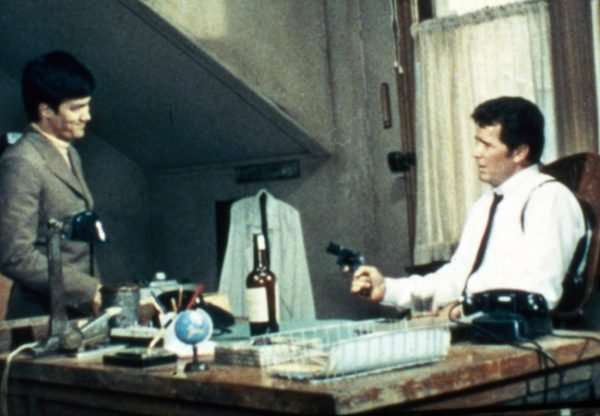
However, being based on a Raymond Chandler story means that Marlowe also has a very convoluted and complex plot which isn’t that easy to follow. When we first meet him, Marlowe is already on the case to find Quest’s brother so we never get an initial meeting of client and detective where the full story of the missing man can be laid out. By dropping us into the ongoing investigation a bit further on we have to very quickly try and figure out who is who and what relation they are to the previous person Marlowe has encountered as the writing does not always allow for such conveniences, meaning you do have to try and piece together vague information whilst new plot twists are revealed.
Considered as the inspiration for The Rockford Files, Marlowe is not the most daring example of putting the detective into a contemporary setting – Robert Altman’s 1973 movie The Long Goodbye moved the character even further away from his roots with a more satirical take on modern society – but it is a very enjoyable crime thriller with an engaging lead performance by James Garner and solid support from Bruce Lee, William ‘voice of K.I.T.T.’ Daniels and Jackie Coogan, plus a whole host of genre tropes given a 1960s update that will thrill and entertain in equal measure. To help you get on board with it, Arrow Video have included a 50-minute appreciation of the movie by film historian Howard S. Berger that delves into the Philip Marlowe character a bit more, although to get the most out of Marlowe reading The Little Sister first is advisable as the movie does get a bit confusing the deeper into it you get.
Flickering Myth Rating – Film: ★ ★ ★ / Movie: ★ ★ ★ ★
Chris Ward