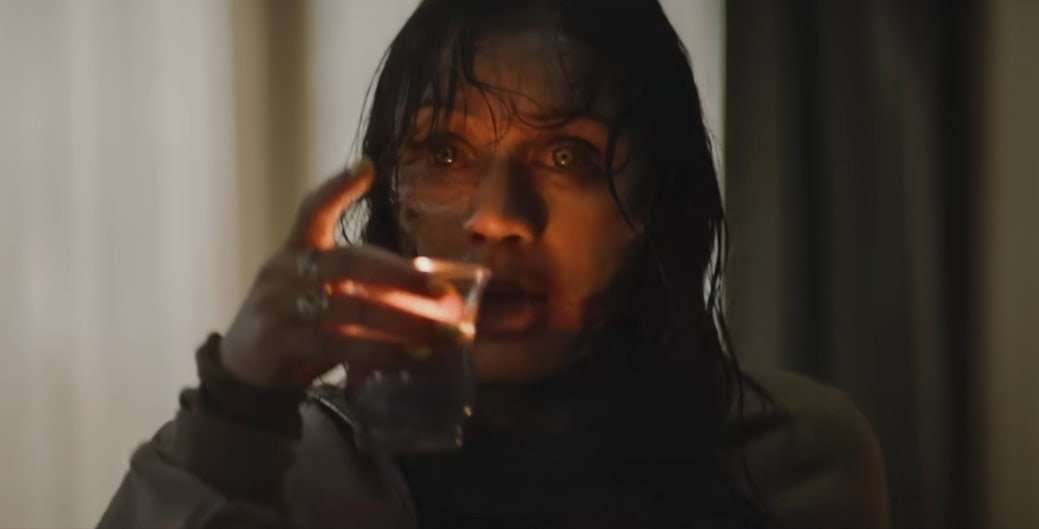
A familiar found-footage setup takes a dark detour in “House at the Edge of the Woods”, a scrappy microbudget nightmare.
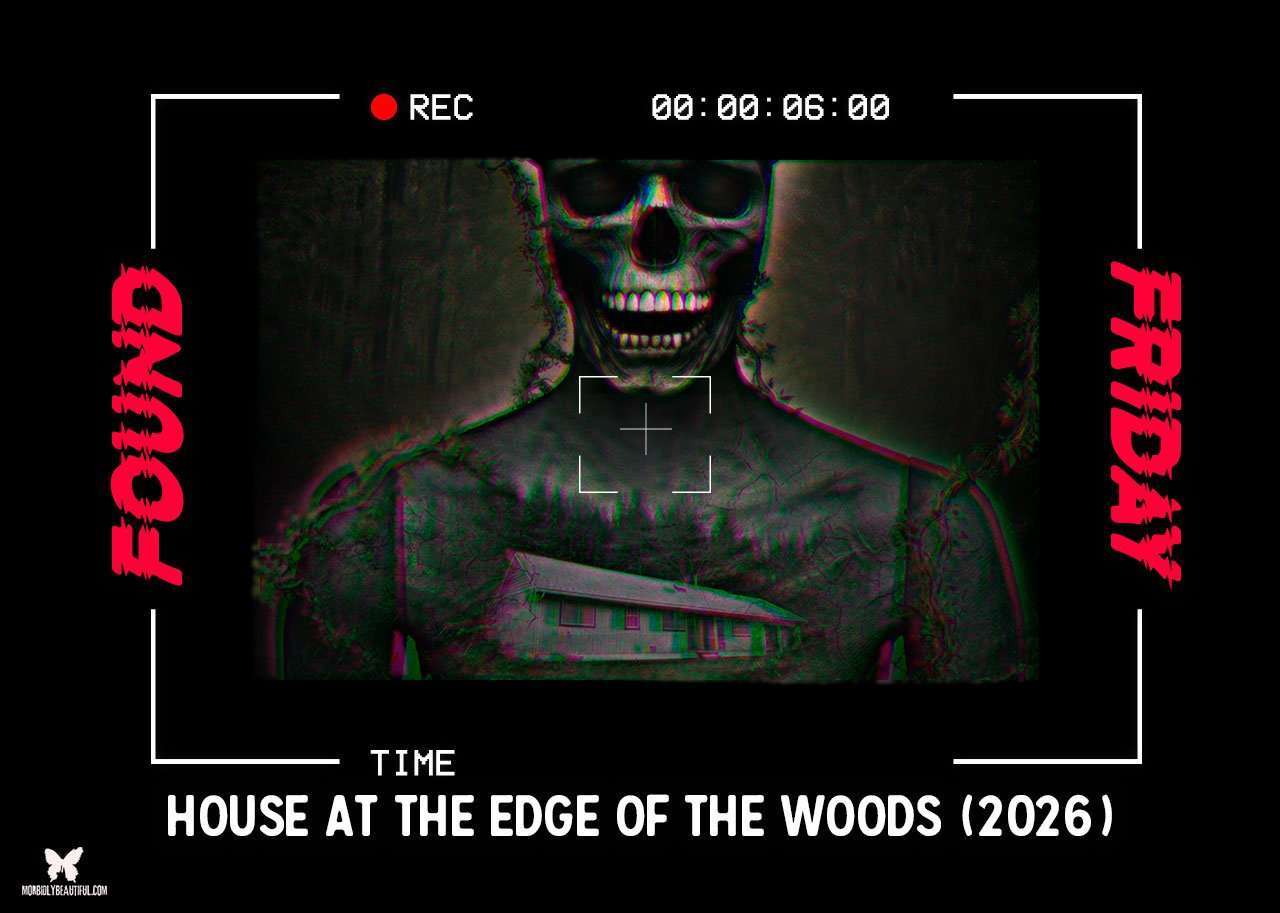
No time to read? Click the button below to listen to this post.

MORBID MINI: At first glance, House at the Edge of the Woods looks like another walk down a very familiar found footage trail. But beneath the missing-relative mystery and paranormal-investigation setup is a smart, lovingly crafted indie that knows how to twist expectations into sinister surprise. It may not escape every subgenre trap, but when it swerves, it makes the detour worth taking.
On paper, The House at the Edge of the Woods sounds like any number of found footage films you’ve seen before. A secluded house nestled in the dense woods. A missing relative. A team of paranormal investigators called in to examine the strange goings-on. A documentary that turns into recovered footage.
Shrug, sigh, yawn… right?
Well, not quite.
It’s not that the now-tedious tropes of the subgenre can’t work. Quite often, they work really well. The problem is that we often feel like we’ve seen it all before. We’ve wandered into these forests, watched people point cameras into dark corners, and heard strange noises from somewhere just beyond the tree line. We’ve rolled our eyes at the inevitable “What was that?” and “I don’t feel good about this.” Even when it works, we feel a bit worked over.
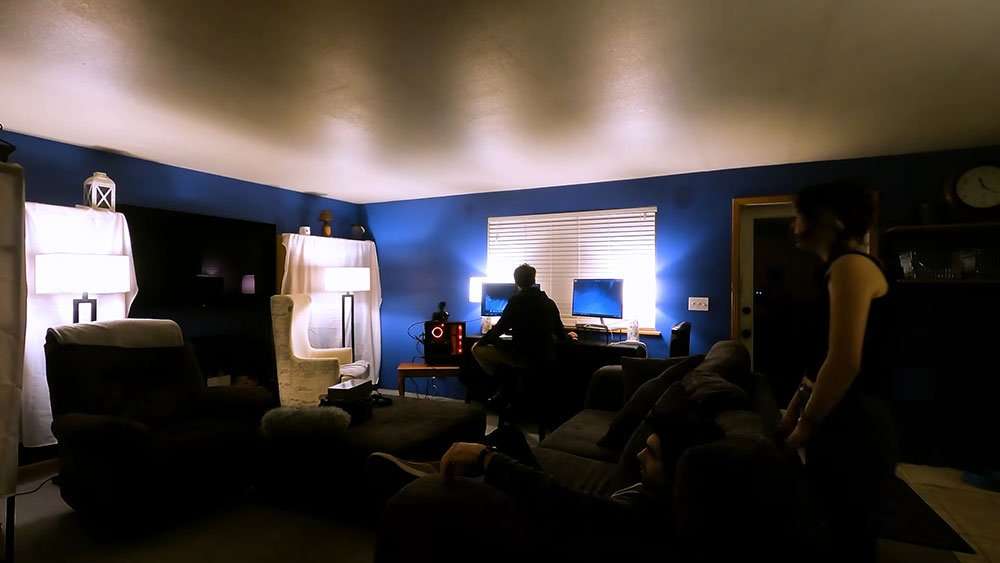
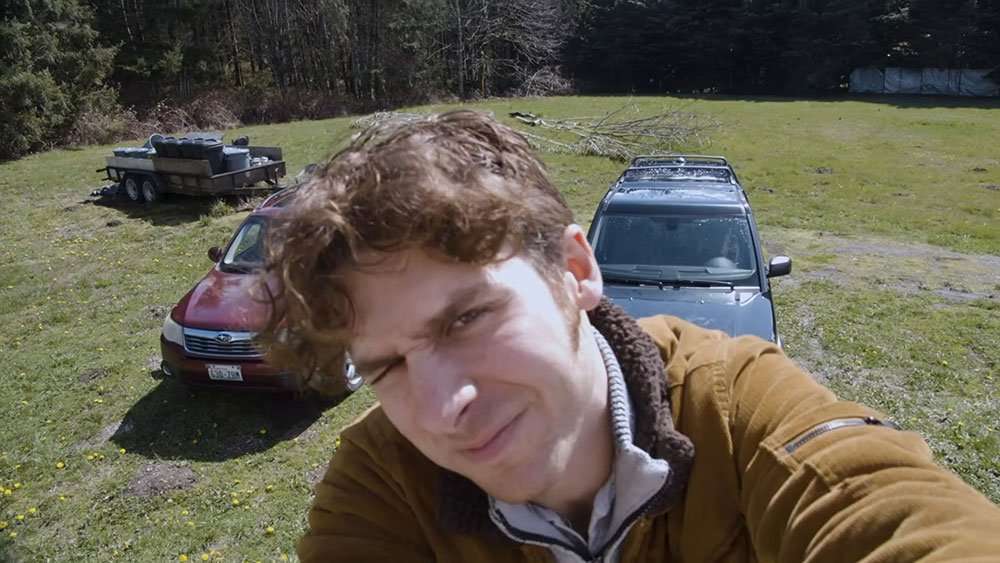
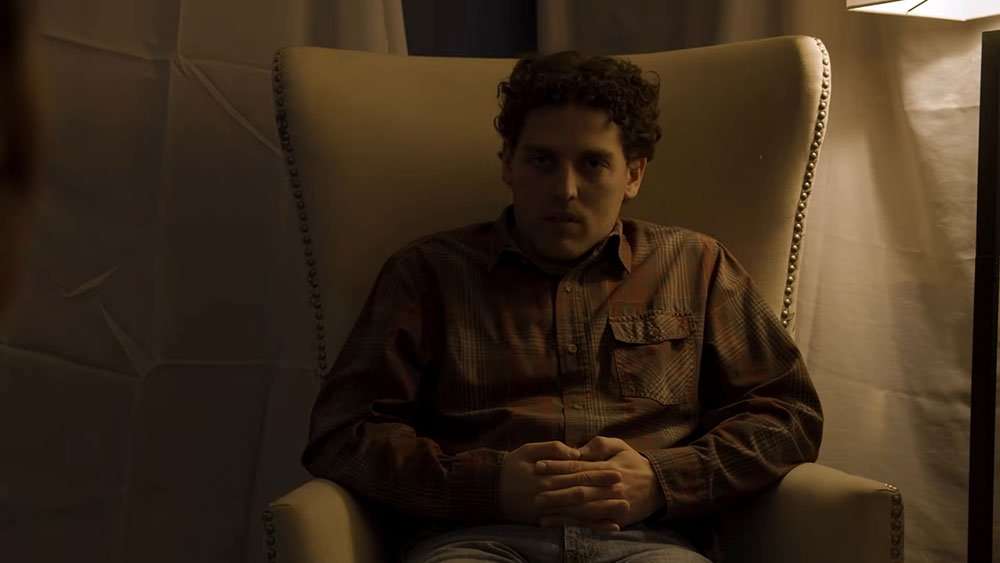
So, when House at the Edge of the Woods begins with a grieving man returning to his father’s isolated home, only for said father to vanish into the surrounding forest, it’s fair to settle in with a bit of skepticism.
Jeremy is alone, emotionally frayed, and increasingly convinced that something is wrong on the property. The police investigation goes nowhere. The nights become stranger. The woods feel less like scenery than a threat closing in around him. Eventually, he brings in a small paranormal investigation team to document the disturbances and help uncover what happened. What follows is presented entirely through recovered video logs and camera feeds.
And yeah, that almost definitely sounds like a tried-and-true blueprint. And, yeah, for a while, that’s exactly what it is.
It’s a setup so familiar that it practically writes itself. But that familiarity turns out to be part of the trick.
Writer/director Brandon Hartsock cleverly uses audience expectations as misdirection.
The film starts in one lane, looking like a modest little cabin-in-the-woods haunting, then abruptly swerves into something nastier and far less predictable. What initially feels like a slow-burning paranormal mystery turns into something else entirely. And that shift is where the magic happens.
This is a micro-budget film, and there are rough edges. There are familiar beats. Are you expecting people running around the woods at night, yelling at unseen evil in the dark? Of course you are. And, of course, there’s plenty of that.
But there is also real intelligence behind how the film uses what it has and makes the absolute most out of nearly nonexistent resources.
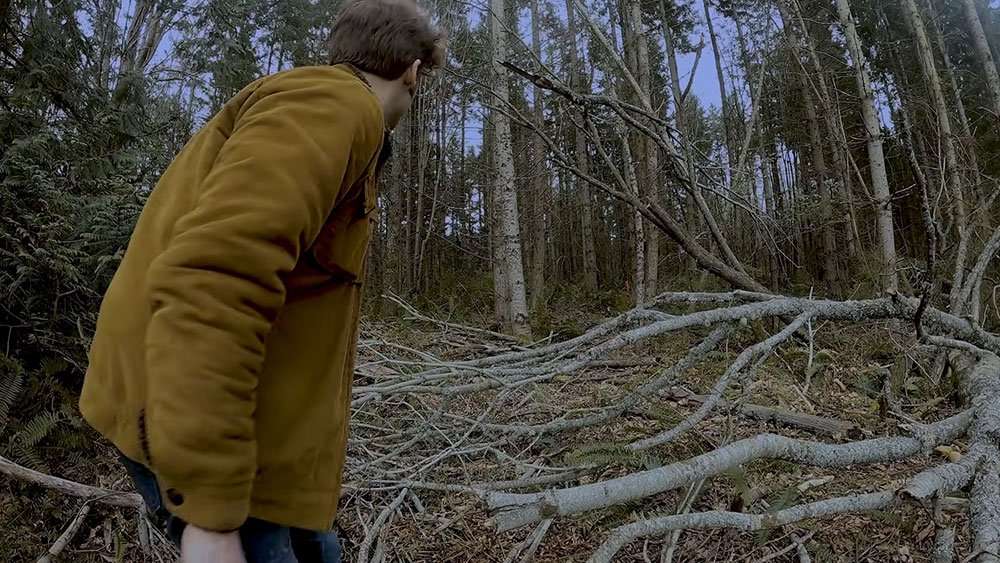
Instead of trying to fake scale, Hartsock leans into confinement. The forest is not expansive here; it’s suffocating. The darkness isn’t meant to open up the world. It shrinks it. That feeling of claustrophobic dread creates pure nightmare fuel.
The sound design is especially impressive.
House at the Edge of the Woods understands that the scariest thing in found footage isn’t what the filmmaker throws at the screen or the kind of horror that screams, “Look at me!” It’s often what you hear but can’t see, or what you think you see but can’t quite make sense of. It’s the kind of film where your imagination gets weaponized against you in the best possible way.
In a subgenre where “low-budget” too often becomes an excuse to cut corners, House at the Edge of the Woods is lovingly crafted with strong attention to detail. Shot over just eight days with a total cast and crew of only eight people on a budget under $10,000, this is exactly the kind of indie horror that reminds you why resourcefulness is its own special effect.
The final act is where the film rewards the patience it asks for early on.
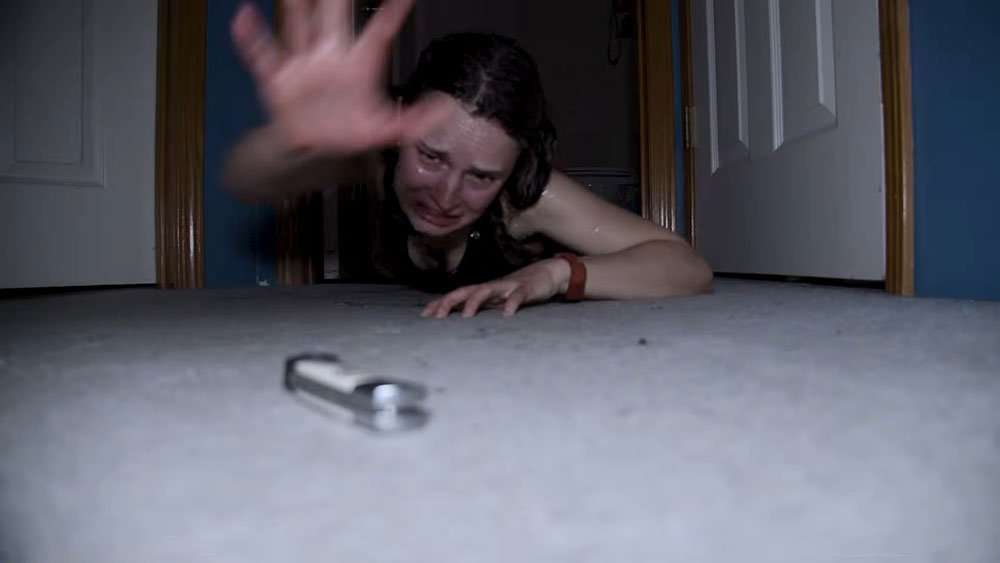
Hartsock has a background in practical effects, and he gives the back stretch a devious little kick that keeps the film from being all atmosphere and no payoff. For all its psychological games and creeping unease, House at the Edge of the Woods knows horror fans still want the blade to come down. When it does, the brutality lands with satisfying force.
The film’s biggest weakness is that its early stretch risks feeling too conventional for too long. Between the investigative setup, the unexplained noises, the camera-driven panic, and the woods-at-night chaos, you may be tempted to bounce before the ground beneath you truly shakes. If you are allergic to found footage tropes, this probably won’t be the movie that converts you.
But stick with it, and you may find yourself as pleasantly surprised as I was.
It takes a familiar path into the forest and makes one hell of a cool detour.
For found footage fans willing to give it room to breathe, House at the Edge of the Woods is a smart, scrappy, effective little nightmare that proves a good filmmaker doesn’t need much to turn the familiar into the terrifyingly unexpected.
Overall Rating (Out of 5 Butterflies): 3.5