A vlogger’s isolated wilderness retreat turns into a haunting descent in “Loner”, a found footage horror that cuts deeper than expected.
No time to read? Click the button below to listen to this post.

MORBID MINI: This unsettling found footage folk horror gem transforms loneliness and grief into terror, delivering a chilling, sometimes heartbreaking character-driven descent you won’t shake easily.
There’s a version of found footage horror that feels like it’s running on fumes, with its incessant shaky cam, thin characters, and a sense that we’ve all seen this movie too many times before.
This is not that movie.
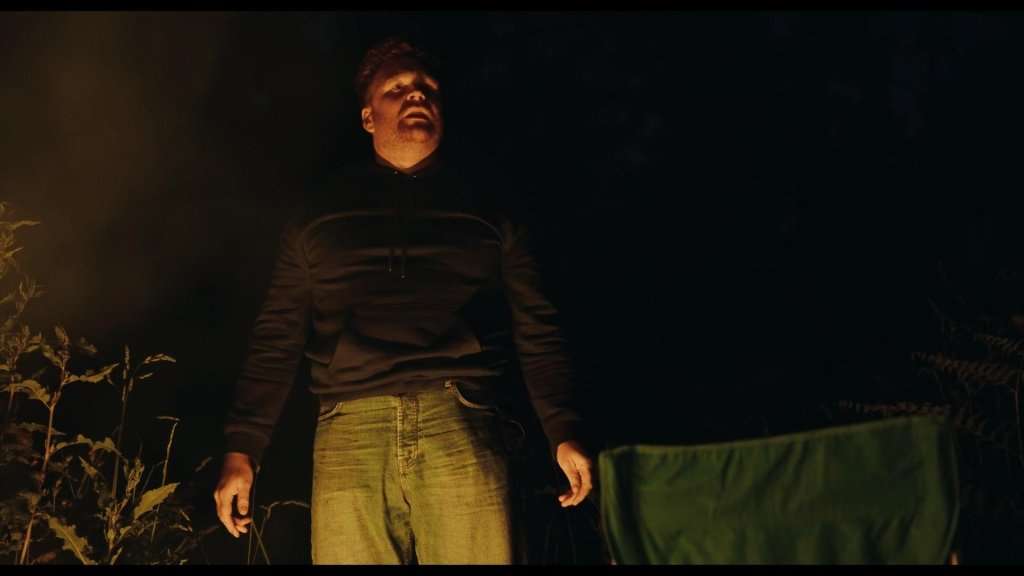
Directed by Charlie Robb and Douglas Tawn, Loner takes a deceptively simple premise and tightens it into a slow, suffocating spiral. Robb pulls triple duty as writer, director, and star, playing Angus Mattock, an aspiring vlogger who wins a stay at a remote, Wi-Fi-free wilderness cabin.
The goal is a digital detox. The reality is something closer to psychological excavation.
At first, it plays like a wry riff on the familiar vlogger horror trope. Think the chaotic energy of Deadstream or the performative narcissism of Spree. Angus is cracking jokes, narrating his survival attempts, and trying to turn isolation into content.
But the film is smarter than that. It understands that the camera isn’t just a tool for Angus. It’s a lifeline. A confessional. A shield. And eventually, it becomes a mirror.
The film wastes no time unsettling you.
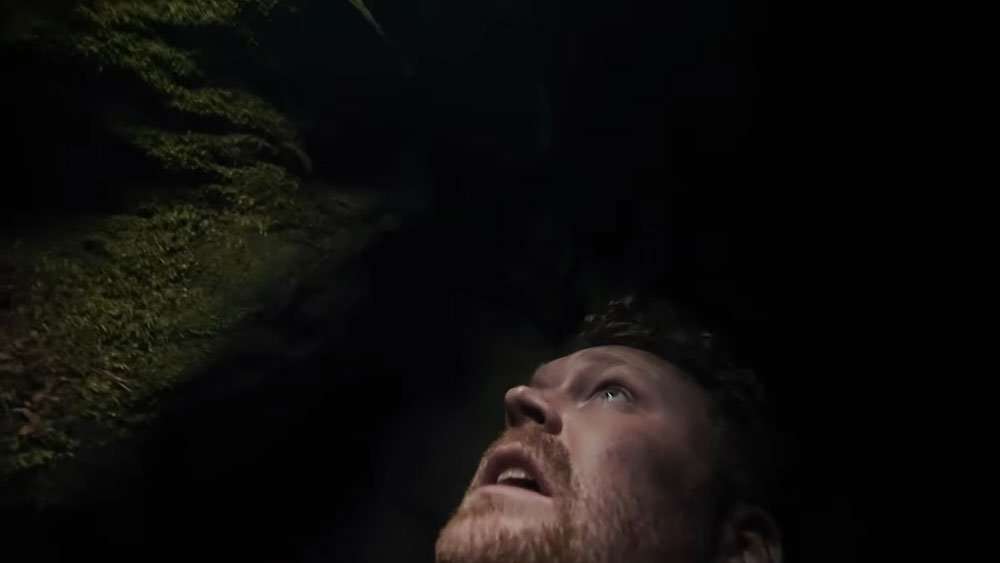
Strange sounds echo through the woods—breathing, distant screams, something animalistic just beyond the frame. Angus brushes it off at first, the way we all do when something feels off but not yet real.
Then comes the moment that snaps the tension taut: a woman named Eve appears at his door, frantic, begging to be let in, insisting something is hunting her.
Angus refuses.
It’s a brutal, defining choice. One that lingers long after she disappears back into the darkness.
And from that point on, LONER stops pretending to be anything but a damning descent.
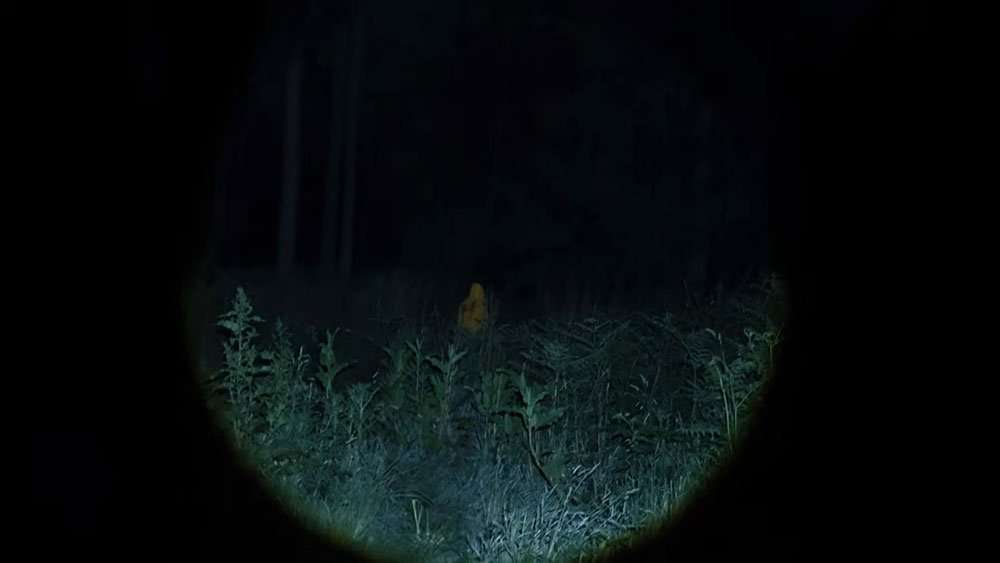
There are clear echoes of The Blair Witch Project here. You’ve got lost bearings, vanishing supplies, tearful “all hope is lost” video confessionals, and the creeping realization that the forest itself may be hostile.
But Loner isn’t interested in simply recreating that formula.
The use of drones, body cams, and curated vlog footage gives the film a visual vocabulary that feels modern without being gimmicky.
Every angle has purpose. Every cut feels intentional, like Angus is still trying to shape a narrative even as his reality collapses.
And that’s where the film really gets under your skin.
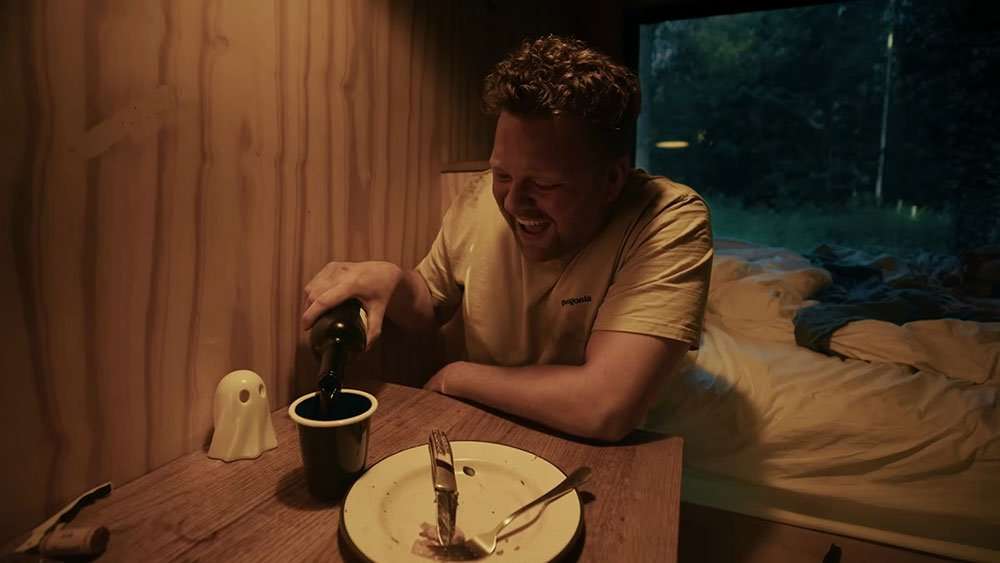
The folk horror trappings are all there. There’s the suggestion of an ancient, unseen force and the sense that something doesn’t want him there. But beyond that, Loner is about something much more profound and relatable. It’s about the terror of being unseen.
Angus is a man built on performance. His humor, charm, and constant narration are all defense mechanisms. It’s a way to stay in control. A way to avoid sitting with whatever tragedy drove him into these woods in the first place.
But as the film progresses, those defenses crack. The veil of happy-go-lucky humor is lifted.What’s left is a man unraveling in real time, clinging to the idea that someone, somewhere, might still be watching.
LONER taps directly into the very real, very uncomfortable conversation around male loneliness. It’s the kind of loneliness that festers in silence, masked by dry wit, and rarely confronted until it’s too late.
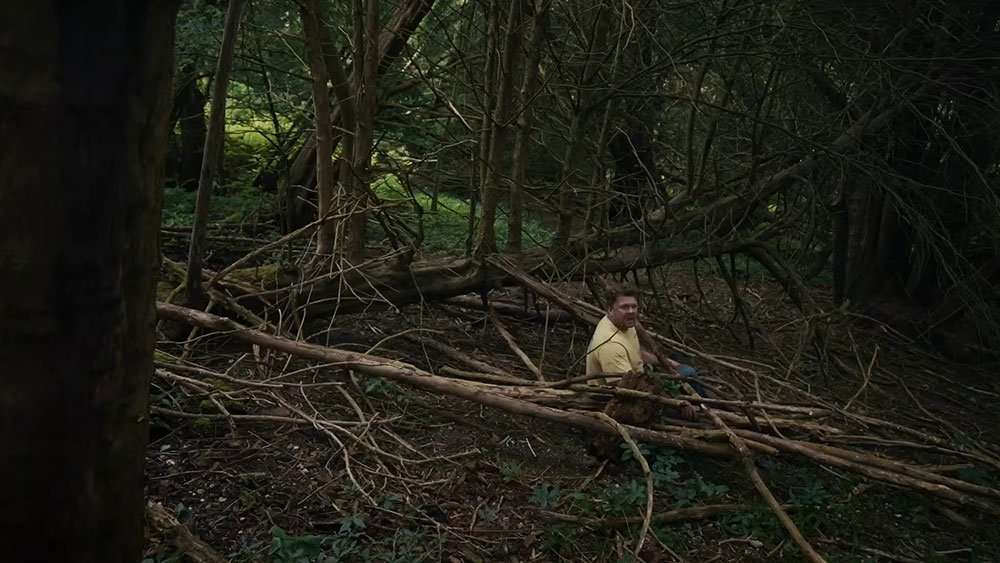
On the evening of his thirtieth birthday, Angus doesn’t just fear the thing in the woods. He fears irrelevance. He fears the idea that his life might pass without anyone truly seeing him.
That’s not to say the traditional horror isn’t effective; it is. But there are masterful layers her that elevate Loner above your average “lost in the woods” found footage flick.
Robb’s performance is the linchpin that makes all of this work.
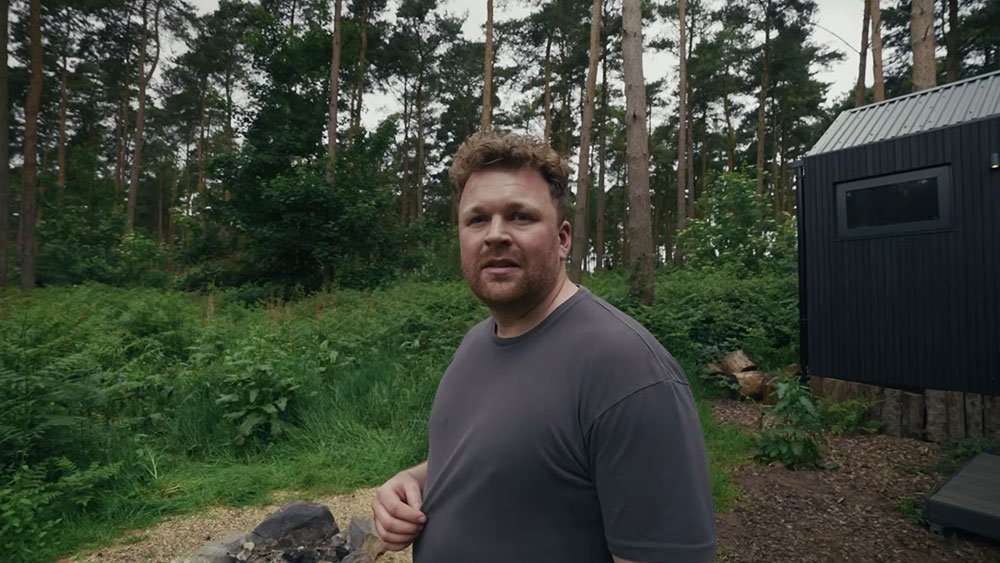
It’s a high-wire act that balances humor, vulnerability, and mounting panic. There’s a rawness to his portrayal that amplifies the horror as well as the emotional stakes.
By the final act, when Angus begins to fully unravel, you’re not just worried about whatever might be lurking out in those deep, dark woods. You’re worried about whatever darkness is stirring deep inside him.
What Loner does exceptionally well is balance ambiguity with genuine dread.
You fear the culmination of the film’s unbearably creeping tension and whatever supernatural horror stalks just out of sight. But more than that, you fear that Angus, in his isolation, his grief, and his desperation to be witnessed, may be complicit in his own undoing.
The sound design is quietly devastating, layering subtle, unnatural noises into the environment until the silence itself feels hostile. The cinematography captures the woods as both beautiful and indifferent. It’s a vast, uncaring expanse ready to swallow Angus whole.
You feel the distance. You feel the isolation. You feel the aching inevitability.
And when the ending hits, it lands hard.
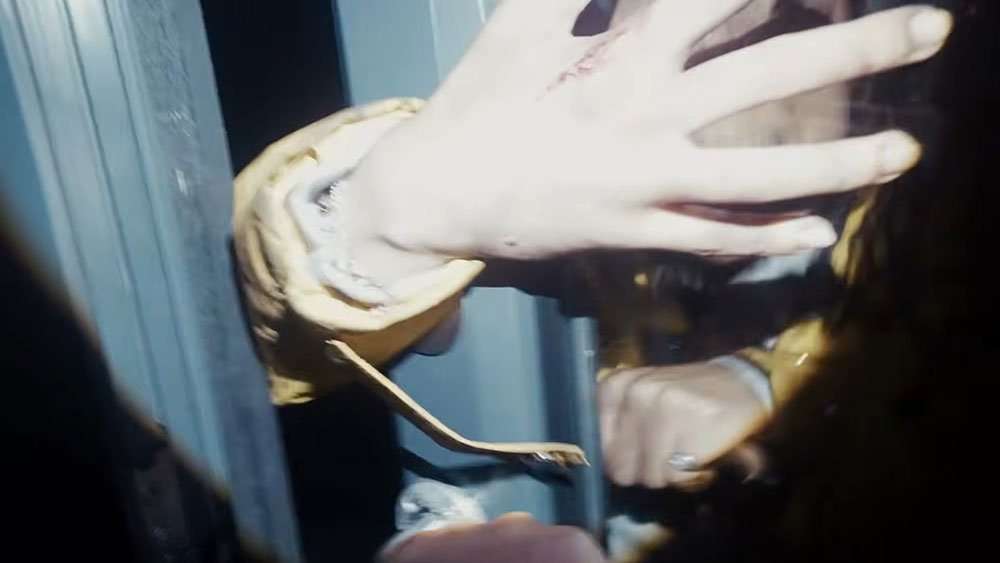
It’s not just a narrative payoff. It’s an emotional gut punch.
It’s unexpected, haunting, and lingering in exactly the way that separates the great found footage films from the easily forgettable ones.
This is horror with a real POV. It transforms the familiar language of the subgenre into something deeply personal, quietly devastating, and genuinely unnerving.
If you’re someone who understands that the scariest thing isn’t what’s chasing you but what happens when no one’s there to hear you scream, Loner is essential viewing.
Overall Rating (Out of 5 Butterflies): 4