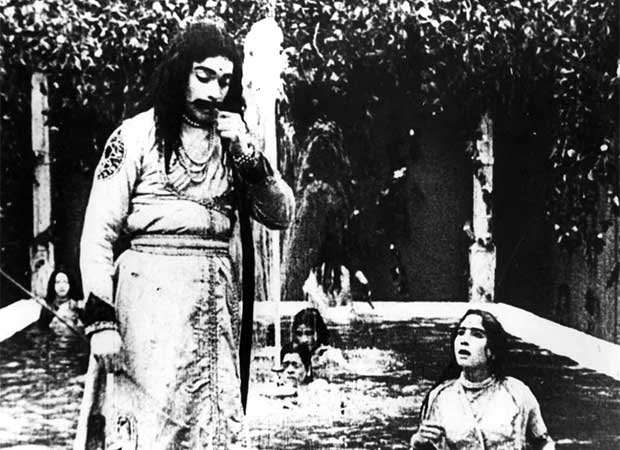
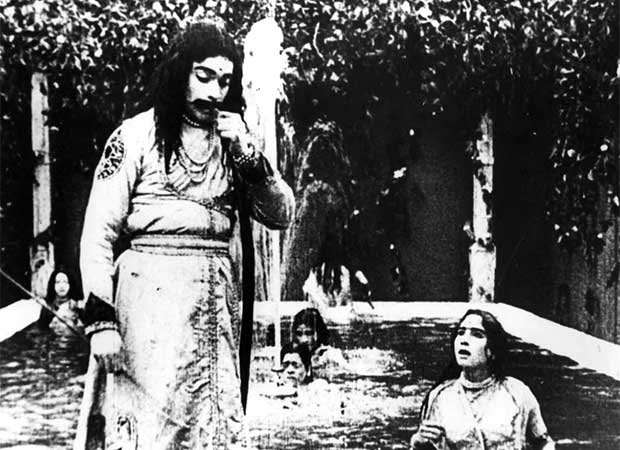
Cinema has been thriving as a popular form of art in India for more than 100 years. It also provides employment to lakhs of artistes and technicians in various fields. It was because of the painstaking hardwork and determination of Dhundiraj Govind Phalke aka Dadasaheb Phalke that feature films were born in India. It happened through the release of India’s first film Raja Harishchandra (which was silent) way back on May 3, 1913. Today, marks the 113th anniversary of that film and Indian Cinema.
Indian Cinema turns 113: How Dadasaheb Phalke invented film marketing and started the practice of press screenings in India
As per National Award-winning author, filmmaker and veteran journalist Sanjit Narwekar’s detailed article for the English version of the Gujarati magazine Gee published in February 1999, Phalke once saw the British movie The Life Of Christ (1910) at the America India Picture Palace at Sandhurst Road in Mumbai (then Bombay). This was enough to inspire him to make a film on Lord Krishna on similar lines. This wasn’t the first time he saw a film but the impact was different this time around.
Phalke had tried his hands in various fields, including co-owning a printing press and working with Government of India’s Archeological Department. He found his biggest calling in cinema. But his dream of making India’s first movie had the same obstacle that a lot of new and independent filmmakers have today – finance. It was difficult to raise funds as cinema wasn’t a known medium back then and a lot of people also found the whole idea weird.
It was only Phalke’s close friend Yeshwant Nadkarni who agreed to finance his dream, but only after getting convinced once he saw a ‘topical’ short (as it was called back then) made by him called The Growth Of A Pea Plant. The film shot barely for a second or two daily for 45 days showed the miraculous (as was considered then) growth of the plant in just about two minutes. Narwekar’s article says that the film was screened at an electrical shop in Kalbadevi where Nadkarni saw it and agreed to finance Phalke’s bigger dream.
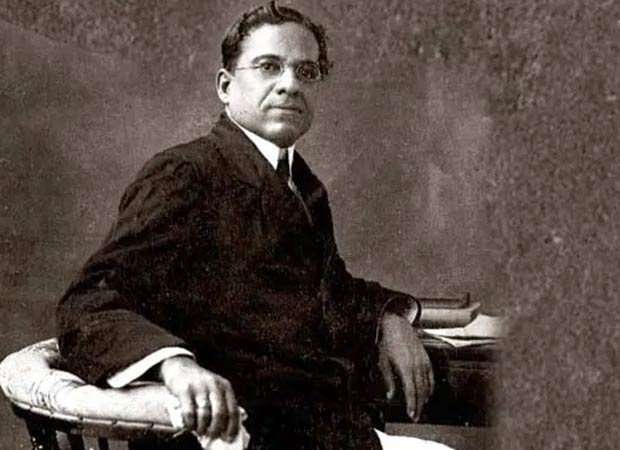
Phalke then went to London to learn more about the craft. He did so after getting introduced to the publishers of a cinema magazine. He soon became friends with them. This enabled him to learn the craft of filmmaking producer Cecil Hepworth, who was making a film then.
After returning to India, he was helped financially by his wife Kaki Phalke, who offered her ornaments for a loan. He also battled other issues like actors not willing to work in films because of the stigma attached to the profession (some things never change). He finally got theatre artists to work as actors. He had to do with the male actor Salunke as the female lead Taramati as it was impossible to get a female to act in a film. The main lead Harishchandra was played by DD Dabke while Phalke’s son Bhalchandra played Rohidas.
The film Raja Harishchandra was finally made after going through various other issues as well. As per Narwekar’s article, a preview of the film was kept for the elite of the city on April 21, 1913 at the Olympia Cinema in Mumbai. The film was released for the public at the Coronation Cinema also known as Coronation Cinematograph on May 3, 1913. The cinema hall was located near the junction of Sandhurst Road and Khetwadi Road in South Mumbai.
However, Raja Harishchandra didn’t get an encouraging response as not many turned up to the theatre. It was difficult for people to believe that an Indian filmmaker had made a feature film. Also, shelling two annas for a 40-minute film was also considered expensive by many.
This was when Phalke thought that the film needed marketing. In other words, the first feature film of India also needed a marketing campaign. As per Narwekar’s article, he organized a dance performance of European girls before the start of the film for the first few days. Outside the city, he publicized the film saying that it has 50,000 “still photographs” that ran for two miles.
But that’s not all. Phalke also invited journalists from prominent newspapers to see the movie for free, which is also mentioned in Narwekar’s article. This can be considered as the first press show or press screening to have taken place in India. The article also says that the newspapers gave the film glowing reviews with The Bombay Chronicle describing it as “the first great Indian dramatic film” and “a remarkable triumph”.
The efforts paid off as the film started attracting large crowds. Phalke, in return, got the title of the ‘Father of Indian Cinema’. He continued making films from here on.
Along with Phalke, Coronation Cinema also achieved history for being the theatre that released the first Indian feature film. Unfortunately, it no longer exists. As per information shared on the official website of Municipal Corporation of Greater Mumbai (MCGM), the theatre was shut down in the late 20th century and was replaced by an office complex.
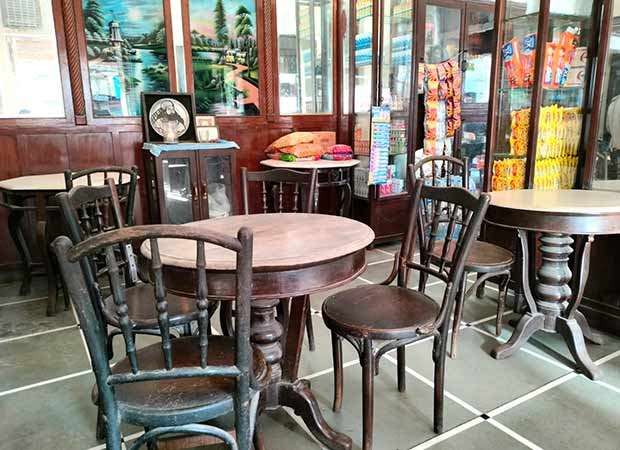
Cosmopolitan Restaurant, located not far from the area where the theatre stood, was once a hub for moviegoers who would discuss the film they saw at Coronation over food and beverages, as per info shared by MCGM. Surprisingly, this Irani-style restaurant is still operational but not in a good state. This writer visited the eatery a few days ago and it appeared in a dilapidated condition as it was evident that it hasn’t had a renovation for ages.
Nevertheless, it still remains as a small living memory of the historic era that once prevailed in the locality.
BOLLYWOOD NEWS – LIVE UPDATES
Catch us for latest Bollywood News, New Bollywood Movies update, Box office collection, New Movies Release , Bollywood News Hindi, Entertainment News, Bollywood Live News Today & Upcoming Movies 2026 and stay updated with latest hindi movies only on Bollywood Hungama.