Casey Chong presents an essential selection of creepy Irish horror movies for your watch list…
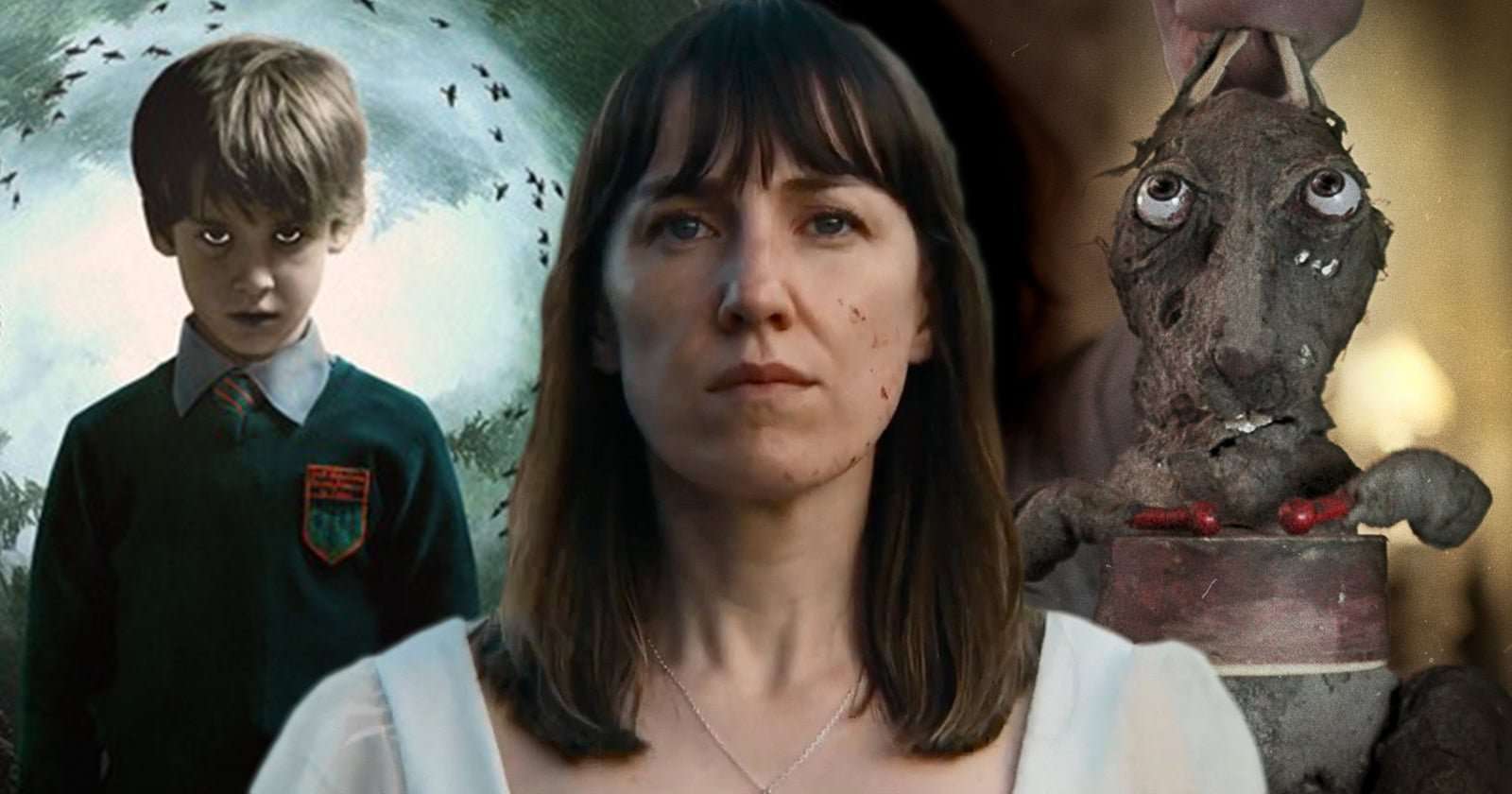
The distinct characteristics of Irish horror movies lie in their visual and narrative interpretation of the ancient folklore and myth, often related to rural and isolated locations. These settings play a big part in establishing the dread through the use of nature and atmosphere, while emphasizing the importance of character-driven traits regardless of psychological and emotional stakes or the reality vs. perception ambiguity. With Damian McCarthy’s Hokum out today [read our review here], we have compiled ten of the most creepy Irish horror movies worth adding to your watch list…
Wake Wood (2009)
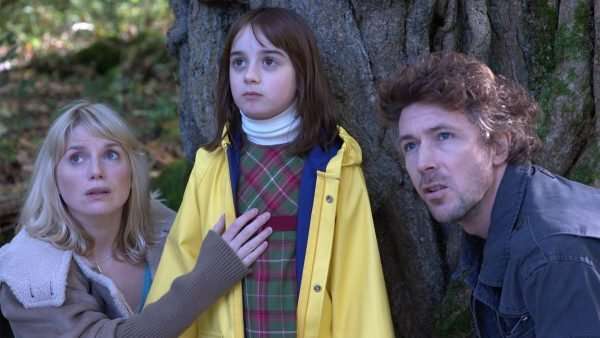
Director and co-writer David Keating wastes little time getting down to the sudden, jarring shift from the wonderfully intimate shot of the parents (Aidan Gillen’s Patrick and Eva Birthistle’s Louise) celebrating their beloved 9-year-old daughter Alice’s (Ella Connolly) birthda, to an uncomfortably visceral framing of the latter’s tragic death. The title refers to the rural village, highlighting the parents trying to move on with their lives. However, the grief and trauma still linger in their memories until Patrick’s employer, Arthur (Timothy Spall), offers them an unusual opportunity – a chance for them to spend their final quality time and say a proper goodbye to Alice by resurrecting her dead body for three days using a pagan ritual.
Going against God’s will often doesn’t end well in the horror genre, where Keating addresses the grieving couple’s desperation in allowing the ritual to take place. There’s an echo of Mary Lambert’s Pet Sematary here, and it doesn’t take a wild guess to see where this is going after Alice is brought back to life. All the actors, particularly Gillen and Birthistle, deliver grounded performances. At the same time, then-newcomer Ella Connolly does a good job of contrasting her sweet-natured innocence in the earlier scene with her subsequent cold and unsettling portrayal after her character’s resurrection.
Without Name (2016)
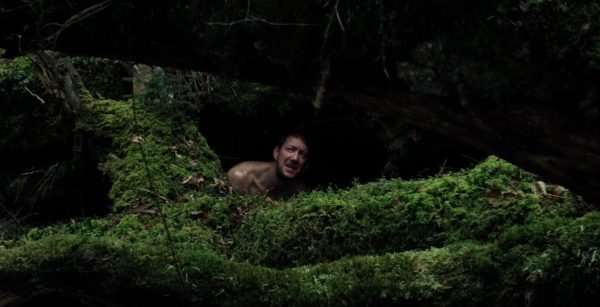
Lorcan Finnegan’s debut feature showcases his directorial prowess in using the slow-burning dread to explore the protagonist’s (Alan McKenna’s Eric) underlying mental state and psychological baggage between his troubled married life and extramarital affair with his assistant, Olivia (Niamh Algar). Eric’s ongoing midlife crisis is slowly eating him from the inside out, coupled with the isolation that comes with his predominantly solitary job as a land surveyor assessing a forest in Dublin.
The visual eeriness surrounding the unusually quiet and dense forest setting suggests that something supernatural is at play, as Finnegan uses the seemingly endless trees to create a gradual sense of claustrophobia that heightens Eric’s downward spiral toward losing his sanity. The movie is heavily psychologically suggestive in its approach, and those who prefer a more in-your-face horror and obligatory jump scares might find this a huge turn-off. Still, it’s hard to deny that Finnegan knows his way around embracing a deeply atmospheric yet minimalist horror backed by the movie’s distinctly ambient sound design and Piers McGrail’s moody cinematography.
Grabbers (2012)
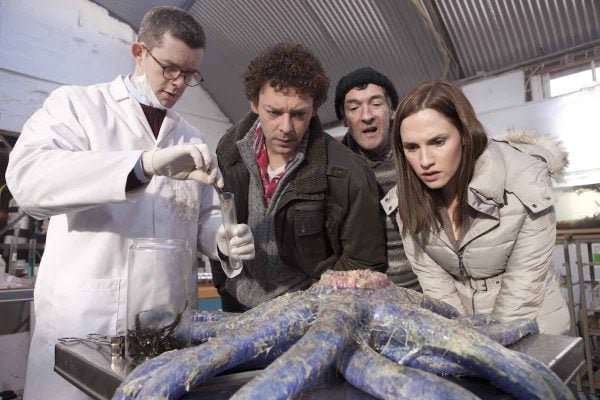
Irish horror cinema gets its own creature feature in the form of Grabbers, which refers to the blood-sucking octopus-like alien laying eggs and terrorizing the residents of a sleepy island. Jon Wright, working from Kevin Lehane’s entertaining screenplay, deftly combines the B-movie horror tropes with a quirky comedy filled with eccentric characters (Lalor Roddy’s frequently drunken Paddy comes to mind).
The love-hate on-screen dynamic between the contrasting personalities of two Gardas — an alcoholic and laidback Ciarán O’Shea (Richard Coyle) and the enthusiastically proactive Lisa Nolan (Ruth Bradley) – is equally fun to watch. Grabbers may have been made on a low budget, but credit still goes to Wright for using the limited funds to his advantage, bringing enough scrappy charm and surprisingly better-than-expected creature effects.
The Canal (2014)
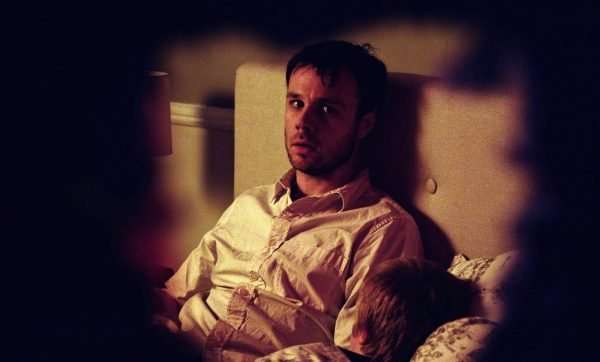
Writer-director Ivan Kavanagh explores how art imitates life affects David, a film archivist played by the twitchy Rupert Evans, whose obsession with the crime from an old 16mm reel and dealing with the disappearance of his own adulterous wife (Hannah Hoekstra) slowly drives him into madness.
Kavanagh’s atmospheric direction subtly blends the psychological horror tropes and haunting ghost stories, while deliberately keeping things disoriented through a mix of dread-inducing visual style, making you wonder whether David actually experiences a supernatural occurrence or suffers from a psychological breakdown. At one point, the director even pays a homage to Hideo Nakata’s groundbreaking J-horror Ring.
Fréwaka (2024)
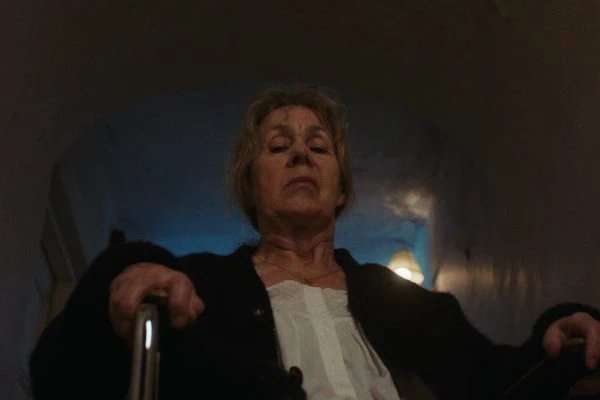
The title, which means “roots” in Irish, sees writer-director Aislinn Clarke delving into the intergenerational trauma and twisted family history that puts Shoo (an engrossing Clare Monnelly) through the wringer. Her character is a home carer, recently dealing with her mother’s suicidal death, assigned to take care of the agoraphobic elderly Peig (Bríd Ní Neachtain) in an isolated village.
The latter has a history of mental illness, allowing Clarke to toy around with her narrative of whether Peig’s deep-seated superstition and her claim that she was once abducted by the ancient Na Sidhe entity is true or simply a fragment of her paranoid delusion. Clarke favors slow-burning tension and atmospheric dread over a traditional jump scare-heavy approach. Not to mention Fréwaka marks a rare horror movie that is mostly spoken in the native Irish Gaelic dialogue.
Isolation (2005)
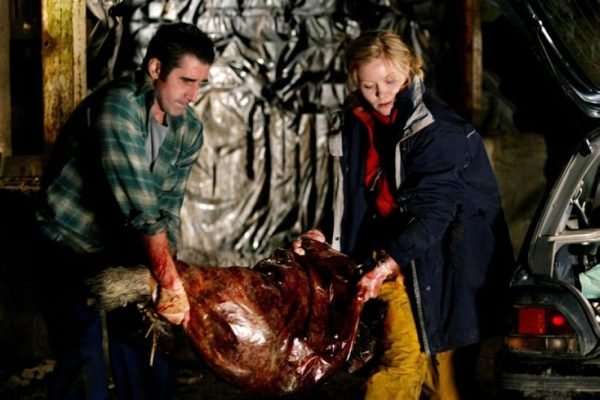
Writer-director Billy O’Brien takes the familiar genetic-experiment-gone-wrong tropes and turns his Isolation into an unapologetically gritty creature feature/sci-fi body horror hybrid, set in the confines of a rural cattle farm. The story centers on Dan Reilly (John Lynch), whose farm becomes an experimental lab for scientist John (Marcel Iureș) and veterinarian Orla (Essie Davis) to work on genetic research to increase cattle fertilization. A young couple (Sean Harris and Ruth Negga) somehow got involved in the process, and what follows is an experiment that goes out of control.
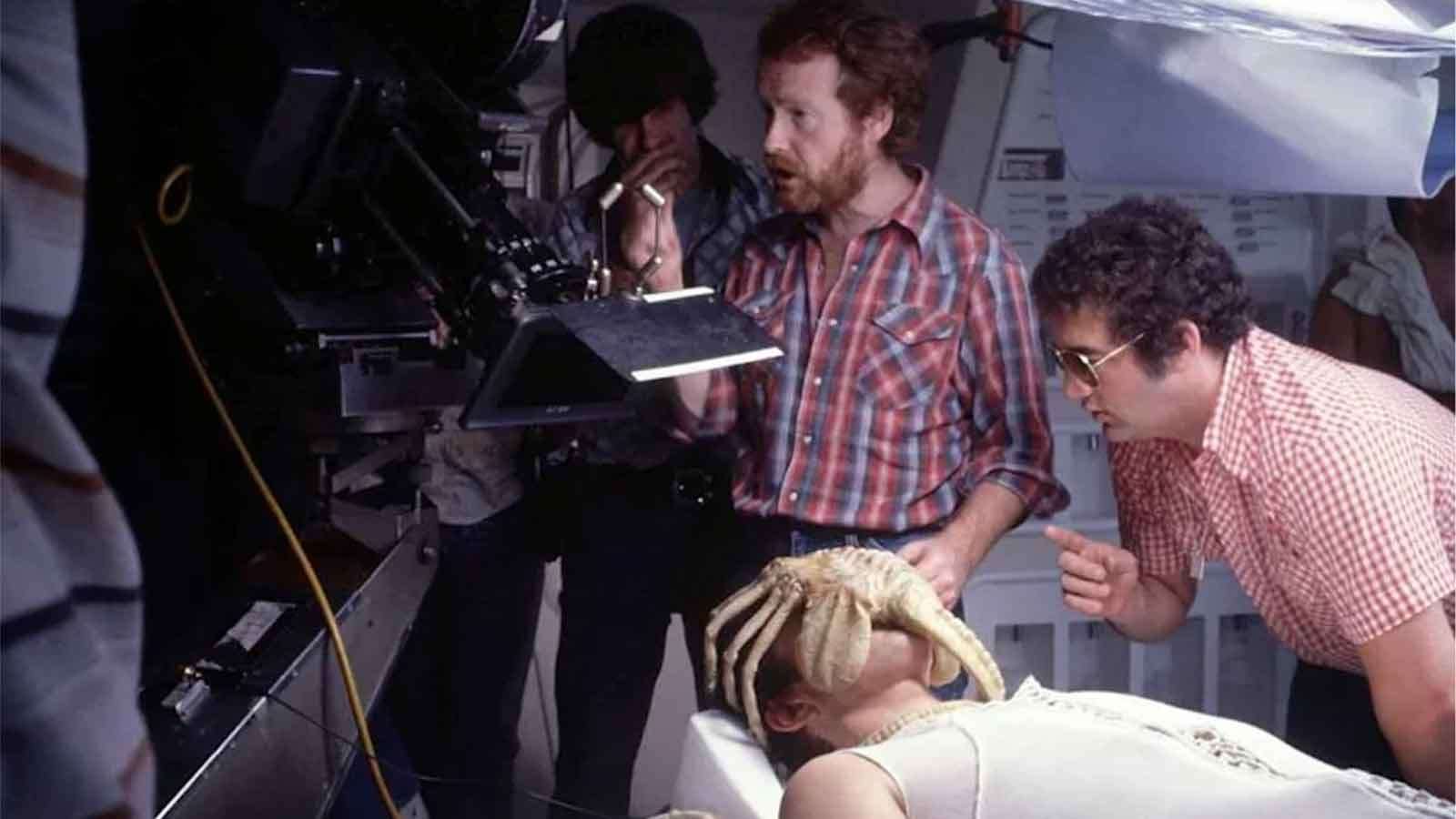
Isolation primarily takes place in and around the cattle farm setting to highlight its claustrophobic dread and tension in a confined setting. O’Brien made good use of the movie’s limited budget to focus more on the gritty realism and practical effects over CGI to make the subsequent mutated threat from the experiment feel palpable. He also smartly eschews exposition in favor of a narrative restraint by highlighting the spirit of Ridley Scott’s seminal Alien-like dread while eerily reflecting the movie’s bovine fear with the real-world anxieties of the UK’s mad cow crisis at the time.
The Hole in the Ground (2019)
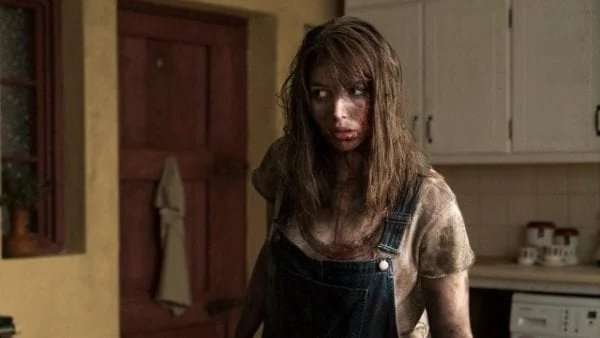
Years before Lee Cronin crossed over to Hollywood for Evil Dead Rise and his visceral version of The Mummy, he had already established his voice as one of the most promising Irish filmmakers with his solid debut feature, The Hole in the Ground. The story follows Sarah O’Neill (Seána Kerslake) and her son Chris (James Quinn Markey) as they move to the remote Irish countryside. Things start to go mysteriously wrong after they are involved in a car accident on their way home, and later, a strange discovery of the titular large sinkhole somewhere in the forest. The introduction of the elderly Noreen Brady (Kati Outinen), who lives nearby, sees her warn Sarah that Chris is not her son, believing he has been replaced by something that looks identical.
Cronin favors a deliberate approach to building up the dread while tapping into the fear of the unknown through the combination of parental anxiety, blurred reality, and the ancient Irish folklore. The latter is especially true with the creepy myth of a changeling after Sarah begins to find unusual behavioral changes in Chris that soon drive her into a deep paranoia. The ambiguity of whether Chris is Sarah’s son adds a sense of intrigue, making The Hole in the Ground a progressively intense horror experience.
The Hallow (2015)
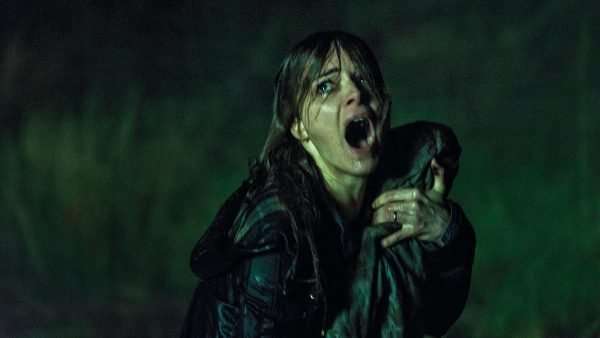
Corin Hardy, who would go on to direct The Nun and Whistle, first got his feature-length directorial start in exploring the Irish folklore of Aos Sí, the supernatural entities that inhabited the forest in The Hallow. Hardy uses folklore more as a groundwork, allowing him to mesh with his stark creature horror approach to visceral results. It all started with a family of three – conservationist Adam (Joseph Mawle), his wife Claire (Bojana Novakovic), and their infant son Finn – move into a remote village.
Despite being warned by the locals not to intrude on the forest, Adam, who specializes in arboriculture, ignores the warning, resulting in a subsequent threat that grows increasingly hostile as the movie’s creeping dread soon turns into a pessimistic horror thriller. The second half of The Hallow is particularly mean and psychologically tactile as Hardy zeroes in on the family’s desperate fight for survival against the titular creatures from the woods.
Caveat (2020)
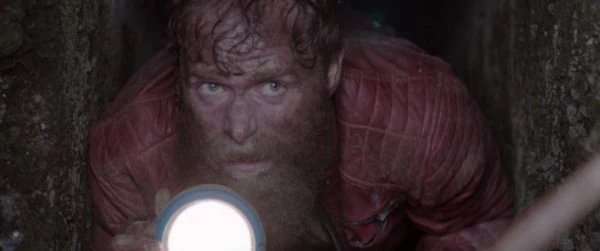
Damian McCarthy’s directorial strength in his debut feature Caveat lies in his stripped-down, minimalist approach while favoring the art of long silence and ambiguity. Set almost entirely in the confines of an isolated house on a remote island, the story follows an amnesiac drifter named Isaac (Johnny French), who is hired for a babysitting job to look after the landlord’s niece, Olga (Leila Sykes). But the job comes with an unusual requirement, where Isaac must be chained in a leather harness, resulting in restricted movements to only certain areas of the house.
The house itself isn’t just a setting, but rather a visual reflection of psychological decay and fear of the unknown, adding a sense of claustrophobia that Isaac’s physical limitation means he is left wondering about the off-limit spaces in the house. McCarthy isn’t interested in using the typical jump scare tactics to evoke a startling reaction from his viewers, opting instead for a slow-burning tension that creeps up on you as the movie progresses. Caveat is also known for using recurring imagery, notably on the unsettling appearance of a creepy-looking toy rabbit that beats the tiny drum every now and then.
Oddity (2024)
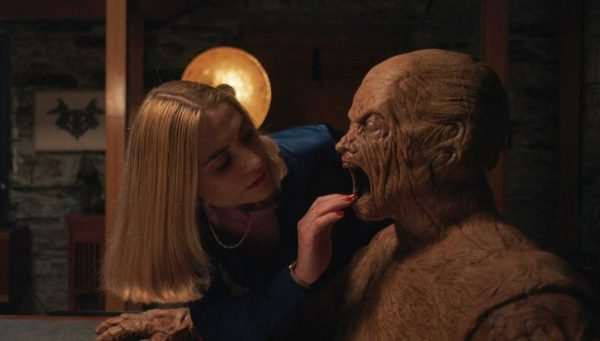
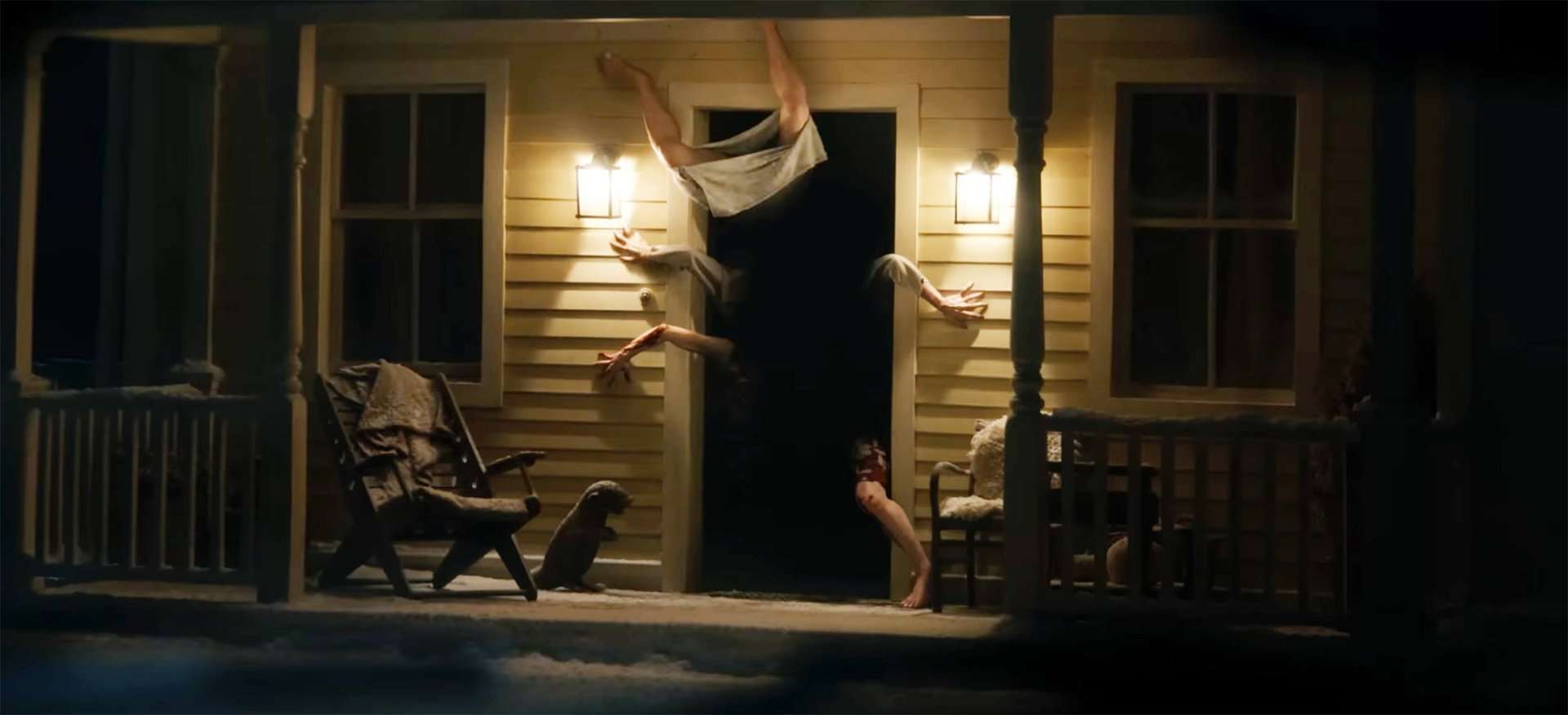
Oddity marks the sophomore feature for Damian McCarthy, who continues to prove that he has a flair for dread-soaked atmosphere and deliberate buildup. The story begins like a home-invasion horror, focusing on Carolyn Bracken’s Dani all alone in the countryside house until the mysterious appearance of a one-eyed stranger (Tadhg Murphy) warns her about something sinister.
McCarthy doesn’t waste time setting the ominous tone in sealing the fate of Dani, before he abruptly jumps to the present-day setting by introducing a blind medium named Darcy (also played by Bracken), who happens to be Dani’s twin sister. The oddly disconnected narrative shift is deliberately executed to keep his viewers intrigued in piecing together a psychological puzzle, thanks to McCarthy’s blend of murder mystery and the introduction of a mysterious wooden dummy later in the movie.
What are your favourite Irish horror movies? Let us know on our social channels @FlickeringMyth…
Casey Chong