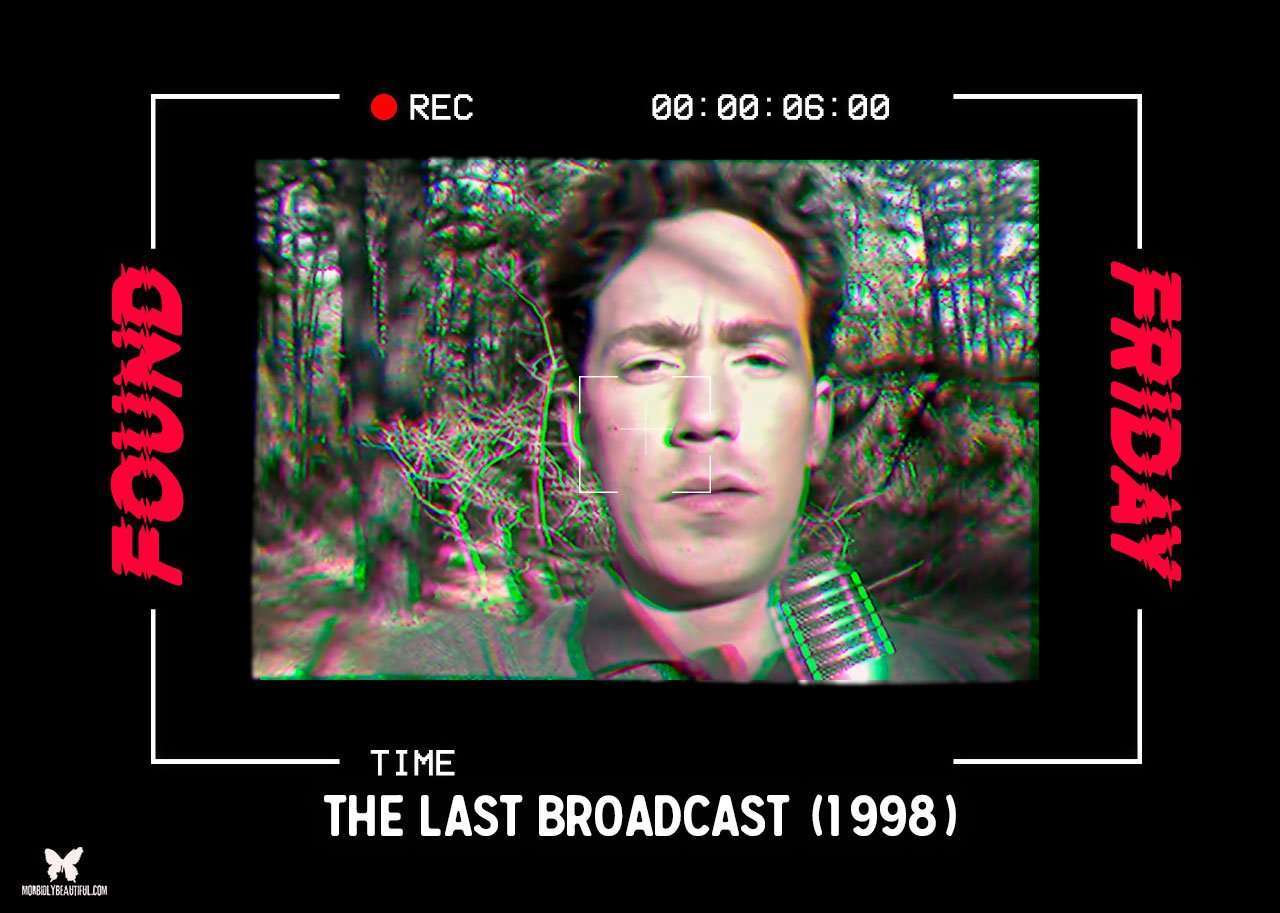
A micro-budget pioneer of found footage, “The Last Broadcast” blends true crime and horror into a fascinating look at media manipulation.
No time to read? Click the button below to listen to this post.

MORBID MINI: Before found footage became a phenomenon, The Last Broadcast quietly changed the game—with a chilling premise, eerie realism, and an ending that still sparks debate. It’s a lo-fi pioneer with big ideas.
Before The Blair Witch Project changed everything, there was The Last Broadcast.
Written, produced, and directed by Stefan Avalos and Lance Weiler, who also star in the film, it’s credited as the first feature-length film shot and edited entirely on consumer-level digital equipment.
It never reached the same heights as the cultural juggernaut that followed it a year later. A lack of a marketing and distribution budget doomed it to obscurity and near-obsolescence before Shudder revived it in 2022. It’s now available to stream on several platforms (including Tubi and Found TV), but it remains woefully underseen.
Framed as a pseudo-documentary, the film revisits the infamous “Fact or Fiction” murders.
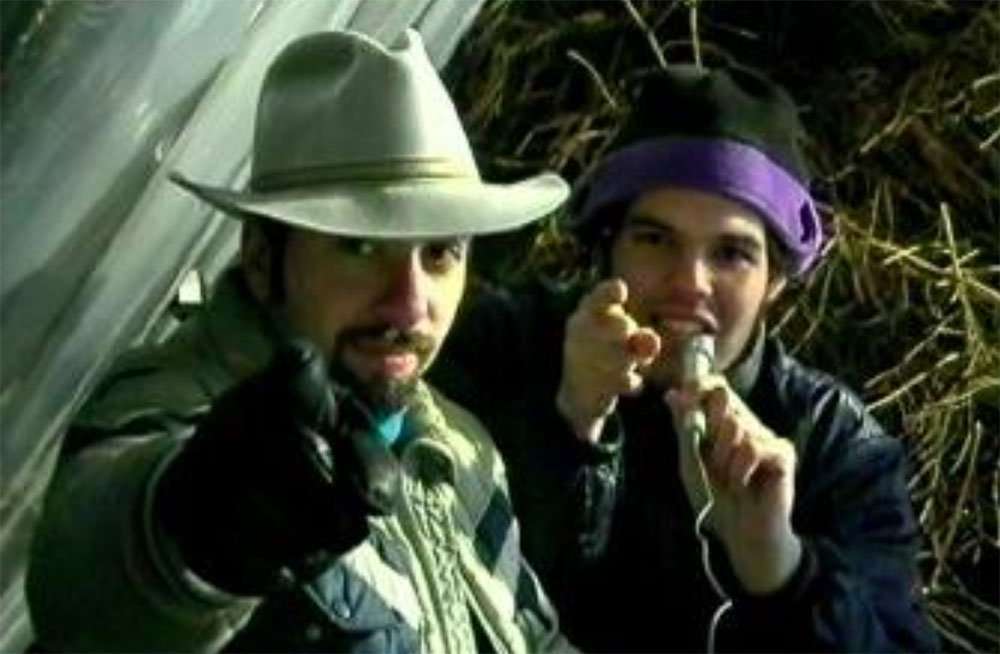
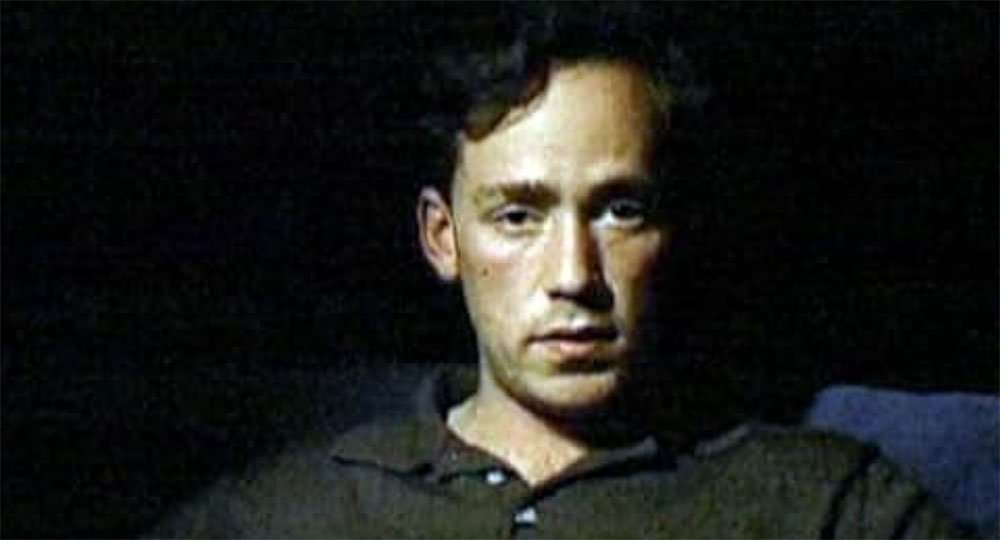
Three members of apublic-access TV crew head into the New Jersey Pine Barrens to hunt for theJersey Devil, led deep into the woods by the proclaimed psychic Jim Suerd. Only one of them makes it out of the fateful trip alive: Suerd, the man convicted of the brutal murders.
Suerd’s fate feels sealed before the trial begins, and the evidence against him is convincing. But when he dies in prison under mysterious circumstances and new footage lands at the doorstep of a documentary filmmaker covering the story, the clear-cut case starts to look a lot murkier.
What really happened out there? And maybe more importantly, who gets to decide what separates fact from fiction?
That question is where the film really locks in.
What makes The Last Broadcast work is its commitment to the bit.
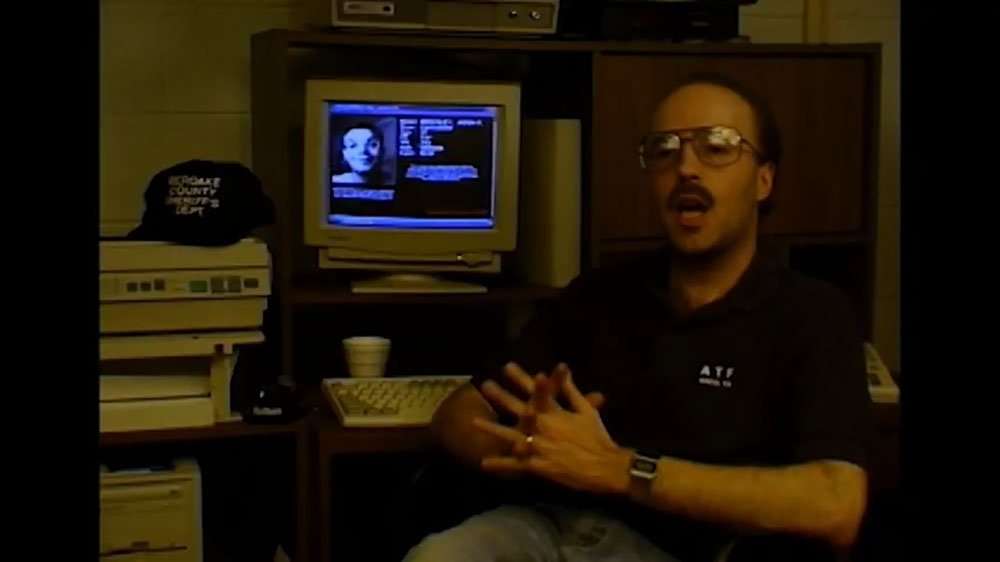
This is not just shaky cam horror. It fully leans into the documentary format, complete with talking heads, archival footage, and awkward reenactments.Then there’s the show-within-a-show: the Fact or Fiction public broadcasting program. It feels less like a movie and more like something you accidentally found channel surfing at 2 a.m.
That authenticity is the hook. But it’s the idea underneath that really lingers.
This is not really a story about a monster in the woods. It is a story about how narratives get built, shaped, and sold back to us as truth.
The film quietly pulls apart the machinery behind media, prosecution, and public perception. It asks how easily a story can be cleaned up, packaged, and accepted.
Watching it now, it feels less like a dated artifact and more like a prescient signal of modern times.
For something made on a budget that barely clears four digits, it is kind of wild how effective it is.
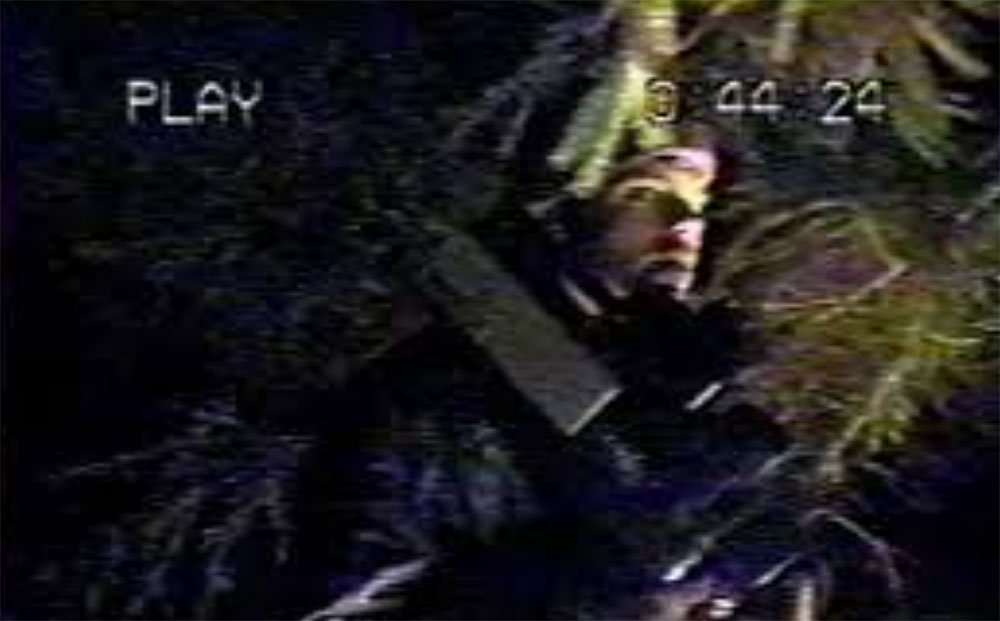
The digital video look, which should be a limitation, becomes the film’s greatest asset. It has that rough, almost evidence-locker quality. It feels like you are watching something that slipped through the cracks.
The tone is cold and deliberate, and the effect is chilling. The narration keeps you at arm’s length. The score hums underneath, crawling under your skin, carefully building dread.
You can see the fingerprints of this film all over later entries in the genre, like the haunting found footage standout, The Poughkeepsie Tapes. That’s especially true in how that film so effectively taps into an uneasy blend of realism and horror that makes you question what you are actually watching. It’s all too real, and it’s impossible to look away from.
And then we get to the often-debated ending.
It is impossible to talk about The Last Broadcast without talking about those final ten minutes.
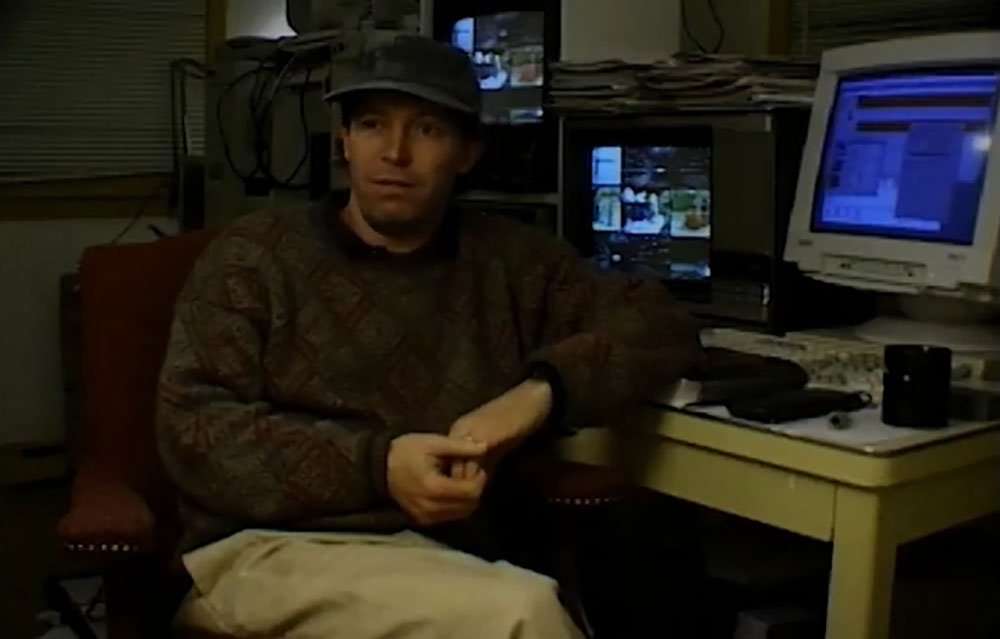
This is the swing. And depending on who you ask, it is either bold or baffling. For most people, it’s the latter.
After spending most of its runtime carefully building a believable documentary framework, the film pivots in a big way.I completely understand why it loses people. It’s jarring. It defies logic. But, even if you consider it a massive stumble, I am not ready to write the film off because of it.
Even in its messiness, it still feels intentional.
The film has been telling us all along that truth is fragile. It depends on perspective. Whoever controls the narrative controls the outcome. The ending helps hammer that point home. It’s no homerun, but I admire the big swing.
It’s true, this isn’t flawless filmmaking. It looks dated.Some of the performances are rough around the edges. And if you are coming to this after decades of found footage, it won’t feel as shocking or original as it once did.
But that is the tradeoff of being early.
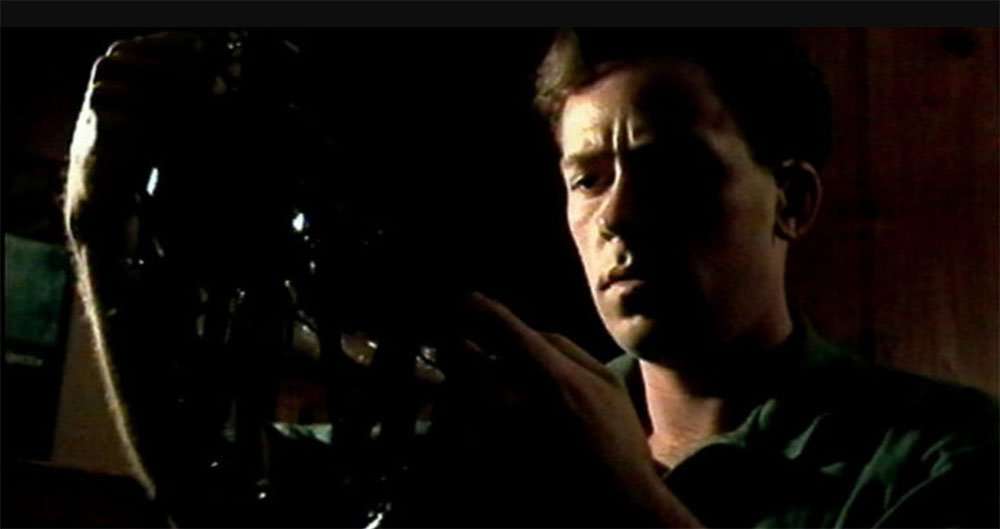
This film came before the boom. Before the rules. Before audiences knew how to watch something like this. And there is something exciting about watching a film lay the groundwork rather than tread a familiar path.
It does not land perfectly. But what it builds along the way is too effective, and too important, to ignore.
If you care about found footage or the evolution of indie horror, this is essential viewing. Not because it is perfect, but because it helped prove that a camera, a concept, and the courage to try something new can go a long way.
Overall Rating (Out of 5 Butterflies): 3.5