ITV’s Force of Nature tackles a familiar subject – wildlife under pressure – capturing the relentless battle for survival in the animal world as it faces unpredictable challenges from weather and climate change.

The six-part series is a standout when it comes to wildlife documentaries, as it depicts how extreme weather is already reshaping the way animals hunt, migrate, adapt and survive.
From cheetahs crossing a flooded river to chimpanzees searching for water in the middle of a severe drought, the series uses animal behaviour to reveal a constantly changing world that is affecting us all.
“The original brief was really simply animals and weather,” series producer Seb Illis told Radio Times. “We were very conscious of this being an ITV series. We needed it to be invitational to a broad audience, we didn’t want it to feel in any way like a lecture or anything preachy about climate change.
“But we also recognise it’s a real opportunity to address climate change in a mainstream natural history series. So that was our first filter with all of the animals. It’s like, how are they doing with with climate change?”
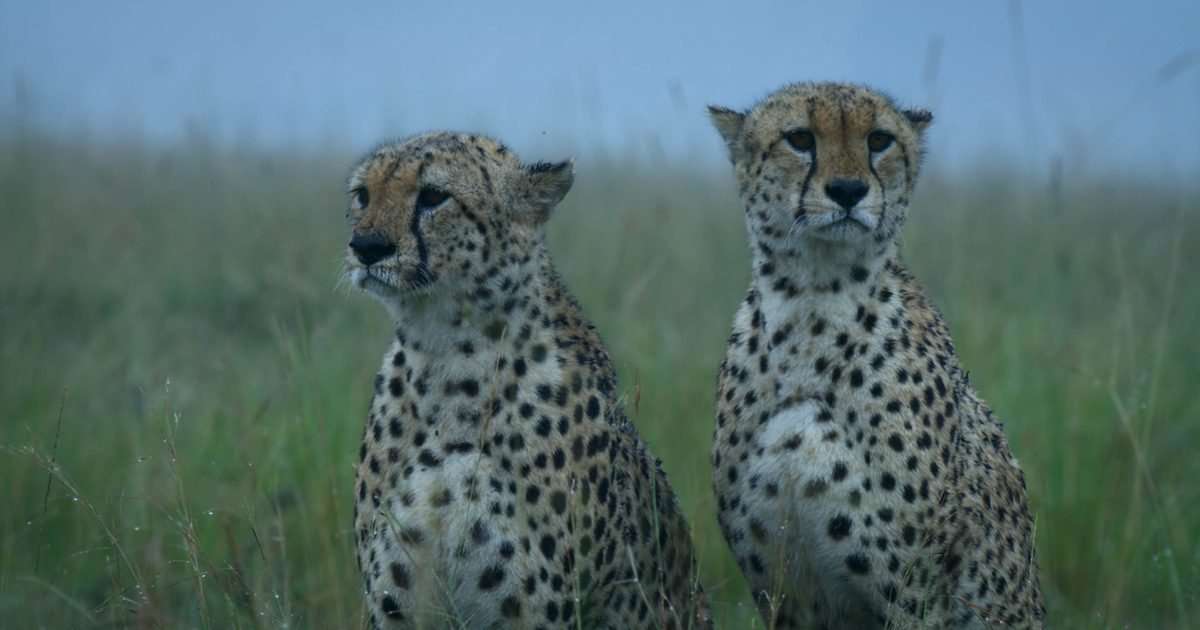
In the first episode, heavy rains have flooded a river in the Masai Mara in Kenya and two cheetahs need to cross it to reach their prey. But what they don’t realise is there is a predator hunting them in the process. Crossing and swimming through a river in such torrential weather isn’t something they are evolved for, but needs must.
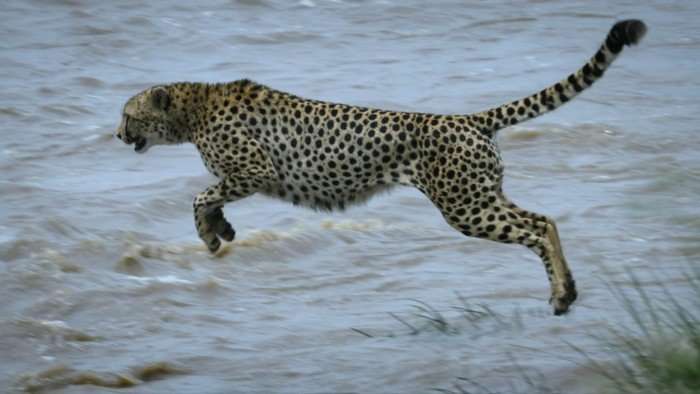
“Cheetahs are territorial,” Illis explained. “Their territory is their territory, and when it’s dry, they can sort of hop across any sort of trickle of water. That’s fine. But when you get the level of floods that people have been having recently, in the Masai Mara, then suddenly that little trickle turns into a raging torrent, but they still have to cross, and they don’t like swimming, and you can really see it on their faces.”
Simon Muriel, who is the producer behind the first episode, added: “They cross the river a few times during the course of the season, but it was amazing to see them swimming like that. They’re just so slender and densely boned, [and] it doesn’t look like they could swim at all. They have such thin little legs, but they managed to get across. I mean, it’s unbelievable.”
With a crew having spent months in the Masai Mara, it was, at times, easy to spot where the animals would be, but the main difficulty lied with predicting the weather.
Illis continued: “When you get those torrential downpours, it just makes everything so dark anyway. Modern cameras are remarkable at what they can do [and] cope with that low light, but there is still a limit.
“So it’s the time in the field, and that was something that we discussed a lot with all of the stories, but this one it really paid off, and actually using local, [an] in country camera team as well, just allows you to spend that much more time. It doesn’t mean that we have to have the whole team out there the whole time, but we just know there’s a Masai Mara based cameraman who can go when it’s raining in the daytime, find the cheetahs, hopefully something might happen.”
But rain isn’t the only extreme weather crews faced, with major heatwaves also proving particularly difficult, striking a chord with those across the nation tuning in amidst the recent summer heat.
At the time of reporting, the UK has experienced three heatwaves this year, with parts of England enduring over two weeks of heatwave conditions and some central areas experiencing the longest dry spell since 1997.
But we aren’t the only ones facing extreme heat, with chimpanzees in Senegal experiencing the worst drought the country has seen.
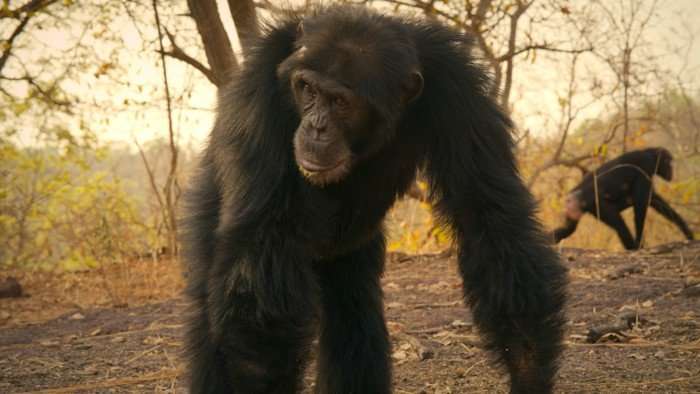
Muriel added: “I was only out there for a couple of weeks, the team were out there for a long time, and that just gets to be an absolute grind when you’re carrying everything with you, including 15 litres of water, and you’re walking 20k a day following them in over 40 degrees. It can be a killer.”
While there are moments of hope in the series, it was important for the filmmakers to ensure “we don’t just say everything’s going to be okay if they tough it out because that’s not the case”.
“We made a conscious decision to introduce human stories into the animal stories at certain points,” Illis explained.
“So in our Melting Worlds episode, which is the one about cold adapted animals, one of the big stories is the snow leopards in the Himalayas. So they can’t go higher than a certain point because the air is too thin. So they’re coming lower, and as they get lower, the villagers are coming higher because it’s possible for them to farm at higher heights because there’s less snow.
“So you’re getting this sort of animal-human interaction in a way that historically wasn’t there, and we filmed a snow leopard astonishingly actually going for a stray dog in one of the villages, which we were not expecting, and that’s something that you couldn’t even dream of, let alone plan for.
“And then we filmed it being rescued and then released to a place away from humans and other males, and that was a really important story to tell because it’s one of the things that we’re getting with climate change is increased animal-human interaction. The leopard, we filmed it at night time, coming right up close to the humans.
“So that’s becoming more of a factor for the modern world. So we didn’t want to shy away from that. So I think that’s a slightly unusual take for a blue chip natural history series. But I think we all felt it was important to say that it’s not a case that everything’s going to be okay because it won’t be for everything, and it’s important to reflect that.”
Want to see this content?
This page contains content provided by Google reCAPTCHA. We ask for your permission before anything is loaded, as Google reCAPTCHA may use cookies and other technologies. To view this content, choose ‘Accept and continue’ to allow Google reCAPTCHA and its required purposes.
Force of Nature begins on Sunday 26 July at 7pm on ITV1 and ITVX.
Check out more of our Documentaries coverage or visit our TV Guide and Streaming Guide to find out what’s on. For more TV recommendations and reviews, listen to The Radio Times Podcast.