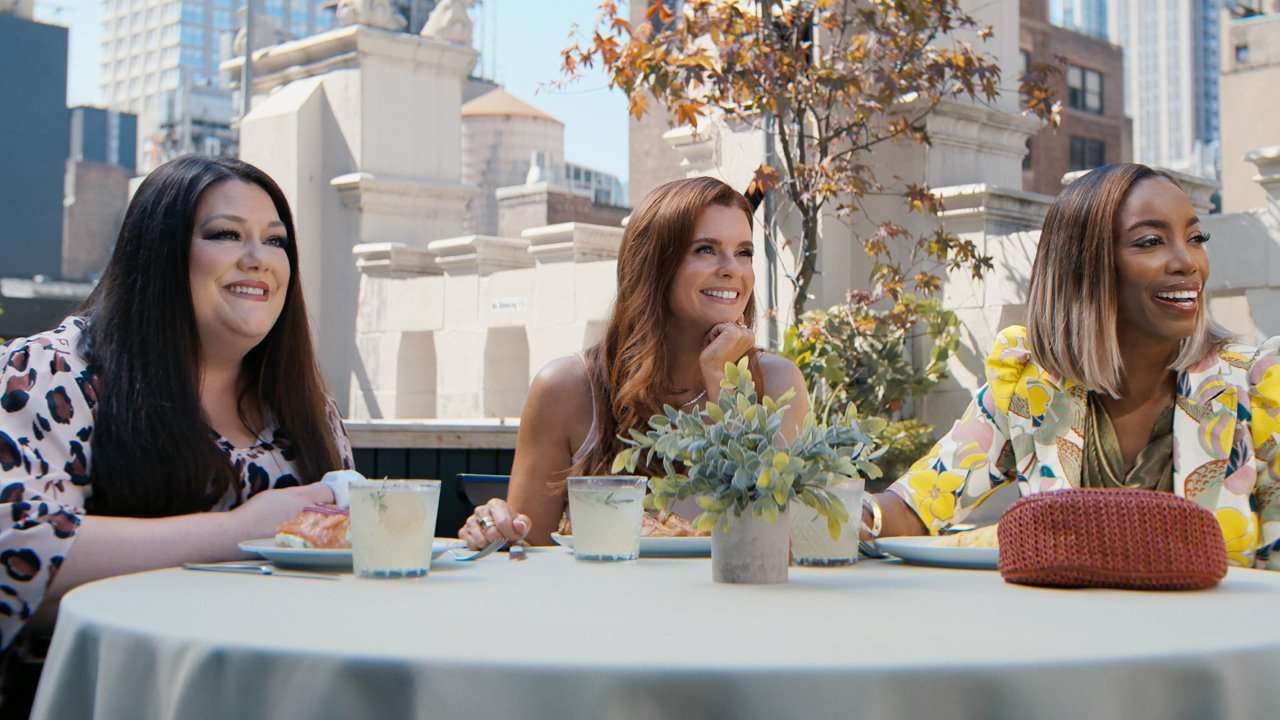
Former Love Is Blind UK participants Catherine Richards and Jake Singleton-Hill have raised welfare concerns about their time on the reality series.
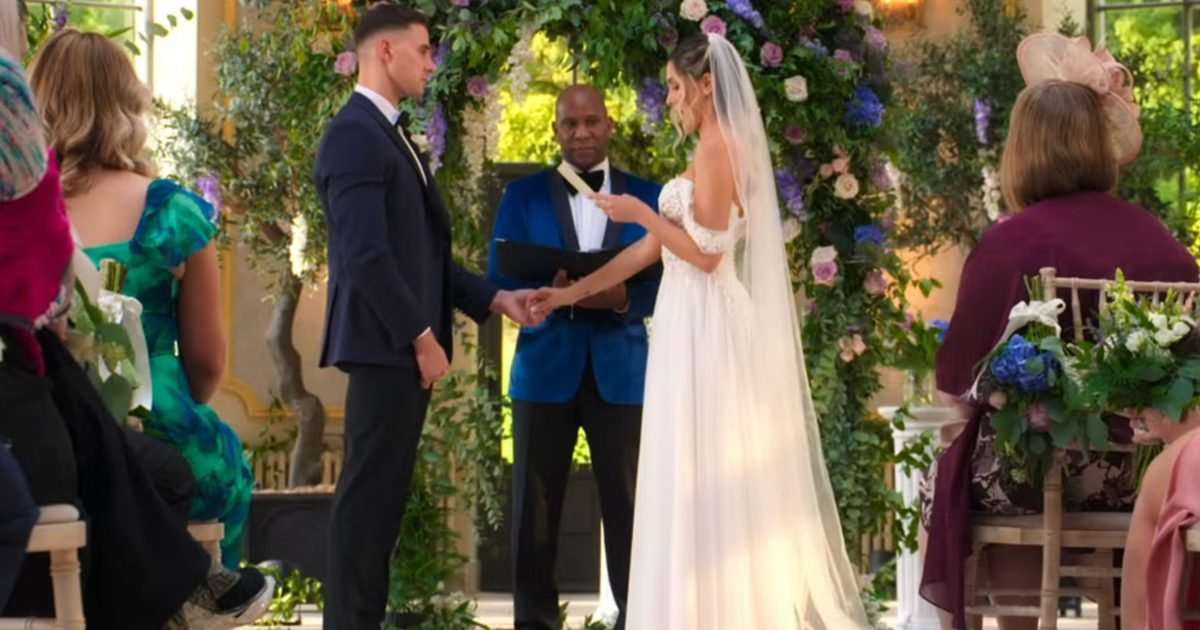
This comes after a BBC Panorama investigation about Married at First Sight UK saw one woman accuse her on-screen partner of sexual misconduct while on the show, while two other anonymous women alleged they were raped.
All three men accused denied wrongdoing and Channel 4 boss Priya Dogra has apologised. An external review into contributor welfare on the show was ordered back in April following “very serious allegations of wrongdoing against a small number of past contributors”.
MAFS is produced by CPL Productions, the UK production company that also makes Love Is Blind UK.
Richards alleges that welfare workers on Love Is Blind shared confidential details about her experience to the show’s producers, which she claims were then used to create potential storylines on the series.
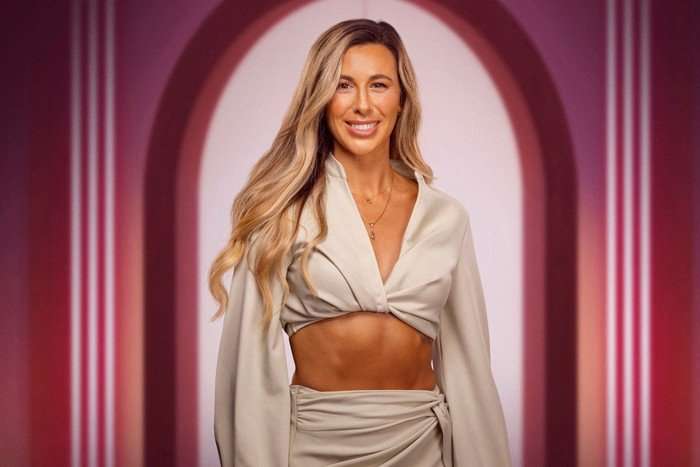
“We’re puppets to them,” Richards told Deadline. “They say [there is] welfare, but it’s not welfare. They work for production, and they need storylines.”
Participants are told before filming that the welfare team will flag issues to producers, and therapy is also available to participants during production, providing a confidential space for them to reflect on their experience.
A spokesperson said (via Deadline): “Our rigorous welfare and psychological care processes were clearly communicated to all contributors in advance and adhered to rigorously throughout the production. A strict distinction was maintained between production welfare, which escalates concerns when necessary, and fully confidential, independent psychological support.”
Radio Times has reached out to CPL Productions for further comment.
Richards claimed that she told welfare about an argument she had with her on-screen partner, Freddie Powell, before cameras then showed up at their accommodation.
She said: “I remember standing on the canal at Camden … they would ask me questions, and I was like, ‘I refuse to talk because I know you’re trying to get a storyline out of me. I just went to the welfare team because I just wanted to talk, and now this is a storyline that will create hate when this comes out on TV.'”
Singleton-Hill, who also appeared on season 1 and is now in a relationship with Richards, spoke about his own experience with the welfare team: “They make you feel like it’s a safe space, but they use it as ammunition”.
He added: “It’s a really toxic environment… they don’t have your best interests at heart, they just want to make the best dramatic show they can.”
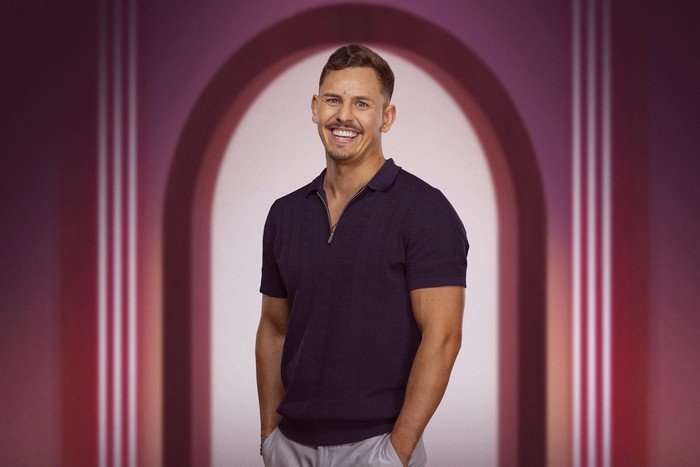
A spokesperson for Netflix told Radio Times: “The physical and psychological wellbeing of all contributors is paramount. We are confident that the most robust and comprehensive protocols are in place and that we act promptly and appropriately whenever concerns are raised.
“On any new or returning series we constantly review and, where necessary, improve the procedures we have in place to ensure the utmost care is being taken of our contributors.”
At the end of season 1, Richards did make it to the altar but was left jilted by Powell, who couldn’t go through with the marriage.
The former Love Is Blind participant said she was left “distraught” for months after the wedding and “couldn’t see the light of day”.
She told the publication she was able to access online therapy providing through the show, but claimed they weren’t “deep” conversations and she ultimately paid for private therapy.
A CPL spokesperson said: “Comprehensive safeguarding was implemented at every stage, including pre-filming background and psychological checks, daily on-set welfare monitoring, consent-led filming, and ongoing access to support both during and after broadcast. This provision is standard industry practice, funded within the production budget, independently delivered, and consistently applied in line with established duty-of-care protocols.”
A Netflix spokesperson added: “Contributors receive regular, proactive check-ins from a dedicated welfare team and independent psychologists throughout the process, including after the show has aired. They are also given guidance and support that escalates depending on the severity of any threats received.”
Want to see this content?
This page contains content provided by Google reCAPTCHA. We ask for your permission before anything is loaded, as Google reCAPTCHA may use cookies and other technologies. To view this content, choose ‘Accept and continue’ to allow Google reCAPTCHA and its required purposes.
Check out more of our Entertainment coverage or visit our TV Guide and Streaming Guide to find out what’s on. For more TV recommendations and reviews, listen to The Radio Times Podcast.