AI in hollywood is no longer just en experiment.
The Hollywood argument over whether AI belongs in film and television production may already have been overtaken by reality. Netflix has confirmed that its creative partners used generative AI workflows across roughly 300 titles in 2026, with the largest concentration of work happening during post-production.
Keep in mind this number describes AI-assisted production workflows and not 300 completely machine-generated films and shows. Regardless, it does show how quickly the technology has moved beyond isolated experiments.
Netflix is using AI where productions hit their limits
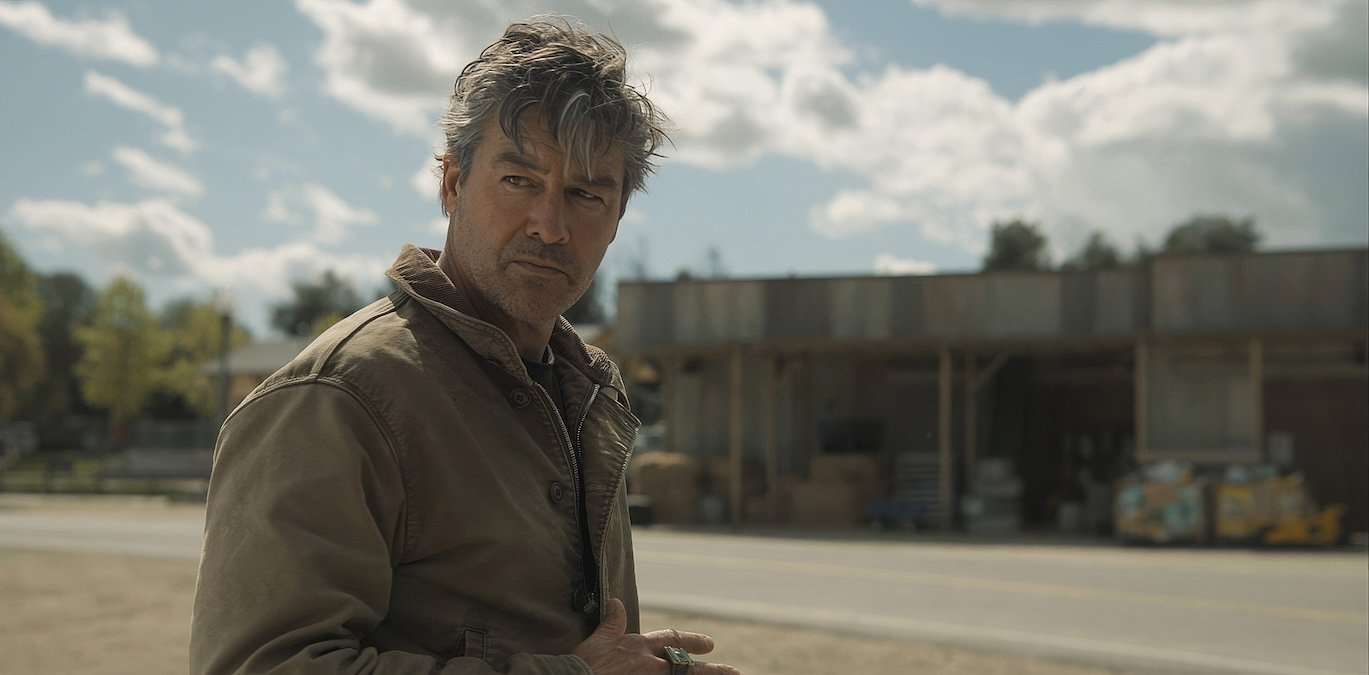
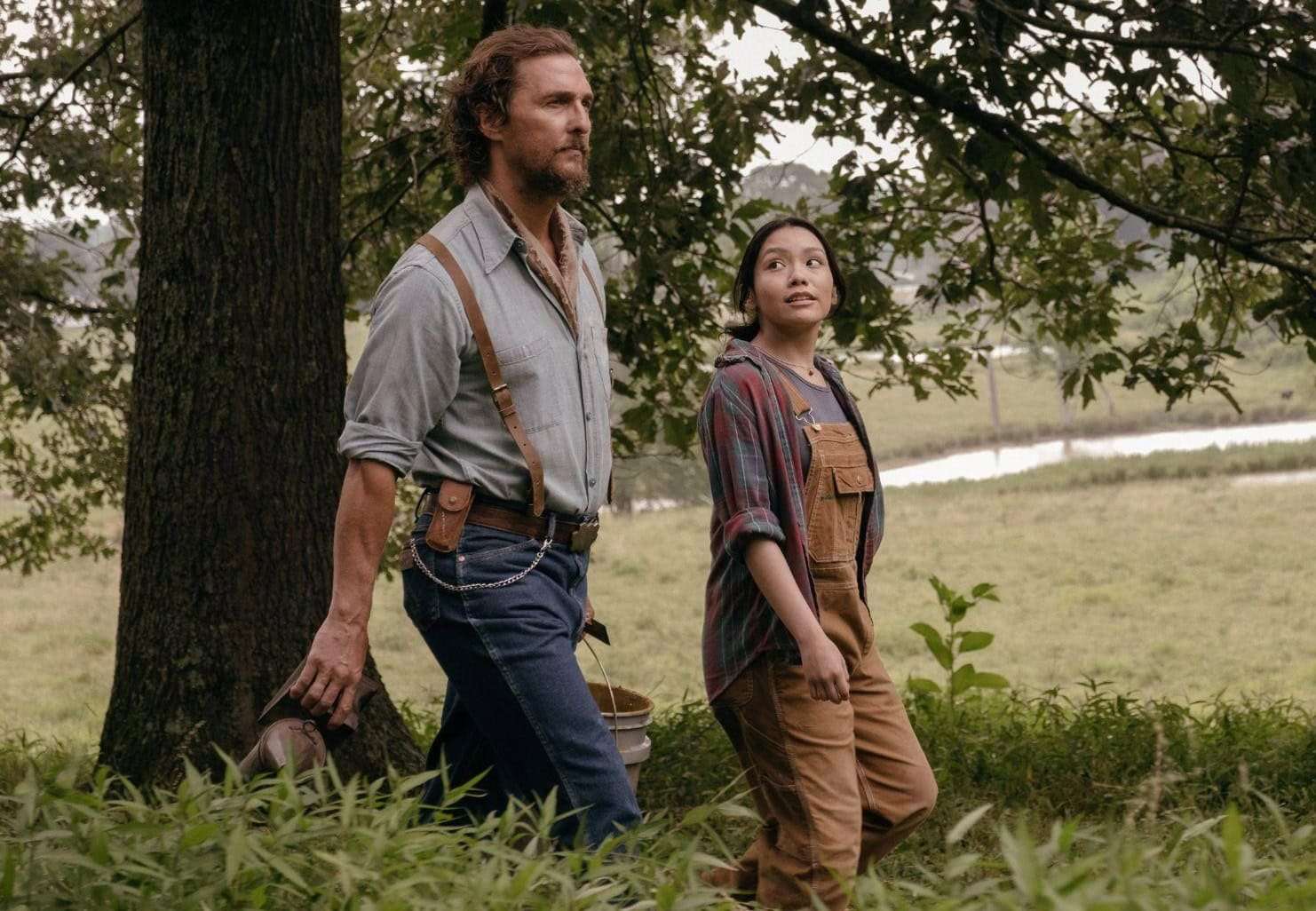
The streaming company highlighted three productions in particular. This includes the Indian title Glory, Brazil’s Brasil 70: A Saga do Tri, and the American documentary series The American Experiment. In each of these projects, generative AI was used to create or enhance crowds, historical battles, and help in establishing shots used to build larger fictional and historical environments.
Netflix co-CEO Ted Sarandos said The American Experiment contains 17 minutes of AI-enhanced footage. Those sequences were reportedly produced twice as quickly and at half the cost of previous options. Without using AI tools, some of the affected scenes would have been removed entirely because their budgets and schedules could not accommodate conventional production methods.
Another thing to note is just how quickly the scale of adoption has grown. In 2025, Netflix publicly identified a building-collapse sequence in The Eternaut as its first generative AI footage to appear in a final production. Eyeline Studios completed that effect around 10 times faster than conventional visual-effects methods, according to Sarandos. And just a year later, AI workflows are appearing across hundreds of titles.
The debate has moved beyond whether Hollywood will use AI
Netflix stated that the technology now assists with concept development, previsualization, and much more. The company operates Eyeline, an animation lab, and recently acquired InterPositive, the filmmaking-focused AI company co-founded by Ben Affleck. Sarandos expects savings generated through these workflows to be reinvested in additional programming.
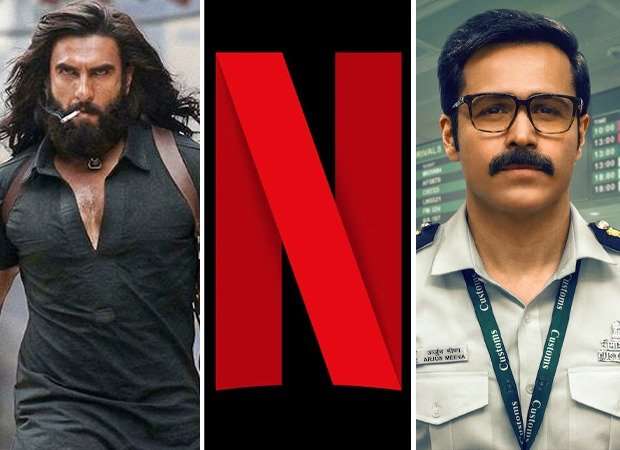
The company has also established guardrails for production partners. Intended AI use must be disclosed to Netflix, while final footage, talent likenesses, personal data, and third-party intellectual property can require written approval. Its guidelines prohibit generating or replacing performances and union-covered work without consent and appropriate agreements.
So it’s safe to say that generative AI has already entered mainstream film and television production. Hollywood’s next fight will concern who controls it, who benefits from the savings, and whose work disappears along the way.

Vikhyaat Vivek is a tech journalist and reviewer with seven years of experience covering consumer hardware, with a focus on…
Spotify’s new conversational AI can play tracks you request and answer your music questions
A ChatGPT-like AI feature is coming to Spotify for music requests and listening-history questions
Spotify is rolling out a new AI-powered conversational feature that lets Premium users talk directly to the app about what they want to hear. Users can type or speak a request and refine the results through follow-up questions instead of manually searching for a song, podcast, or audiobook.
The feature is available from Spotify’s Home and Now Playing screens and works much like a personal audio assistant. It can choose what plays, answer questions about the current track or album, recommend something new, and look through your listening history to provide more personalized responses.
Christopher Nolan’s personal take on smartphones is surprisingly practical
Christopher Nolan says not owning a smartphone helps him think better
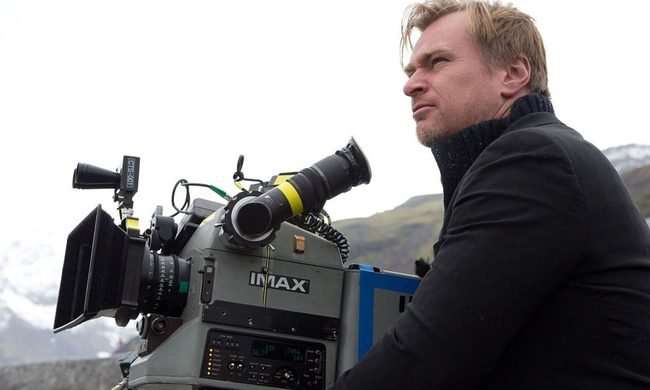
Christopher Nolan has spent his career embracing cutting-edge filmmaking technology while resisting one of the most common gadgets on the planet: the smartphone. The Oscar-winning director behind Oppenheimer, Inception, and the upcoming The Odyssey says his decision isn’t about rejecting technology altogether. It’s about protecting something he believes has become increasingly rare – time to think.
In an interview with The Telegraph ahead of the premiere of The Odyssey, Nolan explained that he still doesn’t own a smartphone, despite living in a world where QR codes, digital tickets, and messaging apps have become everyday necessities. His reasoning, however, is far more practical than philosophical.
Letterboxd could find a new home at Netflix, but Sony is fighting for it, too
Netflix wants Letterboxd, but Hollywood isn’t letting it go without a fight
Letterboxd, the fast-growing social network for film lovers, could soon have a new owner. According to a report by Puck News, the New Zealand-based platform has been exploring a potential sale, attracting interest from several major entertainment companies, including Netflix, Sony Pictures Entertainment, and Paramount Skydance.
While no deal has been confirmed, the discussions highlight how valuable online fan communities have become as streaming platforms compete not just for viewers, but also for the audiences that influence what people watch next.