❚ We may earn commission from links on this page. Our editorial is always independent (learn more).
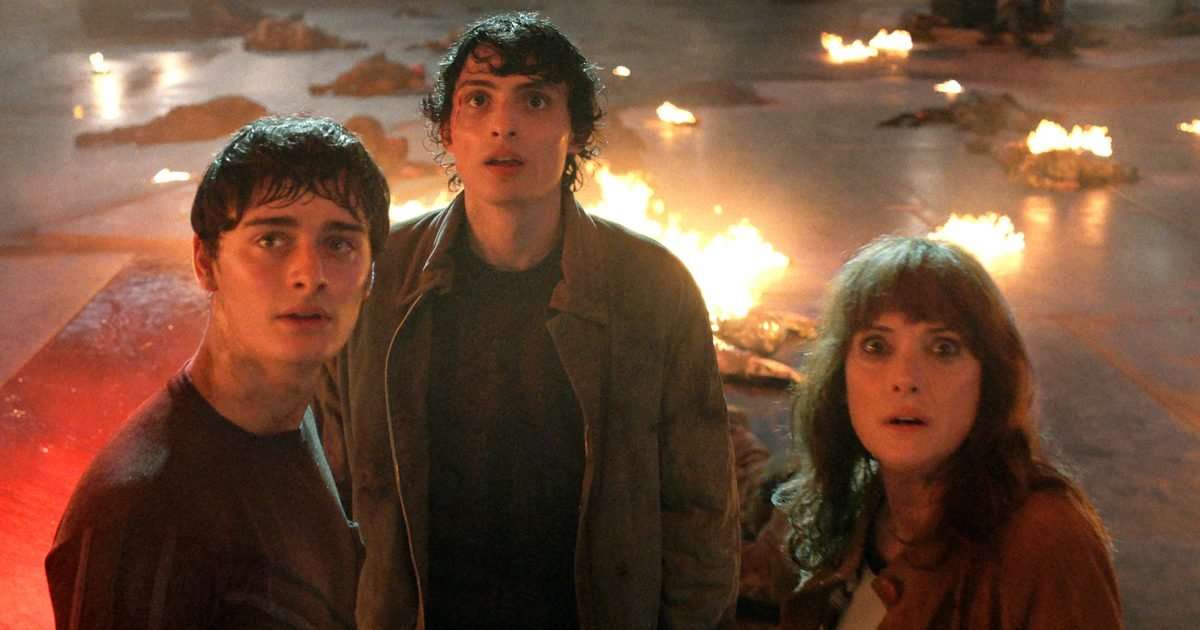
The gap between new seasons of modern TV seems to be getting longer and longer, and it’s not just in your imagination.
New research conducted by Ampere Analysis has found that the gap between new seasons of TV shows has almost doubled from 12 months in 2020 to 21 months in 2025.
The report spotlights Netflix’s Stranger Things, which released its first three seasons between 2016 and 2019 but then made viewers wait until 2022 for a two-part season 4 and 2025 for three-part season 5, as part of this trend.
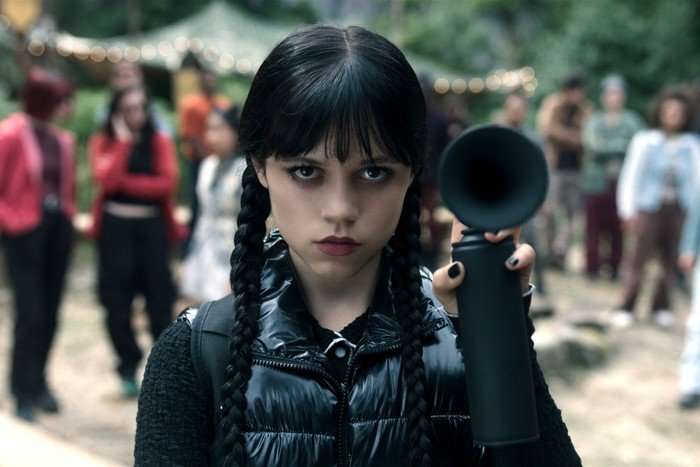
Also highlighted in the report is Netflix’s Wednesday, which had a 3-year hold-up between seasons 1 and 2, and Apple TV’s Severance, which had a 35-month gap – almost three years – between the first two seasons.
The report notes that the average gap between seasons of scripted originals was just 10 months back in 2016, rising to 16 months in 2021 and 21 months in 2024 and 2025.
Prior to 2016, it was the industry norm for shows to have a gap of less than a year between seasons.
Fans might have negative opinions regarding increasingly long hold-ups, but the report notes that these waits don’t necessarily impede viewer engagement.
In fact, shows with gaps of more than 30 months between seasons – such as Wednesday and Stranger Things – had the highest engagement in the premiere month of the new season.
The report does highlight the risk associated with having large gaps between seasons – 54 percent of respondents to a survey by the firm said they would be likely to cancel a service subscription due to long waits for content.
“Many original shows build highly dedicated audiences that remain loyal despite increasingly long waits between seasons,” said Christen Tamisin, Senior Analyst at Ampere Analysis in a statement.
He added: “However, streamers need to balance blockbuster production timelines against a steady flow of content. Extended gaps may generate anticipation around flagship titles, but they can also encourage audiences to cancel subscriptions and return only when major shows are back on screen.”
If you’re looking for something to watch tonight, check out our TV Guide and Streaming Guide or visit our Film hub for all the latest news. For more from the biggest stars in TV, listen to The Radio Times Podcast.
Authors

Molly Moss is a Trends Writer for Radio Times, covering the latest trends across TV, film and more. She has an MA in Newspaper Journalism and has previously written for publications including The Guardian, The Times and The Sun Online.