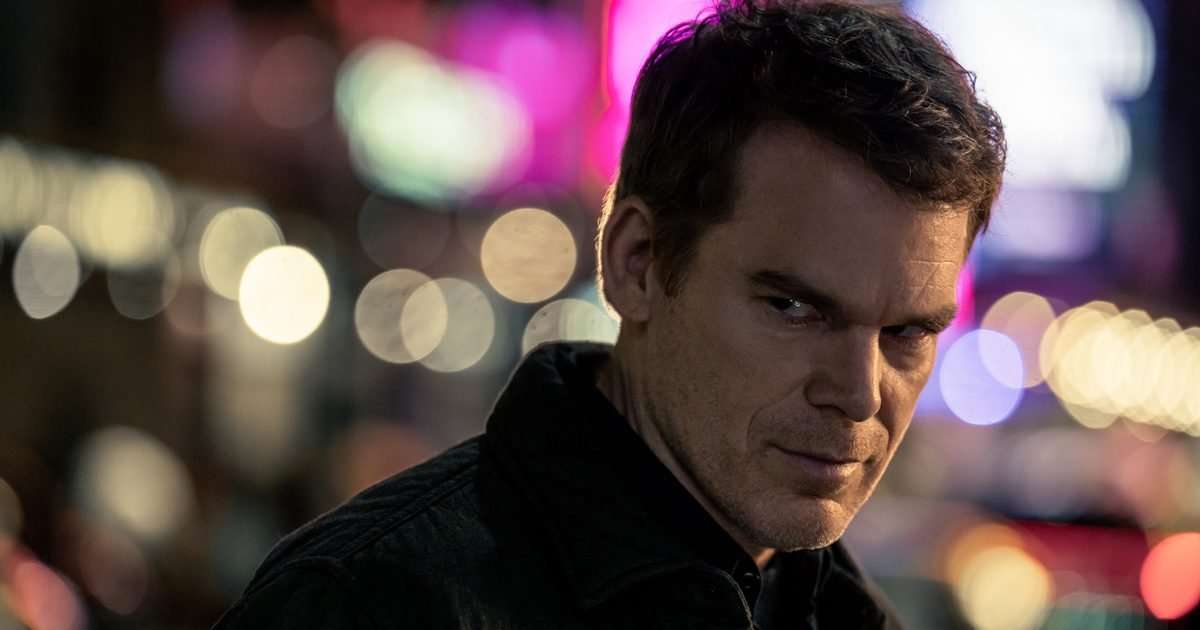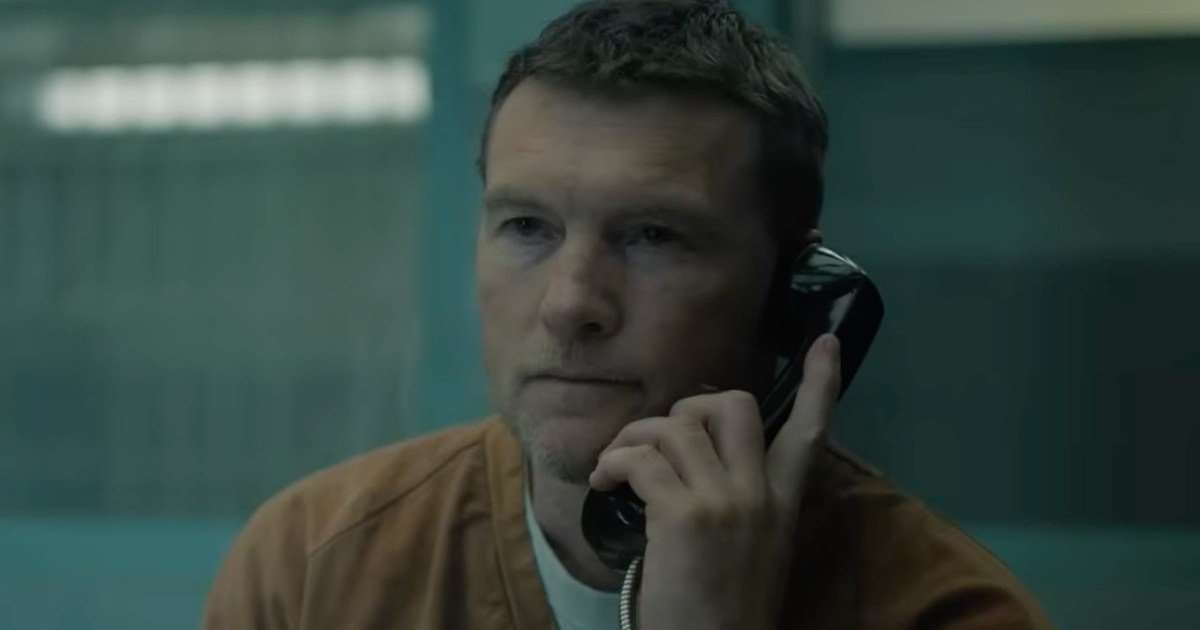
On the surface, the TV landscape of 2026 appears to be serving the LGBTQ+ community relatively well. Russell T Davies has just headed back down Canal Street for Channel 4 drama Tip Toe. Half Man is a bold and quite frankly terrifying exploration of a brotherly bond that turns psychosexual. And Heated Rivalry has spawned the kind of obsessive fandom usually reserved for boybands. But dig deeper than the popcultural discourse and the representation is becoming thinner than the latter’s plot.
According to a newly published study by advocacy group GLAAD (Gay & Lesbian Alliance Against Defamation), the cinema of 2025 stooped to a three-year low in LGBTQ+ inclusivity, with only 46 of the 225 films analysed – just 20.4 per cent – significantly representing the community. Unfortunately, the picture is similarly bleak on the small screen.
That followed on from GLAAD’s annual report, published last November, which determined that at least 41 per cent of the 489 queer-identifying characters across the streaming world and American broadcast TV would completely disappear from screens over the following year.
In certain cases, this was due to a series cancellation (Sex Lives of College Girls, Mid-Century Modern). In others, it was a show’s natural end (Somebody Somewhere, Heartstopper). And then there were those which fell victim to the trope of Bury Your Gays (see the fatal carriage accident in The Gilded Age).
Furthermore, according to the metrics used in an independent study conducted by J Birch – the founder of media activist initiative #SaveQueerStories – LGBTQ+-inclusive programmes were twice more likely to be prematurely canned, and typically in a quicker fashion too.
Want to see this content?
This page contains content provided by Google reCAPTCHA. We ask for your permission before anything is loaded, as Google reCAPTCHA may use cookies and other technologies. To view this content, choose ‘Accept and continue’ to allow Google reCAPTCHA and its required purposes.
“My best guess is that queer shows are held to a different performance standard than non-queer shows,” Birch suggested to News Is Out. “A non-queer show can achieve good viewing numbers and move on to another season or more, but queer shows must achieve viral success or else they’re dropped.”
Nowhere is that more apparent than Netflix’s biannual Engagement Report, which showed that Boots, the critically acclaimed drama (90% on Rotten Tomatoes) about a closeted gay teen attempting to navigate the macho world of a military boot camp, pulled in more viewers than the latest seasons of heteronormative originals The Witcher, The Diplomat and Nobody Wants This. Guess the only one of the four the streaming giant cancelled?
Elsewhere, Starfleet Academy, the Star Trek spin-off which featured the first openly gay Klingon, unboldly went where many queer-adjacent shows had gone before after just a single season of outer space action. Another gay-friendly sci-fi spin-off, The Boys-spawning Gen V, was also put out to pasture a month later. And Spanish drama Olympo, sitcom English Teacher, young adult horror Goosebumps and social satire Palm Royale, all of which featured prominent LGBTQ+ characters, have all been given the chop too.
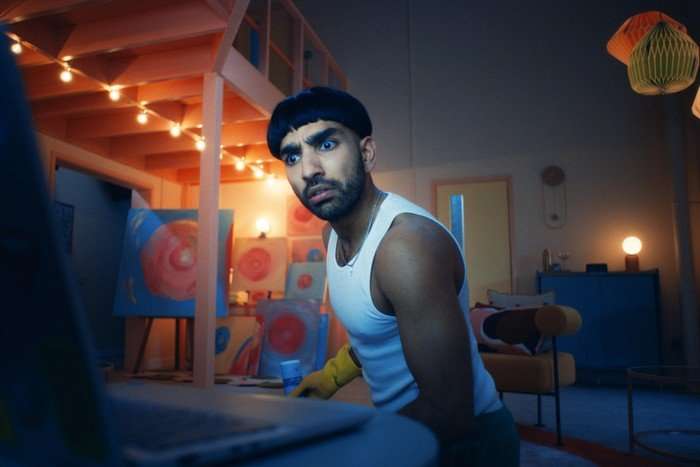
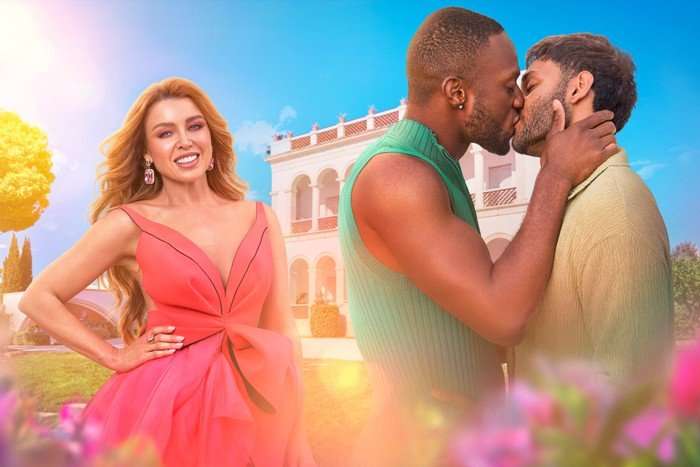
There’s also been a reduction of visibility on UK terrestrial TV. For example, Mawaan Rizwan’s surreal comedy Juice – the rare LGBTQ+ show also fronted by a person of colour – has now bowed out after two seasons. The only two characters to lose their lives in ITV’s minibus crash crossover Corriedale? The gay serial killer and the gay vicar. And the BBC recently revealed it was permanently sending I Kissed a Boy and its female equivalent – the UK’s first and still only same-sex dating show – home from the masseria.
It’s a shift which seems out of step when you consider that approximately 23 per cent of American Gen-Zers now identify as LGBTQ+. So what gives? Well, the industry’s support for diversity, equity and inclusion initiatives appears to have weakened since President Donald Trump’s re-election, with executives seemingly unwilling to fight against the US commander-in-chief in the culture wars.
Boots, in particular, is speculated to have been a major casualty of the current administration’s pushback. Speaking to Variety, Netflix boss Ted Sarandos has insisted the drama’s surprise cancellation was purely a business decision.
However, with Pentagon Press Secretary Kingsley Wilson describing the show as “woke garbage” during the period in which Netflix was pursuing its ultimately unsuccessful bid for Warner Bros Discovery’s streaming and studio assets, some industry commentators – including Variety’s Michael Schneider – have questioned whether politics played a part.
While the Boots cast and crew have been largely diplomatic about the show’s premature end – the strongest form of protest came with writer Greg Cope White’s angry emoji – others have been more vocal about the trend.
“I’ll let you guys come to your own conclusions as to why we didn’t get to continue building on this wonderful legacy,” remarked Gina Yashere, aka Starfleet Academy’s queer cadet master Lura Thok, in a pointed Instagram post. She went on to implore fans to “Stay woke. Wokeywoke. Wokest of the woke. Wokeyliscious. A cacophony of woke.”
A number of explicitly trans-inclusive shows have also been cancelled. 9-1-1 Lone Star, Kaos and the Laverne Cox-starring Clean Slate have all faced the axe at a time when anti-trans sentiment is being whipped up that is entirely disproportionate to both the population and public opinion.
I Kissed a Boy/Girl might not have been particularly affected by such voices: BBC Three says that funding issues were responsible for its permanent kiss-off. But the absence of a show which promoted body positivity, explored trans rights and raised awareness of HIV isn’t a particularly great look for a youth-oriented channel. In a genre dominated by problematic shows accused of setting damaging examples to its impressionable viewers, I Kissed… is the kind of public service broadcasting the Beeb should be scouring down the back of its sofas to help keep on air.
“What we watch on TV is a mirror for how we see ourselves,” Dr Kevin Guyan, director of the Gender + Sexuality Data Lab at the University of Edinburgh, told Radio Times. “But, as a storytelling business, the TV industry is not a level playing field for what stories get told and who gets to tell them.”
Guyan also believes it’s important to look at exactly which parts of the community are being served, too. “For example, are there differences in the representation of gay men and lesbian women? Are the LGBTQ+ individuals represented on screen mostly white, young and non-disabled? If so, these depictions only offer a narrow view of queer experiences and miss out on the bigger picture.”
Take a look at any streamer’s home page recently and you’ll no doubt have found a category tying into Pride Month. But despite such rainbow flag waving, television clearly still has a lot of work to do.
Check out more of our Drama coverage or visit our TV Guide to see what’s on tonight. For more TV recommendations and reviews, listen to The Radio Times Podcast.