This article first appeared in Radio Times magazine.
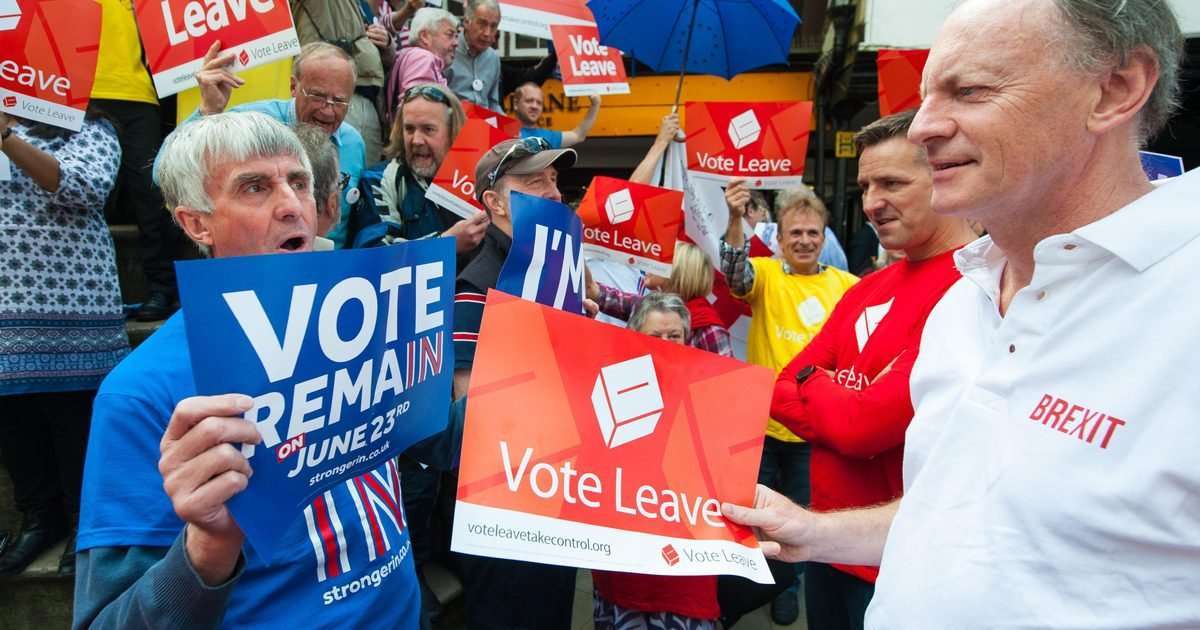
Norma Percy is an award-winning film-maker whose subjects, over 50 years, have spanned Watergate, Vladimir Putin, the Iraq War and Obama’s White House. Now, she has used her tried-and-tested technique of “talking to the people in the room when the decisions were made” to explore the febrile Brexit referendum campaign.
Brexit: a Very British Civil War reflects 13 months in which politics and the country were riven with conflict. Small wonder that, as series director Max Stern says, “some contributors told us that the interviews were like therapy sessions”. Here, Percy reveals what inspired the two-parter and how it took shape.
It’s 10 years since the UK voted to leave the EU – is that what prompted you to revisit Brexit?
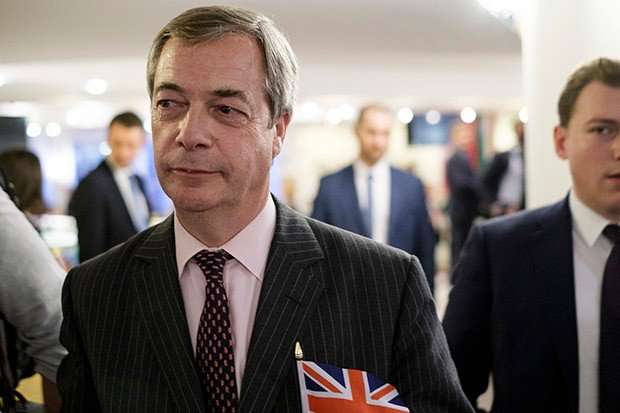
Yes, but it was a particularly good time to tell the story, because most of the main players are still alive and they remember everything. When we started, we didn’t realise how relevant it would still be, but EU membership is starting to rear its head in politics again. Our series starts with the 2015 general election, David Cameron triumphant and Nigel Farage resigning after not winning a seat. When it ends, Cameron has resigned and Farage has won. You could see it as the first chapter of Farage’s journey to today.
Some of your interviewees arouse strong feelings on all sides. How do you manage yours?
Our programmes don’t specialise in nice people and you can feel what you feel about them. We have no politics, we don’t point fingers and if people give you a good interview, you take them on their own terms. The spin can be different, but we find that people’s stories confirm each other. Even so, there’s something personal about Brexit and the EU. We try to give a multi-sided account. That’s what helps us get the interviews.
Boris Johnson’s former top adviser Dominic Cummings is the only major figure you didn’t talk to…
Oh, there’s always someone! I have this reputation for persistence, and boy, did we try. He firmly said no, in a way that… he feels that he has to control the story and he thinks everybody else lies. It’s his problem; he decided to let other people talk for him.
Did you have any qualms about including Peter Mandelson after he was sacked as ambassador to the US?
We filmed him before he was arrested, but he set up the Remain campaign, he was a former EU commissioner, a very senior Labour figure, a very compelling campaigner, and that’s what you need to know in the programme. What happened to him afterwards is really of no interest.
Want to see this content?
This page contains content provided by Google reCAPTCHA. We ask for your permission before anything is loaded, as Google reCAPTCHA may use cookies and other technologies. To view this content, choose ‘Accept and continue’ to allow Google reCAPTCHA and its required purposes.
You’ve interviewed many of these politicians previously. How have they changed?
David Cameron was much more relaxed about talking about his dealings with Putin, but this is such a personal subject for him. He found it painful – and who wouldn’t? Boris just becomes more Boris: he realised the importance of this in his life. I was really pleased with George Osborne’s account of going for the economic case against Brexit rather than talking about immigration. When he talks about bringing in an imaginary budget of how Brexit would hit people’s households and pockets, and that being the day he threw away his leadership ambitions, that was a moment. He probably wouldn’t have admitted that even five years ago.
What, for you, was the biggest revelation from the series?
The genuine indecision of Michael Gove and Boris Johnson. I had felt, probably like everybody else, that it was a political decision for them. You can question their motives, but you really feel Boris, in particular, is looking back and describing how racked he was as to which way to go. Even before he went out and talked to the press, he asked his press adviser: what should I do? I remember, we on the production team all looked at each other mid-interview when he told us, “I didn’t go for Leave in order to become prime minister, I would have been prime minister anyway.”
What subjects would you still like to cover?
Everybody wants to do Trump’s foreign policy, but it’s got to reach the right moment to tell it. I certainly hope I’ll still be making programmes when the time comes.
Brexit: A Very British Civil War airs on Monday 8 June at 9pm on BBC Two and will be available on iPlayer.
The latest issue of Radio Times is out on Tuesday – subscribe here.

Check out more of our Documentaries coverage or visit our TV Guide and Streaming Guide to find out what’s on. For more TV recommendations and reviews, listen to The Radio Times Podcast.