This article first appeared in Radio Times magazine.
“There was a terrifying whistling sound, like something had hit the school. The only thing on my mind was what happened to all the children?” Wajiheh Zakari was one of the few teachers to have survived the attack that killed 120 pupils and 26 of her colleagues at a primary school in Minab, southern Iran.
Her school was hit by precision-targeted missiles on the first day of the US-Israel war with Iran. We were the first journalists from a major western news organisation to reach the small town. In my three decades of working as a foreign correspondent covering wars, revolutions and natural disasters, the week I spent there was among the most harrowing.
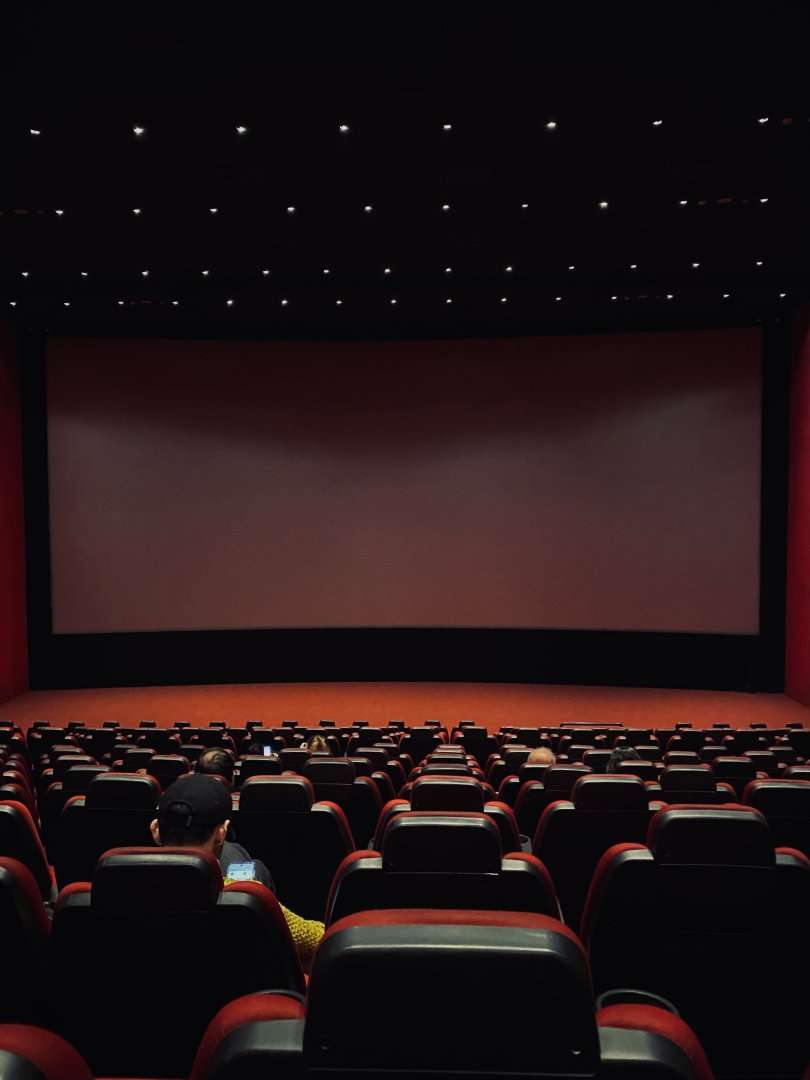
With the skies over Iran still closed to civilian aircraft, it took four days to reach Minab. Covering the tragedy from London, poring through videos and eye-witness accounts, had not prepared us. Walking through the rubble of a classroom two months later, with children’s drawings still on the walls, the enormity of this tragedy hit us.
This school should have been a place of sanctuary and yet the centre of the building was hit by at least one cruise missile, a weapon designed to destroy military bunkers and ships. The courageous people of Minab were desperate to tell the outside world what had happened and ask why? They spoke with heart-wrenching grief.
Every night, many families come to the town’s new cemetery, where most of the more than 150 dead are buried, to be with their children and seek solace in the company of others.
We met Khadijeh Ahmedizadeh, a young mother there whose son, Mohammad Taha, would have been 10 that day. They had made him a cake and sang him happy birthday. “I just want to see my son one more time,” she told me, crying.
A day later we interviewed her at home. She talked for two hours. Her son had been in the playground when the missiles began falling in the area. He had run inside, into the entrance hall. The impact crater we later filmed is in the middle of that hall.
When her son’s remains were eventually found, there was very little left of him because of the nature of the blast. His mother and her husband were eventually only given small parts of his body, identified by his DNA. “I never saw my child’s face again,” she told us. “My son was in pieces. What could I do? Who could I go and complain to?”
We left Minab with more questions than answers. How could the world’s most advanced military use precision-guided missiles to strike a primary school, and why has it not publicly accepted responsibility and published the outcome of its investigation into the tragedy? There is no doubt the missiles used on Minab were American. Silhouettes identify them as Tomahawk cruise missiles used only by the US in this war and only America was striking targets in that area that day.
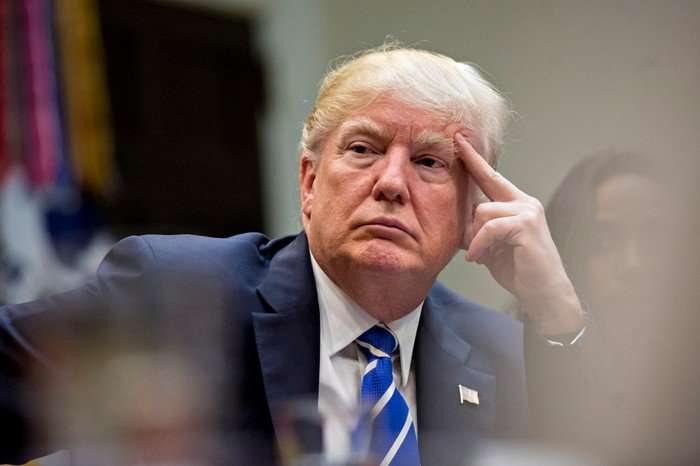
President Trump initially said that in his “opinion” Iran was to blame, without providing any evidence. Asked about video showing a US Tomahawk hitting the military base next to the school, he said, “I haven’t seen it” and claimed, without any evidence, that Iran had Tomahawk missiles.
In March, when he was asked about reports that an initial military investigation had found the US hit the school, he replied: “I don’t know about it.” After similar mass civilian casualty incidents, the US has admitted responsibility within days or, at most, a few weeks. But this time, President Trump’s administration appears to be anxious about the truth coming out.
If that is the case, its failure to admit what happened and learn the lessons of Minab only compounds the grief of the families there. America’s reputation is at stake. So are the lives of more innocent civilians. If the US administration is not prepared to learn from the mass killing at a primary school, there is every chance of more tragedies like it.
Iran School Bombing: the Search for Truth airs on Thursday 16 July at 9pm on Sky News, and will be available on Sky News’ YouTube.
The latest issue of Radio Times is out on Tuesday – subscribe here.
Read more of our Current Affairs coverage or visit our TV Guide and Streaming Guide to find out what’s on. For more TV recommendations and reviews, listen to The Radio Times Podcast.