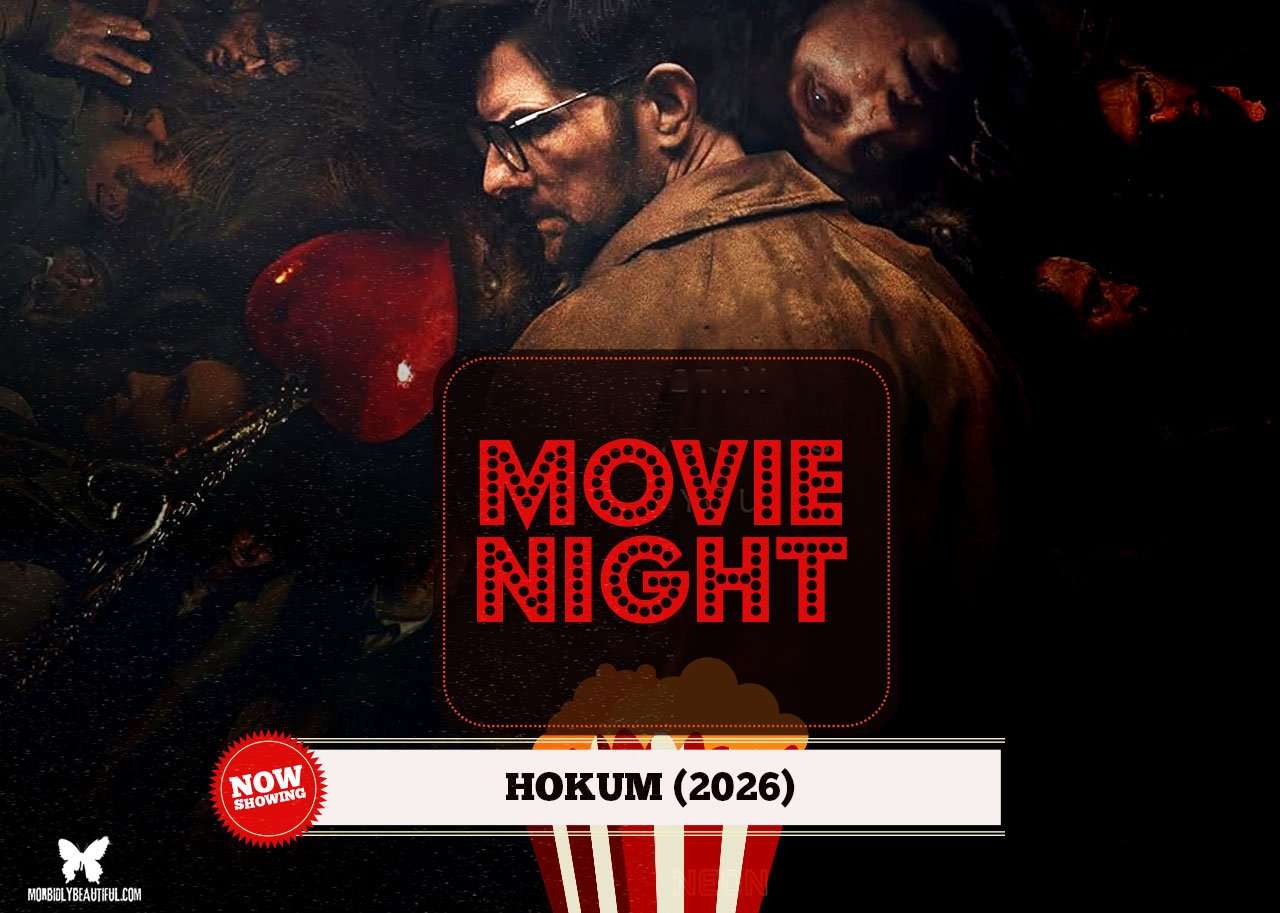
Damian Mc Carthy’s “Hokum” is a haunting, atmospheric horror film blending Irish folklore with psychological grief—one of the year’s best.

No time to read? Click the button below to listen to this post.

MORBID MINI: SXSW hit Hokum cements Damian Mc Carthy as a modern horror master. Read our review of this dread-soaked, character-driven descent into grief and folklore.
Damian Mc Carthy doesn’t just make horror films; he engineers unease.
With Hokum, the Irish auteur continues his steady ascent as one of the most distinctive voices in modern genre cinema, delivering a work that feels at once intimate, mythic, and quietly devastating.
Following the creeping dread of Caveat and the nerve-rattling splendor of Oddity, Mc Carthy once again proves he’s a master of atmospheric tension and terrifying Irish folklore.
With his third film, the rising filmmaker raises the bar for technical brilliance and the uncanny ability to induce nightmares through simple but remarkably effective scares.
On paper, Hokum sounds disarmingly straightforward.
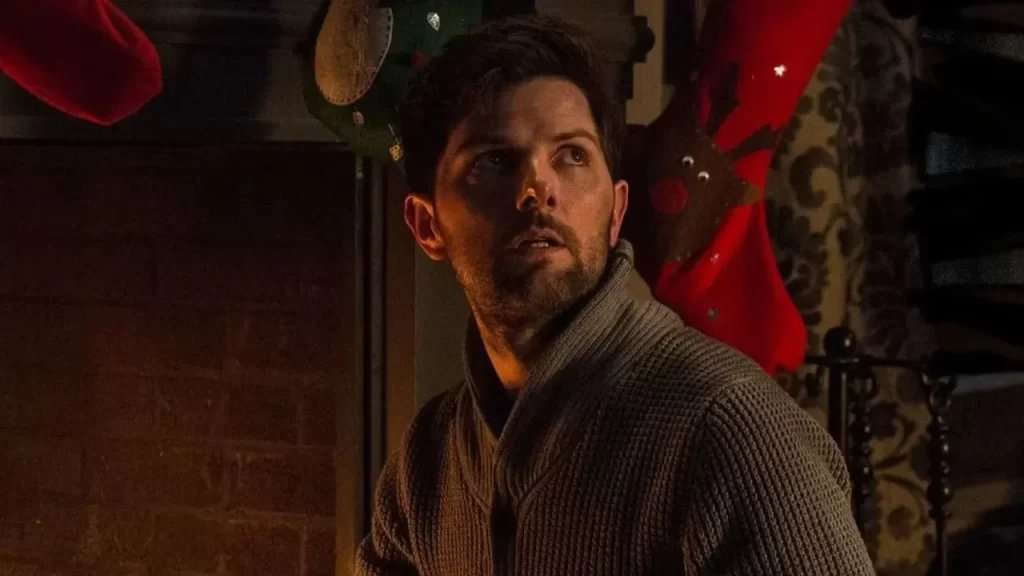
Ohm Bauman (Adam Scott), a pompous American horror novelist, retreats to a dilapidated Irish inn to scatter his parents’ ashes and shake himself free from a stubborn case of writer’s block. When the inn’s staff warns him about a long-sealed suite tied to a local legend of a spectral witch rooted in Irish folklore, Ohm quickly dismisses it as nonsense. As “hokum.”
But when Fiona (Florence Ordesh), a kindly member of the hotel staff, goes missing, Ohm finds himself pulled into a mystery he can’t ignore, unlocking doors that were never meant to be opened.
From there, Mc Carthy begins his slow, suffocating descent.
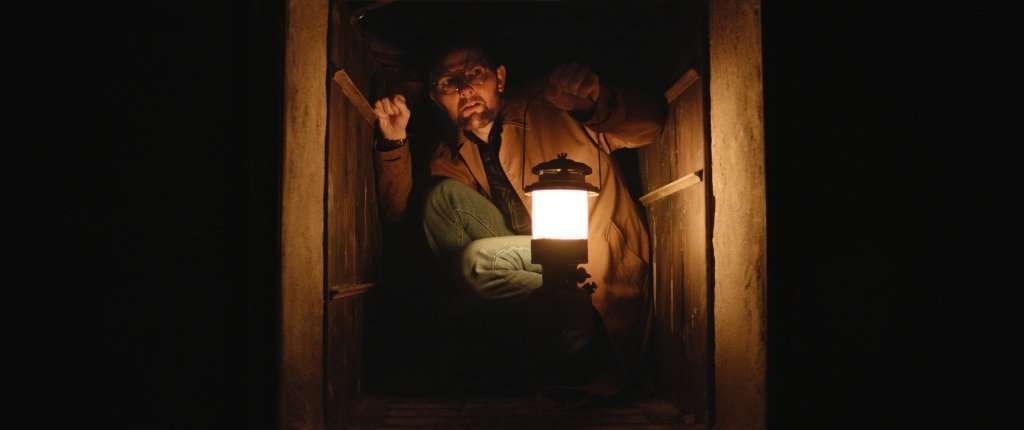
The film gradually erodes the boundary between folklore and psychological trauma, causing its complicated protagonist (and, by extension, the audience) to slowly unravel.
What makes Hokum so effective isn’t just its premise, but the way Mc Carthy builds pressure with masterful precision.
This is classic, old-school horror that doesn’t try to reinvent the wheel, yet it’s devastatingly effective in its simplicity.
Mc Carthy relies on the basics to unmoor his audience, and those basics sizzle: a deeply eerie atmosphere, a sense of dread that tightens like the crank of a jack-in-the-box, perfectly placed dark humor, a riveting mystery, and ghosts that haunt in more ways than one.
On a technical level, Hokum is firing on every cylinder.
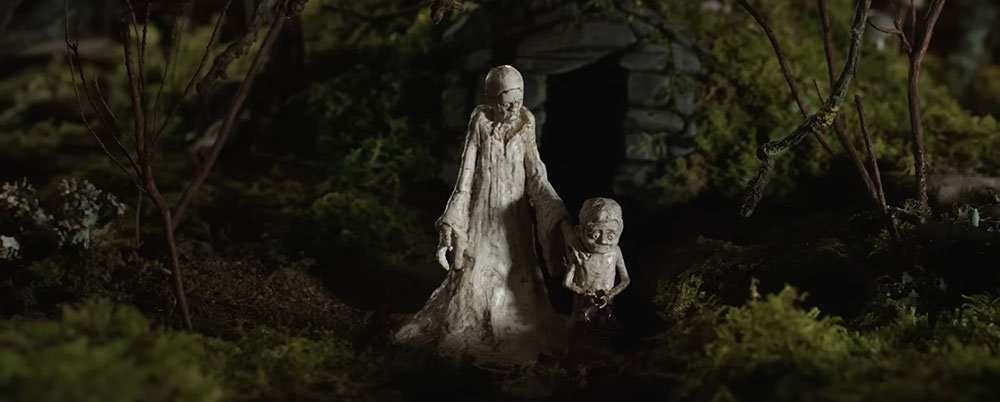
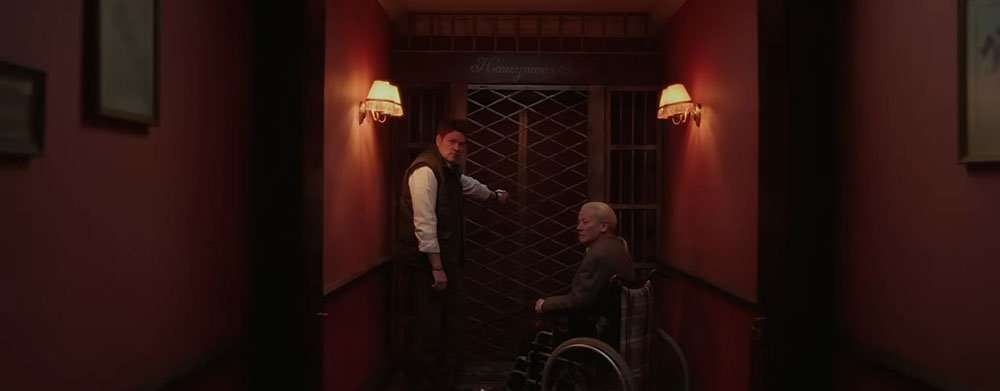
The cinematography takes center stage, embracing the creeping shadows without sacrificing any of the pristine quality or visibility. The impressive sound design amplifies the horror in a big way. The production design dazzles, with meticulous attention to detail.
The inn itself becomes a character, feeling simultaneously grounded in reality and otherworldly, like a memory you can’t quite trust.
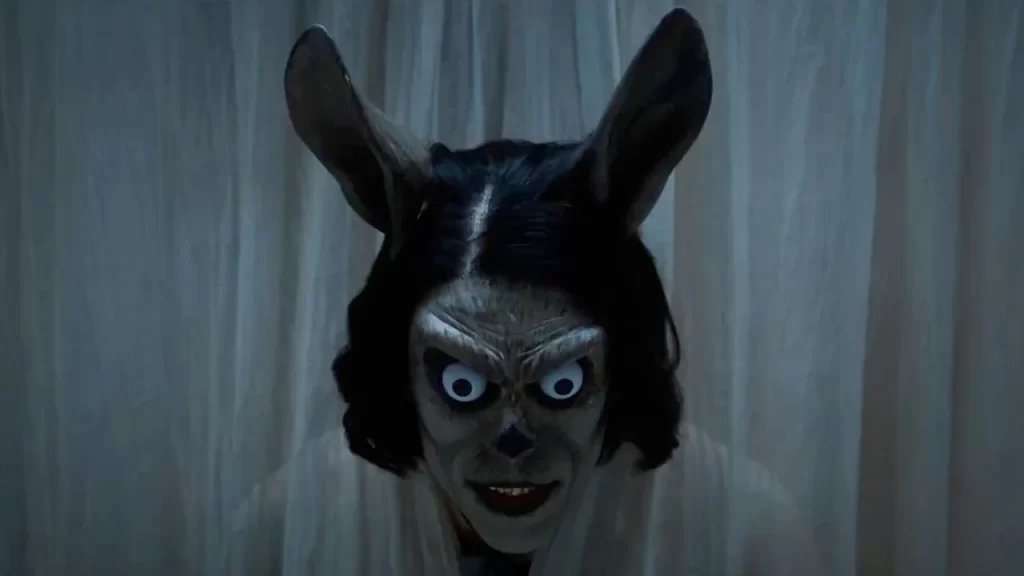
And then there are the unforgettable visuals, a signature of Mc Carthy’s work. Like the infamous rabbit in Caveat or the unnerving mannequin in Oddity, Hokum introduces a singular terror that’s sure to haunt viewers long after the credits roll.
What truly anchors the film, though, is Adam Scott.
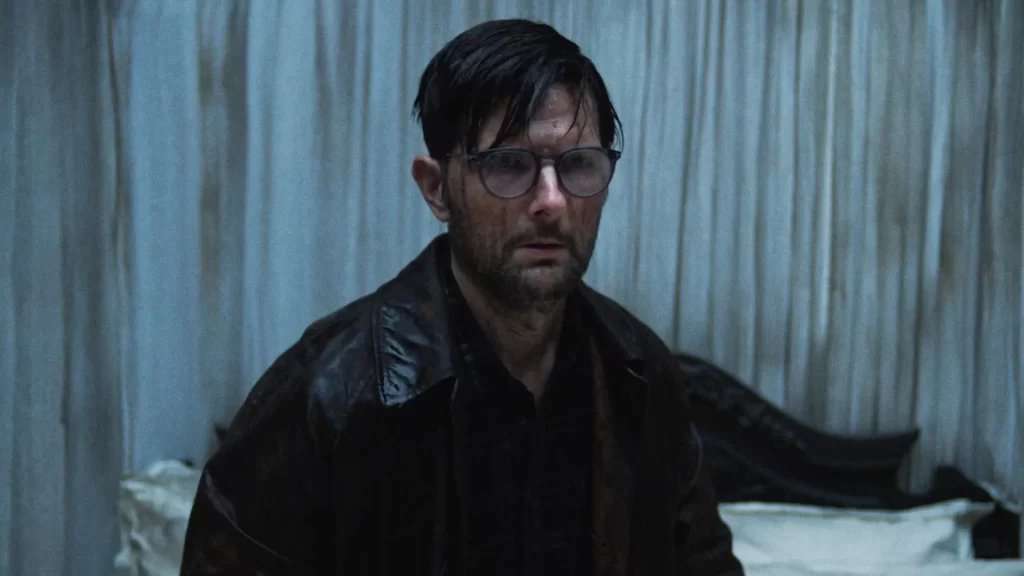
He gives a performance that cuts sharply against his more familiar, affable persona. As Ohm, Scott leans fully into the character’s jagged edges. He is abrasive, dismissive, and often frustratingly closed off. He’s a man so consumed by grief and guilt that he’s become emotionally inaccessible.
It’s not an easy character to spend time with, and Mc Carthy knows it. But that friction is the point. Because beneath the cynicism is something raw and deeply human. Scott threads that needle beautifully, revealing the quiet devastation underneath Ohm’s hostility.
His performance becomes the film’s emotional throughline, guiding us through increasingly disorienting psychological terrain without ever losing sight of the character’s pain.
By the time the film reaches its final act, that emotional groundwork pays off in a way that feels earned rather than engineered.
Though the film treads on some well-worn territory—exploring human trauma through the lens of supernatural terror—it never feels forced or formulaic. And Mc Carthy refuses to neglect the potency of the horror, even as he centers the humanity.
Not every thread weaves together seamlessly. There are moments when the narrative feels slightly overstuffed, where certain ideas could have benefited from either greater clarity or greater restraint.
But those imperfections are easy to forgive when the film is this immersive.
Hokum is about feeling trapped in a space—physically, emotionally, spiritually—and watching as the walls slowly close in. It’s about the stories we tell ourselves to make sense of grief and guilt, and what happens when those stories turn against us.
This is a film that lingers. It seeps under your skin. It reminds you of the genre’s power to drape the most profound human stories in a nightmarish cloak.
Hokum will make you jump out of your seat on more than one occasion, as Mc Carthy wrings anxiety out of every dark corner. But it will also wrap you in a warm blanket at the end of a harrowing ordeal.
It’s emotional without ever feeling overwrought, familiar but not derivative, and nightmarish but not sensationalist.
Expect it to land on many year-end lists. It’s already at the top of mine.
For fans of atmospheric folk horror, gothic dread, or character-driven psychological terror, this is essential viewing.
Overall Rating (Out of 5 Butterflies): 4.5