The BBC has announced that 550 roles are set to close across the corporation’s News, Nations and Content divisions by the start of 2027/28, as part of the first phase of proposals to make £500m of savings over the next three years.

The broadcaster said the savings announced today are expected to deliver around £160m of that £500m target, with an overall reduction in headcount of around 1,800 to 2,000 and a cost reduction of 10 per cent planned over the next three years.
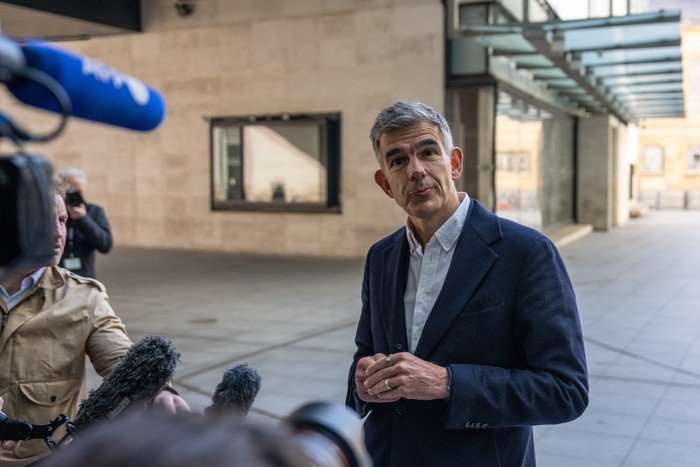
BBC director-general Matt Brittin also revealed in an email to staff on Wednesday (17th June) that the BBC is to cut around £80m from commissioning spend across Content, News and Nations by the end of 2027/28, as well as review its broadcast TV channels and radio network portfolio as audiences move online.
He said: “We will reduce commissioning spend across Content, News and Nations by around £80 million in 2027–28 and review our broadcast TV channels and radio network portfolio as audiences move online.”
The corporation has now confirmed a number of affected programmes, with Radio 4 set to close The World Tonight, Midnight News, Money Box Live, AntiSocial, The Law Show and Crossing Continents during the next year.
From April, weeknight audiences at 10pm on Radio 4 will hear a domestic bulletin followed by a simulcast of BBC World Service programme Newshour, which will move to a new time slot.
On the BBC World Service, The Inquiry, The Conversation and The Fifth Floor will also close by the end of the year.
Meanwhile, BBC One will stop making the Sunday morning edition of BBC Breakfast from September, with the BBC News Channel airing in its place.
Friday’s edition of Newsnight will also move to a peak-time slot on BBC Two from September, while 5 Live Weekend Breakfast will become a two-hour programme from April.
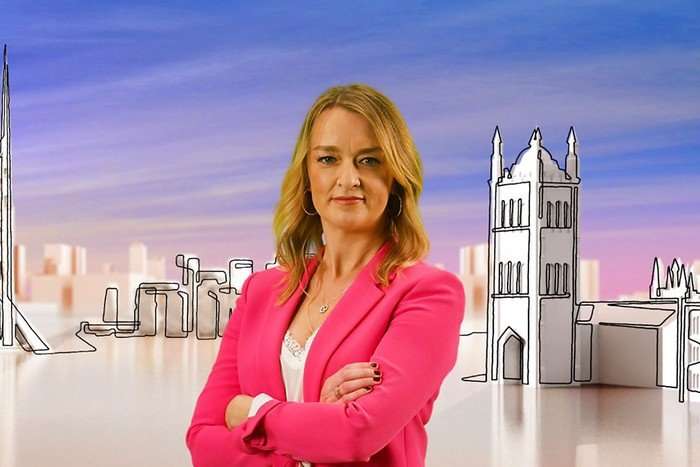
The BBC is also proposing to bring together the production teams of Sunday with Laura Kuenssberg and Newsnight, although it said this will not change the format of either programme.
BBC News proposals announced today are expected to save around £25m, with a net reduction of around 200 roles in this first phase.
The BBC said News will be reducing costs by at least £51m by next April, with further announcements expected over the next few months.
In BBC Content, the corporation is targeting at least £100m of recurring annual savings by the end of 2027/28, including around 100 job losses by the end of this financial year.
The BBC also said there would be a reduction of 100 to 150 hours of originated programmes across all commissioning genres by the end of 2027/28, while audio output is expected to be reduced by around 350 to 400 hours across stations and genres.
Add Radio Times as a Preferred Source on Google
Keep up to date on what’s worth watching with your favourite entertainment news from Radio Times – see more of our exclusive news and interviews featured prominently in Top Stories when using Google.

BBC Nations is expected to make £33m of savings by the end of 2027/28, with around 250 posts expected to close in this first phase across Wales, Northern Ireland, Scotland and BBC Local.
Further savings across all divisions will be set out in the coming months, including in the BBC’s corporate divisions, where around 700 roles are expected to close.
Brittin said: “The scale of savings requires tough choices, careful work and won’t all be ready at once. We are committed to letting you know as soon as we have plans in your area. All divisions will be making significant savings.”
BBC News will also carry out a review of its chief presenter roles and on-air editor roles, while the Today programme will have a roster of four permanent presenters rather than five from September and will move to a single-anchor format on Saturdays.
The corporation said it is also proposing to reduce the number of correspondents, producers and reporters working on linear output within its Story Teams, in line with its digital priorities.
Want to see this content?
This page contains content provided by Google reCAPTCHA. We ask for your permission before anything is loaded, as Google reCAPTCHA may use cookies and other technologies. To view this content, choose ‘Accept and continue’ to allow Google reCAPTCHA and its required purposes.
Brittin added in his email to staff: “We live in very uncertain times. Our audiences rely on us every day to keep them informed, entertained and equipped to make sense of the world.
“Making savings while fulfilling our mission means a doubly difficult time for everyone. Do speak to your leaders and use the support that’s available. In the meantime, thank you for all you are doing.”
These developments come at a time when the BBC’s charter is up for renewal, with the current charter due to expire at the end of 2027.
This week’s issue of Radio Times magazine focuses on the future of the BBC, spotlighting a range of reader opinions on the British institution, as well as finding out what a number of TV broadcasters, writers and commentators believe the corporation should look like going forward.
Read more:
- Simon Schama: “Someone should be shouting out loud about how great the BBC is”
- Emily Maitlis: “I don’t see what protection a charter really gives the BBC”
- I used to be BBC One controller and these are 10 things the BBC must now do to survive
Check out more of our Drama coverage or visit our TV Guide and Streaming Guide to find out what’s on. For more TV recommendations and reviews, listen to The Radio Times Podcast.