This article first appeared in Radio Times magazine.
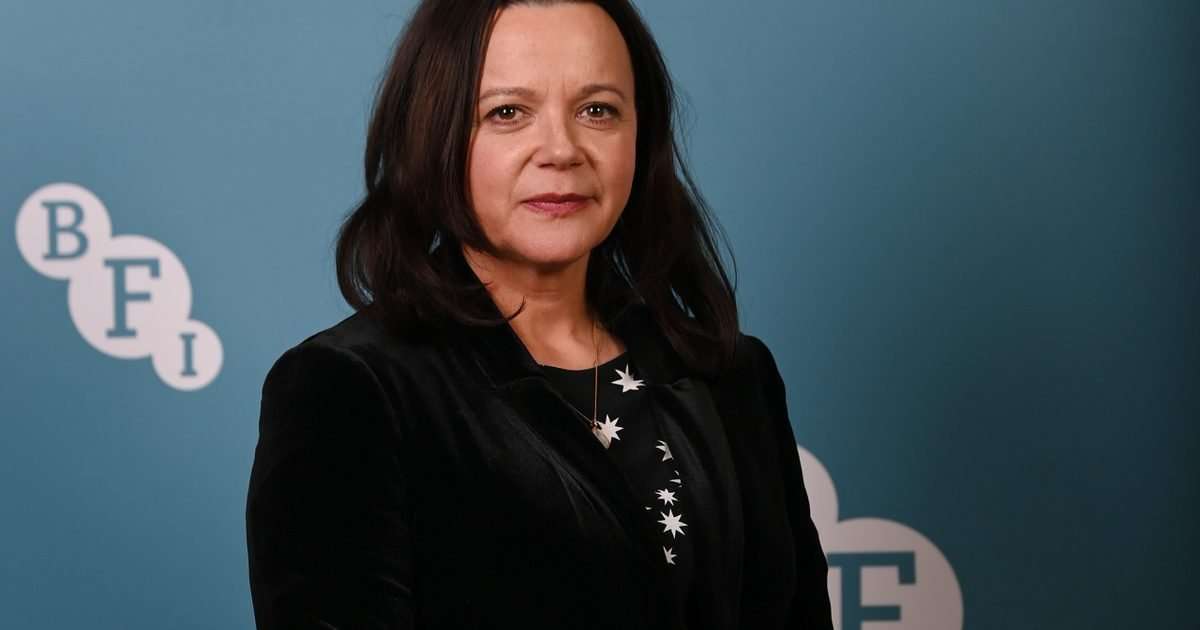
Nicola Shindler first met Russell T Davies in 1997 in New York “very glamorously, at the International Emmys”. They were both nominees – her for Hillsborough, her first producer credit and the favourite to win best drama, and him as writer of the landmark 100th episode of Children’s Ward, the children’s hospital drama created by Paul Abbott and Kay Mellor. “We were sat next to each other and got on like a house on fire,” she recalls. “Both of us lost but we had such a nice night.”
When, in 1998, Shindler set up her production company, Red, she was asked in a meeting with Channel 4 who she would most like to work with. “I mentioned Russell, they knew and loved his work, so I went to meet him again and asked if there was anything he really wanted to write. He probably had been formulating what was Queer as Folk in his mind for years. So, he wrote it really quickly and we were making it very quickly after that.”
And soon after that, Queer as Folk was broadcast. Sexually explicit, funny, political, exuberant, it went off like a firework in a phone box, reinventing Channel 4 drama at a stroke and reverberating across British television. In retrospect, it was as seminal a moment in British culture as the broadcast of Cathy Come Home in 1966.
Nearly three decades later, Shindler and Davies are one of British TV’s defining creative partnerships. From those early years when Queer as Folk was followed by Bob & Rose, The Second Coming, Cucumber, Years and Years, It’s a Sin and their latest collaboration, the bruising Tip Toe, they have told bold stories that have taken the temperature of modern Britain and charted the shifting attitudes towards and changing fortunes of the UK’s LGBTQ+ communities. Oh, and there was that biopic of Crossroads’ Noele Gordon, Nolly.
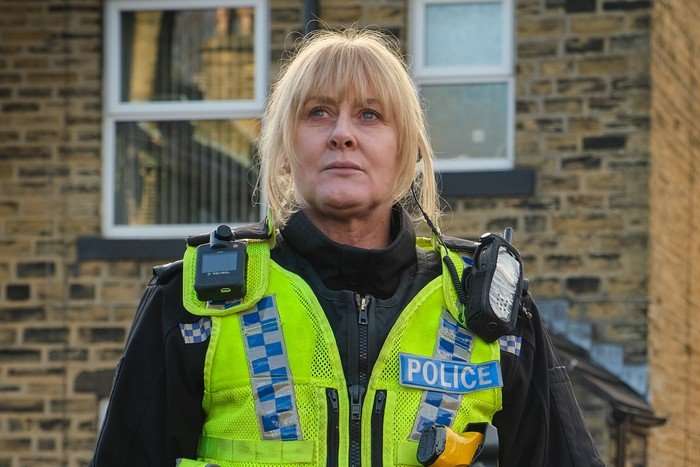
When Davies went off to reboot Doctor Who “which was obviously his dream and I enjoyed watching from afar”, Shindler went to work, too. On Hit & Miss and Exile, she worked again with Paul Abbott, whom she’d met on Cracker and worked with on Linda Green and Clocking Off. She rekindled her creative partnership with Sally Wainwright, and in four years delivered the triple whammy of Scott & Bailey (2011), Last Tango in Halifax (2012) and Happy Valley (2014).
There were also myriad mini-series and one-offs from writers as diverse as Kay Mellor and Tony Marchant. And from 2016, her collaboration with Harlan Coben has seen a succession of the American author’s twisty tales of strangers in baseball caps, strippers turned primary school teachers and Richard Armitage in a variety of roles attract huge audiences on Netflix.
Logistically, Shindler says her job is “different depending on who the writer is and what the show is” but generally covers “everything really” – developing an idea, working on scripts, casting, creating a team to make the show, watching the rushes every day, being in the edit with the director, the producer and the writer, deciding on music. It is A Lot.
Philosophically, her job is one of stewardship, of making a space so the writer can flourish and say what they want to say. Working with writers of stature like Coben, Wainwright, Abbott and Davies, is there something they all have in common? “It’s that they have a voice – a vision – and they all know what they want.”
Shindler’s instincts and approach have served her well. She’s an OBE, personally has won seven BAFTAs and, in 2013, she sold a majority stake in her production company Red to French film company StudioCanal. At the time, The Guardian estimated Red’s worth at £30 million, of which she owned 95 per cent. She left Red in 2020 and, in 2021, set up a new company, Quay Street Productions.
“I never take anything for granted,” she says. “That’s why I keep working hard and keep trying to do the job well. But you never know whether the next thing’s going to hit big or not. Happy Valley was meant to be a small British police show. It’s the brilliance of what Sally wrote and the incredible performances that just made it take off. Every time I do something, I get nervous.”
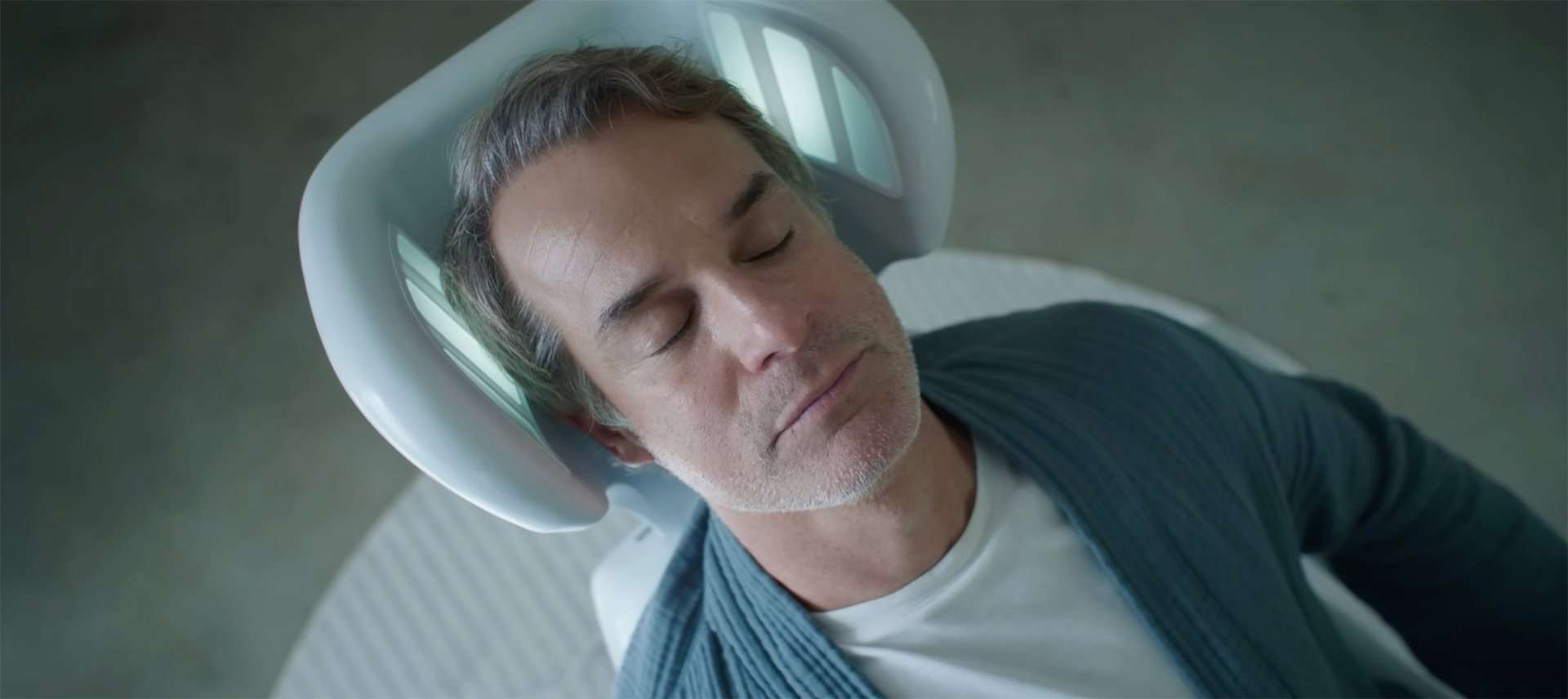
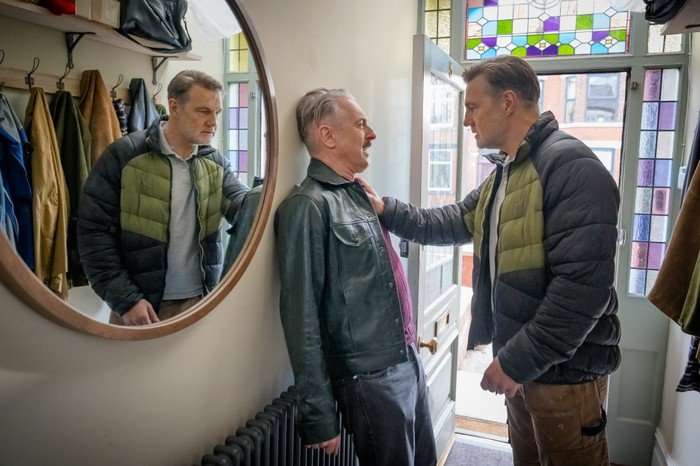
And so, to Tip Toe. If Queer as Folk captured a moment of optimism and liberation, Tip Toe is a harsher dispatch from contemporary Britain. As a drama that centres on a 59-year-old gay man, Tip Toe isn’t just about LGBTQ+ people – though the story absolutely binds together the fates of gay men and trans people. It also explores radicalisation and conspiracy theories.
“The ultimate message is a really difficult one but we wanted to make sure when we started that it’s watchable. It’s entertaining, engaging and incredibly moving – because you know what’s going to happen to the character you’re falling in love with,” Shindler says. “There’s enough flair in it, the performances are so good, and the warmth and humour of Russell’s writing are such that it’s very watchable. If someone else had written it, it might not be.”
The latest issue of Radio Times is out now – subscribe here.
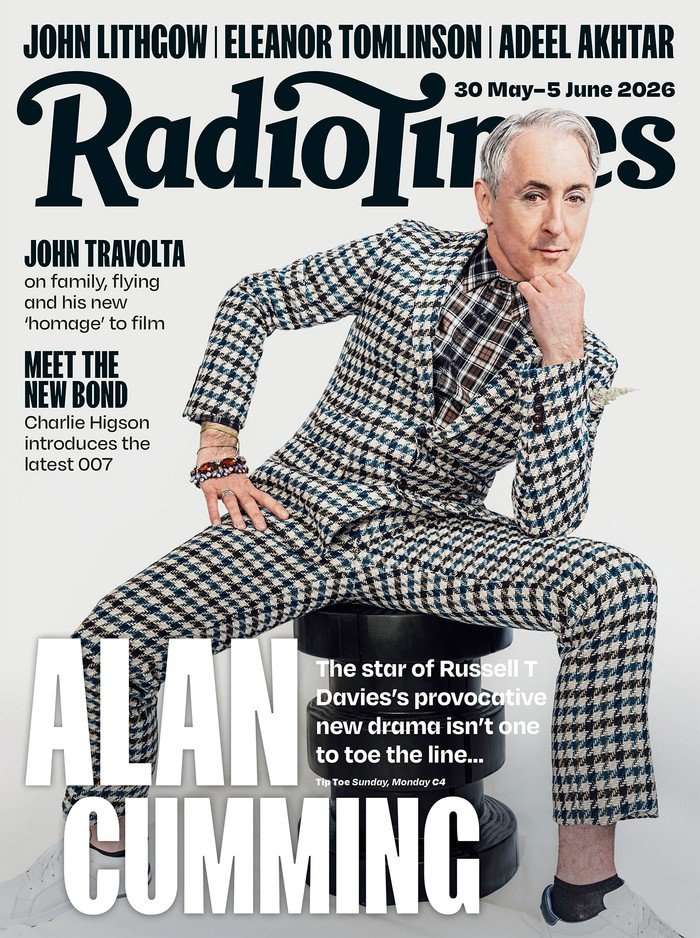
Tip Toe launches on Channel 4 and Channel 4 On Demand on Sunday 31 May 2026.
Check out more of our Drama coverage or visit our TV Guide and Streaming Guide to find out what’s on. For more TV recommendations and reviews, listen to The Radio Times Podcast.