This article first appeared in Radio Times magazine.
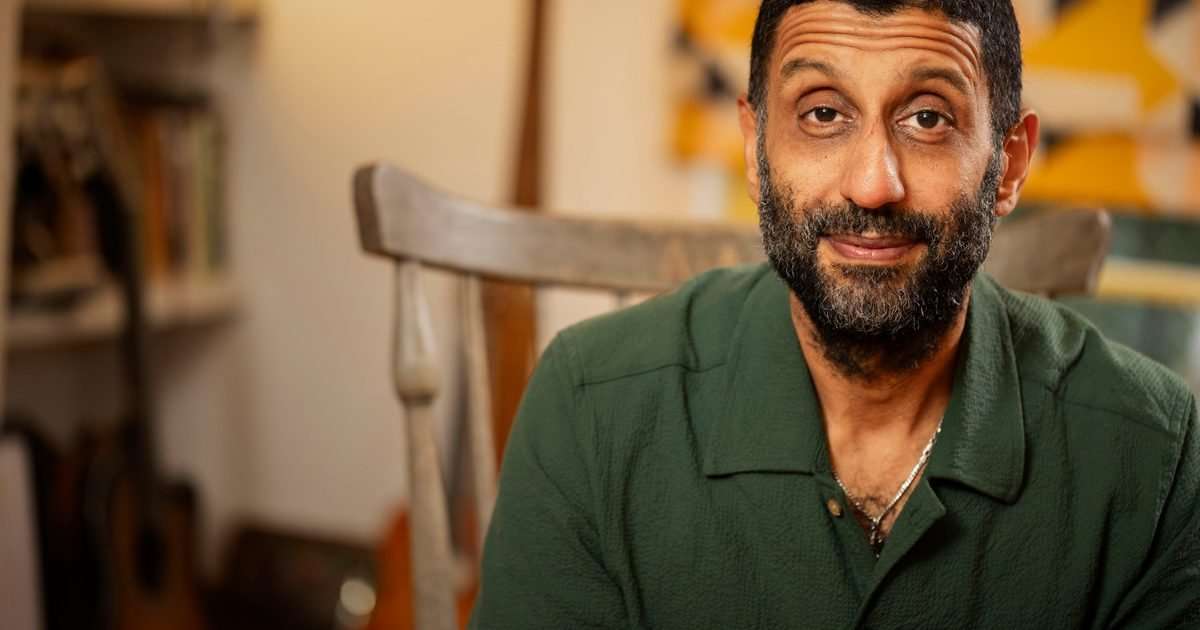
Adeel Akhtar has always been curious about his heritage. In the second episode of the new series of Who Do You Think You Are?, the BAFTA-winning star of Four Lions, Showtrial and Sherwood sets out to fill in the gaps in his family history.
His journey takes him to Nairobi and Mombasa, where he uncovers powerful stories from his mother’s side of the family, exploring the experiences of his Indian ancestors in colonial Kenya and reflecting on immigration, identity and belonging.
Were you a fan of the show before taking part?
I was. I find it moving and informative, and it fuses together interesting little bits of history that don’t get talked about much. I don’t look at acting as simply performing, so this was a gift in mining my humanity and excavating my story. That helps when you have to go to some emotionally raw places.
Your mother, Mumtaz, came to London, aged 16, determined not to accept an arranged marriage, and your father Humayan, arrived from Pakistan. How much did you know of your family history before signing up?
You pick up bits and pieces over the years. My mum talks about her family history a bit, but if you ask too many questions she goes, “That’s enough now”, just because she’s busy. I had big gaps in my knowledge about my family, particularly on my mother’s side.
You discovered that your maternal Indian ancestors faced barriers from British colonial powers in Kenya because of racial prejudice. How did that make you feel?
It was upsetting, but not surprising. In politically fraught times, we scapegoat the people who are foundational to society, whether that’s in modern Britain, or in the early 1900s. History is so potent. We can see these patterns. I was moved – what more could they have done? They were achieving so much and contributing, but they were blamed for disease and poor sanitisation. That’s the plight of the immigrant narrative.
Do these stories make you angry?
That would be doing a disservice to the efforts that my mum and dad made to get me in this situation. I’m in a job that encourages me to be curious, which supersedes the feeling of being upset or sad.
If you get me on a day that I haven’t had enough sleep, I might say something different. Just ask my wife! But my job allows me to use bad experiences to delve into difficult questions, which I find more rewarding than thinking the world is a terrible place.
You say on the show that you think immigration and acting are similar. Can you explain why?
When you’re assimilating into society as an immigrant, you’re trying to figure out the right words to use in a particular context, which is a form of performance. My family would have spent every day working out how to behave and react, which is what I do, with less high stakes. I’m not trying to survive – I just feel a bit silly if I forget a line.
What did learning about your family do for you?
At the end of the day, we’re just this tiny little dot on this massive timeline of history, and we’re all there together. It’s put me more in the world and made me go, “We’re all on this one timeline together.” I’m so grateful and happy that I was able to do it.
The latest issue of Radio Times is out now – subscribe here.
Adeel Akhtar’s episode of Who Do You Think You Are? will be shown on BBC One later this year. Who Do You Think You Are? returns to BBC One on Tuesday 26 May at 9pm.
Add Who Do You Think You Are? to your watchlist on the Radio Times: What to Watch app – download now for daily TV recommendations, features and more.
Check out more of our Drama coverage or visit our TV Guide and Streaming Guide to find out what’s on. For more TV recommendations and reviews, listen to The Radio Times Podcast.