


Web Series Adaptations: From Online to the Big Screen
The digital landscape has irrevocably altered the entertainment industry, fostering a new generation of creators and redefining content consumption. Among the most significant developments is the rise of the web series, a format that has proven remarkably fertile ground for innovation and audience engagement. These bite-sized stories, often produced with modest budgets and distributed through online platforms, have cultivated dedicated fan bases and, increasingly, piqued the interest of Hollywood. The journey from online obscurity to cinematic prominence is a complex one, fraught with challenges and opportunities. This article explores the evolution of web series adaptations, examining the factors that contribute to their success, the pitfalls to avoid, and the impact these transitions have on both the original creators and the broader film industry.

The Allure of the Web Series: A Breeding Ground for Innovation
Web series offer a unique appeal to both creators and audiences. For filmmakers, they represent a low-barrier-to-entry point, circumventing the traditional gatekeepers of Hollywood. This accessibility allows for experimentation with unconventional narratives, diverse characters, and niche genres that might not find support within the established studio system. Creators can bypass lengthy development processes and direct feedback loops, allowing them to rapidly iterate and refine their ideas based on audience response.
For viewers, web series provide readily available, easily digestible content that often caters to underserved interests. The episodic format encourages binge-watching and fosters a sense of community around shared viewing experiences. The interactive nature of online platforms further enhances this connection, allowing viewers to engage directly with creators and fellow fans through comments, forums, and social media. This level of engagement is rare in traditional media and provides valuable insights for filmmakers looking to understand their audience.
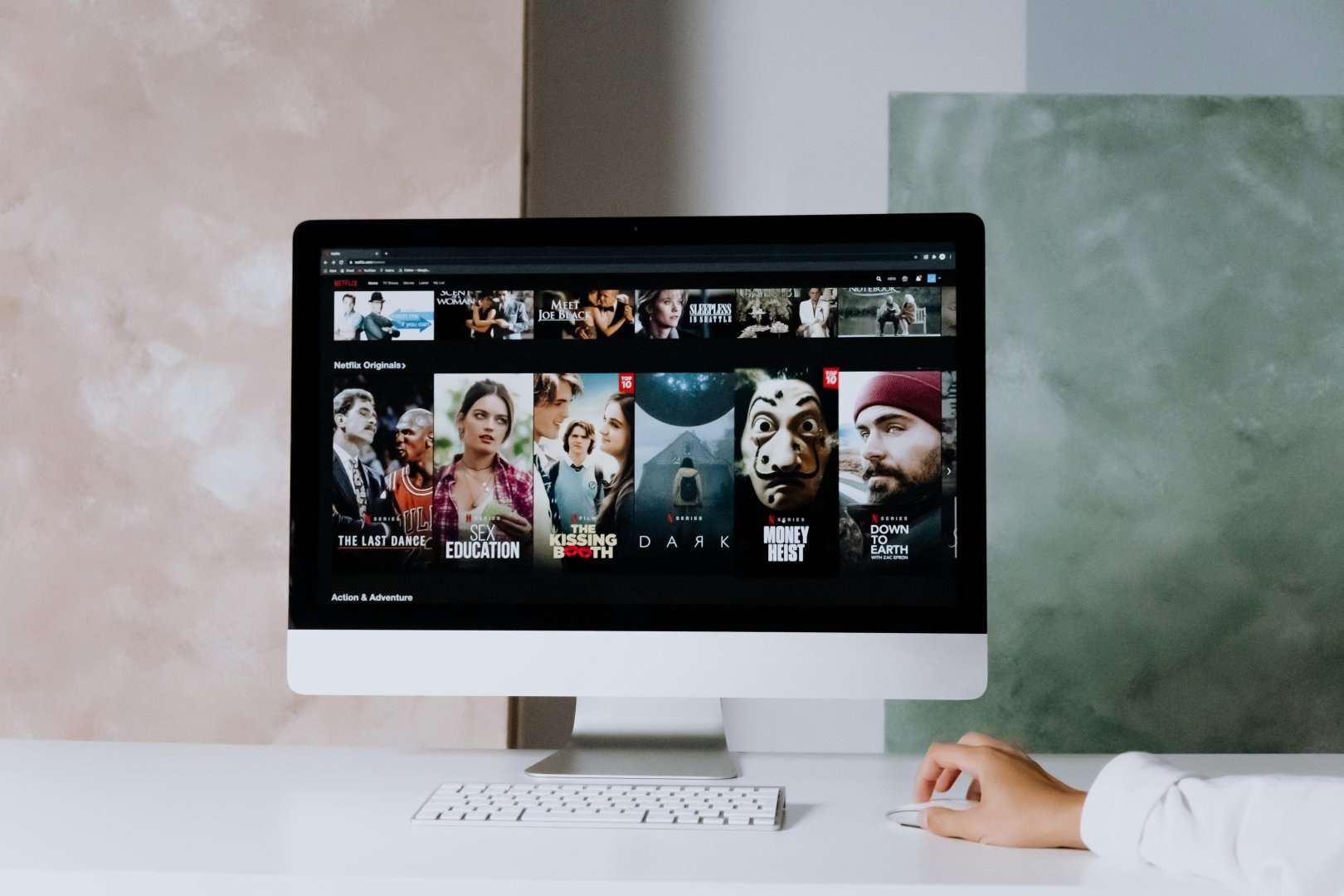
Identifying Adaptable Material: The Key Ingredients for Success
Not all web series are destined for the big screen. Certain characteristics make a web series more likely to succeed as a film adaptation:
-
Strong Narrative Core: At the heart of any successful adaptation lies a compelling story. The web series must possess a narrative arc that can be expanded and deepened within the longer format of a feature film. This often involves identifying a central conflict or theme that can be explored in greater detail, adding layers of complexity and nuance.
-
Compelling Characters: Memorable characters are crucial for audience engagement. The web series should feature characters with relatable motivations, believable flaws, and the potential for significant growth. These characters must be able to carry the emotional weight of a feature-length film and resonate with a wider audience.
-
Unique World-Building: A well-defined and immersive world can be a major draw for viewers. The web series should establish a distinct setting, mythology, or set of rules that can be further explored and expanded upon in the film adaptation. This world-building should be visually compelling and contribute to the overall atmosphere of the story.
-
Established Fan Base: A pre-existing audience provides a significant advantage for a film adaptation. A dedicated fan base translates into built-in marketing and word-of-mouth promotion, increasing the likelihood of box office success. The enthusiasm of the original audience can also attract the attention of studios and investors.
-
Adaptability: The original web series must possess a structure and style that can be effectively translated to the cinematic medium. This may involve streamlining the narrative, condensing multiple episodes into a cohesive storyline, and enhancing the visual spectacle.
The Adaptation Process: Navigating the Challenges and Opportunities
Adapting a web series into a film is not a simple matter of stretching out the existing content. It requires a careful and considered approach, taking into account the differences between the two mediums.
-
Expanding the Narrative: A web series episode typically runs for a few minutes, while a feature film can last for over two hours. This difference in length necessitates a significant expansion of the narrative. Subplots can be added, character backstories can be explored, and the overall pacing can be adjusted to suit the longer format.
-
Elevating Production Values: Web series are often produced with limited budgets, resulting in lower production values. A film adaptation requires a significant investment in visual effects, cinematography, sound design, and other technical aspects to create a more immersive and cinematic experience.
-
Maintaining Authenticity: While expanding the narrative and elevating production values, it is crucial to maintain the authenticity of the original web series. The film adaptation should capture the spirit and tone of the source material, preserving the elements that resonated with the original audience.
-
Balancing Fan Expectations: Adapting a beloved web series can be a delicate balancing act. Creators must cater to the expectations of the existing fan base while also appealing to a wider audience who may be unfamiliar with the original material. This requires careful consideration of the changes made during the adaptation process.
-
Involving the Original Creators: The involvement of the original creators in the adaptation process can be invaluable. Their intimate knowledge of the characters, story, and world can help ensure that the film adaptation remains true to the spirit of the original web series.
Case Studies: Successes and Failures in Web Series Adaptations
Several web series have successfully made the transition to the big screen, while others have fallen short of expectations. Examining these case studies can provide valuable insights into the factors that contribute to success and failure.
-
“Broad City” (TV Series): While not a direct film adaptation, the success of “Broad City” exemplifies the potential for web series to launch successful television careers. The original web series, created by Ilana Glazer and Abbi Jacobson, garnered a devoted following for its irreverent humor and relatable characters. The TV adaptation, produced by Amy Poehler, retained the core elements of the web series while expanding the narrative and exploring the characters in greater depth.
-
“High Maintenance” (TV Series): Another example of a successful transition to television, “High Maintenance” started as a web series exploring the lives of various New Yorkers through the lens of a weed delivery guy. The HBO adaptation retained the episodic structure and character-driven storytelling of the web series while offering a more polished and nuanced portrayal of urban life.
-
“Tucker & Dale vs Evil” (Film): While not directly adapted from a web series, this film demonstrates the power of online platforms to propel independent productions to wider recognition. The film gained significant traction through online screenings and positive word-of-mouth, ultimately leading to theatrical distribution and cult status.
-
“Annoying Orange” (TV Series): This example highlights the importance of adapting content appropriately for different mediums. While the “Annoying Orange” web series was a viral sensation with millions of views, the television adaptation failed to capture the same magic. The rapid-fire jokes and visual gags that worked well in short online videos felt repetitive and tiresome in a longer format.
The Impact on the Film Industry: A Democratization of Content Creation
The rise of web series adaptations has had a significant impact on the film industry, contributing to a democratization of content creation.
-
New Talent Pool: Web series have created a new talent pool of writers, directors, actors, and producers who might not have had the opportunity to break into the industry through traditional channels. These creators bring fresh perspectives, innovative ideas, and a deep understanding of online audiences.
-
Lower Risk Investments: Adapting a web series with an established fan base represents a lower risk investment for studios. The pre-existing audience provides a built-in safety net, increasing the likelihood of box office success and reducing the need for extensive marketing campaigns.
-
Experimentation and Innovation: The success of web series adaptations has encouraged studios to take more risks and experiment with unconventional narratives and genres. This has led to a greater diversity of content and a more dynamic film landscape.
-
Blurring Lines Between Mediums: The lines between online and traditional media are becoming increasingly blurred. Web series are no longer seen as a separate entity but rather as a valuable source of inspiration and talent for the film industry. This convergence is likely to continue in the future, leading to even more innovative and exciting forms of entertainment.
The journey from online to the big screen is a testament to the power of creativity, innovation, and the evolving landscape of the entertainment industry. As web series continue to flourish and capture the attention of audiences worldwide, their influence on the film industry is only set to grow. Understanding the complexities of the adaptation process, the factors that contribute to success, and the impact on both creators and viewers is crucial for navigating this exciting new era of content creation.
![Netflix's Newest Hit: Is [Series Title] Worth the Hype?](https://webseriesdownload.website/wp-content/uploads/2026/03/pexels-photo-267399.jpeg)